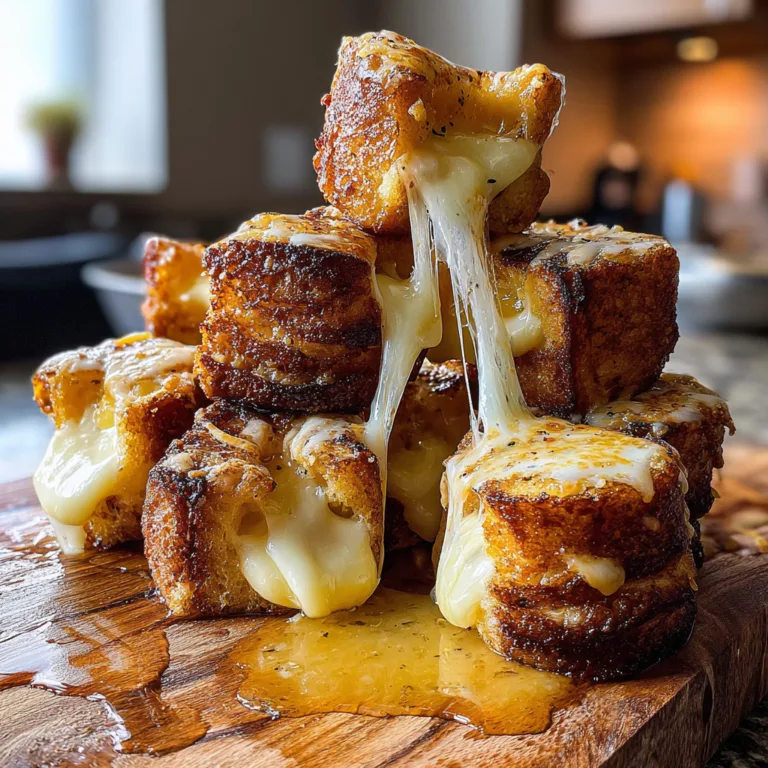
3-Ingredient Turkish Bread
No-Knead 3-Ingredient Turkish Bread: The Ultimate Easy Flatbread Recipe
There is something inherently magical about baking bread at home. The aroma that fills your kitchen, the rustic warmth of a fresh loaf, and the deep satisfaction of creating something from scratch are unparalleled. However, traditional bread-making can be intimidating. It often requires precise measurements, active yeast, hours of proofing, and the exhausting, messy process of kneading. Enter the ultimate culinary life-hack: No-Knead 3-Ingredient Turkish Bread. This incredibly soft, pillowy, and utterly delicious flatbread requires no special equipment, no yeast, zero kneading, and goes from bowl to plate in under 20 minutes. If you have been searching for the easiest, most foolproof bread recipe to elevate your weeknight dinners, you have just found it.
What is Turkish Bread (Bazlama)?
To truly appreciate this quick and easy recipe, it helps to understand its inspiration. Traditional Turkish flatbread, known as Bazlama, is a staple in Turkish cuisine. Historically baked over wood fires or on hot outdoor griddles, Bazlama is distinctively thick, soft, and slightly chewy. It is the perfect vessel for scooping up rich stews, dipping into vibrant mezes like hummus and tzatziki, or slicing open to stuff with grilled meats and fresh vegetables.

Authentic Bazlama usually utilizes yeast, requiring a lengthy rising time to develop its signature airy pockets. What we are creating with this 3-ingredient recipe is a “cheat’s version” or a quick-bread adaptation. By utilizing self-rising flour and yogurt, we mimic the beautiful, soft, bubbling texture of a yeast dough without the agonizing wait. The result is a spectacular, restaurant-quality flatbread that you can whip up on a whim.
The Magic of the 3 Ingredients
You might be wondering how three simple ingredients can transform into a beautifully structured, soft, and satisfying bread. The secret lies in food science and the beautiful interplay between the components.
1. Self-Rising Flour: This is the workhorse of our recipe. Self-rising flour is a brilliant invention—it is all-purpose flour that has been pre-mixed with a precise, even distribution of baking powder and a touch of salt. The baking powder acts as our leavening agent. Unlike yeast, which needs time to ferment and produce gas, baking powder reacts instantly when it meets moisture and heat, creating those lovely air bubbles that make the flatbread light and pillowy. If you do not have self-rising flour, do not panic! You can easily make your own by combining 1 cup of all-purpose flour with 1 ½ teaspoons of baking powder and ¼ teaspoon of salt.
2. Greek Yogurt (or Plain Yogurt): Yogurt is the magic ingredient that makes this dough so incredibly tender. The acidity in the yogurt reacts with the baking powder in the flour, supercharging the leavening process for an extra-fluffy rise. Furthermore, the fat and protein content in the yogurt tenderize the gluten strands in the flour, ensuring your bread turns out soft and pliable rather than tough and cracker-like. Greek yogurt is ideal because of its thick consistency, but regular plain yogurt works perfectly well too; you may just need a sprinkle more flour if your dough feels too sticky.
3. Salt (The Unsung Hero): While self-rising flour contains a little salt, adding an extra pinch is crucial for flavor development. Bread without adequate salt tastes incredibly flat and floury. Salt enhances the subtle tang of the yogurt and brings out the natural, comforting flavor of the cooked wheat.
Ingredients for No-Knead Turkish Bread
Here is exactly what you need to create the dough, plus the optional (but highly recommended) garnishes that take this bread to the next level.
- – 2 cups self-rising flour (plus extra for dusting)
- – 1 and 1/2 cups plain Greek yogurt (whole milk preferred)
- – 1/2 teaspoon kosher salt
- – 3 tablespoons unsalted butter, melted (for brushing)
- – 1 clove garlic, finely minced (optional, for garlic butter)
- – 1 tablespoon fresh parsley, finely chopped (for garnish)
- – 1/2 teaspoon crushed red pepper flakes (for garnish)
Step-by-Step Instructions
This process is incredibly forgiving. Let go of your fear of dough and follow these simple steps to flatbread perfection.
- Mix the Dough: In a large mixing bowl, combine the self-rising flour and the kosher salt. Add the plain Greek yogurt. Using a wooden spoon or a silicone spatula, stir the ingredients together. Initially, it will look shaggy and dry, but keep mixing. As the yogurt hydrates the flour, a rough dough will begin to form.
- Bring It Together: Once the dough is too stiff to stir with a spoon, use your clean hands to press it together directly in the bowl. You are NOT kneading here; you are simply gathering the loose flour bits into a cohesive, soft ball. If the dough is overwhelmingly sticky, sprinkle in a tablespoon of flour. If it is too dry to come together, add a teaspoon of yogurt or a splash of water.
- Rest the Dough (Optional but Recommended): Cover the bowl with a clean kitchen towel and let the dough rest for 10 minutes. While this is a no-knead, instant recipe, giving the dough a brief rest allows the flour to fully hydrate and the gluten to relax, making it much easier to roll out.
- Divide and Shape: Turn the dough out onto a lightly floured surface. Using a bench scraper or a knife, divide the dough into 6 equal pieces. Roll each piece into a smooth ball.
- Roll Out the Flatbreads: Using a rolling pin, roll each ball of dough into a circle roughly 1/4 inch thick (about 6 to 7 inches in diameter). Do not roll them too thin, or they will become crisp like tortillas rather than pillowy like Bazlama.
- Heat the Pan: Heat a large cast-iron skillet or a heavy-bottomed non-stick frying pan over medium-high heat. You want the pan quite hot, but not smoking. Do not add oil to the pan; these flatbreads are dry-cooked!
- Cook to Perfection: Gently place one rolled-out flatbread into the hot, dry pan. Cook for about 1 to 2 minutes on the first side. You will see beautiful, large bubbles begin to form on the surface. Once the bottom has dark, golden-brown charred spots, flip the bread using tongs or a spatula. Cook for another 1 to 2 minutes on the second side until equally golden and puffed up.
- Keep Warm: Remove the cooked flatbread from the pan and immediately wrap it in a clean kitchen towel. The steam trapped inside the towel will keep the bread incredibly soft and pliable while you cook the remaining portions.
- The Flavor Finish: While the breads are still warm, mix your melted butter with the minced garlic. Brush this luxurious garlic butter generously over the warm flatbreads. Sprinkle immediately with fresh chopped parsley and crushed red pepper flakes for a vibrant, savory finish.
Troubleshooting Common Flatbread Issues
While this recipe is famously easy, slightly different environments or brands of ingredients can alter the outcome. Here is how to fix common problems:
The Dough is Too Sticky: Yogurt moisture levels vary wildly between brands. If your dough is sticking to your hands and the rolling pin like glue, simply dust your work surface and the dough with a little more flour until it is manageable. Remember, a slightly tacky dough yields a softer bread, so don’t over-flour it.
The Bread is Tough or Dense: This usually happens for two reasons. First, you may have overworked the dough. Remember, this is a NO-KNEAD recipe. Handle the dough as little as possible. Second, you might have rolled it too thin. Keep the dough at least 1/4 inch thick to ensure a pillowy interior.
The Bread Isn’t Bubbling in the Pan: Your pan is likely not hot enough. Flatbreads need a blast of high heat to rapidly activate the baking powder and create steam inside the dough, which causes those beautiful bubbles. Increase your heat slightly and wait until the pan is fully preheated before adding the next piece.
Creative Flavor Variations & Add-Ins
Once you master the basic 3-ingredient dough, consider it a blank canvas for your culinary imagination. The possibilities are truly endless.
Cheese-Stuffed Flatbread: Take a golf-ball-sized piece of dough and flatten it slightly. Place a spoonful of shredded mozzarella, feta, or even a wedge of Laughing Cow cheese in the center. Pinch the edges together to seal the cheese inside, then gently roll it flat again before cooking. You will end up with a magnificent, gooey, cheese-stuffed bread.
Herb and Spice Infused: Add flavor directly into the dough! Mix a teaspoon of dried oregano, thyme, rosemary, or a blend like Za’atar directly into the flour before adding the yogurt. A teaspoon of cumin seeds or nigella seeds also adds a wonderful, authentic Middle Eastern flair.
Sweet Dessert Bread: Skip the garlic and parsley garnish. Instead, right after the bread comes out of the hot pan, brush it generously with melted butter and sprinkle it heavily with cinnamon sugar. Serve it warm with a drizzle of honey or a side of fresh fruit jam for a delightful quick dessert or breakfast treat.
What to Serve With Your Turkish Bread
This bread is incredibly versatile and can accompany almost any meal. Here are some of the best pairings:
Soups and Stews: The thick, spongy texture of this flatbread is ideal for soaking up every last drop of a hearty lentil soup, a rich beef stew, or a vibrant tomato bisque.
Curries: Because it closely resembles a quick Naan, this bread is phenomenal served alongside Indian dishes like Butter Chicken, Tikka Masala, or a spicy chickpea Chana Masala.
Meze Platters: Cut the flatbread into triangles and serve it on a large board alongside hummus, baba ganoush, tzatziki, olives, feta cheese, and sliced cucumbers. It is the perfect appetizer for entertaining.
Wraps and Sandwiches: Because the yogurt keeps the dough incredibly pliable, this bread can easily be folded without cracking. Use it as a wrap for Greek chicken souvlaki, lamb gyros, or fresh falafel with a heavy drizzle of tahini sauce.

Storing, Freezing, and Reheating
Fresh bread is always best eaten the day it is made, but this recipe stores remarkably well if you find yourself with leftovers.
Room Temperature: Allow the flatbreads to cool completely. Store them in an airtight plastic bag or container at room temperature for up to 3 days. Do not put them in the refrigerator, as the cold temperature will dry them out and make them stale faster.
Freezing: This bread freezes beautifully! Once completely cool, place pieces of parchment paper between each flatbread so they do not stick together. Place the stack in a heavy-duty freezer bag, squeeze out as much air as possible, and freeze for up to 2 months.
Reheating: To recapture that fresh-from-the-pan magic, reheating is crucial. Do not use the microwave, as it will make the bread rubbery. Instead, splash a tiny drop of water onto the flatbread and reheat it in a dry skillet over medium heat for about 30 seconds per side until warm and flexible again. If reheating from frozen, let it thaw on the counter for 15 minutes before crisping it up in the pan.
Conclusion
The No-Knead 3-Ingredient Turkish Bread is proof that you do not need hours of free time or a culinary degree to create spectacular, soul-warming food at home. With just flour, yogurt, a pinch of salt, and a hot pan, you can transform your kitchen into a rustic bakery. The smell of the charring dough, the glorious sizzle of the garlic butter hitting the hot crust, and that first incredible, pillowy bite will make this recipe a permanent fixture in your weekly routine. It is fast, it is foolproof, and most importantly, it is absolutely delicious.
No-Knead 3-Ingredient Turkish Bread
Ingredients
Equipment
Method
- In a large bowl, combine the self-rising flour, kosher salt, and Greek yogurt.
- Stir with a spoon until a shaggy dough forms. Use your hands to press the dough together into a cohesive ball. Do not knead.
- Turn the dough onto a lightly floured surface and divide it into 6 equal pieces. Roll each piece into a smooth ball.
- Using a rolling pin, roll each ball into a circle about 1/4 inch thick (6-7 inches across).
- Heat a large, dry cast-iron skillet or non-stick pan over medium-high heat. Do not add oil.
- Cook the flatbread for 1-2 minutes until large bubbles form and the bottom has golden brown spots. Flip and cook for another 1-2 minutes.
- Remove the flatbread from the pan and immediately wrap it in a clean kitchen towel to keep it soft while you cook the rest.
- Mix the melted butter and minced garlic. Brush generously over the warm flatbreads and sprinkle with parsley and red pepper flakes before serving.