Teriyaki Chicken Stuffed Peppers
Teriyaki Pineapple Chicken and Rice Stuffed Peppers: A Sweet and Savory Explosion
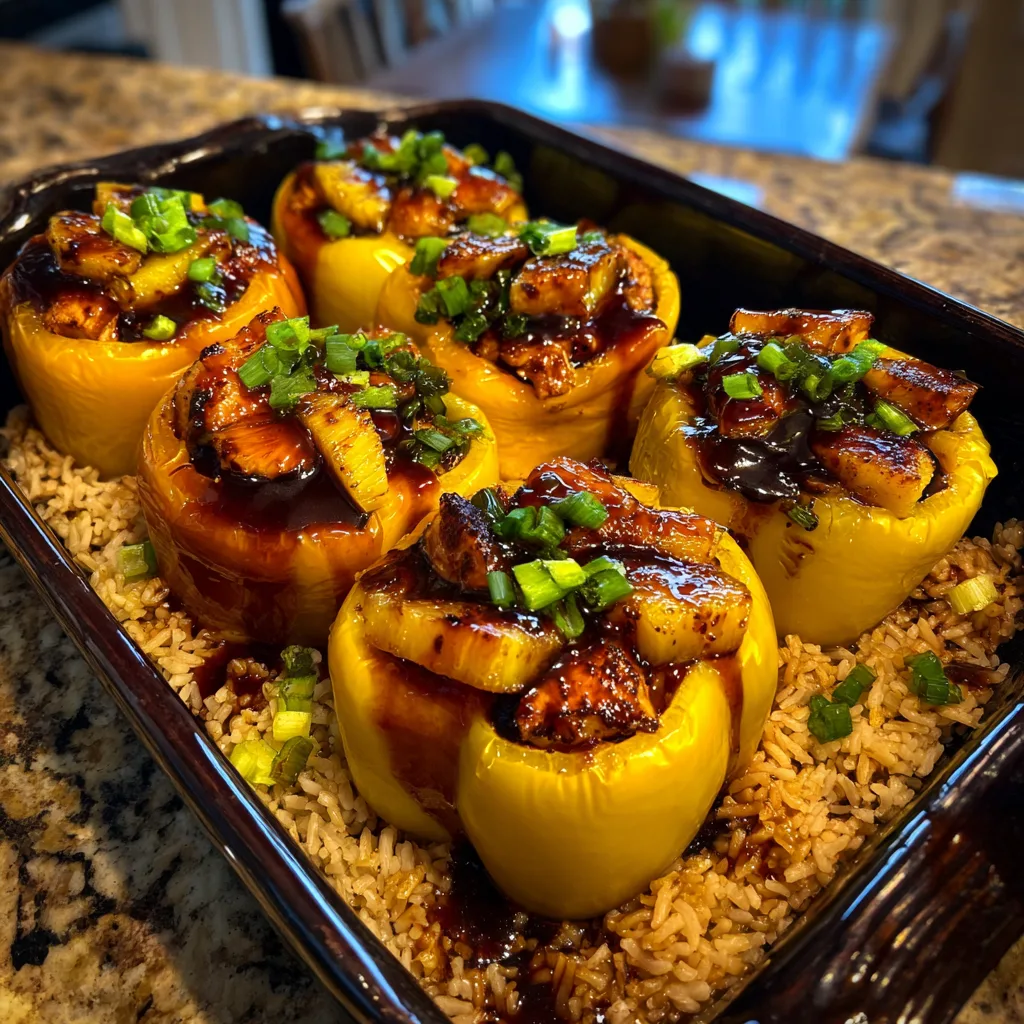
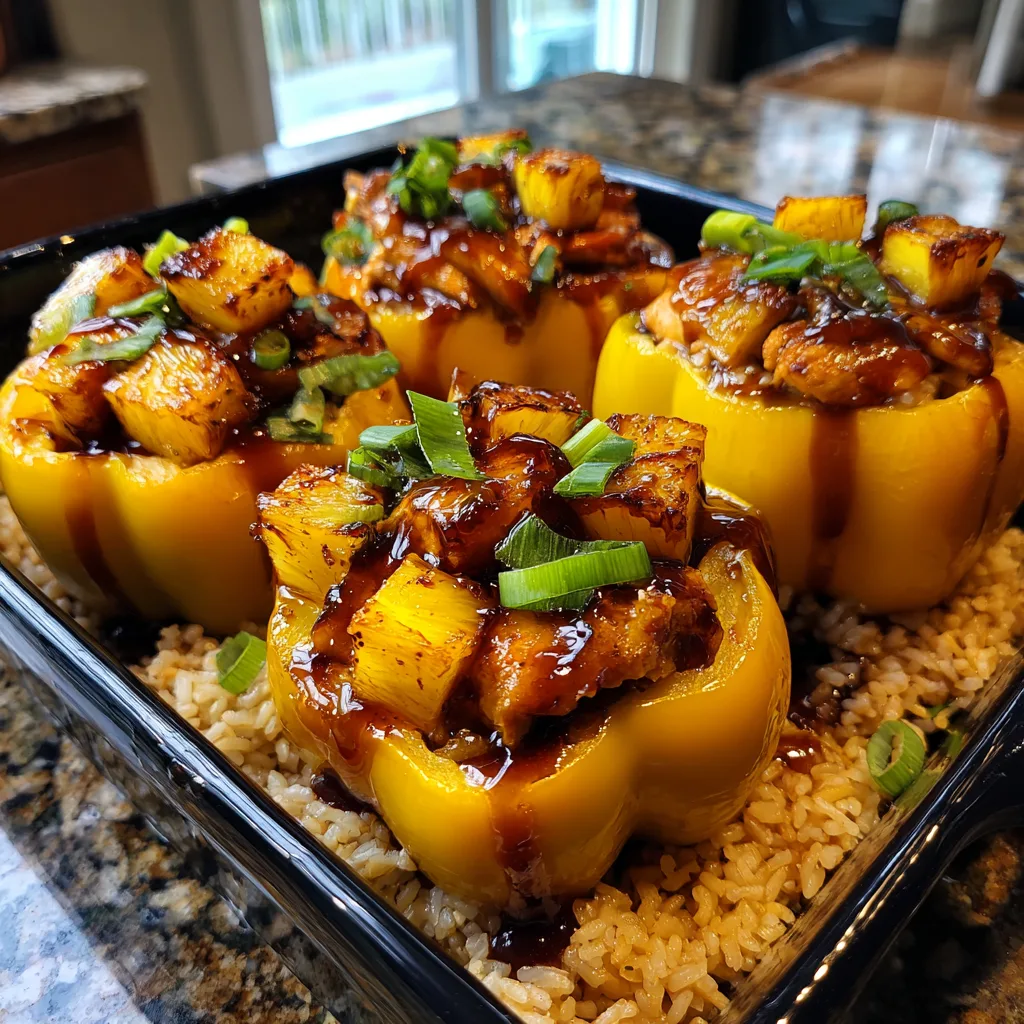
Dinner time often falls into a predictable rut. We rotate through the same pasta dishes, the same tacos, and the same baked chicken breasts. If you are looking to break that cycle with a meal that is as visually stunning as it is delicious, these Teriyaki Pineapple Chicken and Rice Stuffed Peppers are your answer. Imagine the natural sweetness of roasted yellow bell peppers acting as a vibrant edible bowl, filled to the brim with savory rice, tender chicken glazed in a sticky homemade teriyaki sauce, and bursts of juicy, caramelized pineapple. It is a tropical vacation on a plate, right in the comfort of your kitchen.
This dish is the perfect marriage of textures and flavors. You have the soft, slight crunch of the baked pepper, the fluffiness of the rice, the chew of the protein-packed chicken, and the bright acidity of the pineapple. The homemade teriyaki sauce ties it all together with its glossy, umami-rich coating. Whether you are meal prepping for a busy week or hosting a casual dinner party, these stuffed peppers are guaranteed to impress. In this guide, we will cover everything from selecting the perfect peppers to achieving that restaurant-quality glaze at home.
Why You Will Love This Recipe
Stuffed peppers are a classic comfort food, but they often rely on heavy tomato sauces and ground beef. This variation flips the script entirely. By using a teriyaki base, we introduce an Asian-fusion element that feels lighter yet incredibly satisfying. The yellow peppers are not just for show; they are sweeter than their green counterparts, pairing beautifully with the pineapple. Plus, this meal is a nutritional powerhouse, packing protein, fiber, and vitamins into one self-contained vessel.
Another reason this recipe is a winner is its versatility. It works fantastic as a “clear out the fridge” meal. Have leftover rice? Use it. Have a bag of frozen pineapple chunks? They work perfectly. It is forgiving, customizable, and creates minimal waste. The visual appeal of the bright yellow peppers against the dark, glossy chicken makes it totally Instagram-worthy, as seen in the photo!
Ingredients
To make this dish shine, we break the ingredients down into the vessel, the filling, and the sauce.
The Peppers and Base:
- Yellow Bell Peppers (6 large): Look for peppers with a flat bottom so they stand up easily in the baking dish. Yellow or orange are preferred for their sweetness, but red works too.
- Cooked Rice (3 cups): You can use jasmine, basmati, or brown rice. Day-old rice actually works best as it absorbs the sauce better without getting mushy.
The Filling:
- Chicken Breast (1 lb): Boneless, skinless, cut into small 1-inch bite-sized cubes.
- Pineapple Chunks (1.5 cups): Fresh is best for firmness, but canned (drained well) works too.
- Olive Oil (1 tbsp): For searing the chicken.
- Garlic (3 cloves): Minced freshly.
- Ginger (1 tbsp): Freshly grated ginger adds a necessary kick to cut the sugar.
The Homemade Teriyaki Sauce:
- Soy Sauce (1/2 cup): Low sodium is recommended so you can control the saltiness.
- Water (1/4 cup): To dilute the strong soy flavor.
- Brown Sugar (1/3 cup): Packed. This creates the sticky glaze. Honey can be a substitute.
- Rice Vinegar (1 tbsp): Adds tanginess.
- Sesame Oil (1 tsp): For that toasted nutty aroma.
- Cornstarch Slurry: 1 tbsp cornstarch mixed with 1 tbsp cold water (for thickening).
Garnish:
- Green Onions: Chopped, for color and a fresh bite.
- Sesame Seeds: Optional, for crunch.
Instructions
- Prep the Oven and Peppers:
Preheat your oven to 375°F (190°C). Wash the peppers thoroughly. Cut the tops off (remove the stem area) and scoop out the seeds and white membranes from the inside. If the peppers wobble, slice a tiny sliver off the bottom to level them, but be careful not to create a hole where juices can leak out. Place them upright in a 9×13 inch baking dish. Pour a tiny splash of water into the bottom of the dish (around the peppers, not inside them) to help steam them. Bake the empty peppers for 10-15 minutes just to soften them slightly while you cook the filling. - Sear the Chicken:
Heat olive oil in a large skillet over medium-high heat. Add the chicken cubes. Cook for about 5-6 minutes until the chicken is browned on all sides and mostly cooked through. It will finish cooking in the oven, so don’t worry if it’s slightly pink in the very center. Remove chicken from the pan and set aside. - Make the Sticky Teriyaki Sauce:
In the same skillet (don’t wash it, that flavor is good!), add the grated ginger and minced garlic. Sauté for 30 seconds until fragrant. Pour in the soy sauce, water, brown sugar, rice vinegar, and sesame oil. Whisk until the sugar dissolves and the mixture bubbles.
Stir in your cornstarch slurry. Let the sauce simmer for 1-2 minutes until it thickens into a glossy glaze that coats the back of a spoon. - Assemble the Filling:
Add the cooked chicken and the pineapple chunks into the skillet with the sauce. Toss well to coat everything in that beautiful glaze.
Fold in the cooked rice. Stir gently until the rice is evenly distributed and has absorbed some of the sauce color. The mixture should be sticky and moist. - Stuff and Bake:
Remove the peppers from the oven. Carefully spoon the chicken, rice, and pineapple mixture into each pepper, packing it down lightly and mounding it high on top.
Cover the baking dish with foil and bake for 20 minutes. Then, remove the foil and bake for another 10-15 minutes. This final uncovered stage allows the pineapple on top to caramelize and the peppers to get tender-crisp. - Garnish and Serve:
Remove from the oven. Let them cool for 5 minutes (the filling will be very hot). Sprinkle generously with fresh chopped green onions. Drizzle with any extra teriyaki sauce if you reserved some.
Tips for Success
Rice Consistency: Avoid using freshly cooked, wet rice if possible. If you must cook rice fresh, spread it out on a baking sheet to cool and dry for 10 minutes before mixing with the sauce. This prevents the stuffing from becoming mushy.
Pineapple Selection: If using canned pineapple, drain it very well. You can even pat the chunks dry with a paper towel. Excess pineapple juice can make the sauce too watery and too sweet.
The “Stand Up” Trick: If your peppers refuse to stand up in the pan, you can ball up pieces of aluminum foil and wedge them between the peppers to keep them upright during baking.
Variations
Low Carb / Keto Option
Swap the white or brown rice for cauliflower rice. Since cauliflower releases water, sauté it separately until dry before adding it to the sauce mixture. Use a brown sugar substitute (like Swerve Brown) and xanthan gum instead of cornstarch for the sauce.
Spicy Kick
If you love heat, add a tablespoon of Sriracha or a teaspoon of red pepper flakes to the teriyaki sauce while it simmers. The sweetness of the pineapple balances the spice perfectly.
Vegetarian Version
Replace the chicken with firm tofu cubes or a can of drained chickpeas. Pan-fry the tofu until crispy before adding it to the sauce to ensure a good texture.
Storage and Reheating
Fridge: Store leftovers in an airtight container for up to 4 days. These reheat beautifully.
Freezer: You can freeze the cooked peppers individually wrapped in plastic wrap and then foil. Thaw overnight in the fridge before reheating.
Reheating: The microwave works fine (2-3 minutes), but for the best texture, reheat them in the oven at 350°F for 15-20 minutes until heated through.
Cultural Context
While “Teriyaki” is a traditional Japanese cooking technique (teri means luster/shine, and yaki means grilled/broiled), this specific dish is distinctly American-fusion. The addition of pineapple is a nod to Hawaiian cuisine, where the combination of soy sauce, sugar, and pineapple is a staple flavor profile often found in “Huli Huli” chicken. Stuffing vegetables is a technique found in cuisines worldwide, from Mediterranean Dolma to Mexican Chiles Rellenos. This recipe brings those global influences together into one cohesive, comforting family meal.
Enjoy these bright, flavorful peppers as a complete meal. They don’t need much on the side, perhaps just a simple cucumber salad or some steamed edamame to round out the plate!
Teriyaki Pineapple Chicken Stuffed Peppers
Ingredients
Equipment
Method
- Preheat oven to 375°F (190°C). Prepare peppers by cutting off tops and removing seeds.
- Place empty peppers upright in a baking dish with a splash of water at the bottom. Bake for 10-15 minutes to soften.
- In a large skillet, heat olive oil and sear chicken cubes until browned. Remove chicken and set aside.
- In the same skillet, sauté garlic and ginger. Add soy sauce, water, brown sugar, vinegar, and sesame oil. Whisk to combine.
- Stir in cornstarch slurry and simmer until sauce thickens.
- Add cooked chicken, pineapple, and cooked rice to the sauce. Toss to coat evenly.
- Stuff the pre-baked peppers generously with the chicken and rice mixture.
- Cover with foil and bake for 20 minutes. Remove foil and bake for another 10-15 minutes.
- Garnish with green onions before serving.