Galaxy Candy Grapes
The Ultimate Galaxy Candy Grapes Recipe: A Crunchy, Cosmic Treat
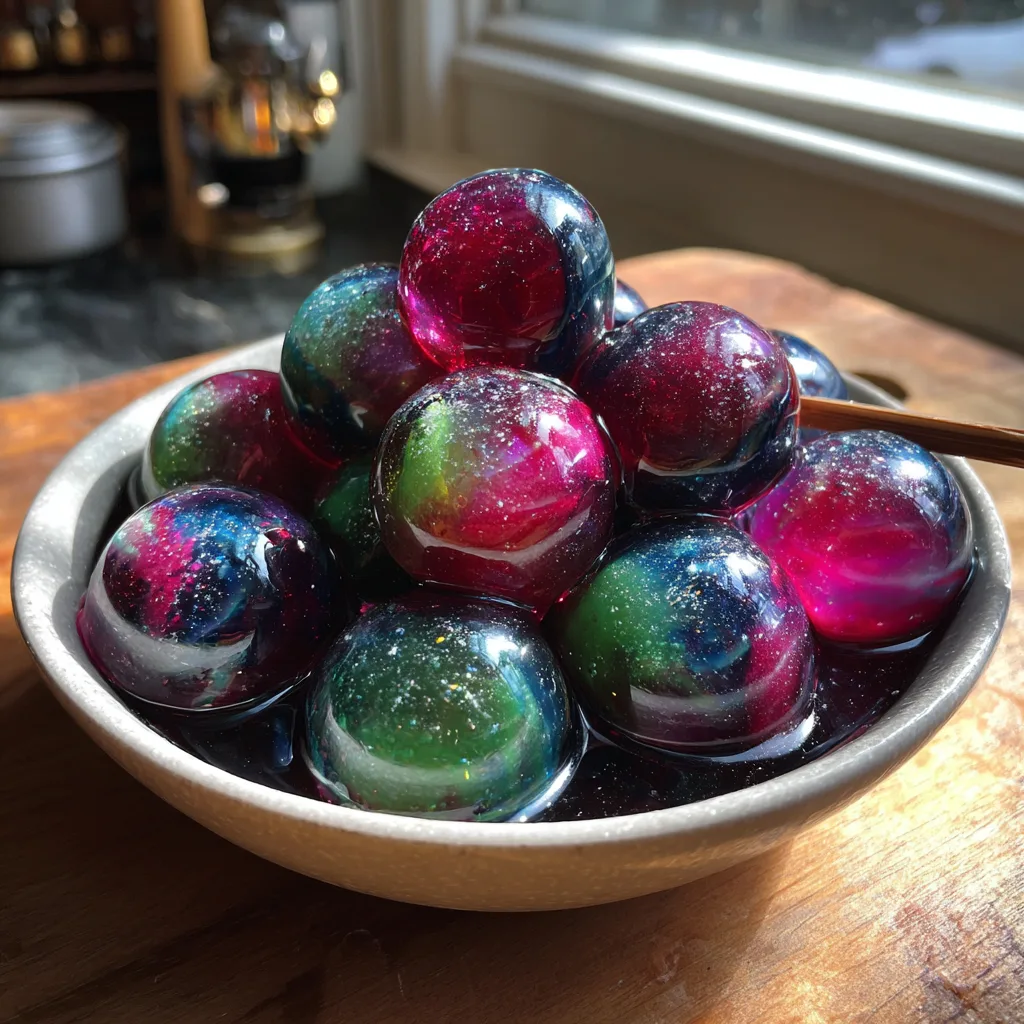
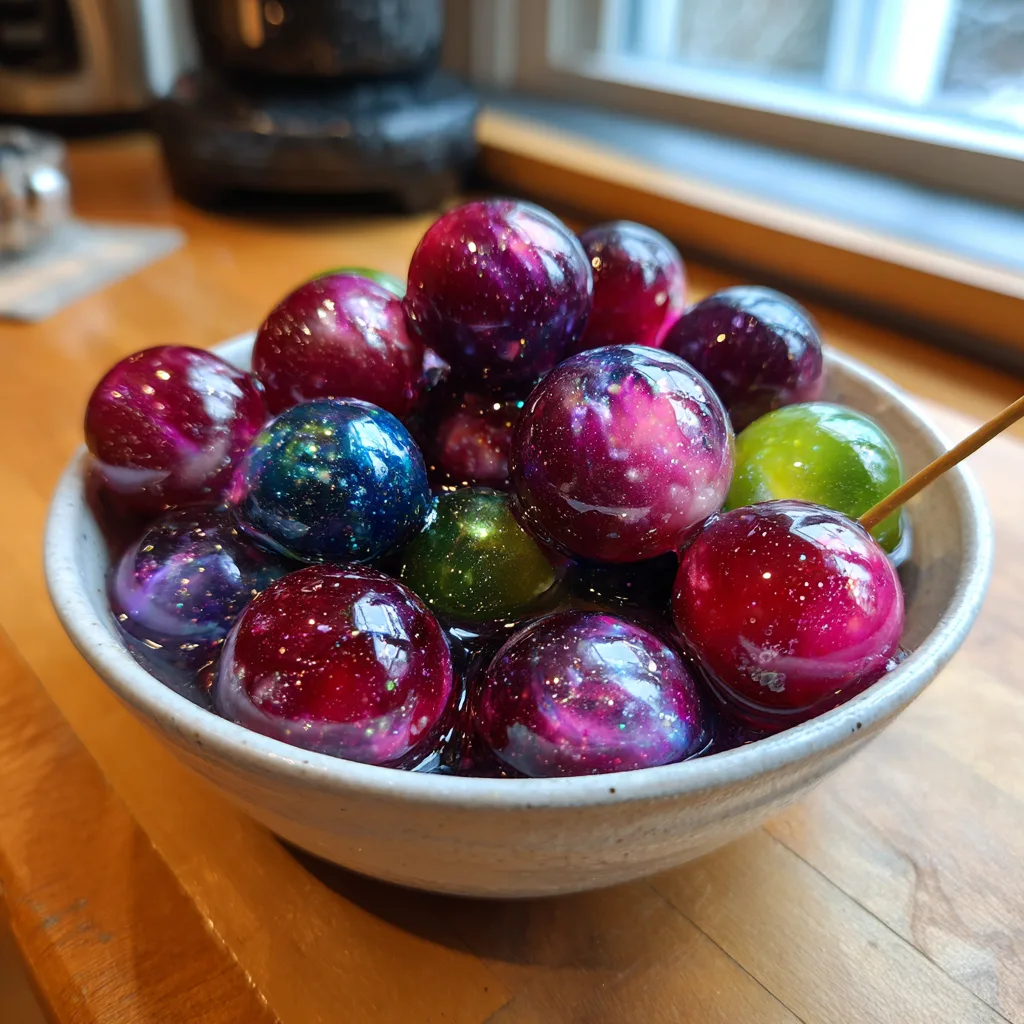
If you have spent any time scrolling through social media food trends recently, you have undoubtedly come across the mesmerizing, crunchy, and visually stunning phenomenon known as candied fruit. Originating from the traditional Chinese street food called Tanghulu, this concept involves taking fresh, juicy fruit and encasing it in a shatteringly crisp, glass-like shell of hardened sugar. Today, we are taking this beloved technique and giving it a spectacular, out-of-this-world twist with our ultimate Galaxy Candy Grapes recipe. These bite-sized treats are not only an explosion of sweet and tart flavors, but they are also an absolute feast for the eyes, swirling with mesmerizing cosmic shades of deep blue, vibrant purple, and electric pink.
Making candy grapes at home might seem intimidating at first glance—especially when dealing with boiling sugar—but armed with the right knowledge, a reliable candy thermometer, and a few essential tips, you will be a sugar-coating master in no time. This comprehensive guide will walk you through the entire process, from selecting the perfect fruit to mastering the hard-crack sugar stage, ensuring your cosmic creations turn out flawlessly glossy and incredibly crunchy every single time.
The Viral Sensation: What Are Galaxy Candy Grapes?
To truly appreciate these intergalactic treats, we need to look at their roots. Tanghulu, a traditional Northern Chinese snack, typically features hawthorn berries skewered on a bamboo stick and coated in a hardened rock sugar syrup. The contrast between the tart, soft fruit inside and the sweet, shattering crunch of the candy shell outside creates a deeply satisfying sensory experience.
The internet took this ancient concept and modernized it, applying the hot sugar syrup to strawberries, tangerine segments, and, most popularly, grapes. Grapes are the perfect canvas for candy coating because their skin provides a sturdy barrier that prevents the hot sugar from cooking the fruit’s interior too quickly, and their natural tartness perfectly balances the intensely sweet shell.
The “Galaxy” twist elevates the visual appeal to new heights. By dropping gel food coloring into the bubbling sugar syrup just before dipping—without fully mixing it in—you create a mesmerizing, swirled, marbled effect that looks like a miniature nebula trapped in glass. The result is a bowl of glittering, jewel-like orbs that are guaranteed to be the star of any party, holiday gathering, or fun weekend project with the family.
Why You Will Absolutely Love This Cosmic Treat
There are countless reasons why these candy grapes have taken the culinary world by storm. Here is why you need to try making them:
First and foremost is the texture. The auditory satisfaction of biting through that thick, glass-like sugar shell, followed immediately by the burst of cold, juicy grape, is simply unmatched. It is a textural masterpiece. Second, they are incredibly customizable. While we are using blue, pink, and purple for a galaxy theme, you can adapt the colors for any holiday—orange and black for Halloween, red and green for Christmas, or pastel colors for Easter.
Finally, they look incredibly impressive but require very few ingredients. You do not need a pantry full of rare items to make these; you just need sugar, water, corn syrup, fruit, and a little bit of food coloring. They are the perfect high-impact, low-ingredient dessert.
Deep Dive: Essential Ingredients for Perfect Candy Grapes
The magic of this recipe lies in the chemistry of the sugar coating. Using the right ingredients in the right proportions is crucial for success. Here is a detailed breakdown of what you need:
The Fruit Foundation
Fresh Grapes: You can use green or red seedless grapes for this recipe. Green grapes tend to be slightly more tart, which provides a sharper contrast to the sweet sugar shell, while red grapes offer a milder, sweeter flavor. The absolute most important factor here is that the grapes must be firm, fresh, and completely, 100% dry. Even a microscopic drop of water on the surface of the grape will cause the hot sugar to seize, crystallize, or slide right off.
The Candy Shell Components
Granulated White Sugar: This is the building block of your candy glass. White granulated sugar melts down clearly and provides the necessary structure for the hard-crack shell.
Light Corn Syrup: Do not skip this ingredient! In candy making, corn syrup acts as an “interfering agent.” Sugar molecules naturally want to bond together and form crystals (which would make your coating grainy and cloudy instead of smooth and glassy). The glucose in corn syrup gets in the way of the sucrose molecules, preventing crystallization and ensuring your candy shell remains perfectly clear, smooth, and beautifully glossy.
Filtered Water: Water is needed to dissolve the sugar and help it cook evenly without burning immediately. The water will entirely boil off during the cooking process, leaving behind pure, molten sugar.
The Galaxy Magic
Gel Food Coloring: To achieve that vibrant, cosmic look, you need high-quality gel food coloring. Liquid food coloring adds too much excess moisture to the hot sugar, which can alter the temperature and texture. Gel colors in deep blue, vibrant purple, and bright pink or magenta will give you the best galactic swirls.
Crucial Equipment You Will Need
Candy making is a science, and having the right tools makes the process infinitely smoother and safer.
- A heavy-bottomed saucepan (stainless steel is best so you can easily see the color of the sugar).
- A candy thermometer (this is non-negotiable; guessing the temperature will lead to sticky, chewy grapes instead of a hard crunch).
- Wooden skewers or heavy-duty toothpicks.
- A baking sheet lined with parchment paper or a silicone baking mat.
- Paper towels for thoroughly drying the grapes.
Ingredients List
Gather these items before you turn on the stove. Everything moves quickly once the sugar reaches the right temperature!
– 2 to 3 cups fresh seedless grapes (green or red)
– 2 cups granulated white sugar
– 1/2 cup light corn syrup
– 1/2 cup water
– Gel food coloring (Blue, Purple, and Pink/Magenta)
Step-by-Step Instructions for Cosmic Candy Grapes
Follow these numbered steps meticulously to achieve the perfect hard-crack candy shell with stunning galaxy swirls.
- Wash and Dry the Fruit: Rinse your grapes thoroughly under cold water. Remove them from the stems. Now, dry them completely. Use paper towels to roll the grapes around until not a single drop of moisture remains. If you have time, let them sit out on a dry towel for an hour to air dry completely. Moisture is the enemy of hard candy.
- Skewer the Grapes: Carefully insert a wooden skewer or a sturdy toothpick into the stem end of each grape. Do not push the skewer all the way through; it should rest securely in the center. Place the skewered grapes on a tray and set them aside.
- Prepare Your Station: Candy making requires you to move fast. Line a large baking sheet with parchment paper or a silicone mat. Have your gel food colors open and ready next to the stove, along with a few toothpicks for swirling.
- Combine the Syrup Ingredients: In your heavy-bottomed saucepan, combine the 2 cups of white sugar, 1/2 cup of light corn syrup, and 1/2 cup of water. Stir the mixture gently just until the sugar is moistened. Once you turn on the heat, do not stir it again!
- Boil to Hard Crack Stage: Place the saucepan over medium-high heat. Attach your candy thermometer to the side of the pan, ensuring the bulb is fully submerged in the liquid but not touching the bottom of the metal pan. Let the mixture boil without stirring. You are looking for the temperature to reach exactly 300°F (150°C), which is the “hard crack” stage. This usually takes about 10 to 15 minutes.
- Add the Galaxy Swirls: The moment the thermometer reads 300°F, immediately remove the saucepan from the heat. Wait about 30 seconds for the rapid boiling bubbles to subside. Carefully add 2 drops of blue, 2 drops of purple, and 1 drop of pink gel food coloring into different spots in the hot syrup. Take a clean skewer and gently swirl the colors just two or three times. Do not over-mix, or the syrup will turn a muddy brown; you want distinct ribbons of color.
- Dip the Grapes: Working quickly and carefully (the sugar is dangerously hot), hold a skewered grape by the stick and carefully dip it into the swirled candy syrup. Tip the pan slightly to pool the syrup if necessary. Twirl the grape rapidly to coat it entirely, then pull it out and let the excess syrup drip back into the pan for a few seconds.
- Cool and Harden: Place the dipped, candy-coated grape onto your prepared parchment-lined baking sheet. Repeat this process rapidly with the remaining grapes. If the sugar syrup becomes too thick to dip as it cools, you can briefly place it back over low heat for a minute to loosen it up.
- Enjoy the Crunch: Let the candy grapes sit at room temperature for about 10 to 15 minutes to harden completely. The coating should be dry to the touch and sound like glass when tapped. Enjoy immediately!
The Science of Sugar: Understanding the Hard Crack Stage
Why is 300°F so important? When you boil sugar syrup, you are evaporating the water. As the water evaporates, the concentration of sugar increases, and the boiling point of the liquid rises. The temperature of the syrup corresponds directly to how the sugar will behave once it cools.
At 235°F (soft-ball stage), the sugar makes fudge and fondant. At 250°F (hard-ball stage), it makes gummies and nougat. At 270°F (soft-crack stage), it makes taffy. But to get that shattering, glass-like crunch that defines a candy grape, you must reach 300°F. At this temperature, almost all the water has evaporated. When this highly concentrated sugar cools, it forms a hard, brittle, glassy structure. If you pull the sugar off the heat at 280°F or 290°F, your grapes will be chewy and stick to your teeth unpleasantly.
Pro Tips for the Perfect Hard Candy Shell
Even with a good recipe, sugar can be finicky. Keep these professional tips in mind:
Never Stir Boiling Sugar: Once the sugar, water, and corn syrup begin to boil, resist the urge to stir it with a spoon. Stirring agitates the sugar molecules and can cause a chain reaction of crystallization, turning your clear syrup into a grainy, sandy mess. If you need to mix it, gently swirl the pan by the handle.
Wash Down the Sides: Sometimes, stray sugar crystals stick to the sides of the saucepan above the boiling liquid. If these crystals fall back into the hot syrup, they can ruin the whole batch. To prevent this, dip a clean pastry brush in water and gently brush down the inside walls of the saucepan early in the boiling process.
Work with Lightning Speed: Once the sugar hits 300°F, it begins to cool and thicken rapidly. You need to dip your grapes efficiently. Having all your grapes skewered and your parchment paper ready is the key to getting them all coated before the sugar hardens in the pot.
Creative Flavor and Color Variations
The beauty of this recipe is that it serves as a foundation for endless creativity. Once you master the basic hard-crack syrup, try these fun variations:
Cotton Candy Grapes: Instead of regular grapes, use the popular “Cotton Candy” grape variety available in many supermarkets. Use light pink and baby blue food coloring to match the carnival flavor profile.
Spicy Cosmic Grapes: For a Mexican-inspired twist (similar to Dulces Enchilados), mix a little bit of Chamoy into the cooled sugar, or immediately dust the wet, freshly dipped grapes with Tajín seasoning before the sugar hardens. The mix of sweet, tart, and spicy is incredible.
Sour Apple Grapes: Use crisp green grapes. Skip the galaxy coloring and instead add a few drops of green food coloring and a half-teaspoon of sour apple candy flavoring oil to the hot syrup at the very end.
Storage, Serving, and Shelf Life
Candy grapes are definitively best enjoyed the exact same day they are made. The magic of the dessert relies on the stark contrast between the dry, crunchy exterior and the wet, juicy interior.
Over time, the natural moisture from the grape will begin to break down the sugar shell from the inside out. If you leave them sitting for too long, the candy coating will begin to weep, become sticky, and eventually dissolve into a syrupy puddle.
Do not put them in the refrigerator! Refrigerators are humid environments. The humidity will instantly turn your hard glass shell into a sticky, tacky mess. If you must store them for a few hours before serving, keep them uncovered on the counter in a cool, dry room, well away from any heat sources or boiling pots of water.
Troubleshooting Common Candy Making Issues
Do not be discouraged if your first batch isn’t absolutely perfect. Sugar work takes practice. Here is how to fix common issues:
My candy coating is sticky and chewy, not crunchy: This is the most common issue, and it means your syrup did not reach a high enough temperature. Your thermometer must hit a true 300°F. Ensure your thermometer is calibrated (you can test it in boiling water; it should read 212°F at sea level).
The sugar crystallized and turned into white sand in the pot: This happens when the sugar molecules bond back together. This is usually caused by stirring the boiling syrup, getting a stray un-melted sugar crystal in the mix, or forgetting the corn syrup. Once sugar crystallizes, it cannot be saved; you must start over.
The candy coating slid right off the grapes: Your grapes were wet. Even a tiny bit of condensation from being in the fridge will act as a lubricant, preventing the hot sugar from adhering to the grape skin. Dry them obsessively next time.
My galaxy colors turned brown or murky: You swirled the food coloring too much. When you mix blue, pink, and purple together completely, they make a muddy brown/gray. You literally just want to drag a toothpick through the drops of color once or twice so they remain separated in the pot.
Frequently Asked Questions
Can I make these without a candy thermometer?
Technically yes, using the “cold water test,” but it is not recommended for beginners. To do the cold water test, you drop a tiny spoonful of the hot syrup into a bowl of ice water. If it instantly hardens into brittle threads that snap when you bend them, it has reached the hard crack stage. A thermometer is vastly more reliable.
Can I use a sugar substitute to make these sugar-free?
Unfortunately, no. Artificial sweeteners like Stevia, Monk Fruit, or Erythritol do not possess the same chemical properties as sucrose and will not melt, boil, and harden into a glass-like structure.
Is it safe for kids to make these?
Kids can absolutely help wash, dry, and skewer the grapes! However, boiling sugar reaches 300 degrees Fahrenheit and causes incredibly severe burns if it touches the skin. The boiling and dipping process should be handled strictly by an adult.
Conclusion
Creating Galaxy Candy Grapes at home is a phenomenally fun culinary project that yields a treat as beautiful as it is delicious. By respecting the science of the hard-crack sugar stage, ensuring your fruit is bone-dry, and having fun with vibrant gel food colorings, you can create a bowl of cosmic magic right in your kitchen. Whether you are chasing the latest viral food trend, making snacks for a space-themed birthday party, or simply craving the ultimate crunchy-sweet snack, these candied grapes are guaranteed to be a stellar success. Enjoy the crunch!
Galaxy Candy Grapes
Ingredients
Equipment
Method
- Wash the grapes thoroughly and dry them completely with paper towels. Ensure zero moisture remains. Insert a skewer into each grape.
- Line a baking sheet with parchment paper and set aside.
- In a heavy-bottomed saucepan, combine the sugar, corn syrup, and water. Stir gently just to combine.
- Attach a candy thermometer to the pan. Cook over medium-high heat without stirring until the mixture reaches 300°F (hard crack stage).
- Immediately remove from heat. Add a few drops of blue, purple, and pink gel food coloring. Use a skewer to gently swirl the colors 2-3 times (do not fully mix).
- Working very quickly, dip each skewered grape into the hot sugar syrup, twirling to coat completely. Let excess drip off.
- Place the coated grapes on the parchment paper to harden. They will set in about 10-15 minutes.
- Serve immediately for the best crunch. Do not refrigerate.