Tender Beef Bao Buns
The Ultimate Guide to Making the Best Tender Beef Bao Buns at Home
There is an unparalleled, universal comfort found in biting into a freshly steamed, pillowy-soft bao bun. When that cloud-like exterior gives way to a piping hot, incredibly savory, sweet, and glossy meat filling, it is nothing short of culinary magic. While pork has traditionally dominated the baozi scene, there is a rich, robust depth of flavor that only beef can provide. Today, we are diving deep into the art of making the best Tender Beef Bao Buns you will ever taste. These buns are characterized by their pristine, fluffy white dough and a juicy, umami-packed minced beef filling that boasts a delectable sauce pooling in every crevice. If you have ever been intimidated by the prospect of working with yeast or folding dumplings, this comprehensive guide will walk you through every single step, ensuring your homemade bao rivals those of the finest dim sum restaurants.
Making bao buns at home is a deeply rewarding process. It is a tactile experience that engages all the senses—from the earthy aroma of blooming yeast to the satisfying feeling of kneading a smooth, elastic dough, and finally, the intoxicating scent of ginger, garlic, and soy sauce sizzling together. This recipe is designed to be accessible for home cooks while utilizing authentic techniques that guarantee a tender, juicy filling and a dough that never turns out dense or chewy. Let us explore the rich history, the essential science, and the foolproof methods for creating these spectacular Tender Beef Bao Buns.
The Cultural and Culinary Heritage of Baozi
To truly appreciate a great bao bun, it is essential to understand its origins. Baozi, or simply bao, translates to “bun” and represents a vast category of filled, steamed buns in Chinese cuisine. Legend traces the invention of the bao back to the Three Kingdoms period (around the 3rd century AD), attributed to the brilliant military strategist Zhuge Liang. According to folklore, Zhuge Liang invented the steamed bun to cure his soldiers of a plague, offering the dough shaped like human heads to the river deities to ensure a safe crossing.
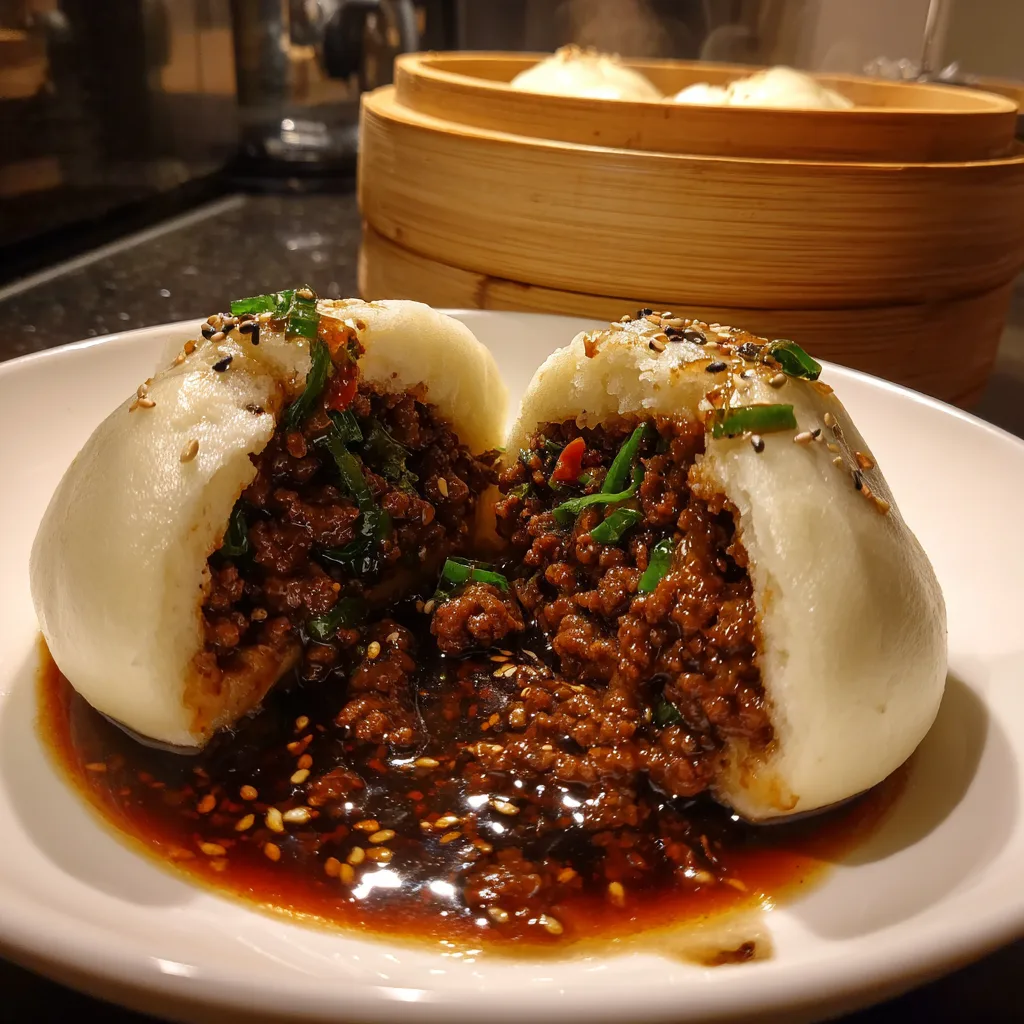
Over the centuries, baozi evolved from a survival ration into a cornerstone of Chinese culinary arts. They became a staple breakfast item, a popular street food, and a beloved dim sum classic. Different regions of China developed their own unique variations. In the north, where wheat is the dominant crop, buns tend to be larger and heartier. In the south, you will find smaller, more delicate buns, often with sweeter fillings. The Tender Beef Bao sits beautifully in the middle—hearty enough to be a meal, yet refined enough to be served at a banquet. The use of beef, specifically flavored with soy, oyster sauce, and sesame, draws inspiration from both Cantonese dim sum flavors and northern-style hearty meat buns.
The Science of the Cloud-Like Dough
The hallmark of a perfect bao bun is its texture. It should be incredibly light, slightly chewy, and a brilliant, opaque white. Achieving this requires understanding the delicate balance of your dough ingredients.
The Flour: While you can use standard all-purpose flour, authentic bao shops often use low-protein flour (like cake flour or specialized bao flour) combined with a starch (like cornstarch or wheat starch). The lower protein content means less gluten development. Less gluten results in a softer, more tender crumb that easily yields when you take a bite, rather than fighting back with a tough chew. If you only have all-purpose flour, you can mimic this effect by replacing two tablespoons of flour with two tablespoons of cornstarch for every cup used.
The Leavening Agents: Great bao dough relies on a double leavening process. We use active dry yeast or instant yeast to provide the primary rise, which gives the dough its airy structure and complex, slightly fermented flavor. However, to achieve that signature explosive fluffiness in the steamer, many recipes also incorporate a small amount of baking powder. The baking powder activates upon contact with the heat of the steam, providing a final, rapid lift that ensures the dough doesn’t turn dense.
The Fat and Sugar: A touch of sugar is vital. It not only feeds the yeast to ensure a robust rise but also gives the dough a subtle sweetness that perfectly counterbalances the salty, savory beef filling. Additionally, adding a small amount of fat—like neutral cooking oil or even melted lard—tenderizes the dough, keeping it soft and moist even after it cools down.
Crafting the Perfect Tender Beef Filling
The filling is the soul of the bao. A common mistake when making beef buns is ending up with a dry, hard meatball inside a massive ring of dough. To achieve the juicy, glossy, loose filling seen in the best restaurants, we employ a few crucial techniques.
Selecting the Meat: You want ground beef with a decent fat content. An 80/20 ground chuck is ideal. Lean ground beef (90/10 or higher) will lack the necessary fat to create that dripping, luscious sauce we desire. The fat melts during the cooking process, basting the meat from the inside out and mixing with the seasonings to create a rich gravy.
The Water-Stirring Technique (Da Shui): This is the most critical secret to a juicy filling. You must incorporate liquid directly into the raw ground meat before cooking. By adding water (or ideally, a fragrant ginger-scallion water) to the beef a few tablespoons at a time and stirring vigorously in one single direction, the meat proteins break down and absorb the liquid. The mixture will transform from crumbly ground beef to a sticky, cohesive, pudding-like paste. When this paste is steamed, the absorbed liquid is released, creating an explosion of soup-like juice inside the bun.
Aromatics and Seasonings: The flavor profile of our beef filling relies on classic Asian aromatics. Freshly minced ginger and garlic provide a zesty bite that cuts through the richness of the beef. Dark soy sauce is used for its deep mahogany color, while light soy sauce provides the salty umami base. Oyster sauce adds sweetness and a thick, velvety texture. A generous drizzle of toasted sesame oil at the very end of the mixing process locks in all the flavors and adds a deeply roasted, nutty aroma.
Ingredients You Will Need
– For the Bao Dough:
- – 3 cups all-purpose flour (or specialized bao flour)
- – 1 cup warm water (about 110°F/45°C)
- – 2 teaspoons active dry yeast
- – 2 tablespoons granulated sugar
- – 1 tablespoon neutral oil (like canola or vegetable oil)
- – 1 teaspoon baking powder
- – 1/4 teaspoon salt
– For the Tender Beef Filling:
- – 1 lb (450g) ground beef (80% lean)
- – 1/4 cup water or beef broth
- – 2 tablespoons light soy sauce
- – 1 tablespoon dark soy sauce
- – 1 tablespoon oyster sauce
- – 1 tablespoon toasted sesame oil
- – 1 teaspoon sugar
- – 1/2 teaspoon white pepper
- – 2 cloves garlic, finely minced
- – 1 tablespoon fresh ginger, grated
- – 3 stalks scallions (green onions), finely chopped
- – 1 tablespoon cornstarch
Step-by-Step Instructions
- Activate the Yeast: In a small bowl, combine the warm water, yeast, and 1 tablespoon of the sugar. Stir gently and let it sit for 5 to 10 minutes until the mixture becomes frothy and bubbly. This indicates your yeast is alive and active.
- Mix the Dough: In a large mixing bowl, whisk together the flour, remaining sugar, baking powder, and salt. Make a well in the center and pour in the yeast mixture and the neutral oil. Use a wooden spoon or chopsticks to stir until a shaggy dough forms.
- Knead the Dough: Turn the dough out onto a clean, lightly floured surface. Knead the dough vigorously for about 8 to 10 minutes. You want the dough to transform from a rough, sticky mass into a perfectly smooth, elastic, and supple ball. If the dough is too sticky, add flour one tablespoon at a time.
- First Proof: Lightly oil a large bowl, place your dough ball inside, and cover it with a damp kitchen towel or plastic wrap. Place the bowl in a warm, draft-free spot and let it rise for 1 to 1.5 hours, or until it has completely doubled in size.
- Prepare the Beef Filling: While the dough is rising, place the ground beef in a large bowl. Gradually add the 1/4 cup of water (or broth) one tablespoon at a time, using a pair of chopsticks to stir the meat vigorously in ONE direction. Keep stirring until all the liquid is absorbed and the meat looks pale and sticky.
- Season the Meat: To the sticky beef mixture, add the light soy sauce, dark soy sauce, oyster sauce, sugar, white pepper, minced garlic, and grated ginger. Continue to stir vigorously in that same single direction until fully incorporated. Finally, fold in the chopped scallions, cornstarch, and sesame oil. Cover the filling and place it in the refrigerator to chill. Chilling the meat makes it much easier to wrap later.
- Portion the Dough: Once the dough has doubled in size, punch it down to release the air bubbles. Turn it out onto your surface and knead it for another 2 minutes to ensure a smooth texture. Roll the dough into a long log and cut it into 12 equal-sized pieces. Cover the pieces with a damp cloth so they do not dry out.
- Roll the Wrappers: Take one piece of dough and press it flat with your palm. Use a rolling pin to roll it into a circle about 4 to 5 inches in diameter. The crucial technique here is to roll the edges thinner than the center. The thicker center will support the heavy, juicy meat filling, while the thinner edges will gather easily to form the pleats.
- Wrap the Bao: Place a generous spoonful of the chilled beef filling into the center of the wrapper. Using your thumb and index finger of your dominant hand, pinch the edge of the dough and begin making small pleats, rotating the bun with your other hand. Continue pleating all the way around until the bun is completely sealed at the top. Pinch the top firmly to ensure no juices escape during cooking.
- Second Proof: Place each finished bun on a small square of parchment paper. Place them inside your bamboo steamer basket, leaving at least 2 inches of space between each bun, as they will expand significantly. Cover the steamer and let the buns rest for 20 to 30 minutes for their second rise. They should look puffy and slightly larger.
- Steam to Perfection: Bring a wok or large pot of water to a rolling boil. Place the bamboo steamer over the boiling water. Steam the buns over medium-high heat for 12 to 15 minutes. Crucial step: Do not open the lid immediately! Once the time is up, turn off the heat and let the steamer sit for 5 minutes before opening. The sudden drop in temperature from opening the lid immediately can cause the fluffy buns to collapse and wrinkle.
- Serve Hot: Carefully remove the lid, taking care not to drip condensation onto the buns. Serve immediately while piping hot and exceptionally juicy!
Troubleshooting Common Bao Buns Issues
Even experienced bakers can run into issues when steaming buns. Here is how to conquer the most common pitfalls:
Wrinkled or Collapsed Skins: This is the most heartbreaking issue. You steam a beautiful bun, and the moment you take it out, it shrivels up. This is almost always caused by a sudden change in temperature. Opening the steamer lid too quickly exposes the hot, expanded dough to cool room-temperature air, causing a vacuum effect that shrinks the dough. Always let the buns rest in the steamer with the heat off for 5 minutes.
Yellow Spots on the Dough: If your beautiful white dough has ugly yellow splotches after steaming, your baking powder was likely not mixed evenly into the flour. Ensure you whisk your dry ingredients thoroughly before adding the wet ingredients.
Dough is Too Chewy/Tough: This usually means the dough was over-kneaded (if using high-protein flour) or it didn’t have enough time for its second proof. The second resting period right before steaming is critical for ensuring a light, airy texture.
Exciting Variations and Cooking Methods
While steaming is the classic method for baozi, you can take these Tender Beef Buns to the next level by pan-frying them, a style known as Sheng Jian Bao.
To Pan-Fry: Heat two tablespoons of oil in a large, non-stick skillet with a tight-fitting lid over medium heat. Place the raw, proofed buns into the pan and fry the bottoms for 2 to 3 minutes until they are golden brown and crispy. Then, carefully pour 1/2 cup of water into the pan and immediately cover it with the lid. Let the buns steam in the skillet for 10 minutes until the water evaporates. Remove the lid and let them fry for one more minute to re-crisp the bottoms. This dual-texture experience—a fluffy, steamed top and a crunchy, oily, fried bottom—is absolutely spectacular.
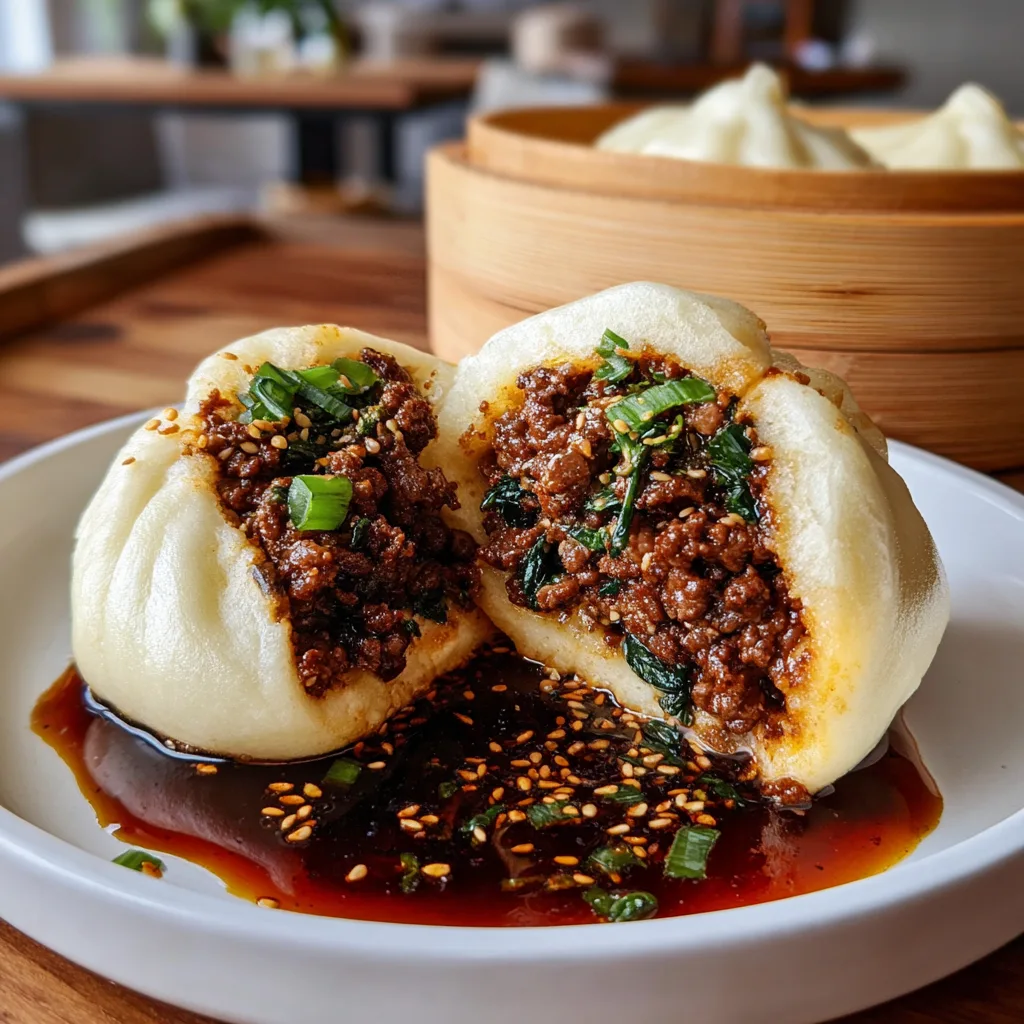
If you wish to experiment with fillings, this beef base is highly adaptable. You can mix in finely diced shiitake mushrooms, water chestnuts for crunch, or even a handful of glass noodles to soak up the savory beef juices.
Storing and Reheating for Maximum Freshness
Bao buns are incredible for meal prep because they freeze beautifully. It is actually better to freeze them after they have been fully cooked rather than freezing the raw dough.
Once your steamed buns have cooled completely to room temperature, place them on a baking sheet and freeze them until solid (about 2 hours). Then, transfer them to an airtight freezer bag. They will keep in the freezer for up to three months.
When you are ready to eat, skip the microwave! Microwaving will turn the delicate dough tough and rubbery. Instead, place the frozen buns directly into a steamer basket and steam for 10 to 12 minutes until heated through. They will taste exactly as fresh and fluffy as the day you made them.
Conclusion
Mastering the Tender Beef Bao Bun at home is an achievement that brings immense joy to both the cook and anyone lucky enough to sit at your table. The contrast between the pillowy, cloud-like dough and the intensely savory, juicy beef filling creates a bite that is deeply satisfying. While the process requires patience and a little bit of technique, the results are exponentially better than anything you can buy in the freezer aisle. Gather your ingredients, embrace the art of folding, and get ready to enjoy the most spectacular homemade bao buns of your life!
Tender Beef Bao Buns
Ingredients
Equipment
Method
- Activate yeast by mixing it with warm water and a pinch of sugar. Let sit for 5-10 minutes until frothy.
- In a large bowl, whisk flour, sugar, baking powder, and salt. Add yeast mixture and oil. Stir, then knead for 8-10 minutes until smooth and elastic.
- Place dough in an oiled bowl, cover, and let rise for 1 to 1.5 hours until doubled in size.
- For the filling: place ground beef in a bowl. Slowly add water/broth while vigorously stirring in one direction until liquid is absorbed and meat is sticky.
- Add soy sauces, oyster sauce, sugar, white pepper, garlic, and ginger. Stir vigorously in the same direction. Fold in scallions, cornstarch, and sesame oil. Chill filling.
- Punch down the doubled dough, knead briefly, and divide into 12 equal pieces.
- Roll each piece into a 4-5 inch circle, keeping the edges thinner than the center.
- Place a spoonful of beef filling in the center. Pleat the edges of the dough to seal the bun tightly at the top.
- Place buns on parchment squares in a steamer. Cover and let rest for 20-30 minutes for a second rise.
- Steam over boiling water for 12-15 minutes. Turn off heat and LEAVE LID ON for 5 minutes before opening to prevent deflation.
- Serve hot and enjoy the juicy filling!