Korean Sticky Chicken Bites
The Ultimate 20-Minute Korean Sticky Chicken Bites Recipe
Introduction: A Flavor Explosion in Every Bite
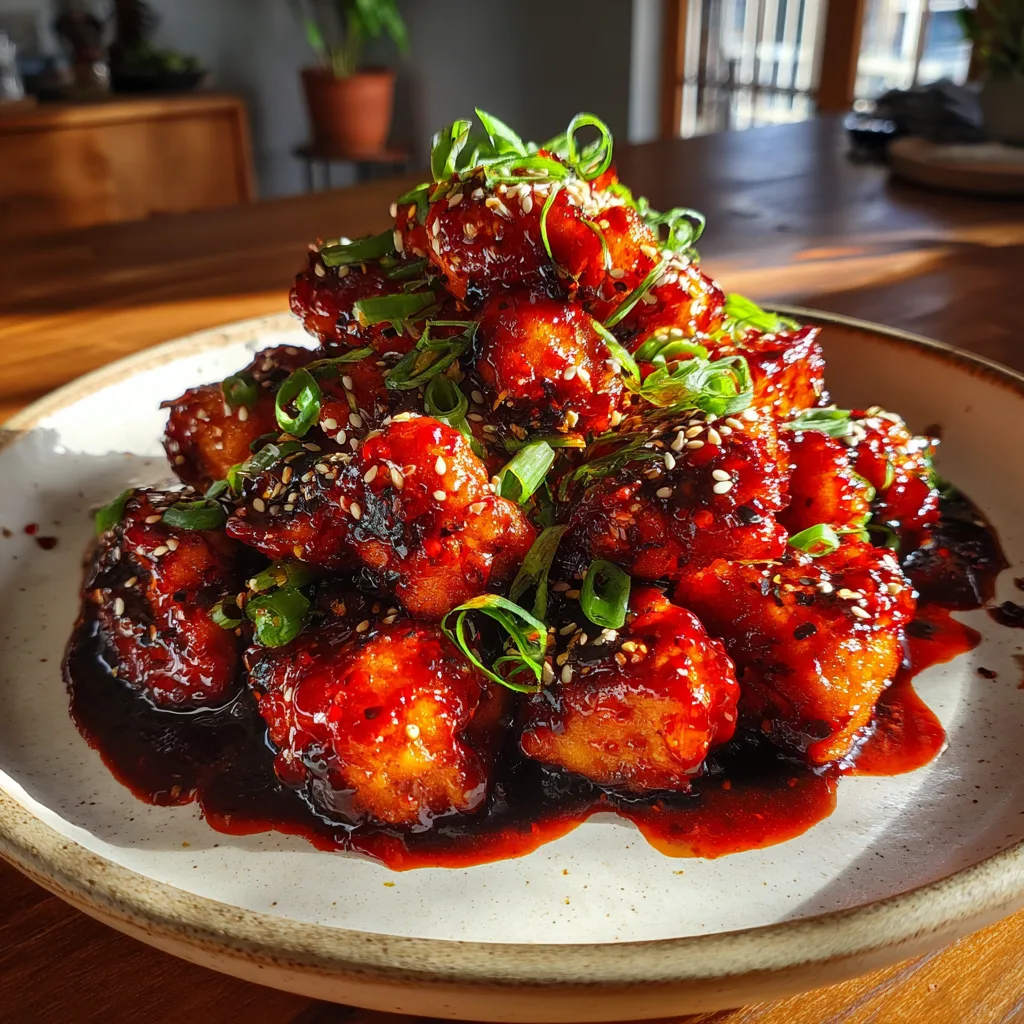
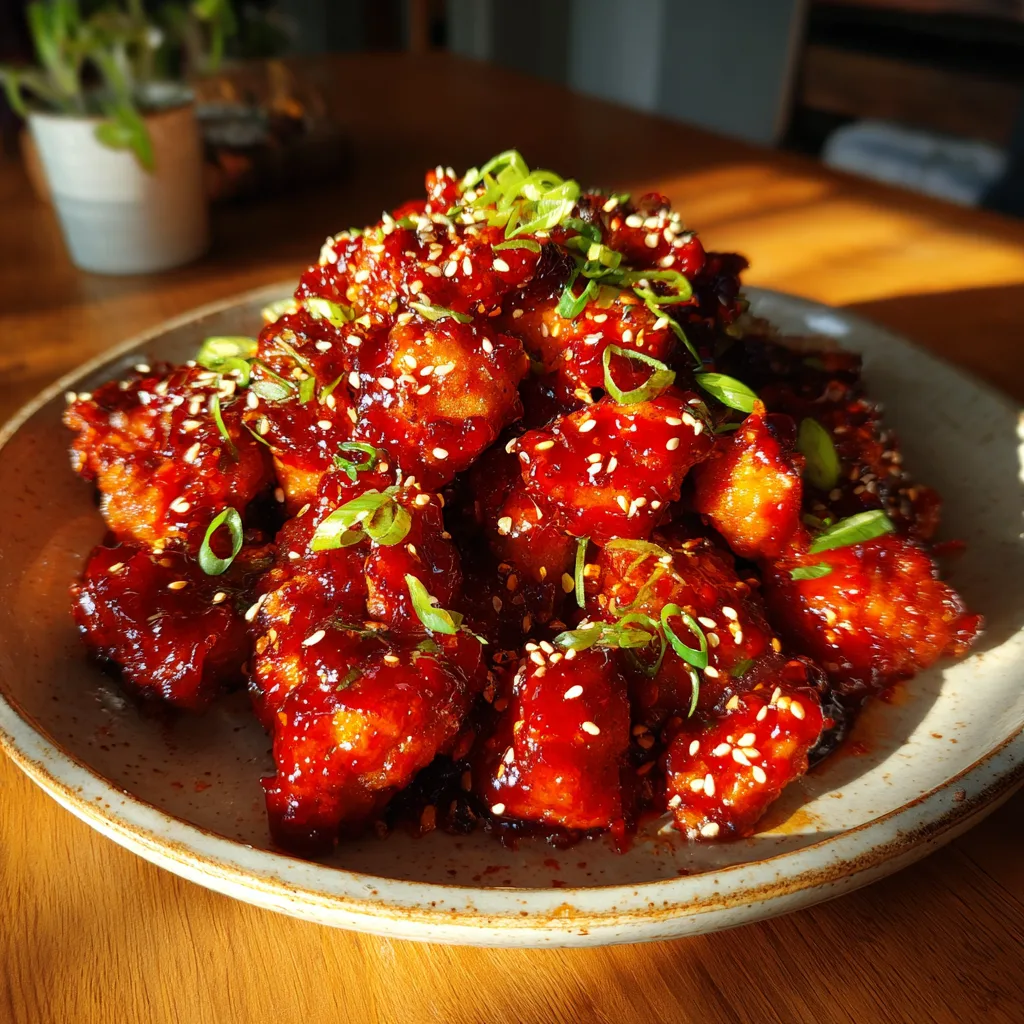
If you are looking for a dinner that hits every single flavor note—sweet, spicy, savory, and umami—you have just found your new favorite weeknight staple. These Korean Sticky Chicken Bites are the ultimate solution for those evenings when you want takeout but do not want to wait for delivery or pay restaurant prices. In less time than it takes to watch an episode of your favorite sitcom, you can have a steaming, glossy plate of incredibly flavorful chicken ready to be devoured.
What makes this recipe truly stand out is its beautiful simplicity. With just a handful of pantry staples and some fresh chicken, you can create a sauce that tastes like it has been simmering for hours. The star of the show is, without a doubt, the gochujang. This fermented Korean chili paste brings a depth of flavor that simple hot sauce or chili flakes simply cannot replicate. It provides a foundational heat that warms the palate rather than scorching it, beautifully balanced by the rich molasses notes of brown sugar, the salty bite of soy sauce, and the nutty aroma of toasted sesame oil.
Whether you are cooking for a family, prepping meals for the week, or just treating yourself to a fantastic solo dinner, this recipe delivers on all fronts. It is highly adaptable, incredibly forgiving, and virtually foolproof. Read on to discover the secrets to achieving that perfect, sticky, glass-like glaze and tender, juicy chicken every single time.
Understanding the Magic of Gochujang
To truly appreciate Korean Sticky Chicken Bites, one must understand its core ingredient: gochujang. For the uninitiated, gochujang is a thick, crimson-red paste made from chili powder (gochugaru), glutinous rice, fermented soybeans, and salt. Traditionally, it is fermented for years in large earthenware pots called onggi, often kept outdoors in the Korean sunlight. This extensive fermentation process is what gives the paste its complex, savory, and slightly sweet flavor profile.
Unlike Western hot sauces that rely heavily on vinegar for a sharp, acidic tang, gochujang brings a deep, earthy umami flavor alongside its heat. The glutinous rice in the paste provides a natural sweetness and a sticky texture, which is exactly why it is the perfect base for our chicken glaze. When heated, the sugars in the gochujang and the added brown sugar begin to caramelize, creating that sought-after “liquid glass” coating that clings to every nook and cranny of the chicken.
When shopping for gochujang, you will typically find it in small, red rectangular tubs in the Asian aisle of most major supermarkets or at your local Asian grocer. Pay attention to the heat level indicated on the packaging, as it can range from mild to extremely hot. For this recipe, a medium heat level is usually a safe bet, allowing the other flavors of soy and sesame to shine through without overpowering the dish with spice.
Why You Will Love This Recipe
There are countless chicken recipes on the internet, so why should this one earn a permanent spot in your culinary rotation? Here are a few compelling reasons:
- Lightning Fast: From cutting board to plate, this entire meal takes about 20 minutes. The chicken cooks quickly because it is cut into bite-sized pieces, and the sauce thickens in mere minutes.
- Minimal Ingredients: You only need five main ingredients (plus the chicken) to create this masterpiece. There is no endless list of obscure spices required.
- Restaurant Quality at Home: The combination of these specific ingredients yields a highly professional-tasting dish. The sticky, glossy finish looks and tastes like something you would order at a high-end Korean fusion restaurant.
- Versatility: These bites are fantastic over a bed of fluffy white rice, tucked into lettuce cups, skewered for party appetizers, or even wrapped inside a warm tortilla for a Korean-Mexican fusion taco.
- Incredible Texture: By searing the chicken perfectly before adding the glaze, you achieve a delightful textural contrast—slightly crispy on the outside, tender on the inside, and entirely enveloped in a thick, sticky sauce.
Ingredients You Will Need
Gathering your ingredients before you start (a practice known as mise en place) will make this quick recipe even smoother. Here is exactly what you need:
- – 450g (about 1 lb) Chicken (boneless, skinless breasts or thighs work perfectly)
- – 60g (about 3-4 tbsp) Gochujang (Korean chili paste)
- – 2 tbsp Soy sauce (use low-sodium if you prefer to control the salt content)
- – 1 tbsp Brown sugar (packed, light or dark both work fine)
- – 1 tbsp Sesame oil (toasted, for that rich, nutty aroma)
- – Green onions (scallions), finely sliced for garnish
- – Sesame seeds (white or black, preferably toasted) for garnish
- – A splash of neutral cooking oil (like canola, vegetable, or avocado oil) for the pan
Step-by-Step Instructions
Follow these simple steps to achieve sticky chicken perfection. The key is to manage your heat so the chicken cooks beautifully without burning the sugars in the sauce.
- Prepare the Chicken: Start by patting your chicken completely dry with paper towels. Moisture is the enemy of a good sear. Cut the chicken into uniform, bite-sized pieces, roughly 1-inch cubes. This ensures they cook evenly and quickly.
- Cook the Chicken: Heat a large skillet or wok over medium-high heat. Add a small drizzle of neutral cooking oil. Once the oil is shimmering and hot, add the chicken pieces in a single layer. Do not overcrowd the pan; cook in batches if necessary. Let the chicken sit undisturbed for 2-3 minutes to develop a golden-brown crust, then toss and continue cooking until golden all over and cooked through entirely (internal temperature of 165°F or 74°C).
- Mix the Sticky Sauce: While the chicken is cooking, grab a small mixing bowl. Combine the gochujang, soy sauce, brown sugar, and toasted sesame oil. Whisk them vigorously until you have a smooth, homogeneous paste. If the gochujang is particularly stiff, you can add a tiny splash of warm water to help it blend.
- Glaze the Chicken: Once the chicken is thoroughly cooked, reduce the heat to low. Pour your prepared sauce mixture directly over the hot chicken in the skillet. Toss the chicken continuously. The sauce will begin to bubble, simmer, and thicken almost immediately as the sugars reduce. Continue tossing for 1-2 minutes until every piece of chicken is coated in a thick, glossy, sticky glaze. Remove from heat immediately to prevent the sugars from burning.
- Garnish and Serve: Transfer the sticky chicken bites to a serving platter. Immediately sprinkle generously with sliced green onions and toasted sesame seeds. The heat from the chicken will slightly release the oils in the sesame seeds and the aroma of the scallions. Serve hot!
Pro Tips for the Perfect Sticky Glaze
While this recipe is beautifully straightforward, there are a few culinary secrets that can elevate your dish from good to breathtaking:
1. The Maillard Reaction is Crucial: The flavor of this dish relies heavily on getting a good sear on the chicken before the sauce is added. The Maillard reaction—the browning of proteins—creates complex savory flavors that pair perfectly with the sweet and spicy glaze. Ensure your pan is hot and your chicken is dry before it hits the oil.
2. Control Your Heat: Brown sugar and gochujang both contain high amounts of sugar. Sugar burns quickly. The moment you pour the sauce into the pan, make sure your heat is turned down to low. You want the sauce to simmer gently and thicken into a glaze, not turn into a bitter, scorched mess.
3. Use Thighs for Extra Juiciness: While chicken breasts work wonderfully and are very lean, chicken thighs contain more fat and connective tissue. This means they are inherently more forgiving if slightly overcooked and will result in a richer, juicier bite that stands up incredibly well to the robust sauce.
Recipe Variations and Substitutions
One of the best aspects of this Korean Sticky Chicken recipe is how easily it can be adapted to suit different dietary needs or flavor preferences.
Make it Gluten-Free: Traditional gochujang often contains wheat or gluten as a byproduct of the fermentation process, and standard soy sauce is brewed with wheat. To make this dish completely gluten-free, substitute the standard soy sauce with Tamari or coconut aminos, and actively seek out a certified gluten-free brand of gochujang (they are becoming increasingly available in health food stores and online).
Adjust the Spice Level: If you love heat, feel free to add a pinch of Korean chili flakes (gochugaru) or a dash of your favorite hot sauce to the glaze. If you have a lower tolerance for spice, look for “mild” gochujang, or increase the brown sugar slightly to balance the heat. You can also add a tablespoon of honey for a smoother, floral sweetness.
Vegetarian/Vegan Options: The sticky sauce is entirely plant-based and works miracles on other proteins! Swap the chicken for firm, pressed tofu (tossed in cornstarch and pan-fried until crispy), cauliflower florets (roasted until tender), or even thick slices of king oyster mushrooms. The methodology remains exactly the same.
What to Serve with Korean Sticky Chicken Bites
These intensely flavorful bites beg for the right side dishes to create a balanced meal. The bold, spicy, sweet, and salty notes of the chicken pair best with sides that offer a cooling, starchy, or acidic contrast.
- Steamed Rice: This is the classic, non-negotiable pairing. Short-grain sticky rice (sushi rice) or jasmine rice acts as a blank canvas, soaking up the extra glossy sauce perfectly.
- Quick Pickled Radishes (Chicken-mu): In Korea, fried and glazed chicken is almost universally served with cubed, pickled daikon radishes. The cold, sweet, and sour crunch cuts through the rich, spicy glaze beautifully, refreshing your palate between bites.
- Cucumber Salad: A simple salad of thinly sliced cucumbers tossed in rice vinegar, a pinch of sugar, and sesame seeds provides a wonderful cooling element.
- Steamed Broccoli or Bok Choy: For a healthy green addition, simple steamed vegetables offer a clean, crisp contrast to the heavy, savory chicken.
How to Store and Reheat Leftovers
If you happen to have leftovers (which is a rare occurrence!), proper storage and reheating are key to maintaining the quality of the dish.
Storage: Allow the chicken to cool completely to room temperature. Transfer it to an airtight container and store it in the refrigerator for up to 3-4 days. The sauce may thicken further as it chills, which is completely normal.
Reheating: For the best results, reheat the chicken on the stovetop. Place the chicken in a skillet over low heat. Add a tiny splash of water (just a teaspoon or two) to help loosen the glaze. Cover with a lid for a minute to let the steam heat the chicken through, then remove the lid and toss until the sauce is glossy and warm again. You can use a microwave in a pinch, heating in 30-second bursts, but the chicken may lose some of its texture.
Frequently Asked Questions (FAQs)
Can I bake or air-fry the chicken instead of pan-frying?
Yes, absolutely! For a slightly healthier twist, you can toss the chicken pieces in a little oil and air fry them at 400°F (200°C) for about 10-12 minutes, shaking halfway, until cooked through. Alternatively, bake them at 400°F on a lined baking sheet for 15-20 minutes. Once cooked, toss them in a warm skillet with the sauce as directed in the recipe.
Why is my sauce not thickening?
If your sauce feels too thin, simply let it simmer over low heat for another minute or two. The reduction process, combined with the sugars in the gochujang and brown sugar, will naturally thicken the sauce. Conversely, if it gets too thick too quickly, a small splash of water will loosen it up nicely.
Do I have to use sesame oil?
While toasted sesame oil gives this dish a distinct and authentic nutty flavor, if you have an allergy or simply run out, you can omit it. The dish will still be delicious, relying more heavily on the gochujang and soy profiles, but you will miss that signature aromatic finish.
Conclusion
Cooking incredibly flavorful, restaurant-quality meals at home does not have to be a daunting or time-consuming task. With just a few basic ingredients and 20 minutes of your time, these Korean Sticky Chicken Bites prove that massive flavor can come from simple techniques. The beautiful alchemy of spicy gochujang, sweet brown sugar, salty soy, and aromatic sesame creates a glaze that you will want to put on absolutely everything. So, fire up your skillet, prep your ingredients, and get ready to enjoy one of the most satisfying, sticky, and delectable chicken dinners you have ever made. Happy cooking!
Korean Sticky Chicken Bites
Ingredients
Equipment
Method
- Cut the chicken into bite-sized pieces and pat completely dry.
- Heat a small amount of neutral oil in a skillet or wok over medium-high heat. Add the chicken pieces and cook until golden brown and cooked through (about 8-10 minutes).
- In a small bowl, whisk together the gochujang, soy sauce, brown sugar, and sesame oil until completely combined.
- Reduce the heat to low. Pour the sauce mixture over the cooked chicken in the skillet.
- Simmer and toss continuously for 1-2 minutes until the sauce thickens and tightly coats the chicken pieces in a sticky glaze. Remove from heat immediately to prevent burning.
- Garnish with freshly sliced green onions and toasted sesame seeds. Serve hot immediately.