Spicy Salmon Sushi Bake
Spicy Salmon Sushi Bake: The Ultimate Deconstructed Sushi Experience
If you love the flavors of a classic spicy salmon roll but lack the specialized equipment, time, or patience required to roll sushi at home, the Spicy Salmon Sushi Bake is about to revolutionize your meal rotation. This dish has taken the culinary internet by storm, and for good reason. It takes all the beloved components of your favorite Japanese restaurant staple—seasoned sticky rice, rich and savory seafood, creamy spicy mayo, and crunchy toppings—and layers them into a single, easy-to-make casserole. Served warm and scooped into crispy sheets of roasted seaweed, it is a fun, interactive, and deeply comforting meal that is perfect for family dinners, potlucks, or casual weekends at home.
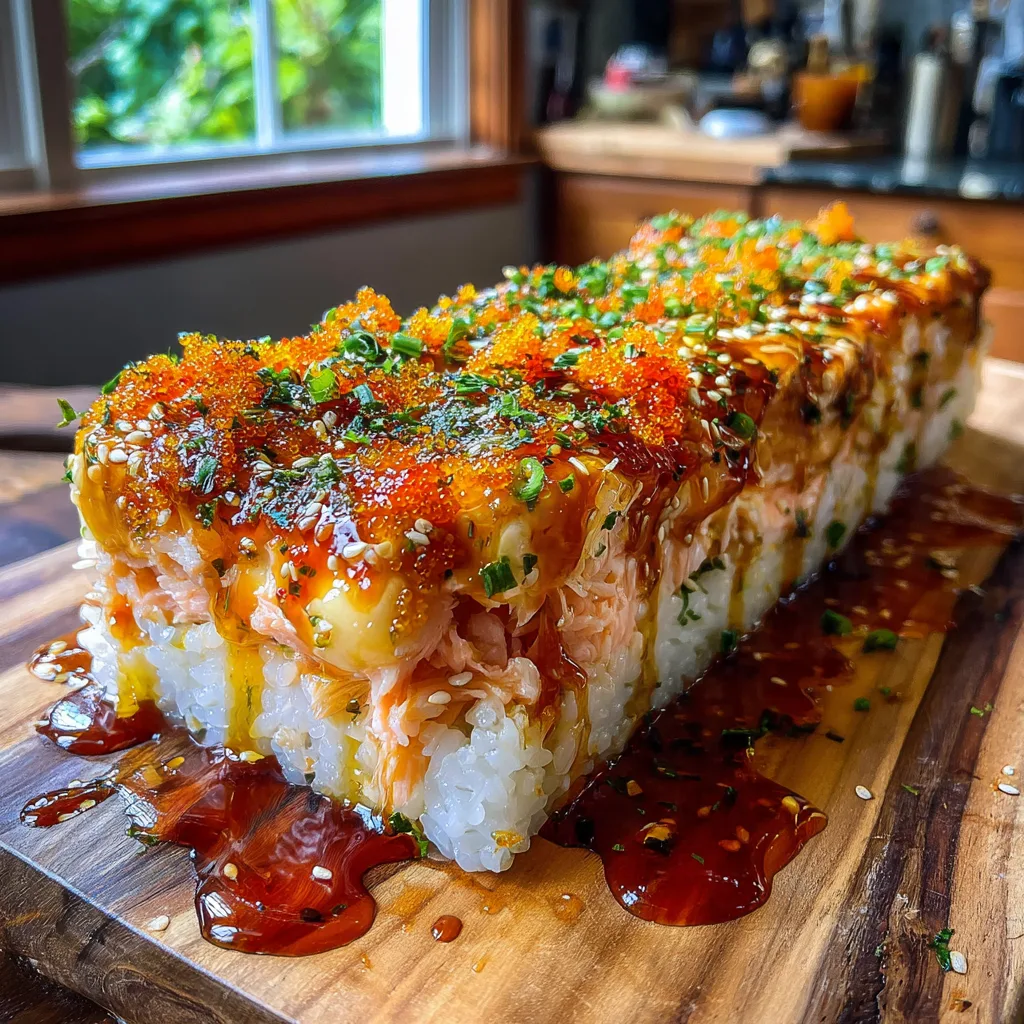
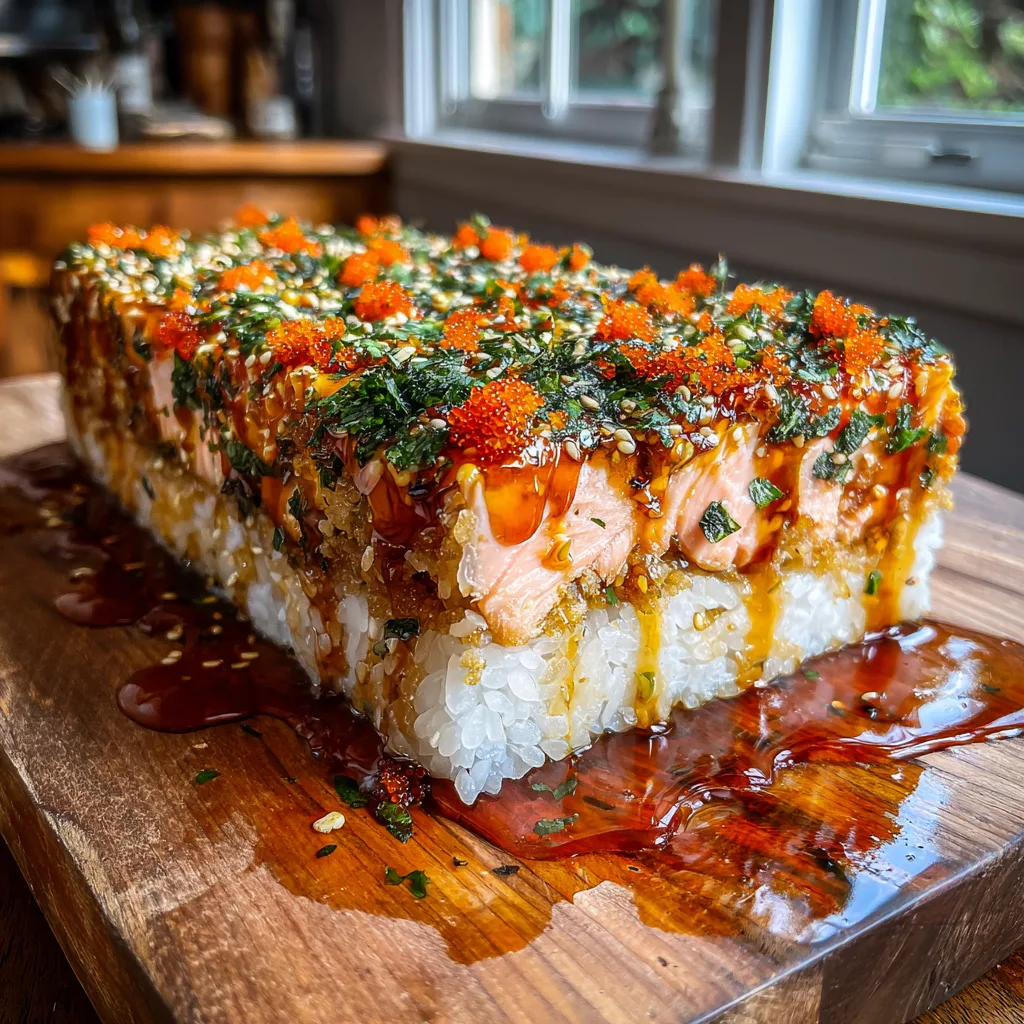
A sushi bake is essentially a deconstructed sushi roll baked in a pan. The bottom layer consists of classic sushi rice, seasoned perfectly with rice vinegar, sugar, and salt. Above that lies a generous layer of cooked salmon shredded and mixed with rich cream cheese, Japanese Kewpie mayonnaise, and spicy Sriracha. The entire dish is baked until warm and bubbly, then broiled or torched to achieve a slightly charred, caramelized top. Finally, it is generously garnished with furikake (a savory Japanese rice seasoning), bright green scallions, vibrant tobiko (fish roe), and a sweet soy glaze. The result is a texturally magnificent, flavor-packed dish that satisfies every sushi craving with a fraction of the effort.
The Viral Phenomenon: Why Everyone is Baking Their Sushi
The concept of the sushi bake traces its origins to Hawaii and the Philippines, where potluck culture and a love for Asian fusion cuisine naturally converged. It gained massive global popularity through social media platforms like TikTok and Instagram. Visually, a sushi bake is stunning—the vibrant orange of the spicy mayo and tobiko against the dark seaweed and green garnishes is incredibly appetizing. But the true appeal lies in its approachability.
Traditional sushi requires precise knife skills, sushi-grade raw fish, bamboo rolling mats, and years of technique to perfect. The sushi bake democratizes these flavors. It uses fully cooked fish—making it accessible to those who are pregnant or simply prefer not to eat raw seafood—and requires nothing more than a standard baking dish. Furthermore, it scales up beautifully. Making twenty sushi rolls for a party is an all-day affair; making a massive 9×13 pan of sushi bake takes less than an hour and feeds a crowd effortlessly. It is communal eating at its finest.
Key Ingredients for the Perfect Spicy Salmon Sushi Bake
To achieve the authentic flavor profile of a restaurant-quality spicy salmon roll, sourcing the right ingredients is key. While substitutions can be made, sticking to the traditional Japanese condiments will yield the best results.
- – Sushi Rice: Also known as short-grain Japanese rice. It is crucial to use this specific type of rice because its high starch content makes it sticky enough to hold together when scooped. Long-grain rice or jasmine rice will fall apart and dry out in the oven.
- – Sushi Vinegar: You can buy pre-seasoned sushi vinegar, or make your own by gently heating rice vinegar with sugar and a pinch of salt until dissolved. This seasons the rice and gives it that signature tangy-sweet flavor.
- – Salmon: Fresh salmon fillets baked and flaked are ideal, but high-quality canned salmon (drained very well) is a fantastic, budget-friendly shortcut that tastes remarkably similar once mixed with the sauces.
- – Kewpie Mayonnaise: This Japanese mayonnaise is richer, creamier, and slightly sweeter than American mayonnaise because it is made entirely with egg yolks and utilizes a different type of vinegar. It is a non-negotiable ingredient for the authentic spicy mayo flavor.
- – Sriracha: Adjust the amount of this garlic-chili sauce to your personal heat preference.
- – Cream Cheese: Softened cream cheese adds a luxurious, creamy texture that binds the salmon layer together and prevents it from drying out in the oven.
- – Furikake: A dry Japanese seasoning blend typically consisting of dried seaweed, sesame seeds, salt, and sugar. It adds a crucial layer of umami and crunch to both the rice and the top of the bake.
- – Toppings: Tobiko (flying fish roe) or Masago (smelt roe) add a beautiful pop of color and a briny crunch. Eel sauce (Unagi sauce) provides a sticky, sweet contrast to the spicy, savory elements.
- – Roasted Seaweed Snacks (Nori): These are essential for serving. You will use these small, crispy sheets to scoop up the warm bake like a taco.
Step-by-Step Instructions
- Prepare the Sushi Rice: Rinse the short-grain rice under cold water until the water runs clear. Cook it according to the package instructions (using a rice cooker is highly recommended). Once cooked, transfer the hot rice to a large wooden or glass bowl. Gently fold in the seasoned rice vinegar. Do not mash the rice; use a slicing motion with a rice paddle to coat the grains evenly. Let it cool slightly.
- Cook and Flake the Salmon: If using fresh salmon fillets, season them lightly with salt and pepper and bake at 400°F (200°C) for about 12-15 minutes until just cooked through. Let it cool slightly, remove the skin, and use two forks to flake the meat into a bowl. If using canned salmon, simply drain it thoroughly and flake it.
- Mix the Spicy Salmon Topping: To the flaked salmon, add the softened cream cheese, Kewpie mayonnaise, Sriracha, and a splash of soy sauce. Mix thoroughly until you have a creamy, unified mixture. Taste and adjust the spice level by adding more Sriracha if desired.
- Assemble the Base: Lightly grease a 9×13 inch baking dish (or an 8×8 inch dish for a thicker bake). Press the seasoned sushi rice evenly into the bottom of the dish. Use a slightly wet spatula or wet hands to prevent the rice from sticking to you. Sprinkle a generous, even layer of furikake seasoning over the rice.
- Add the Salmon Layer: Spread the spicy salmon mixture evenly over the furikake-covered rice layer. Use a spatula to smooth the top so it bakes evenly.
- Bake and Broil: Preheat your oven to 375°F (190°C). Bake the casserole for 15-20 minutes, or until the edges are bubbling and the center is heated through. For that signature golden-brown, charred top, switch the oven to broil for the final 2-3 minutes. Watch it very closely so it doesn’t burn! (Alternatively, use a culinary kitchen torch to caramelize the top).
- Garnish and Serve: Remove the bake from the oven. Drizzle the top generously with eel sauce and extra spicy mayo. Sprinkle with more furikake, freshly chopped green onions, sesame seeds, and tobiko. Serve immediately while warm, alongside individual packets of roasted seaweed snacks.
How to Eat a Sushi Bake
Eating a sushi bake is half the fun! Unlike traditional casseroles eaten with a fork, a sushi bake is designed to be eaten with your hands. Place a small, crispy sheet of roasted seaweed (nori) in the palm of your hand. Use a spoon to scoop out a portion of the warm, layered sushi bake—making sure to get some of the rice, the spicy salmon, and the garnishes—and place it in the center of the seaweed. Fold the edges of the seaweed up like a small taco and take a bite. The contrast between the cold, crispy seaweed and the warm, creamy, savory filling is absolutely divine.
For added crunch and freshness, many people love to serve their sushi bake with thinly sliced cucumber rounds or creamy slices of avocado. You can place a slice of cucumber or avocado onto the seaweed before adding the hot sushi bake mixture.
Exciting Variations to Try
Once you understand the basic formula of a sushi bake—seasoned rice base, creamy seafood topping, savory garnishes—the customization options are endless.
The California Roll Bake: Substitute the salmon with imitation crab meat (surimi) that has been shredded or chopped. Mix it with Kewpie mayo and cream cheese (skip the Sriracha if you want it mild). Top the finished bake with copious amounts of diced fresh avocado and cucumber just before serving.
Spicy Tuna Bake: Swap the cooked salmon for canned tuna (preferably tuna packed in oil for better flavor and texture). Mix heavily with Kewpie mayo, Sriracha, and a dash of sesame oil. This version is incredibly budget-friendly and pantry-staple accessible.
Vegetarian/Vegan Sushi Bake: For a plant-based option, substitute the fish with crumbled, extra-firm tofu or shredded king oyster mushrooms that have been sautéed in soy sauce. Use a vegan mayonnaise and vegan cream cheese alternative. Ensure your furikake does not contain bonito flakes (dried fish), as many traditional blends do.
Expert Tips for the Best Texture and Flavor
Do Not Skip the Rinsing: Rinsing the sushi rice before cooking removes excess surface starch. If you skip this step, your rice base will be unpleasantly gummy and paste-like rather than sticky but distinctly grained.
Pack the Rice Firmly: When assembling the base layer, press the rice down firmly and evenly. If the rice is too loose, it will fall apart when you try to scoop it onto your seaweed sheets.
Temperature Contrast is Key: A sushi bake is best enjoyed immediately after it comes out of the oven. The magic of the dish lies in the contrast between the hot, bubbly filling and the room-temperature, crispy seaweed wrappers. Do not assemble the seaweed tacos ahead of time, or the nori will become soggy and chewy.
Make-Ahead and Storage Instructions
This Spicy Salmon Sushi Bake is remarkably meal-prep friendly. You can assemble the entire dish (rice, furikake, and raw salmon mixture layers) up to 24 hours in advance. Cover the baking dish tightly with plastic wrap and store it in the refrigerator. When you are ready to eat, simply remove the plastic wrap and bake as directed, perhaps adding 5 extra minutes to the baking time to account for the chilled dish.
If you have leftovers, store them in an airtight container in the refrigerator for up to 3 days. To reheat, microwave individual portions for 1-2 minutes until heated through. Do not attempt to reheat the dish with the seaweed wrappers, and be aware that the tobiko will lose some of its crunch upon reheating, though the flavor will remain excellent.
Frequently Asked Questions
Can I use brown rice instead of white sushi rice?
Technically yes, but it will fundamentally change the texture of the dish. Brown rice does not contain the same starches as short-grain white rice, so it will not stick together. It will be much more like a loose rice bowl than a cohesive bake.
Where can I find Kewpie mayonnaise and Furikake?
These items are widely available in the international aisle of most major grocery stores. If you cannot find them locally, they are very easy to purchase online. They are pantry staples worth investing in!
Is the cream cheese necessary?
The cream cheese prevents the baked fish from drying out and adds a rich, velvety texture reminiscent of a Philadelphia roll. If you are lactose intolerant, you can use a dairy-free cream cheese substitute, or simply use extra Kewpie mayonnaise, though the texture will be slightly looser.
What is unagi sauce?
Unagi sauce, also known as eel sauce, is a thick, sweetened soy sauce glaze used in Japanese cuisine. Despite the name, it does not contain eel. It is made from soy sauce, mirin (sweet rice wine), and sugar reduced down to a syrupy consistency. It provides a crucial sweet counterbalance to the spicy mayo.
Spicy Salmon Sushi Bake
Ingredients
Equipment
Method
- Rinse the sushi rice under cold water until clear. Cook according to package directions. While hot, gently fold in the rice vinegar, sugar, and salt. Set aside to cool slightly.
- Preheat oven to 375°F (190°C).
- In a large bowl, mix the cooked, flaked salmon with softened cream cheese, Kewpie mayonnaise, Sriracha, and soy sauce until creamy and well combined.
- Press the seasoned sushi rice into an even layer in a 9×13 inch baking dish. Sprinkle half of the furikake seasoning evenly over the rice.
- Spread the spicy salmon mixture evenly over the rice and furikake layer.
- Bake for 15-20 minutes until hot and bubbly. Broil for an additional 2-3 minutes to get a lightly golden, caramelized top. Watch carefully to avoid burning.
- Remove from oven. Drizzle with unagi sauce and extra spicy mayo. Garnish with the remaining furikake, chopped green onions, sesame seeds, and tobiko.
- Serve warm by scooping portions onto small sheets of crispy roasted seaweed.