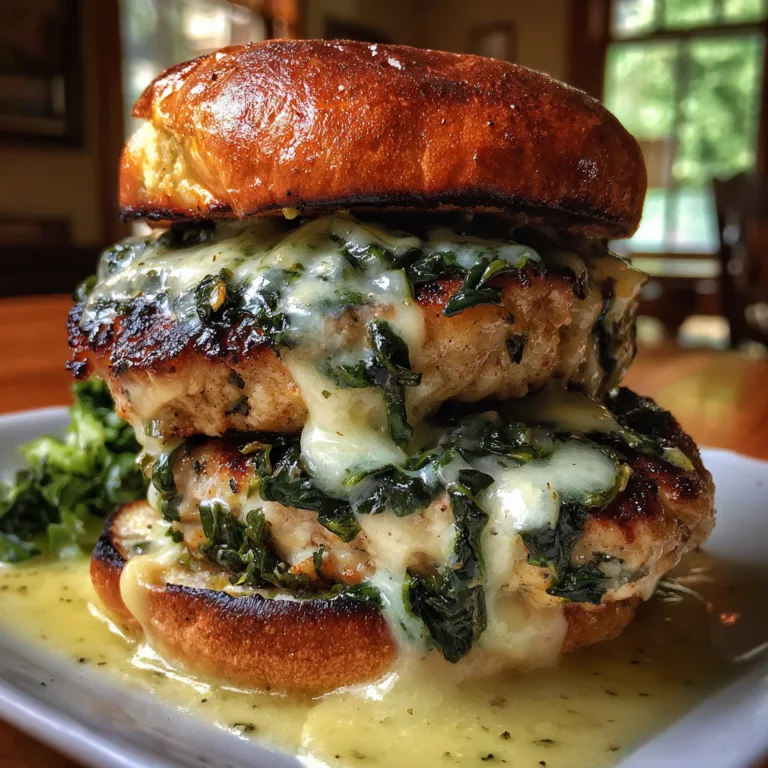
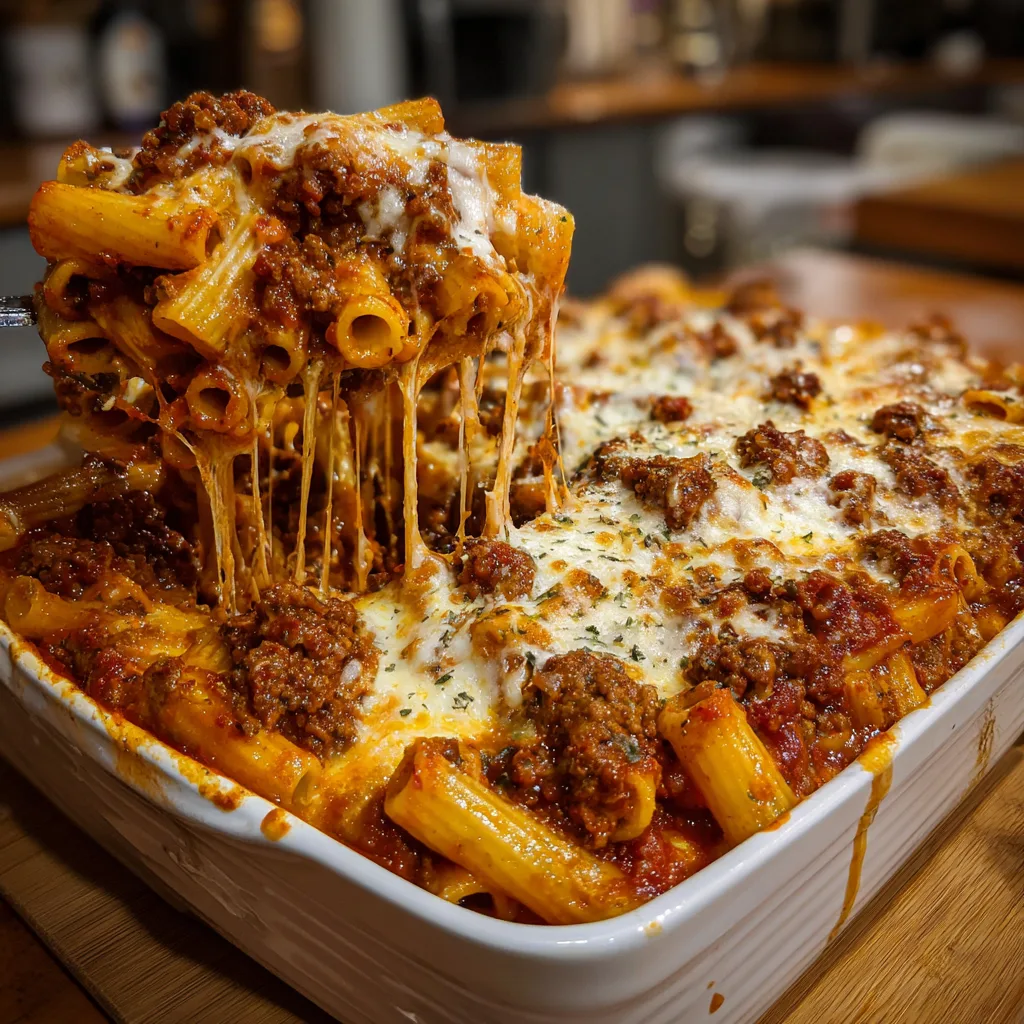
Baked Penne Bolognese
The Ultimate Baked Penne Bolognese: A Masterclass in Pasta and Sauce Pairing
Welcome to the ultimate guide to Italian comfort food! If you have ever stood in the pasta aisle of your local grocery store, overwhelmed by the sheer variety of shapes, sizes, and textures, you are not alone. Cooking the perfect Italian meal is about more than just boiling water and opening a jar of sauce. It is about understanding the fundamental architecture of the dish. Today, we are not just sharing the most incredibly rich, hearty, and satisfying Ultimate Baked Penne Bolognese recipe you will ever taste. We are also diving deep into the culinary science and traditional rules of matching pasta shapes to their perfect sauce counterparts.
Every pasta shape was invented for a specific reason. The ridges, the tubes, the twists, and the flat ribbons all serve a distinct mechanical purpose: to hold, absorb, or complement the sauce it is paired with. By the end of this comprehensive guide, you will be a master at pasta pairing, and you will have a spectacular baked pasta recipe to feed your family and friends. Let us embark on this delicious journey into the heart of Italian cuisine!
The Golden Rule of Italian Cooking: What Pasta Goes With What Sauce?
Before we dive into our signature Baked Penne Bolognese, we must address the ultimate culinary question: what pasta goes with what sauce? A mismatched pasta and sauce can ruin a perfectly good meal. Imagine a heavy, chunky meat sauce sliding right off a delicate strand of angel hair, leaving a pool of meat at the bottom of the bowl and bare noodles on your fork. To avoid this tragedy, follow this expert guide based on generations of Italian culinary tradition.
Penne
Let us start with the star of today’s recipe: Penne. These tubular, often ridged (rigate) pastas are sturdy and robust. The hollow center acts like a trap for sauces, while the ridges grab onto flavor. Best pairings: Chunky sauces, thick Bolognese, and baked pasta dishes (pasta al forno). The tubes hold the meat and vegetables perfectly, making it the absolute best choice for a heavy, baked casserole.
Farfalle (Bow-Ties)
Farfalle, affectionately known as bow-tie pasta, features a pinched center that remains slightly chewy (al dente) while the “wings” become soft. This dual texture makes it incredibly versatile. Best pairings: Pesto, creamy Mac & Cheese, or practically any sauce! Its playful shape is visually appealing and holds onto oil-based and cream-based sauces beautifully, making it a favorite for both hot dishes and cold pasta salads.
Fusilli
Fusilli consists of tightly wound spirals or corkscrews. This intricate shape is an absolute magnet for bits of meat, herbs, and cheese. Best pairings: Thicker sauces, traditional Bolognese, and vibrant pasta salads. The crevices in the spirals capture every drop of thick sauce, ensuring that every single bite is perfectly balanced and flavorful. If you are making a thick ricotta or vegetable-heavy sauce, fusilli is your best friend.
Spaghetti
The most famous pasta shape in the world, spaghetti is a long, thin, cylindrical noodle. Because it is smooth and lacks crevices, it does not hold heavy, chunky sauces well. Best pairings: Smooth Marinara, classic Pesto, and simple olive oil sauces (like Aglio e Olio). The long strands are meant to be coated in a slick, uniform layer of sauce that clings to the starch on the surface of the pasta.
Linguine
Linguine translates to “little tongues.” It is similar to spaghetti but flattened, creating a wider surface area. This slight difference changes its pairing profile entirely. Best pairings: Rich Alfredo, delicate clam sauce (Vongole), and light Marinara. The flat surface allows cream and butter to adhere beautifully, making it the classic choice for seafood and dairy-based dishes.
Shells (Conchiglie)
Pasta shells come in various sizes, and their size dictates their use. They resemble seashells and act as perfect little scoops or bowls for ingredients. Best pairings: Stuffed shells (for the jumbo size filled with ricotta and spinach), pasta salad (for the medium size to catch vinaigrette and chopped veggies), and Mac & Cheese (for the small size to cup the liquid cheese).
Orzo
Orzo is a tiny, rice-shaped pasta that is incredibly delicate. It is often mistaken for a grain. Because of its size, it is easily lost in heavy sauces. Best pairings: Light olive oil sauces, cold summer salads, and delicate wine sauces. It is also a fantastic addition to soups, like minestrone or chicken soup, adding body and texture without overwhelming the broth.
Why Penne is the Ultimate Choice for Baked Bolognese
Now that we understand the rules of engagement, it is easy to see why we chose Penne for our Ultimate Baked Bolognese. A Bolognese is a ragù—a slow-cooked meat sauce made with ground beef (or a mix of beef, pork, and veal), tomatoes, onions, celery, carrots, and wine. It is heavy, rich, and full of distinct, chunky particles.
If we used spaghetti, the meat would slide off. But with Penne, the sauce forces its way into the hollow tubes. When you take a bite, the tube bursts with trapped meat and tomato juices. Furthermore, when baking a pasta dish, the pasta needs to hold its structure against the intense heat of the oven and the weight of the melted mozzarella and parmesan cheese. Penne Rigate maintains its beautiful al dente texture even after boiling and baking, refusing to turn to mush.
Ingredients for Ultimate Baked Penne Bolognese
To create this masterpiece, you will need high-quality ingredients. Quality matters, especially when it comes to the tomatoes and the cheese. Here is what you need to gather:
For the Bolognese Sauce:
- – 1 tablespoon olive oil: Extra virgin for sautéing the aromatics.
- – 1 medium yellow onion: Finely diced for the flavor base (soffritto).
- – 1 large carrot: Finely diced.
- – 1 rib celery: Finely diced.
- – 3 cloves garlic: Minced fresh.
- – 1 pound ground beef: 80/20 blend is ideal for flavor and fat content.
- – 1/2 pound ground pork or Italian sausage: Adds incredible depth and richness to the meat profile.
- – 1/2 cup dry red wine: Such as Cabernet Sauvignon or Chianti, to deglaze the pan.
- – 28 ounces crushed San Marzano tomatoes: High-quality canned tomatoes make a massive difference.
- – 2 tablespoons tomato paste: For concentrated umami flavor.
- – 1 teaspoon dried oregano.
- – 1 teaspoon dried basil.
- – 1/2 teaspoon crushed red pepper flakes: Optional, for a gentle background heat.
- – Salt and freshly cracked black pepper: To taste.
For the Pasta and Cheese Layer:
- – 16 ounces (1 box) Penne Rigate pasta: Ensure it is “rigate” (ridged) to hold the sauce.
- – 15 ounces whole milk ricotta cheese: Adds creamy, luxurious pockets inside the bake.
- – 1 large egg: To bind the ricotta mixture.
- – 1/4 cup fresh parsley: Chopped.
- – 3 cups shredded whole milk mozzarella cheese: Divided use. Whole milk melts much better than part-skim.
- – 3/4 cup freshly grated Parmesan cheese: For that sharp, salty, golden-brown crust.
Step-by-Step Instructions
Creating this dish is a labor of love, but the steps are straightforward. The key is allowing the Bolognese to simmer and develop its complex flavors before assembling the bake.
- Sauté the Aromatics: Heat the olive oil in a large heavy-bottomed pot or Dutch oven over medium-high heat. Add the diced onion, carrot, and celery. This is your classic Italian soffritto. Cook for about 6-8 minutes until the vegetables are softened and the onions are translucent. Add the minced garlic and cook for 1 more minute until fragrant.
- Brown the Meat: Add the ground beef and ground pork (or sausage) to the pot. Break the meat apart with a wooden spoon as it cooks. Let it brown completely, cooking for about 8-10 minutes. Do not rush this step; browning creates a crucial depth of flavor through the Maillard reaction. Drain any excessive excess fat, leaving about a tablespoon in the pot for flavor.
- Deglaze and Build the Sauce: Stir in the tomato paste and cook for 2 minutes to cook out the raw, metallic tomato flavor. Pour in the red wine to deglaze the pan, scraping up any delicious browned bits stuck to the bottom. Let the wine reduce by half.
- Simmer the Bolognese: Pour in the crushed tomatoes. Add the oregano, basil, salt, pepper, and red pepper flakes. Bring the sauce to a gentle boil, then immediately reduce the heat to the lowest setting. Cover the pot loosely with a lid and let it simmer for at least 45 minutes (up to 2 hours if you have the time), stirring occasionally. The longer it simmers, the richer it becomes.
- Prepare the Pasta: While the sauce simmers, bring a large pot of heavily salted water to a rolling boil. Add the penne pasta. Cook the pasta for exactly 2 minutes LESS than the package instructions for “al dente.” The pasta will continue to cook in the oven, and undercooking it now prevents it from becoming soggy later. Drain the pasta well.
- Mix the Ricotta: In a medium mixing bowl, combine the ricotta cheese, the egg, 1/2 cup of the mozzarella cheese, 1/4 cup of the Parmesan cheese, and the fresh chopped parsley. Season with a pinch of salt and pepper. Mix until smooth and well combined.
- Assemble the Bake: Preheat your oven to 375°F (190°C). Grease a deep 9×13 inch baking dish. Spread a thin layer of the Bolognese sauce on the bottom of the dish to prevent sticking. In a massive bowl, toss the slightly undercooked penne with the remaining meat sauce until every tube is coated. Pour half of the pasta mixture into the baking dish.
- Add the Cheese Layers: Drop spoonfuls of the ricotta mixture evenly over the first layer of pasta. Top with 1 cup of mozzarella cheese. Pour the remaining pasta and sauce over the cheese layer. Finally, top the entire dish evenly with the remaining mozzarella and Parmesan cheeses.
- Bake to Perfection: Spray a piece of aluminum foil with non-stick cooking spray (so the cheese doesn’t stick) and cover the baking dish tightly. Bake for 25 minutes. Then, remove the foil and bake for an additional 15-20 minutes, or until the cheese is bubbling vigorously and the edges are beautifully golden brown and crispy.
- Rest and Serve: Remove the baked penne from the oven and—this is crucial—let it rest for 10 to 15 minutes before serving. This allows the scalding hot sauce to set up, making it much easier to scoop and serve without turning into a messy soup. Garnish with a little extra fresh parsley.
Expert Tips for the Perfect Pasta Bake
To elevate your baked penne from good to restaurant-quality, keep these professional tips in mind:
- Salt the Pasta Water like the Sea: Pasta absorbs water as it cooks. If the water isn’t salty, the pasta will be bland from the inside out. Use at least 2 tablespoons of kosher salt for a large pot of water.
- Grate Your Own Cheese: Pre-shredded cheese in bags is coated with cellulose (an anti-caking agent) to prevent clumping. This prevents the cheese from melting smoothly and creates a grainy texture. Buy blocks of whole milk mozzarella and parmesan and grate them yourself for the ultimate cheese pull.
- The Secret of Starchy Pasta Water: If your Bolognese seems a bit too thick before mixing it with the pasta, add a splash (about 1/4 cup) of the starchy water you boiled the pasta in. The starch helps bind the sauce to the pasta noodles, creating a silky, cohesive coating.
Variations and Substitutions
One of the best things about this recipe is its flexibility. Here are a few ways to customize your pasta bake:
- Vegetarian Option: Skip the meat entirely. Substitute with 16 ounces of finely chopped mushrooms (cremini or portobello work wonderfully) and a cup of lentils. The mushrooms provide a meaty texture and deep umami flavor.
- Spice it Up: Use hot Italian sausage instead of sweet pork, and double the crushed red pepper flakes for a fiery Arrabbiata-style Bolognese.
- Change the Pasta: While Penne is perfect, refer back to our guide! Fusilli or medium Shells would also work spectacularly in this heavy baked application.
Serving Suggestions
This Ultimate Baked Penne Bolognese is a heavy, rich main course. It pairs perfectly with lighter side dishes that can cut through the richness of the cheese and meat.
Serve it alongside a crisp Caesar salad or a simple mixed green salad dressed with a sharp, acidic lemon vinaigrette. You absolutely must serve this with warm, crusty garlic bread or a rustic ciabatta loaf to sop up every last drop of the incredible Bolognese sauce left on the plate.
Storage and Reheating
Baked pasta is arguably one of the best leftover meals in existence. The flavors continue to meld and deepen overnight in the refrigerator.
To Store: Allow the bake to cool completely. Cover tightly tightly with foil or transfer to airtight containers. Store in the refrigerator for up to 4 days.
To Freeze: This dish is incredibly freezer-friendly. You can freeze it unbaked or baked. If unbaked, assemble the entire dish, cover tightly with plastic wrap and then foil, and freeze for up to 3 months. Bake from frozen (covered) at 375°F for 1 hour, then uncover and bake until bubbly. If baked, freeze individual portions for quick lunches.
To Reheat: For single portions, the microwave works fine. For larger amounts, place back in a 350°F oven, covered with foil, until heated through (about 20-30 minutes).
Fun Facts About Bolognese and Pasta Shapes
Did you know that in Italy, what Americans call “Bolognese” is referred to as “Ragù alla Bolognese”? Furthermore, traditionally in Bologna, Italy, this rich meat sauce is almost exclusively served with fresh, flat ribbons of egg pasta like Tagliatelle or Pappardelle—never with dried spaghetti! The flat ribbons offer a wide surface for the heavy meat to cling to.
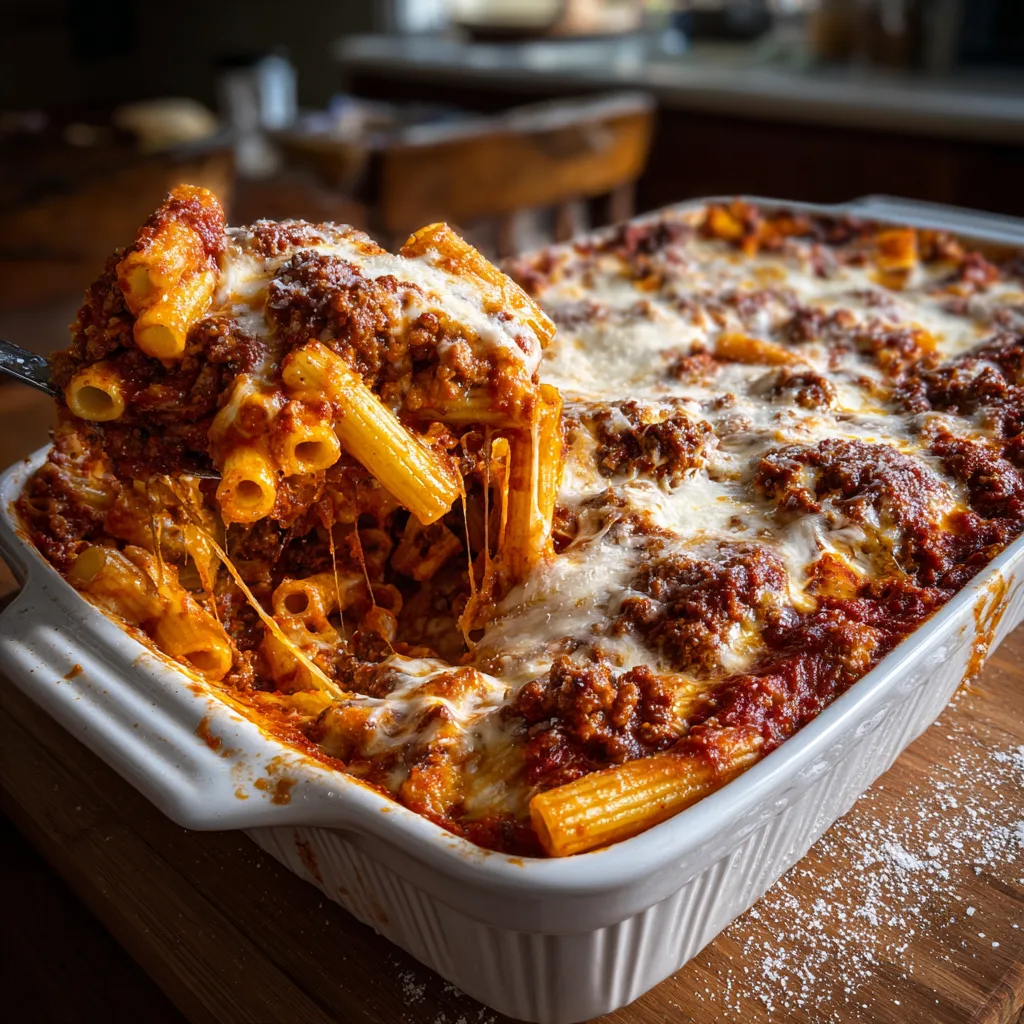
However, when making a “Pasta al Forno” (baked pasta) in Southern Italy, dried tubular shapes like Penne, Ziti, or Rigatoni become the pasta of choice. The rigid structure of dried, extruded durum wheat pasta holds up to the boiling, mixing, and baking process, creating that beloved hearty, comforting casserole texture we know and love today.
Conclusion
You are now equipped with not only the ultimate recipe for a hearty, comforting Baked Penne Bolognese but also the culinary knowledge to pair any pasta shape with its perfect sauce companion. Remember the infographic: Penne for chunky, Farfalle for pesto, Spaghetti for thin marinara. By respecting the shape of the pasta, you honor the tradition of Italian cooking and guarantee a spectacular meal every single time. Grab your apron, start simmering that sauce, and get ready for a truly unforgettable dinner!
Ultimate Baked Penne Bolognese
Ingredients
Equipment
Method
- Heat olive oil in a large pot over medium-high heat. Add diced onion, carrot, and celery. Sauté for 6-8 minutes until softened. Add minced garlic and cook 1 minute more.
- Add ground beef and pork to the pot. Break apart with a spoon and brown completely (8-10 minutes). Drain excess fat if necessary, leaving about 1 tablespoon in the pot.
- Stir in tomato paste and cook for 2 minutes. Pour in red wine to deglaze, scraping up browned bits. Let wine reduce by half.
- Pour in crushed tomatoes. Add oregano, basil, salt, pepper, and red pepper flakes. Bring to a boil, then reduce heat to low. Cover loosely and simmer for at least 45 minutes, stirring occasionally.
- Preheat oven to 375°F (190°C). Grease a 9×13 inch baking dish. Boil a large pot of salted water. Cook penne pasta 2 minutes less than package directions for al dente. Drain well.
- In a medium bowl, mix ricotta cheese, egg, 1/2 cup mozzarella, 1/4 cup Parmesan, and fresh parsley until well combined.
- Spread a thin layer of meat sauce in the bottom of the baking dish. Toss the drained penne with the remaining meat sauce. Pour half the pasta mixture into the dish.
- Drop spoonfuls of the ricotta mixture evenly over the pasta. Top with 1 cup of mozzarella cheese. Add the remaining pasta and sauce on top.
- Sprinkle the remaining mozzarella and Parmesan cheese evenly over the top of the casserole. Spray a piece of foil with cooking spray and cover the dish tightly.
- Bake covered for 25 minutes. Remove foil and bake an additional 15-20 minutes until the cheese is bubbling and golden brown. Let rest for 10-15 minutes before serving.