Chinese Buffet Coconut Shrimp
Chinese Buffet Coconut Shrimp: The Ultimate Sweet and Creamy Copycat Recipe
Introduction to the Iconic Buffet Favorite
There is a universal experience shared by anyone who has ever stepped foot inside a sprawling, brightly lit Chinese-American buffet: the strategic surveying of the hot food bars, the careful balancing of the plate, and the inevitable beeline straight toward the pan of sweet, creamy, glossy seafood perfection. We are, of course, talking about the legendary Chinese Buffet Coconut Shrimp. This dish is the undisputed crown jewel of the buffet line, combining the irresistible crunch of fried seafood with a rich, velvety, sweet, and tangy coconut sauce that is entirely addictive. It is the dish you always go back for seconds (and perhaps thirds) to get, long after you have filled up on lo mein and egg rolls.
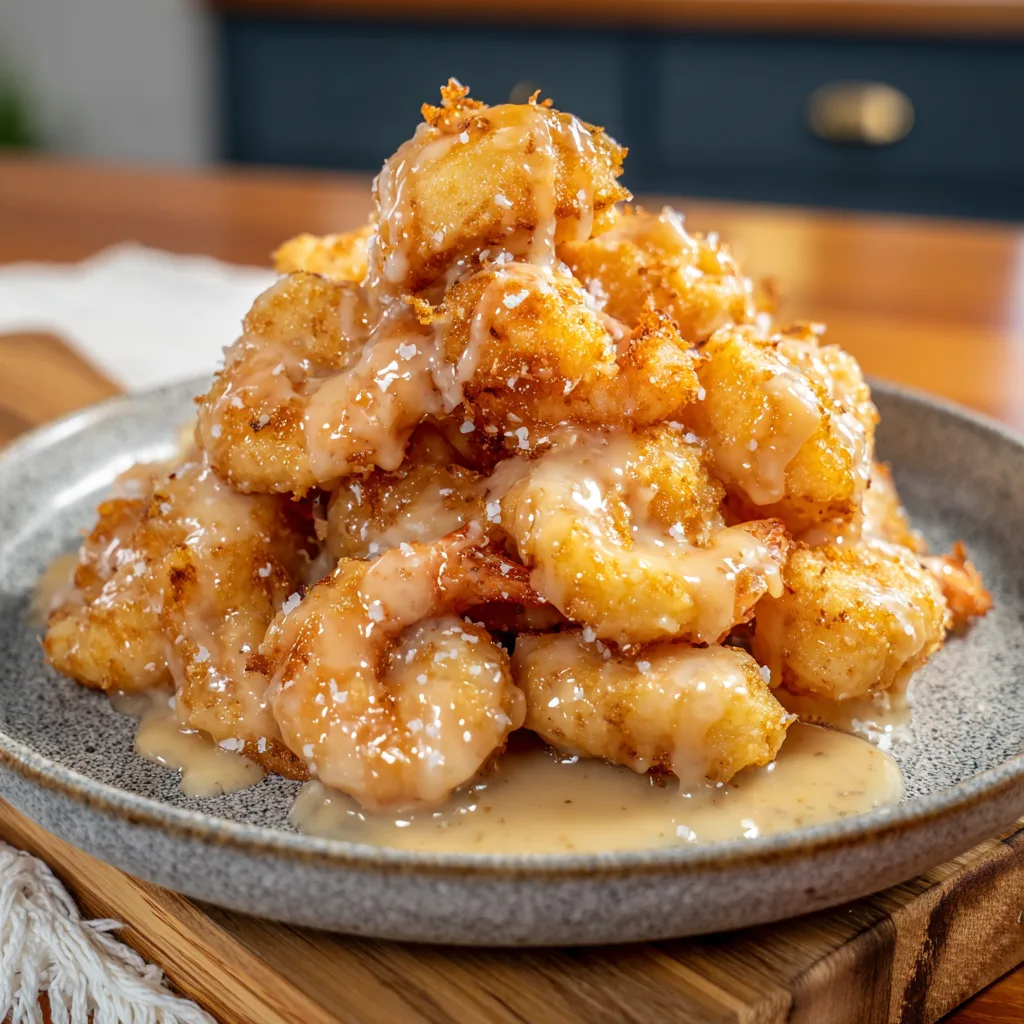
For years, home cooks have wondered what magic creates that specific, milky-sweet, slightly tropical flavor profile. It doesn’t taste like traditional savory Asian stir-fries, nor does it taste like the flaky, shredded coconut-crusted shrimp you might find at an American seafood chain. Instead, it exists in a category all its own—a perfect harmony of textures and flavors that feels intensely decadent. The good news? You do not need commercial kitchen equipment or secret buffet-industry ingredients to recreate this masterpiece at home. With a few simple pantry staples and a surprisingly straightforward frying technique, you can produce a mountain of this crispy, creamy coconut shrimp right in your own kitchen, saving yourself the trip and the takeout bill.
The History and Origins of Creamy Coconut Shrimp
To understand the Chinese Buffet Coconut Shrimp, we have to look at its glamorous older sibling: Honey Walnut Shrimp. This iconic dish originated in Hong Kong during the 1980s and 1990s as a high-end banquet dish. It was a prime example of “fusion” cuisine before the term became a buzzword, combining traditional Cantonese cooking techniques (light, crispy frying) with Western ingredients that were becoming popular and accessible in Asia, specifically mayonnaise and sweetened condensed milk.
When Hong Kong chefs migrated to the United States and opened high-end Cantonese restaurants, they brought Honey Walnut Shrimp with them. It quickly became a sensation. However, walnuts are expensive, and as Chinese-American food adapted to serve massive, all-you-can-eat buffets across the Midwest and beyond, cost-effective adjustments had to be made. The walnuts were often dropped entirely, and the sauce was tweaked to include coconut flavors—often via coconut cream, coconut milk, or even just coconut extract—to enhance the sweetness and give it a tropical flair that appealed to the American palate. Thus, the creamy “Buffet Coconut Shrimp” was born. It is a testament to the incredible adaptability and ingenuity of Chinese-American cuisine, transforming a luxury banquet item into an accessible, beloved comfort food.
Why This Recipe Will Become a Family Favorite
If you have a family that loves takeout, this recipe is guaranteed to make it into your permanent dinner rotation. Here is why you will fall in love with making it at home:
Unbeatable Freshness: As delicious as buffet shrimp is, it often sits under a heat lamp, which slowly degrades the crispy exterior. When you make this at home, you get to experience the magical, fleeting moment where the shrimp is shatteringly crisp straight from the oil, perfectly contrasting with the cool, creamy sauce.
Cost-Effective Indulgence: Seafood is pricey, and ordering this dish at a restaurant can easily cost upwards of twenty dollars for a small portion. By purchasing your own shrimp and using inexpensive pantry staples for the sauce and batter, you can feed a family of four a generous portion for a fraction of the cost.
Complete Control Over Quality: When cooking at home, you control the quality of the oil, the size of the shrimp, and the sweetness of the sauce. You can adjust the flavor profile to be more coconut-forward, less sweet, or even add a hint of spice if you desire.
Deconstructing the Dish: Key Ingredients
Creating the perfect copycat requires understanding the three main components of the dish: the shrimp, the batter, and the signature sauce. Let’s break them down.
The Shrimp
For the best results, you want large or jumbo shrimp (usually labeled 21-25 or 16-20 count per pound). Smaller shrimp will overcook too quickly in the hot oil before the batter has time to crisp up. You can buy them fresh or frozen. If using frozen, ensure they are completely thawed, peeled, and deveined. The most crucial step here is drying the shrimp. Use paper towels to pat them bone-dry. Any residual moisture on the surface of the shrimp will create steam when it hits the oil, blowing the batter right off and leaving you with a soggy mess.
The Crispy Batter
Unlike Western fried foods that use heavy breadcrumbs or thick flour batters, this recipe utilizes an Asian-style light tempura-esque coating. The secret ingredient? Cornstarch. Cornstarch, often mixed with a touch of flour and whipped egg whites, creates an incredibly light, airy, and shatteringly crisp shell. It doesn’t weigh the shrimp down and provides the perfect textured surface for the creamy sauce to cling to.
The Signature Creamy Coconut Sauce
This is where the magic happens. The sauce is an emulsion of ingredients you might not expect to put on seafood. The base is Mayonnaise. Do not use Miracle Whip or sweet salad dressings; use a high-quality, real mayonnaise (Japanese Kewpie mayo is absolutely phenomenal here if you have it). The sweetness and milky texture come from Sweetened Condensed Milk. To give it that buffet identity, we add Coconut Cream (the thick part scooped from the top of a can of coconut milk) or a few drops of coconut extract. A splash of lemon juice is also essential to cut through the heavy richness and provide a balancing tang.
Ingredients List
Gather the following ingredients to recreate this buffet classic:
For the Shrimp and Batter:
- – 1 lb large shrimp (peeled, deveined, tails removed)
- – 1/2 cup cornstarch
- – 2 large egg whites, lightly beaten until frothy
- – 1/4 teaspoon salt
- – 1/4 teaspoon white pepper
- – Vegetable oil or peanut oil, for frying
For the Creamy Coconut Sauce:
- – 1/3 cup real mayonnaise
- – 2 tablespoons sweetened condensed milk
- – 2 tablespoons coconut cream (or heavy cream with 1/2 tsp coconut extract)
- – 1 teaspoon fresh lemon juice
- – 1 teaspoon honey (optional, for extra gloss)
Step-by-Step Instructions
Follow these detailed instructions to achieve crispy, creamy perfection:
- Prep the Shrimp: Rinse your peeled and deveined shrimp under cold water. Lay them out on a clean kitchen towel or several layers of paper towels. Pat them vigorously until they are entirely dry. This is critical for a crispy batter. Season the dry shrimp lightly with the salt and white pepper.
- Prepare the Sauce: In a large mixing bowl (big enough to eventually hold all the fried shrimp), whisk together the mayonnaise, sweetened condensed milk, coconut cream, lemon juice, and honey. Whisk vigorously until the sauce is completely smooth, glossy, and emulsified. Set this bowl aside at room temperature.
- Create the Batter Station: In a medium bowl, beat the two egg whites until they are very frothy and full of tiny bubbles. Place the cornstarch in a separate shallow dish.
- Heat the Oil: Pour about 2 to 3 inches of vegetable oil into a heavy-bottomed Dutch oven, wok, or deep fryer. Heat the oil over medium-high heat until it reaches 350°F (175°C) on a deep-fry thermometer.
- Batter the Shrimp: Working in small batches, dip the dry shrimp into the frothy egg whites, letting the excess drip off. Then, dredge the shrimp in the cornstarch, pressing gently so the starch adheres to every crevice. Shake off any loose, excess powder.
- Fry to Perfection: Carefully drop the battered shrimp into the hot oil, one by one, to prevent them from sticking together. Fry for exactly 2 to 3 minutes. Because shrimp cook incredibly fast, you are mostly looking for the cornstarch shell to become firm and very lightly golden. Do not overcook, or the shrimp will become rubbery.
- Drain: Use a spider skimmer or slotted spoon to remove the fried shrimp from the oil. Transfer them to a wire cooling rack set over paper towels to let the excess oil drain away. Repeat the battering and frying process with the remaining shrimp.
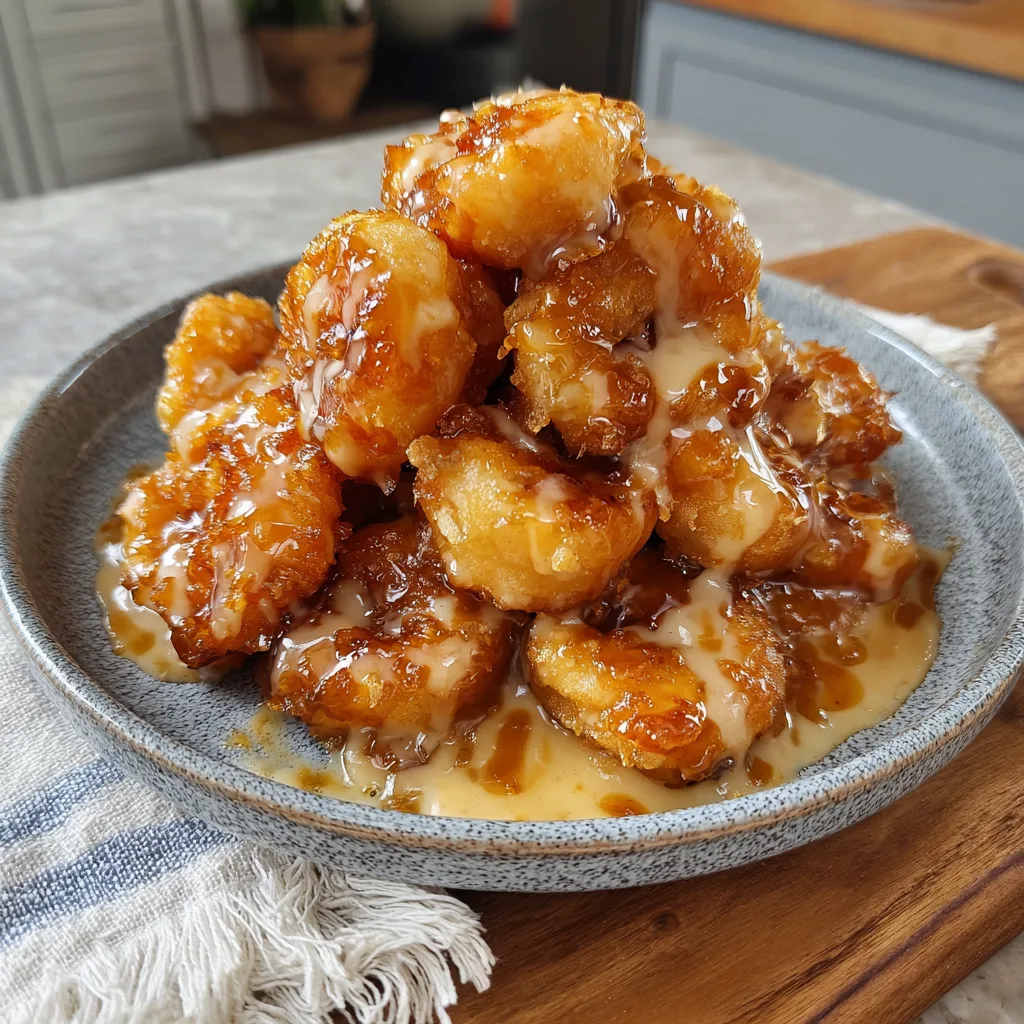
- Toss and Serve: Once all the shrimp are fried and drained, immediately transfer the hot, crispy shrimp into the large bowl containing the coconut sauce. Use a rubber spatula to gently fold and toss the shrimp until every single piece is heavily coated in the glossy, creamy glaze. Serve immediately!
Pro Tips for Restaurant-Quality Results
To elevate your dish from “good homemade” to “better than the buffet,” keep these professional tips in mind:
Manage Your Oil Temperature: Frying at the right temperature is non-negotiable. If the oil is too cold (below 325°F), the cornstarch will absorb the oil, leaving you with greasy, heavy shrimp. If the oil is too hot (above 375°F), the batter will burn before the shrimp cooks through. Use a thermometer and let the oil recover its temperature between batches.
The Wire Rack is Essential: Never drain your fried shrimp directly on a plate covered in paper towels. The hot shrimp will release steam, which gets trapped against the paper towel, instantly turning the bottom of your shrimp soggy. A wire rack allows air to circulate entirely around the shrimp, maintaining the crunch.
Do Not Let Them Sit in the Sauce: This dish must be eaten immediately after tossing. The moisture in the creamy sauce will naturally begin to soften the crispy cornstarch coating. Toss them just seconds before you carry the plate to the dinner table.
Fun Variations and Customizations
Once you have mastered the base recipe, feel free to experiment and make it your own:
The Honey Walnut Upgrade: To make the traditional banquet version, boil 1/2 cup of walnut halves in water for 2 minutes, drain, then boil them again in a syrup made of 1/2 cup water and 1/2 cup sugar until they are glossy and candied. Let them dry, then toss them into the sauce with the fried shrimp.
Tropical Toasted Coconut: For an extra layer of flavor and crunch, toast 1/4 cup of sweetened shredded coconut in a dry skillet until golden brown. Sprinkle this generously over the top of the sauced shrimp right before serving.
Air Fryer Method (Lighter Version): If you want to avoid deep frying, you can air fry the shrimp. Spray the cornstarch-coated shrimp generously with cooking oil spray. Air fry at 400°F (200°C) for 6-8 minutes, flipping halfway, until crispy. Then toss in the sauce as directed.
Serving Suggestions for a Complete Meal
Because the Chinese Buffet Coconut Shrimp is incredibly rich, sweet, and heavy, you need side dishes that provide balance. Steamed jasmine rice or brown rice is the perfect neutral base to soak up any extra creamy sauce.
To cut through the richness, serve it alongside a crisp, slightly bitter green vegetable. Steamed broccoli, garlic-sautéed bok choy, or lightly blanched snow peas are excellent choices. A light cucumber salad dressed in rice vinegar also makes a fantastic, palate-cleansing appetizer for this meal.
Storage, Reheating, and Make-Ahead Advice
Storage: As a general rule, battered and sauced fried foods do not make great leftovers because the breading turns mushy. However, if you have leftovers, store them in an airtight container in the refrigerator for up to 2 days.
Reheating: Do not use the microwave! The microwave will turn the shrimp into rubber and the batter into paste. The best way to reheat is in an air fryer at 350°F (175°C) for about 3-5 minutes, or in a conventional oven at 375°F (190°C) for 8-10 minutes. The sauce will melt slightly, and it won’t be as crispy as day one, but it will still be delicious.
Make-Ahead: If you are hosting a dinner, you can mix the sauce and prep the dry ingredients hours in advance. You can even fry the shrimp ahead of time. When guests arrive, flash-fry the pre-cooked shrimp in hot oil for 45 seconds to re-crisp them, then toss in the sauce.
Conclusion
Recreating the legendary Chinese Buffet Coconut Shrimp in your own kitchen is a deeply rewarding culinary project. By understanding the delicate balance of the crispy cornstarch shell and the rich, emulsified, sweet mayonnaise sauce, you unlock the secrets of this beloved dish. It is a show-stopping recipe that bridges the gap between comfort food and restaurant-quality indulgence. The next time you find yourself craving that specific, glossy, sweet, and savory bite, skip the takeout line, fire up the stove, and treat yourself to the ultimate homemade feast.
Chinese Buffet Coconut Shrimp
Ingredients
Equipment
Method
- Thoroughly pat the peeled shrimp completely dry with paper towels. Season with salt and white pepper.
- In a large bowl, whisk together the mayonnaise, sweetened condensed milk, coconut cream, lemon juice, and honey until smooth and glossy. Set aside.
- Dip the dry shrimp into the frothy egg whites, letting excess drip off, then dredge completely in the cornstarch.
- Heat vegetable oil to 350°F (175°C) in a deep pot. Fry the shrimp in batches for 2 to 3 minutes until the batter is firm and lightly golden.
- Remove shrimp from oil and drain on a wire cooling rack.
- Immediately transfer the hot, crispy shrimp into the large bowl with the creamy coconut sauce and toss gently until completely coated. Serve immediately.