Chinese Egg Drop Soup
The Ultimate Easy 10-Minute Chinese Egg Drop Soup Recipe
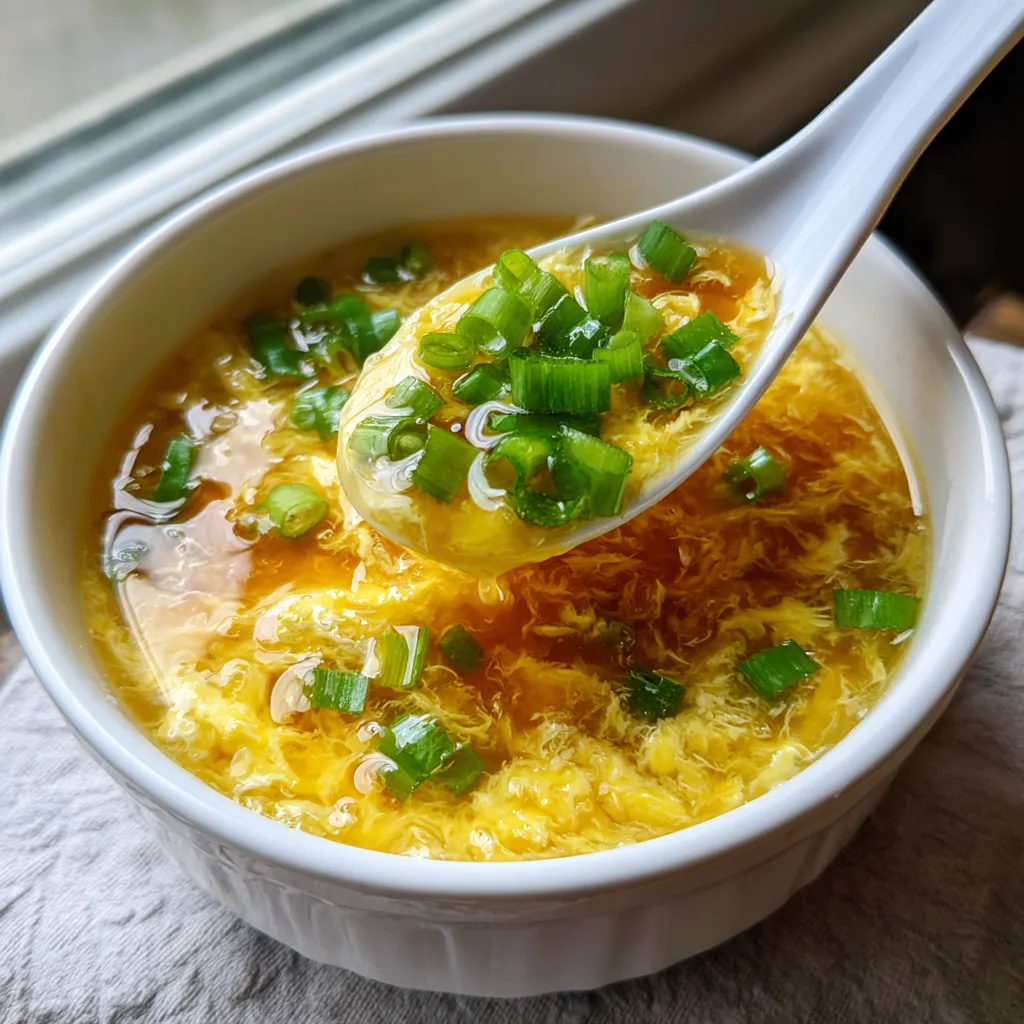
There is something incredibly comforting about a warm, savory bowl of soup, especially when it is a classic favorite from your local Chinese takeout restaurant. However, what if you could recreate that exact magic in your own kitchen in less time than it takes for a delivery driver to arrive? Enter the Easy 10-Minute Chinese Egg Drop Soup. This quintessential Asian appetizer is famous for its rich, savory broth, beautifully delicate ribbons of egg, and the vibrant, fresh pop of sliced green onions. Best of all, it requires minimal ingredients, virtually zero culinary expertise, and comes together in just ten minutes flat.
Whether you are feeling under the weather and need a soothing bowl of comfort food, or you are trying to whip up a quick appetizer for a homemade Asian-inspired feast, this egg drop soup is the perfect solution. It is light yet satisfying, incredibly budget-friendly, and offers a beautiful presentation that looks far more complicated than it actually is. By mastering a few simple techniques—like the perfect cornstarch slurry and the signature “tornado” stirring method—you will be producing restaurant-quality egg drop soup that will leave your family and dinner guests absolutely amazed.
What is Egg Drop Soup? A Brief Culinary History
Egg drop soup, known as Danhua Tang (which beautifully translates to “egg flower soup”), is a staple in Chinese cuisine. It has been enjoyed for centuries, originally serving as a simple, nourishing dish made from basic household staples: chicken or pork broth, eggs, and a few seasonings. The name “egg flower” perfectly describes the visual appeal of the soup, as the cooked egg ribbons bloom and fan out in the hot broth, resembling delicate yellow petals.
In traditional Chinese cooking, soups are often served at the end of a meal to cleanse the palate and aid in digestion, contrary to the Western tradition of serving soup as a starter. However, in American-Chinese restaurants, egg drop soup has firmly established itself as a beloved appetizer, often offered alongside wonton soup or hot and sour soup. Despite its widespread commercial availability, the homemade version remains superior. Making it from scratch allows you to control the sodium levels, avoid artificial yellow food coloring (which many restaurants use), and customize the thickness of the broth to your exact liking.

Why You Will Love This 10-Minute Recipe
There are countless reasons why this recipe deserves a permanent spot in your weekly meal rotation. First and foremost is the unprecedented speed. In a world where we are constantly rushing, finding a recipe that goes from the pantry to the dinner table in exactly ten minutes is a rare treasure. There is almost no prep work involved—just a quick whisking of eggs and slicing of green onions.
Secondly, this recipe is incredibly cost-effective. The core ingredients—broth, eggs, and cornstarch—are incredibly cheap and usually already sitting in your kitchen. You do not need to make a special trip to an expensive specialty grocery store to create this authentic dish. It is the ultimate pantry-staple meal.
Finally, it is a nutritional powerhouse disguised as comfort food. Egg drop soup is naturally low in calories and carbohydrates while providing a healthy dose of protein from the eggs. If you use a high-quality bone broth, you also get the added benefits of collagen and essential minerals, making this soup an excellent, restorative option for when you are battling a cold or the flu.
Essential Ingredients for Perfect Egg Drop Soup
The beauty of this dish lies in its simplicity. Because there are so few elements, the quality of each ingredient matters. Here is a breakdown of what you need to achieve the perfect bowl:
- – 4 cups high-quality chicken broth (or vegetable broth for a vegetarian option)
- – 3 large eggs, preferably free-range for a deeper yellow yolk
- – 2 tablespoons cornstarch
- – 3 tablespoons cold water (for the slurry)
- – 1/2 teaspoon toasted sesame oil
- – 1/4 teaspoon ground white pepper
- – 1/2 teaspoon kosher salt (adjust based on the sodium level of your broth)
- – 1/4 teaspoon sugar (optional, to balance the savory notes)
- – 1/8 teaspoon ground turmeric (optional, strictly for a vibrant yellow restaurant color)
- – 2-3 stalks of green onions (scallions), finely chopped for garnish
The Importance of the Broth
Since the broth makes up 90% of this dish, it is imperative to use one that tastes excellent on its own. While homemade chicken stock is always the gold standard, a high-quality store-bought chicken broth or bone broth works perfectly for a quick 10-minute meal. If you want to elevate a store-bought broth, you can simmer it with a slice of fresh ginger and a smashed garlic clove for five minutes before making the soup, then simply fish them out before adding the eggs.
The Secret to the Perfect Egg Ribbons
The most defining characteristic of egg drop soup is, of course, the eggs. The goal is to create silky, feathery, delicate ribbons that float elegantly in the broth, rather than rubbery, scrambled egg chunks. Achieving this texture relies on three crucial factors: the temperature of the soup, the thickness of the broth, and your stirring technique.
First, the broth must be thickened *before* the eggs are added. A thickened broth (achieved via the cornstarch slurry) provides suspension. If you pour eggs into a thin, watery broth, they will immediately sink to the bottom and clump together. The thick broth catches the egg and allows it to spread out into ribbons.
Second, the heat must be managed. The broth should be hot enough to cook the eggs instantly, but it should not be at a violent, rolling boil, which will break the eggs into tiny, unappealing specks. A gentle, steady simmer is what you are aiming for.
Finally, the stirring technique—often called the “tornado” method—is the key. You must use a ladle, spoon, or chopsticks to stir the broth in a continuous circular motion, creating a whirlpool in the pot. Once the whirlpool is spinning, you slowly and steadily drizzle the beaten eggs in a thin stream directly into the moving liquid. The motion of the soup stretches the egg out as it cooks, resulting in those iconic, beautiful strands.
The Role of White Pepper and Sesame Oil
Do not skip the white pepper or the toasted sesame oil. White pepper is a cornerstone of Chinese cooking. Unlike black pepper, which has a sharp, woody bite, white pepper is earthier, slightly funkier, and blends seamlessly into the flavor profile of the chicken broth without leaving black specks in your beautifully clear soup. The toasted sesame oil, added at the very end off the heat, provides a deep, nutty, umami-rich aroma that instantly makes the soup smell and taste like it came straight from your favorite restaurant kitchen.
Step-by-Step Instructions
Follow these steps closely, and you will have a perfect appetizer ready in just ten minutes.
- Prepare the Slurry: In a small bowl, whisk together the 2 tablespoons of cornstarch and 3 tablespoons of cold water until completely smooth. It is vital that the water is cold; warm water will cause the cornstarch to clump immediately. Set this aside.
- Beat the Eggs: In a separate bowl or a liquid measuring cup (which makes pouring easier), crack the 3 large eggs. Whisk them thoroughly until the yolks and whites are completely combined and slightly frothy.
- Heat and Season the Broth: Pour the 4 cups of chicken broth into a medium-sized saucepan or pot. Place it over medium-high heat. Add the salt, white pepper, sugar, and turmeric (if using). Stir well to combine. Bring the broth to a gentle boil.
- Thicken the Broth: Give your cornstarch slurry a quick stir, as the starch may have settled at the bottom. While constantly stirring the simmering broth, slowly pour in the slurry. Continue to stir and let the soup simmer for about 1 to 2 minutes. You will notice the broth transform from watery to a silky, slightly glossy, and thickened consistency.
- Create the Egg Ribbons: Turn the heat down to medium-low so the broth is at a very gentle simmer. Using a spoon or chopsticks, stir the soup in one continuous circular direction to create a whirlpool effect. Once the soup is moving, take your beaten eggs and slowly drizzle them into the pot in a thin, steady stream. The moving broth will instantly cook and stretch the eggs into beautiful ribbons. Do not over-stir once the eggs are in, or you will break the ribbons.
- Final Touches: Immediately remove the pot from the heat. Stir in the toasted sesame oil. Taste the soup and adjust the salt or white pepper if necessary.
- Garnish and Serve: Ladle the hot soup into individual bowls. Top generously with the freshly chopped green onions. Serve immediately while hot and comforting!
Pro Tips for Restaurant-Quality Soup
Strain the Eggs: If you want the absolute silkiest egg ribbons imaginable, pass your beaten eggs through a fine-mesh sieve before drizzling them into the soup. This removes any stubborn bits of egg white that didn’t fully incorporate, ensuring a perfectly smooth pour.
The Fork Drizzle Trick: If you struggle to pour a thin stream from a bowl, try placing a fork across the rim of the bowl as you pour. The tines of the fork will break up the egg stream, creating multiple thin, delicate streams falling into the soup.
Do Not Boil the Sesame Oil: Always add the toasted sesame oil off the heat. Exposing sesame oil to a rolling boil can destroy its delicate flavor compounds and make it taste bitter.
Variations and Delicious Add-Ins
While the classic egg drop soup is perfect in its minimalist form, it serves as an incredible canvas for other ingredients. If you want to bulk up the soup and turn it into a more substantial meal, consider these fantastic additions:
Tofu: Soft or silken tofu cut into small, bite-sized cubes is a traditional and highly popular addition. It adds a wonderful creamy texture and extra protein without altering the flavor of the broth.
Corn: Adding a handful of sweet corn kernels (canned, frozen, or fresh) creates a dish known as Chicken Corn Egg Drop Soup, a very popular variation that adds a delightful pop of sweetness and texture.
Mushrooms: Thinly sliced fresh shiitake mushrooms or rehydrated dried wood ear mushrooms add an incredible earthy depth and a chewy texture that contrasts beautifully with the soft eggs.
Chicken: If you have leftover cooked chicken breast or rotisserie chicken, shred it finely and drop it into the broth right before adding the cornstarch slurry to heat it through.
What to Serve with Egg Drop Soup
Because this soup is light, it pairs perfectly with heavier, bolder main courses. It is the ultimate starter for a home-cooked Chinese feast. Serve it alongside classic favorites like Sweet and Sour Chicken, Beef and Broccoli, or General Tso’s Chicken.
If you prefer a lighter meal, pair the soup with a spread of steamed dumplings, vegetable spring rolls, or a crisp Asian cabbage salad with a ginger-sesame dressing. It also goes incredibly well with simple fried rice or vegetable lo mein.
Storage and Reheating Instructions
Egg drop soup is best enjoyed fresh, right off the stove, while the egg ribbons are tender and the broth is perfectly thickened. However, if you have leftovers, they can be saved.
Storage: Allow the soup to cool completely before transferring it to an airtight container. Store it in the refrigerator for up to 3 days.
Reheating: Reheat the soup gently on the stovetop over low to medium heat, stirring occasionally until heated through. Do not let it come to a hard boil, as the eggs can become tough and rubbery. Note that the cornstarch thickened broth may thin out slightly after being refrigerated and reheated. Freezing is not recommended, as the texture of the eggs and the starch will become unpleasantly grainy and mushy when thawed.
Frequently Asked Questions (FAQs)
Why did my egg drop soup become cloudy and mushy?
This usually happens if the broth is at a hard, rolling boil when you add the eggs, or if you stir too aggressively after the eggs are added. A gentle simmer and a slow stir are essential for distinct ribbons rather than a cloudy, homogenized broth.
Is Egg Drop Soup healthy?
Yes, it is generally considered a healthy option. It is low in calories and fat, while providing a good source of protein from the eggs. If sodium is a concern, simply use a low-sodium chicken broth and control the amount of added salt.
Can I make this soup without cornstarch?
Yes, you can omit the cornstarch slurry, but your soup will have a thin, watery consistency rather than the signature silky, glossy texture of restaurant soup. The eggs will also tend to sink to the bottom rather than float in suspension. If you need a substitute for cornstarch, arrowroot powder or tapioca starch work well.
Enjoy mastering this Easy 10-Minute Chinese Egg Drop Soup. It is a fantastic, reliable recipe that proves you do not need hours in the kitchen to produce a deeply comforting and flavorful meal!
Easy 10-Minute Chinese Egg Drop Soup
Ingredients
Equipment
Method
- In a small bowl, whisk together the cornstarch and cold water until completely smooth to create a slurry. Set aside.
- In a separate bowl or measuring cup, crack the eggs and beat them thoroughly until well combined.
- In a medium saucepan, combine the chicken broth, salt, white pepper, sugar, and turmeric (if using). Bring to a gentle boil over medium-high heat.
- Stir the cornstarch slurry once more, then slowly pour it into the boiling broth while stirring continuously. Let simmer for 1-2 minutes until the broth thickens and becomes glossy.
- Reduce the heat to medium-low so the soup is at a gentle simmer. Using a spoon or chopsticks, stir the broth in a slow, continuous circle to create a whirlpool.
- Slowly drizzle the beaten eggs into the swirling broth in a thin, steady stream. The eggs will instantly cook into delicate ribbons. Stop stirring once the eggs are poured.
- Remove the pot from the heat. Stir in the toasted sesame oil. Taste and adjust seasoning if necessary.
- Ladle hot soup into bowls and garnish generously with chopped green onions. Serve immediately.