Creamy Lobster Bucatini
The Ultimate Creamy Lobster Bucatini Recipe: A Decadent Seafood Pasta Experience
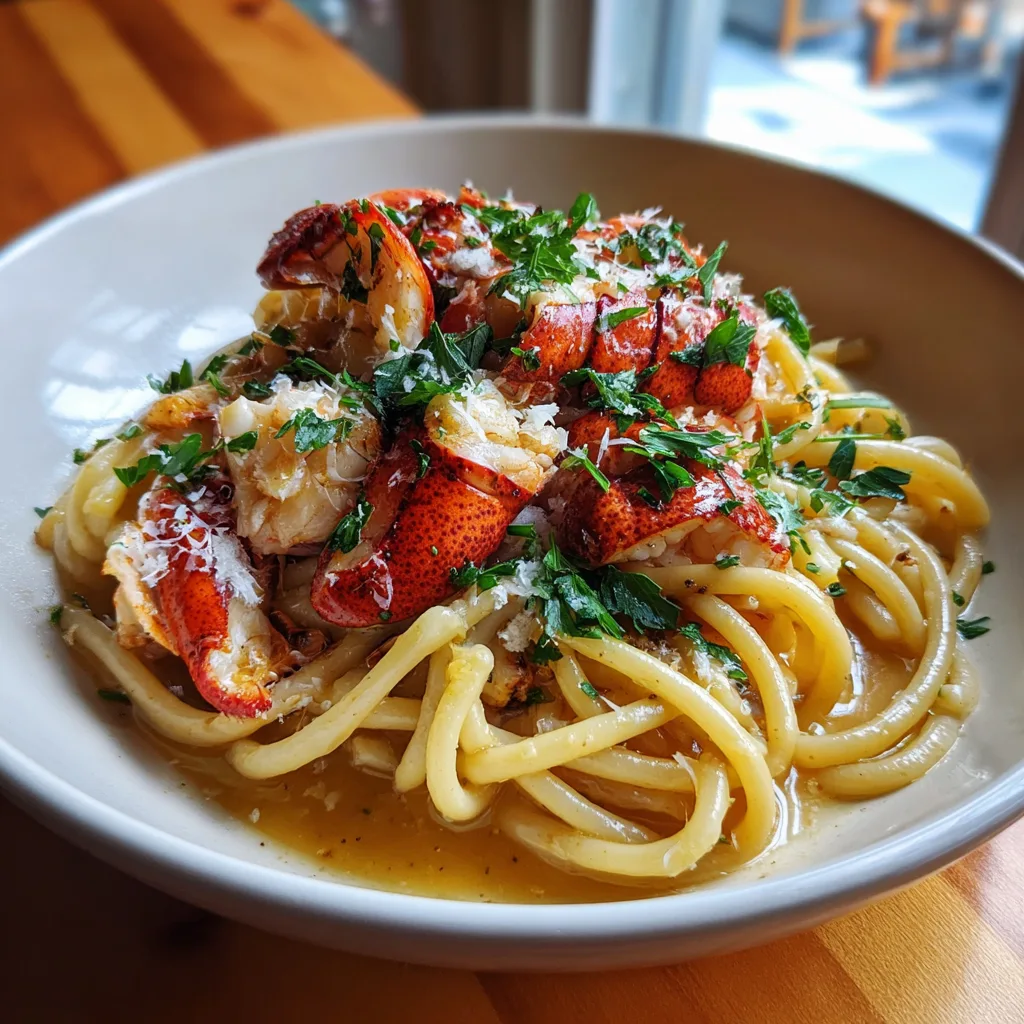
When it comes to elevating a simple weeknight meal into an extraordinary culinary event, few dishes can rival the sheer indulgence of a perfectly executed creamy lobster pasta. This Lobster Bucatini is a masterclass in balancing rich, luxurious flavors with the delicate, sweet taste of fresh seafood. Imagine thick, hollow strands of al dente bucatini pasta, thoroughly coated in a glossy, garlicky, buttery cream sauce, and crowned with generous, tender chunks of butter-poached lobster meat. Finished with a dusting of freshly grated Parmesan cheese and a sprinkle of vibrant parsley, this dish is nothing short of spectacular.
Whether you are planning a romantic date night, an anniversary dinner, a festive holiday meal, or simply want to treat yourself to a restaurant-quality dish in the comfort of your own home, this lobster bucatini recipe is your ticket to culinary success. In this comprehensive guide, we will walk you through every single step, from selecting the finest ingredients to mastering the silky pan sauce, ensuring your final plate is as breathtaking as it is delicious.

Why You Will Fall in Love with this Lobster Bucatini
There are countless pasta recipes out there, but this specific combination holds a special place in the pantheon of comfort food. First and foremost, it is the textural contrast. The bucatini, with its signature hollow center, captures the creamy sauce not just on the outside, but on the inside as well, delivering a burst of flavor with every single bite. This is something standard spaghetti or linguine simply cannot achieve.
Secondly, the flavor profile is a harmonious symphony of rich and bright notes. The lusciousness of the heavy cream and butter is expertly cut by a splash of dry white wine and a hint of fresh lemon juice, ensuring the dish remains deeply satisfying without becoming overly heavy or cloying. The garlic provides a savory, aromatic backbone, while a pinch of red pepper flakes adds just a whisper of background heat that enhances, rather than overpowers, the sweetness of the lobster.
Finally, despite its highly impressive, gourmet appearance, this dish is surprisingly approachable for home cooks. The actual cooking process is remarkably swift. Once your ingredients are prepped and your pasta water is boiling, the entire sauce comes together in the time it takes the bucatini to cook. It is a high-reward recipe that requires minimal active stove time.
The Magic of Bucatini Pasta
If you have never cooked with bucatini before, you are in for a delightful revelation. Originating from the Lazio region of Italy, particularly Rome, bucatini looks like thick spaghetti but features a tiny hole running directly through its center. The name itself comes from the Italian word “buco,” which translates to “hole.”
This unique shape is a game-changer for rich, liquid-based sauces. While flat ribbons like fettuccine are great for heavy ragus, bucatini excels with buttery, creamy, or emulsified pan sauces. The sauce actually travels inside the noodle, creating a juicy, flavor-packed experience with every forkful. Furthermore, bucatini is extruded through bronze dies, giving the exterior a slightly rough texture that acts like microscopic hooks, grabbing onto the thick, glossy lobster cream sauce and refusing to let go.
Choosing the Best Lobster for Your Pasta
The star of this dish is undeniably the lobster, and sourcing the right kind will make all the difference in your final plate. You have a few options depending on your budget, location, and confidence level in the kitchen:
1. Live Whole Lobsters: For the absolute best flavor and texture, buying live cold-water lobsters (like Maine lobsters) is the gold standard. You will need to boil or steam them yourself, extract the meat from the tail, claws, and knuckles, and chop it for the pasta. The added bonus here is that you can use the leftover shells to make a deeply flavorful lobster stock to use in your sauce!
2. Fresh or Frozen Lobster Tails: This is the most convenient and popular option for most home cooks. Cold-water lobster tails offer sweet, tender meat and are easy to prepare. If using frozen tails, ensure you thaw them completely in the refrigerator overnight before cooking. You can easily snip the shells, remove the meat, and chop it into bite-sized pieces before quickly poaching it in garlic butter.
3. Pre-Cooked Lobster Meat: Many seafood markets and high-end grocery stores sell high-quality, pre-cooked claw and knuckle meat. While this is the fastest route, be careful to only add it at the very end of the recipe just to warm it through, as re-cooking it will make it tough and rubbery.
Ingredients You Will Need
Gathering high-quality ingredients is the secret to making this dish taste like it came from a Michelin-starred restaurant. Here is what you need:
- – 1 lb (16 oz) dried bucatini pasta
- – 3 large lobster tails (about 4-5 oz each), raw, meat removed and chopped into bite-sized chunks
- – 4 tablespoons unsalted butter, divided
- – 2 tablespoons extra-virgin olive oil
- – 4 cloves garlic, finely minced
- – 1/4 teaspoon crushed red pepper flakes (optional, for a slight kick)
- – 1/2 cup dry white wine (such as Pinot Grigio or Sauvignon Blanc)
- – 1 1/2 cups heavy whipping cream (do not substitute with milk, you need the fat content)
- – 1/2 cup freshly grated Parmesan cheese, plus extra for garnish
- – 1 tablespoon fresh lemon juice
- – 1/4 cup fresh flat-leaf parsley, finely chopped
- – Kosher salt, to taste
- – Freshly cracked black pepper, to taste
Step-by-Step Instructions
Follow these precise steps to achieve a perfectly emulsified, glossy sauce and tender, sweet lobster meat.
- Prepare the Pasta Water: Bring a large pot of water to a rolling boil. Season it generously with kosher salt until it tastes like the sea. This is your only chance to season the pasta itself. Add the bucatini and cook according to the package directions until exactly al dente (usually about 9-11 minutes). Before draining, carefully scoop out and reserve about 1 cup of the starchy pasta water. You will need this later to build your sauce. Drain the pasta and set aside.
- Sauté the Lobster: While the pasta is boiling, place a large, deep skillet or Dutch oven over medium heat. Add 2 tablespoons of the unsalted butter and the olive oil. Once the butter is melted and slightly foamy, add the chopped raw lobster meat. Season lightly with salt and pepper. Cook the lobster for just 1 to 2 minutes per side until it turns opaque and beautifully rosy red. Do not overcook! Use a slotted spoon to transfer the lobster meat to a bowl and set it aside. Leave the remaining juices and butter in the pan.
- Build the Aromatics: Reduce the heat to medium-low. In the same skillet with the lobster juices, add the remaining 2 tablespoons of butter. Toss in the finely minced garlic and the crushed red pepper flakes. Sauté for about 30 to 60 seconds, stirring constantly, just until the garlic is fragrant and softened but not browned. Burnt garlic will turn the sauce bitter.
- Deglaze with Wine: Pour the dry white wine into the skillet. Use a wooden spoon to scrape up any browned bits (the fond) stuck to the bottom of the pan—this is pure flavor! Allow the wine to simmer and reduce by half, which should take about 2 to 3 minutes. This cooks off the raw alcohol flavor while leaving behind a bright acidity.
- Create the Cream Sauce: Slowly pour in the heavy whipping cream, stirring to combine. Bring the mixture to a gentle simmer (do not let it rapidly boil, or the cream might split). Let it simmer softly for 3 to 4 minutes until the sauce begins to thicken slightly and coat the back of a spoon.
- Combine and Emulsify: Add the cooked, drained bucatini directly into the skillet with the cream sauce. Sprinkle in the freshly grated Parmesan cheese. Toss the pasta vigorously with tongs. If the sauce seems too thick, splash in a little of the reserved starchy pasta water, a few tablespoons at a time, continuing to toss vigorously until the sauce becomes incredibly glossy, smooth, and perfectly coats every noodle.
- Final Touches: Remove the skillet from the heat. Gently fold the cooked lobster meat (and any juices that pooled in its bowl) back into the pasta. Stir in the fresh lemon juice and chopped parsley. Taste the sauce carefully and adjust the seasoning with more salt or freshly cracked black pepper if needed.
- Plate and Serve: Serve immediately in warm, shallow pasta bowls. Garnish with an extra sprinkle of Parmesan cheese, a pinch more fresh parsley, and perhaps a final crack of black pepper. Enjoy!
Pro Tips for the Perfect Seafood Pasta
To ensure your Lobster Bucatini turns out flawless every single time, keep these professional kitchen tips in mind:
Do Not Overcook the Lobster: Seafood cooks incredibly fast. Lobster meat can go from tender and sweet to rubbery and tough in a matter of seconds. When you initially sauté the chunks, pull them out of the pan the moment they turn opaque. They will continue to cook slightly from residual heat, and they will get a final warming when folded back into the hot pasta at the end.
Grate Your Own Cheese: Pre-packaged grated Parmesan contains anti-caking agents (like cellulose) that prevent it from melting smoothly. This will result in a grainy sauce. Always buy a wedge of real Parmigiano-Reggiano and grate it yourself right before using for a sauce that melts like a dream.
Embrace the Pasta Water: Starchy pasta water is liquid gold in Italian cooking. The starch released by the bucatini acts as a binder, helping the butter, cream, and cheese emulsify into a silky, cohesive sauce that clings to the noodles rather than separating into a greasy puddle at the bottom of the bowl.
Delicious Variations to Try
While this recipe is phenomenal as written, cooking is all about making a dish your own. Here are a few ways to customize your Lobster Bucatini:
Make it a Tomato-Cream Sauce: If you love a blush sauce, stir in 2 tablespoons of tomato paste along with the garlic, or add a handful of halved cherry tomatoes to the pan to blister before adding the cream.
Add More Seafood: Turn this into a massive seafood feast by adding large shrimp, seared sea scallops, or even some fresh lump crab meat along with the lobster.
Introduce Veggies: To add some color and freshness, fold in a handful of fresh baby spinach at the very end until it wilts, or toss in some blanched asparagus tips or sweet green peas.
What to Serve with Lobster Bucatini
Because this pasta dish is so incredibly rich and hearty, it pairs best with light, crisp side dishes that cut through the decadence. A simple arugula salad dressed with a sharp lemon vinaigrette and shaved Parmesan is the perfect palate cleanser. Alternatively, a classic Caesar salad or some roasted broccolini with garlic and chili works wonderfully.
Do not forget the bread! A warm, crusty baguette or a loaf of rustic sourdough is absolutely mandatory for swiping through the bowl and soaking up every last drop of that incredible garlic butter cream sauce.
As for beverages, a crisp, dry, and acidic white wine is the ultimate pairing. The wine you cooked with—such as a Sauvignon Blanc, Pinot Grigio, or an unoaked Chardonnay—is the perfect choice to serve in the glass alongside the meal.
Storing and Reheating Leftovers
Seafood pasta is undoubtedly best enjoyed immediately straight from the stove. However, if you happen to have leftovers, store them in an airtight container in the refrigerator for up to 2 days.
Reheating requires a gentle touch so the cream sauce does not “break” or separate, and so the lobster does not become rubbery. Place the leftovers in a saucepan over medium-low heat. Add a splash of milk, cream, or a little chicken broth to help reconstitute the sauce. Stir gently and continuously until just warmed through. Avoid using the microwave if possible, as it heats unevenly and is highly likely to ruin the texture of the lobster.
Fun Facts About Lobster and Pasta
Did you know that lobsters were once considered the “cockroaches of the sea”? In colonial America, they were so abundant that they were frequently fed to farm animals, used as fertilizer, or served to prisoners. It wasn’t until the development of the railway system and the introduction of lobster to inland populations that it transitioned into the luxury delicacy we know today.
As for bucatini, its invention is a testament to the ingenuity of Italian pasta makers. The hollow center was specifically designed not just to hold sauce, but to allow the pasta to dry more evenly and quickly after extrusion, and to cook faster and more consistently in boiling water.
Frequently Asked Questions
Can I make this recipe dairy-free?
It is challenging to replicate the exact richness without heavy cream and butter. However, you can use a high-quality vegan butter and a rich dairy-free alternative like full-fat canned coconut milk or a cashew-based culinary cream. Skip the Parmesan or use a nutritional yeast-based vegan substitute.
Can I use frozen lobster?
Absolutely. Frozen lobster tails are highly convenient. Just be absolutely certain they are fully thawed and patted very dry with paper towels before cooking to ensure they sear properly in the butter rather than steaming in their own water.
What if I can’t find bucatini?
While bucatini provides the best textual experience, thick spaghetti, linguine, or fettuccine make perfectly acceptable substitutes. If you want a tube-shaped pasta to hold the sauce, penne or rigatoni will also work in a pinch.
Conclusion
Creating a masterful seafood dish at home doesn’t have to be intimidating. With this Creamy Lobster Bucatini recipe, a handful of high-quality ingredients, and a few simple techniques, you can bring the luxury of fine dining straight to your kitchen table. Enjoy the process of cooking, savor the incredible aromas filling your home, and get ready to impress anyone lucky enough to share this meal with you.
Creamy Lobster Bucatini
Ingredients
Equipment
Method
- Bring a large pot of heavily salted water to a boil. Cook bucatini until al dente. Reserve 1 cup of starchy pasta water, then drain pasta.
- In a large skillet over medium heat, melt 2 tablespoons butter with olive oil. Add chopped lobster meat, season lightly with salt and pepper, and cook for 1-2 minutes per side until opaque. Remove lobster and set aside.
- Reduce heat to medium-low. Add remaining 2 tablespoons butter to the same skillet. Add minced garlic and red pepper flakes, sautéing for 30-60 seconds until fragrant.
- Pour in white wine, scraping up browned bits from the bottom. Simmer for 2-3 minutes until reduced by half.
- Slowly stir in the heavy cream. Bring to a gentle simmer and cook for 3-4 minutes until the sauce slightly thickens.
- Add the cooked bucatini and grated Parmesan to the skillet. Toss vigorously, adding splashes of reserved pasta water as needed until a glossy sauce coats the noodles.
- Remove from heat. Gently fold in the cooked lobster meat, lemon juice, and chopped parsley. Adjust salt and pepper to taste.
- Serve immediately garnished with extra Parmesan and parsley.