Crockpot Hot Sour Soup
Crockpot Hot and Sour Soup: The Ultimate Comforting Takeout Classic at Home
When the weather turns chilly, or you are simply craving the deeply comforting, multi-layered flavors of your favorite Chinese takeout, nothing hits the spot quite like a steaming bowl of Hot and Sour Soup. But what if you could achieve that exact restaurant-quality taste with the effortless convenience of a slow cooker? Enter the Crockpot Hot and Sour Soup. This recipe takes the intricate, bold flavors of a traditional Asian classic and adapts them for the modern, busy home cook. By utilizing the low-and-slow cooking method, the savory broths, earthy mushrooms, and aromatic spices meld together perfectly, creating a deeply complex flavor profile that requires mere minutes of active preparation time.
There is something inherently magical about walking into a kitchen that smells like a bustling noodle shop. The heady aroma of toasted sesame oil, pungent ginger, sharp vinegar, and rich soy sauce mingling in the air is enough to make anyone’s mouth water. Hot and Sour Soup is a masterclass in culinary balance. It is a dish that intentionally pits opposing flavor profiles against one another—the sharp, acidic bite of vinegar against the lingering, earthy heat of white pepper and chili. This comprehensive guide will walk you through exactly how to harness these bold flavors in your slow cooker, ensuring a flawless, deeply satisfying bowl of soup every single time.
Why You Will Love This Slow Cooker Hot and Sour Soup
The beauty of this recipe lies in its incredible simplicity paired with its complex output. Traditional stovetop Hot and Sour Soup requires constant monitoring, precise timing, and rapid stirring to ensure the cornstarch thickens properly and the eggs form delicate ribbons rather than a scrambled mess. While we still use these techniques at the very end of this recipe, moving the bulk of the cooking process to the slow cooker completely eliminates the stress of babysitting a simmering pot.
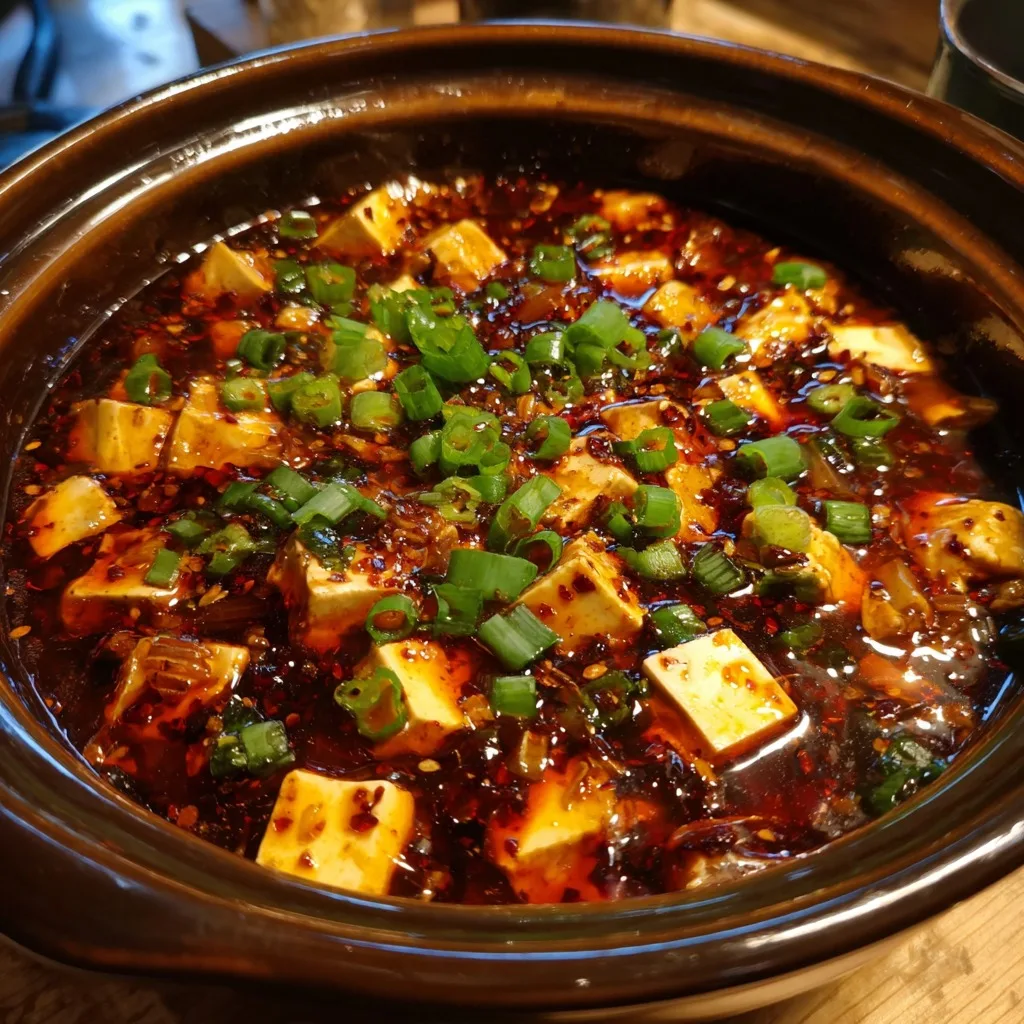
Additionally, slow cooking allows the dried ingredients—specifically the mushrooms—to fully rehydrate and release their deep, earthy umami into the broth. The flavors have hours to get to know one another, resulting in a soup base that tastes like it has been simmering in a restaurant kitchen for days. Furthermore, this recipe is incredibly customizable. It is naturally vegetarian if you use vegetable broth, but it readily welcomes the addition of thinly sliced pork shoulder or chicken breast for meat-lovers. It is a one-pot wonder that delivers a high-reward meal for very low effort.
The Origins of Hot and Sour Soup: A Flavorful History
To truly appreciate this dish, it helps to understand its origins. Hot and Sour Soup (Suān Là Tāng) traces its roots to the culinary traditions of the Sichuan and Beijing regions of China. In Traditional Chinese Medicine and culinary philosophy, food is often viewed through the lens of Yin and Yang—balancing heating and cooling elements. Hot and Sour Soup was specifically designed as a winter dish, intended to warm the body from the inside out during the bitter cold months.
The “hot” in traditional Hot and Sour Soup does not originally come from chili peppers, as chilies were not introduced to China until the late 16th century via trade routes. Instead, the authentic, throat-warming heat comes from a generous amount of ground white pepper. White pepper provides a sharp, earthy, and lingering heat that is entirely distinct from the fiery, upfront burn of red chilies. The “sour” traditionally comes from Chinese black vinegar (Chinkiang vinegar), which boasts a complex, slightly sweet, and malty acidity compared to the sharp bite of standard white vinegar. Today, many modern and Westernized versions use a combination of white pepper, chili garlic sauce (like sambal or sriracha), and rice vinegar to achieve a similar, yet more readily accessible, flavor profile.
Essential Ingredients for the Perfect Balance
Crafting the perfect Hot and Sour Soup is all about building layers of flavor. Here is a deep dive into the ingredients that make this soup spectacular, and why you should not skip them.
- – The Broth: This is the foundation. A high-quality chicken or vegetable broth is essential. If you want a deeply authentic flavor, consider using a mushroom bouillon base to amplify the umami.
- – The Mushrooms: Traditionally, wood ear mushrooms and shiitake mushrooms are used. Wood ear mushrooms provide an incredible, slightly crunchy texture, while shiitakes offer a meaty, smoky flavor. For this accessible crockpot version, standard button or cremini mushrooms work beautifully, alongside dried shiitakes if you have them.
- – The Tofu: Firm or extra-firm tofu is necessary here. Soft or silken tofu will completely disintegrate during the slow cooking process and stirring. You want distinct, satisfying cubes that soak up the rich broth.
- – The Bamboo Shoots: Canned bamboo shoots add a crucial textural contrast. They remain crisp even after hours in the slow cooker, breaking up the softness of the tofu and mushrooms.
- – The “Hot”: A combination of freshly ground white pepper and a touch of chili garlic sauce (like Huy Fong Sambal Oelek). The white pepper provides the traditional earthy heat, while the chili paste adds a bright, sharp kick.
- – The “Sour”: Rice vinegar is the standard here. It is milder and sweeter than white distilled vinegar. If you can find Chinese Black Vinegar, use a 50/50 split with rice vinegar for an incredibly authentic depth of flavor.
- – The Umami Builders: Soy sauce (both light for saltiness and dark for color) and freshly grated ginger and garlic are non-negotiable. They build the robust, savory backbone of the soup.
- – The Thickeners and Finishers: Cornstarch slurry gives the soup its iconic, glossy, velvety texture. Beaten eggs, slowly drizzled in at the end, create beautiful “egg drop” ribbons. Toasted sesame oil and fresh green onions are stirred in right before serving to preserve their volatile aromatic compounds.
Step-by-Step Instructions
Follow these steps to transform these raw ingredients into a deeply flavorful, comforting masterpiece.
- Prepare the Base: In your 6-quart or 8-quart slow cooker, combine the chicken or vegetable broth, sliced mushrooms, diced tofu, drained bamboo shoots, minced garlic, and grated ginger.
- Season the Broth: Add the soy sauce, rice vinegar, chili garlic sauce, and white pepper to the crockpot. Stir everything gently to ensure the seasonings are evenly distributed and the tofu is submerged in the flavorful liquid.
- Slow Cook: Place the lid on your slow cooker. Cook on the LOW setting for 4 to 6 hours, or on the HIGH setting for 2 to 3 hours. This gentle simmering allows the mushrooms to tenderize and the tofu to absorb all the complex flavors of the hot and sour broth.
- Create the Slurry: About 15 minutes before you are ready to serve, whisk together the cornstarch and cold water in a small bowl until completely smooth and free of lumps. This is your slurry.
- Thicken the Soup: Remove the lid from the slow cooker and switch the heat setting to HIGH (if it is not already). Slowly pour the cornstarch slurry into the soup while stirring continuously. Allow the soup to cook uncovered for about 10-15 minutes, or until the broth has thickened into a rich, glossy, syrup-like consistency.
- The Egg Drop: In a separate small bowl, lightly beat the eggs. Take a spoon or ladle and stir the thickened soup in a circular motion to create a gentle whirlpool. Slowly drizzle the beaten eggs into the swirling soup in a thin stream. Let it sit undisturbed for 10 seconds to allow the egg ribbons to set, then gently stir once to break them up slightly.
- Final Touches: Turn off the slow cooker. Stir in the toasted sesame oil and the chopped green onions. Taste the soup and adjust the seasoning if necessary—add an extra splash of vinegar if you want it more sour, or a pinch more white pepper if you want it hotter.
- Serve: Ladle the hot soup into deep bowls, garnish with extra green onions and a drizzle of chili oil if desired, and serve immediately.
Expert Tips for Masterful Hot and Sour Soup
To elevate your homemade soup from good to restaurant-quality great, keep these expert tips in mind.
Perfecting the Egg Ribbons: The secret to beautiful, delicate egg ribbons (rather than cloudy, scrambled-egg broth) is the temperature and the swirl. The soup must be thick and very hot before you add the egg. The thickness of the cornstarch-laced broth helps suspend the egg, while the heat cooks it instantly. Creating that gentle whirlpool before drizzling the egg ensures the ribbons stretch out beautifully.
Managing the Heat: White pepper can be surprisingly potent, and its heat tends to build on the palate. Start with the recommended amount in the recipe, and wait until the very end of the cooking process to taste and adjust. Remember, you can always add more heat, but it is very difficult to take it away once it is mixed in.
Don’t Cook the Sesame Oil: Toasted sesame oil has a very low smoke point and its delicate, nutty flavor dissipates quickly when exposed to prolonged heat. That is why it is absolutely crucial to stir it in off the heat, right before serving. It acts as a finishing aromatic rather than a cooking oil.
Delicious Variations to Try
This Crockpot Hot and Sour Soup recipe is a fantastic canvas for your culinary creativity. Here are a few ways to mix things up.
Add Protein: For a heartier meal, add 1/2 pound of very thinly sliced pork shoulder or boneless, skinless chicken breast. Add the raw meat to the slow cooker right at the beginning with the broth. The slow, gentle heat will poach the meat perfectly, making it incredibly tender.
Vegetarian/Vegan Powerhouse: Ensure you are using a robust vegetable or mushroom broth. To bulk up the soup, add extra vegetables like shredded carrots, snow peas, or water chestnuts. You can omit the egg drop entirely, or use a liquid vegan egg substitute at the end for a similar visual effect.
Mushroom Medley: Do not limit yourself to just one type of mushroom. A blend of fresh cremini, reconstituted dried shiitakes, wood ear mushrooms, and enoki mushrooms added at the very end will provide an incredible variety of textures and earthy flavors.
Serving Suggestions
While a large bowl of this hearty soup is easily a meal in itself, it also pairs beautifully with a variety of Asian-inspired side dishes to create a full feast.
Serve it alongside a platter of crispy vegetable spring rolls or pan-fried pork dumplings (potstickers). The crunch of the fried appetizers provides a wonderful contrast to the thick, velvety soup. It also pairs excellently with classic carbohydrate-heavy dishes like Vegetable Lo Mein, Chicken Fried Rice, or simple steamed jasmine rice to help soak up the intensely flavorful broth.
Storage and Reheating Instructions
This soup makes fantastic leftovers, as the flavors often deepen and meld even further after a night in the refrigerator.
To Store: Allow the soup to cool to room temperature. Transfer it to an airtight container and store it in the refrigerator for up to 4 days. We do not recommend freezing this soup. Freezing alters the cellular structure of tofu, making it spongy and tough, and the cornstarch-thickened broth will separate and become watery upon thawing.
To Reheat: The best way to reheat Hot and Sour Soup is on the stovetop. Pour the desired amount into a saucepan and heat over medium-low, stirring frequently, until it reaches a gentle simmer. You may notice that the soup has thinned out in the fridge; this is normal as the cornstarch breaks down over time. If you prefer it thicker, you can whisk in a tiny amount of fresh cornstarch slurry once the soup is hot.
Frequently Asked Questions
Why did my soup get thin and watery the next day?
This is a common reaction when using cornstarch as a thickener. The bonds created by the starches can break down as they cool and sit in the acidic (vinegar-heavy) environment of the soup. To fix this, simply heat the soup on the stove and stir in a small amount of new cornstarch and water slurry until it thickens back up.
Can I use regular white distilled vinegar?
While you *can* use it in a pinch, it is not recommended. White distilled vinegar has a very harsh, one-dimensional acidity. Rice vinegar is much milder and slightly sweet, which balances the harshness. If you only have white vinegar, use half the amount and add a pinch of sugar to mellow it out.
Do I have to use white pepper, or is black pepper okay?
White pepper is highly recommended because it provides the authentic, throat-warming, earthy heat that characterizes true Hot and Sour Soup. Black pepper has a different flavor profile entirely—it is more floral and sharp on the tongue. If you must use black pepper, use less of it, but seek out white pepper for the best results.
Conclusion
Making restaurant-quality Hot and Sour Soup at home has never been easier thanks to the slow cooker. By tossing your ingredients into the crockpot and letting time do the heavy lifting, you are rewarded with a rich, glossy, perfectly balanced bowl of comfort food. The interplay of spicy white pepper, tangy vinegar, earthy mushrooms, and delicate tofu creates a symphony of textures and flavors that will warm you to your core. Whether you are fighting off a cold, hosting an Asian-inspired dinner night, or simply craving takeout without the delivery fee, this Crockpot Hot and Sour Soup is guaranteed to become a beloved staple in your recipe rotation. Enjoy the aromatic journey and the delicious, steaming results!
Crockpot Hot and Sour Soup
Ingredients
Equipment
Method
- In a slow cooker, combine the broth, sliced mushrooms, cubed tofu, bamboo shoots, soy sauce, dark soy sauce, rice vinegar, chili garlic sauce, white pepper, ginger, and garlic. Stir gently.
- Cover and cook on LOW for 4 to 6 hours or HIGH for 2 to 3 hours.
- About 15 minutes before serving, turn the slow cooker to HIGH. In a small bowl, whisk together the cornstarch and cold water until smooth to create a slurry.
- Slowly pour the cornstarch slurry into the soup, stirring continuously. Let the soup cook uncovered for 10-15 minutes until thickened and glossy.
- Use a ladle to stir the thickened soup in a slow circular motion. Slowly drizzle the beaten eggs into the whirlpool to create egg ribbons. Let sit for 10 seconds, then gently stir once.
- Turn off the heat. Stir in the toasted sesame oil and chopped green onions. Taste and adjust vinegar or pepper if needed. Serve hot.