Fluffy Coconut Cream Pancakes
There is an undeniable magic to a slow, lazy weekend morning. The sun streams through the kitchen window, the coffee is brewing, and the unmistakable aroma of a sweet, buttery breakfast sizzling on the griddle fills the air. If you are looking to elevate your weekend brunch routine from ordinary to extraordinary, these spectacular Coconut Cream Pancakes are exactly what you need. They are not just breakfast; they are a tropical vacation on a plate, a delightful culinary escape that transports your senses to a sun-drenched beach with every single bite.
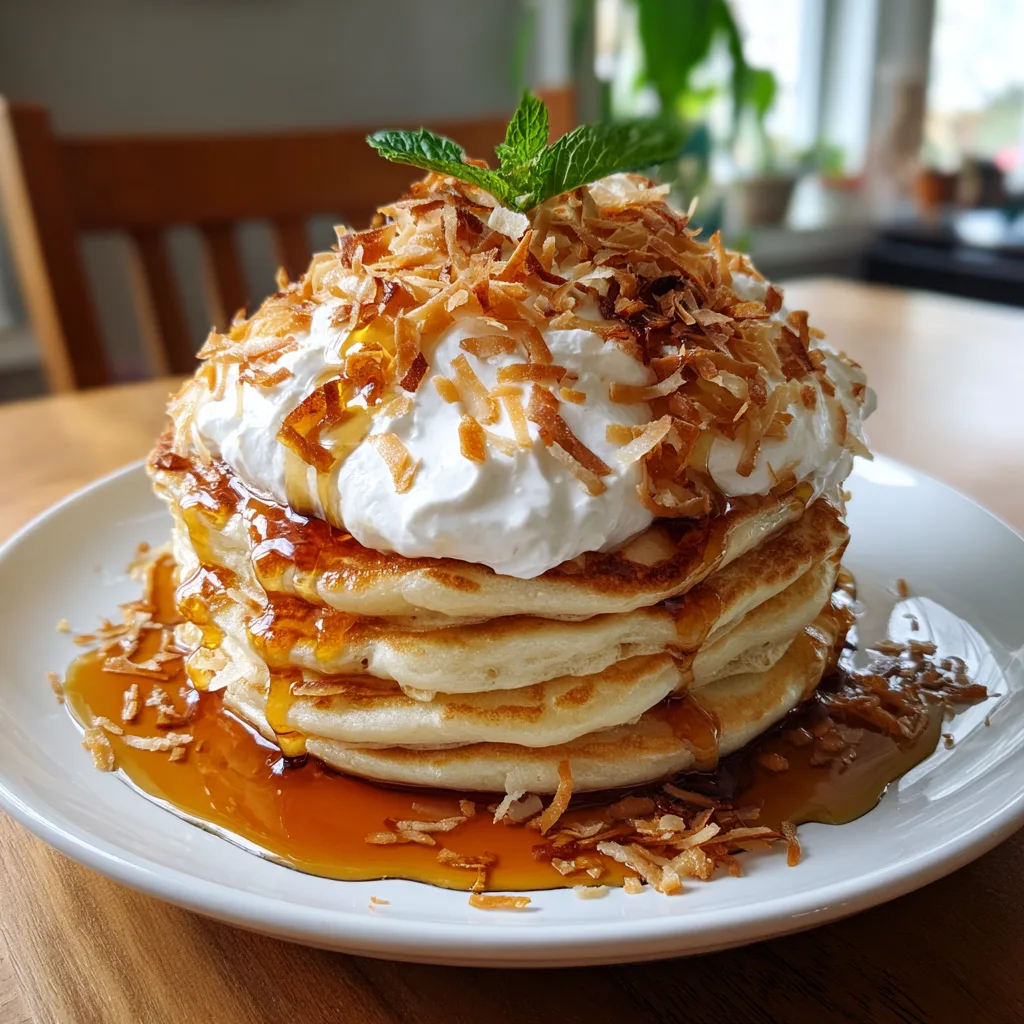
Imagine a towering stack of incredibly thick, ridiculously fluffy, golden-brown pancakes. Now, infuse that batter with the rich, subtle sweetness of coconut milk, and top the entire magnificent stack with a cloud-like dollop of freshly whipped, luxurious coconut cream. Finish it all off with a generous shower of crispy, golden toasted coconut flakes and a waterfall of warm, glossy maple syrup. This recipe is the epitome of indulgence, combining the comforting familiarity of a classic diner-style pancake with the exotic, vibrant flavors of the tropics. In this comprehensive guide, we will dive deep into the science of the perfect pancake, the secrets of whipping coconut cream, and everything you need to know to master this mouth-watering, drool-worthy breakfast masterpiece.
The Anatomy of a Perfect Pancake: The Quest for Fluffiness
Before we introduce the tropical elements, we must first build a solid foundation. A great pancake, regardless of its flavor profile, must possess a specific texture: it should be light, airy, tender, and incredibly fluffy. Achieving this texture is not a matter of luck; it is a matter of culinary science.
The secret to achieving maximum height and fluffiness lies in the delicate balance of leavening agents and the handling of the batter. For these coconut cream pancakes, we utilize a dual-leavening system: baking powder and baking soda. Baking powder activates twice—first when it hits the wet ingredients, and second when it hits the heat of the griddle. Baking soda, on the other hand, needs an acidic ingredient to activate. In traditional buttermilk pancakes, the buttermilk provides this acid. Because we are using coconut milk to infuse our tropical flavor, we add a splash of white vinegar or lemon juice to the batter. This acid reacts vigorously with the baking soda, creating thousands of tiny carbon dioxide bubbles that lift the batter and create that coveted, cloud-like interior.
Equally important is how you handle the batter. The golden rule of pancake making is: do not overmix! When you combine the wet and dry ingredients, you want to stir them together just until the flour streaks disappear. Lumps are completely fine, and actually encouraged. If you whisk the batter until it is perfectly smooth, you will over-develop the gluten in the flour, resulting in tough, rubbery, flat pancakes. Treat the batter gently, and it will reward you with unparalleled tenderness.
Embracing the Tropics: All About Coconut
To truly earn the title of “Coconut Cream Pancakes,” this recipe relies on a layered approach to coconut flavor, utilizing this incredible ingredient in three distinct ways to ensure the tropical essence shines through without being overwhelming or artificial.
1. Coconut Milk in the Batter: We replace the traditional dairy milk with full-fat canned coconut milk. Canned coconut milk is significantly richer and thicker than the coconut milk found in cartons in the dairy aisle. It adds a luxurious mouthfeel, a subtle natural sweetness, and a profound moisture to the pancakes, ensuring they never taste dry. Make sure to shake the can vigorously before opening, as the thick cream and liquid tend to separate in the can.
2. The Whipped Coconut Cream Topping: This is the crowning glory of the dish. Instead of standard whipped dairy cream, we create a rich, dairy-free whipped topping using the solid cream skimmed from a chilled can of full-fat coconut milk. When a can of coconut milk is refrigerated overnight, the fat solidifies at the top, leaving the clear coconut water at the bottom. By scooping out only this thick, opaque cream and whipping it with a little powdered sugar and vanilla, you create a dense, velvety, snow-white topping that melts beautifully over the hot pancakes.
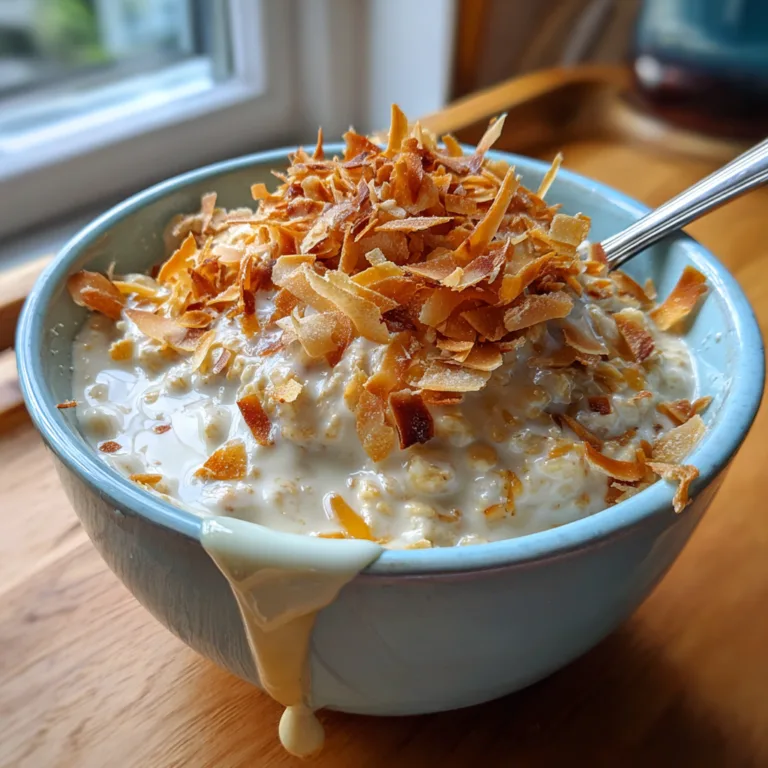
3. Toasted Coconut Flakes: Texture is crucial in any dish, and soft, fluffy pancakes desperately need a contrasting crunch. We achieve this by heavily showering the finished stack with toasted shredded coconut. Toasting the coconut flakes in a dry skillet draws out their natural oils, deepens their flavor from mildly sweet to richly nutty, and provides a delightful, crispy bite that cuts through the soft cream and syrup.
Mastering the Griddle: Temperature and Timing
You can have the most perfect, scientifically balanced batter in the world, but if your griddle is the wrong temperature, your pancakes will suffer. Cooking pancakes is a delicate dance of heat management.
If the griddle is too hot, the outside of the pancake will burn before the inside has a chance to cook through, leaving you with a raw, doughy center. If the griddle is too cold, the pancakes will absorb the butter or oil in the pan, becoming greasy, flat, and heavy, rather than light and airy. The ideal temperature is medium-low to medium (around 350°F to 375°F if you are using an electric griddle).
How do you know when to flip? Patience is key. Pour the batter onto the hot, buttered surface and watch closely. Do not touch them! After about 2 to 3 minutes, you will see bubbles begin to form on the surface of the batter. Wait until those bubbles pop and leave little open craters that do not immediately fill back in with wet batter. Additionally, look at the edges of the pancake; they should look slightly dry and set. When you see these signs, slide a wide, thin spatula quickly and confidently underneath, and flip it in one fluid motion. Cook for just 1 to 2 more minutes on the second side until golden brown.
Ingredients for Tropical Coconut Cream Pancakes
Gather the following high-quality ingredients to begin your weekend baking adventure. Ensure your canned coconut milk for the whipped topping has been chilled overnight!
- For the Pancake Batter:
- – 2 cups all-purpose flour
- – 1/4 cup granulated sugar
- – 1 tablespoon baking powder
- – 1/2 teaspoon baking soda
- – 1/2 teaspoon fine sea salt
- – 1 (13.5 oz) can full-fat coconut milk (shaken well)
- – 1 tablespoon white vinegar (or fresh lemon juice)
- – 2 large eggs, room temperature
- – 1/4 cup unsalted butter, melted and slightly cooled (plus extra for the griddle)
- – 1 teaspoon pure vanilla extract
- – 1/2 teaspoon coconut extract (optional, for a stronger flavor punch)
- For the Whipped Coconut Cream:
- – 1 (13.5 oz) can full-fat coconut milk, chilled in the refrigerator overnight
- – 2 tablespoons powdered sugar
- – 1/2 teaspoon pure vanilla extract
- For the Topping and Garnish:
- – 1/2 cup sweetened shredded coconut, toasted
- – High-quality pure maple syrup or coconut syrup
- – Fresh mint sprigs (optional, for a pop of color)
Step-by-Step Instructions
Follow these meticulous instructions to achieve the tallest, fluffiest, most flavorful tropical pancakes imaginable.
- Chill the Cream: The night before you plan to make these pancakes, place one can of full-fat coconut milk in the coldest part of your refrigerator. Do not shake it! You want the fat and liquid to separate.
- Make the Coconut Buttermilk: In a large liquid measuring cup, combine the well-shaken, room-temperature can of coconut milk (for the batter) with the white vinegar. Stir gently and let it sit for 5 to 10 minutes to curdle slightly. This mimics the acidity of buttermilk.
- Whisk the Dry Ingredients: In a large mixing bowl, aggressively whisk together the all-purpose flour, granulated sugar, baking powder, baking soda, and fine sea salt. Ensure the leavening agents are evenly distributed throughout the flour.
- Combine the Wet Ingredients: To the curdled coconut milk mixture, add the room-temperature eggs, melted butter, vanilla extract, and coconut extract (if using). Whisk until completely smooth and homogeneous.
- Mix the Batter: Pour the wet ingredients into the center of the dry ingredients. Using a rubber spatula or a wooden spoon, gently fold the mixture together. Stop mixing as soon as the last streak of dry flour disappears. The batter should be thick and slightly lumpy. Do not overmix! Let the batter rest undisturbed for 10 minutes. This allows the flour to hydrate and the leavening agents to begin creating lift.
- Toast the Coconut: While the batter rests, place a dry skillet over medium-low heat. Add the shredded coconut. Stir continuously for 3 to 5 minutes until the coconut turns a beautiful, fragrant golden brown. Remove immediately from the pan to a small bowl so it stops cooking.
- Cook the Pancakes: Heat a large griddle or heavy-bottomed non-stick skillet over medium heat. Melt a small pat of butter on the surface, wiping away excess with a paper towel. Using a 1/3 cup measure, scoop the rested batter onto the hot griddle, leaving space between each pancake. Cook for 2 to 3 minutes until bubbles form, pop, and stay open, and the edges look set. Flip confidently and cook for 1 to 2 more minutes on the second side until deeply golden brown. Transfer cooked pancakes to a wire rack in a 200°F oven to keep warm while you cook the rest.
- Whip the Coconut Cream: Remove the chilled can of coconut milk from the fridge. Open carefully without shaking. Scoop the solid, thick white cream from the top into a chilled mixing bowl. Leave the clear coconut water at the bottom (save it for smoothies!). Add the powdered sugar and vanilla extract to the cream. Using a hand mixer, whip on medium-high speed for 1 to 2 minutes until it becomes light, fluffy, and resembles traditional whipped cream.
- Assemble and Serve: Stack 3 to 4 warm pancakes on a plate. Dollop a massive, generous spoonful of the whipped coconut cream right on top. Shower the entire stack heavily with the toasted coconut flakes. Drizzle generously with warm maple syrup, letting it pool around the plate. Garnish with a tiny sprig of fresh mint and serve immediately.
Pro-Tips for Pancake Perfection
Take your breakfast game to the next level with these expert insider tips:
- The First Pancake Rule: Embrace the fact that the first pancake is almost always a “tester.” It allows you to gauge the exact temperature of your griddle and adjust the heat before committing the rest of your precious batter.
- Butter vs. Oil: While butter tastes better, it has a lower smoke point and can burn over the course of cooking a large batch of pancakes. For the best of both worlds, wipe your pan with a tiny bit of neutral oil (like canola or avocado) and add just a tiny sliver of butter for flavor.
- Keep Them Warm and Crispy: Never stack cooked pancakes on a flat plate while you finish the batch; the steam will make the bottom pancakes soggy. Instead, place them in a single layer on a wire cooling rack set inside a baking sheet, and keep them in a warm (200°F) oven. This keeps the edges crispy and the centers warm.
Creative Tropical Variations and Add-ins
This recipe provides a phenomenal base that practically begs for creative, tropical additions. Feel free to customize your stack!
- Macadamia Nut Crunch: To lean heavily into the Hawaiian island vibe, roughly chop half a cup of roasted macadamia nuts and fold them directly into the pancake batter, or sprinkle them on top with the toasted coconut flakes.
- Pineapple Upside-Down Pancakes: Place a thin slice of fresh pineapple on the griddle and pour the pancake batter directly over it. The pineapple will caramelize beautifully into the top of the pancake as it cooks.
- Mango and Papaya Salsa: Skip the maple syrup entirely. Dice fresh, ripe mango, papaya, and a little squeeze of lime juice, and spoon this bright, vibrant tropical fruit salsa over the whipped coconut cream instead.
- Chocolate Coconut (Mounds Bar) Pancakes: Chocolate and coconut are a legendary pairing. Fold a half cup of high-quality dark chocolate chips into the batter for a rich, decadent, dessert-like breakfast experience.
Storage, Freezing, and Reheating Strategies
Pancakes are surprisingly excellent for meal prep, making busy weekday mornings feel like a weekend treat.
To Store Leftovers: Allow the cooked, un-topped pancakes to cool completely to room temperature. Store them in an airtight container or zip-top bag in the refrigerator for up to 3 days.
To Freeze: Pancakes freeze beautifully. Lay the cooled pancakes in a single layer on a baking sheet and freeze for 1 hour until solid (this prevents them from sticking together). Transfer the frozen pancakes to a heavy-duty freezer bag, squeezing out as much air as possible. They will keep for up to 2 months.
To Reheat: Do not use the microwave if you want to keep them fluffy! The absolute best way to reheat pancakes is in a standard toaster or toaster oven. Pop them in just like a slice of bread on a medium setting. They will warm through the center and regain their slightly crispy, buttery edges.
Conclusion
These Fluffy Coconut Cream Pancakes are more than just a recipe; they are a celebration of breakfast. By combining the perfect, scientifically-backed fluffy pancake batter with the rich, luxurious, and exotic flavors of coconut cream and toasted flakes, you create a dining experience that is indulgent, memorable, and completely irresistible. The visual appeal of the towering stack dripping with golden syrup and snow-white cream is matched only by the incredible, melt-in-your-mouth texture. So, this weekend, skip the standard cereal or plain toast, grab a can of coconut milk, and bring the tropical vacation straight to your kitchen table. Your family, your friends, and your tastebuds will thank you!
Fluffy Coconut Cream Pancakes
Ingredients
Equipment
Method
- The night before, place one can of full-fat coconut milk in the fridge to chill. Do not shake it.
- Mix the room-temperature, well-shaken can of coconut milk with white vinegar. Let sit 5-10 minutes to curdle slightly.
- In a large bowl, whisk together flour, sugar, baking powder, baking soda, and salt.
- Whisk eggs, melted butter, and vanilla into the curdled coconut milk mixture.
- Pour wet ingredients into dry ingredients. Fold gently until just combined. Lumps are okay. Let batter rest for 10 minutes.
- Toast shredded coconut in a dry skillet over medium-low heat until golden. Set aside.
- Heat a griddle to medium heat and lightly butter. Pour 1/3 cup of batter per pancake. Cook until bubbles pop and edges set (2-3 mins). Flip and cook 1-2 mins more.
- Open chilled coconut milk can. Scoop out only the solid white cream. Whip with powdered sugar and vanilla until fluffy.
- Stack pancakes, top with a large dollop of whipped coconut cream, toasted coconut flakes, and maple syrup. Serve immediately.