French Toast Muffins
The Ultimate Cinnamon Sugar French Toast Muffins Recipe
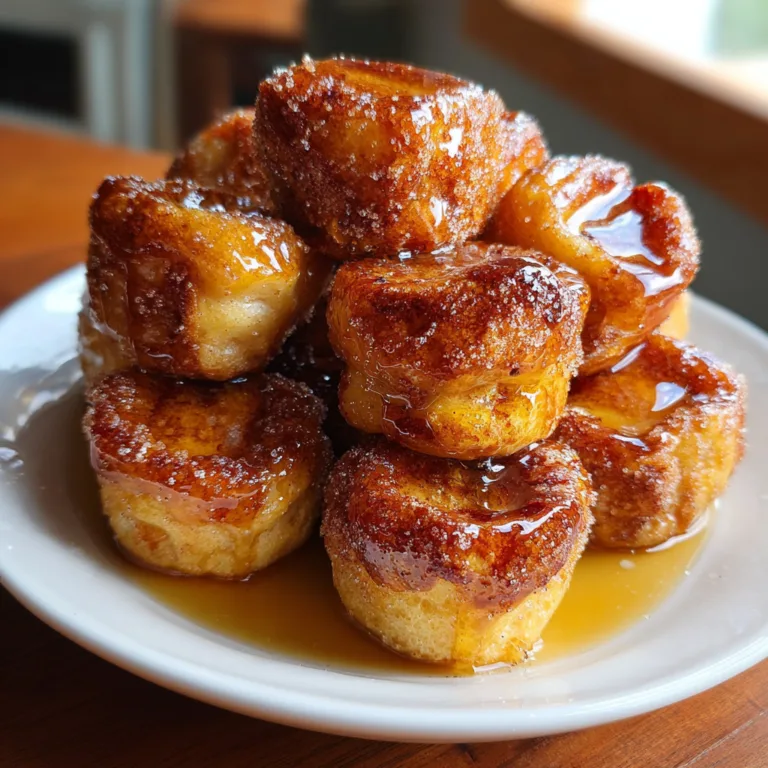
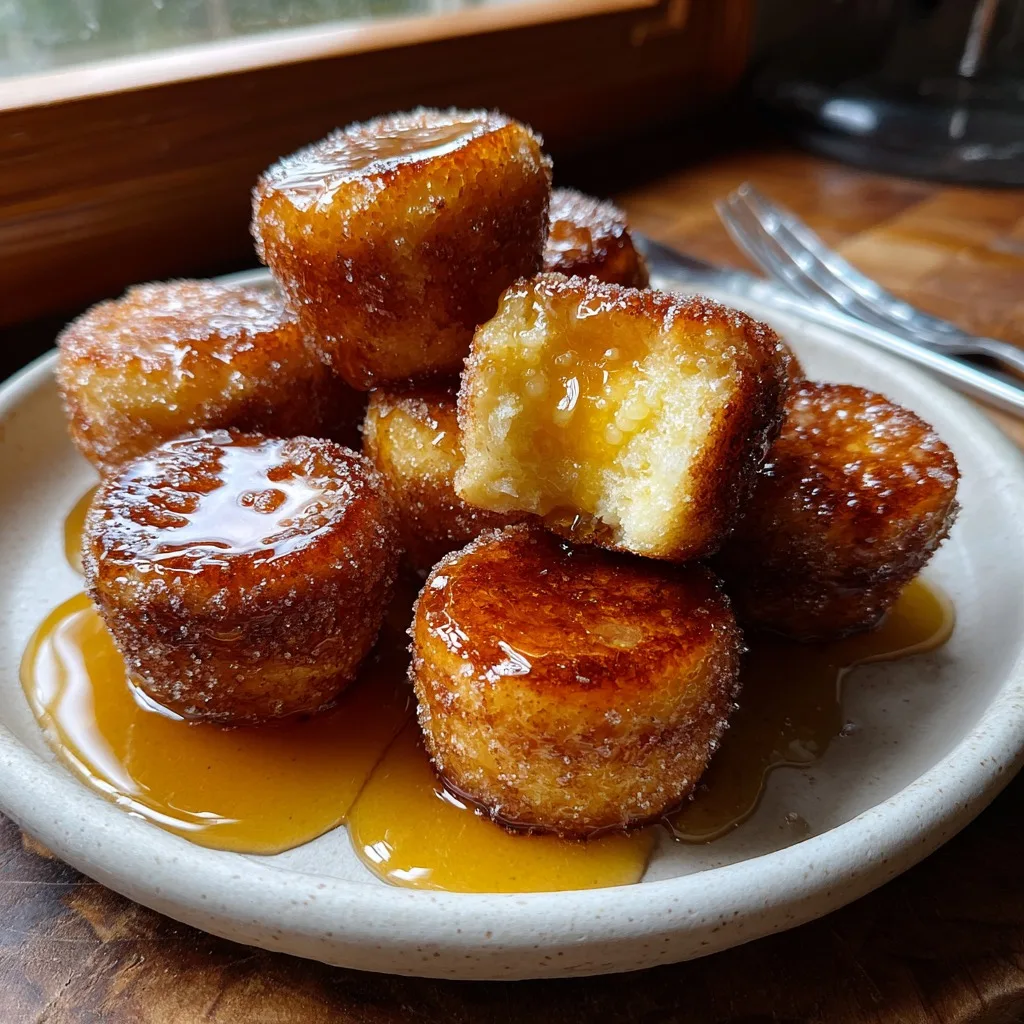
Welcome to your new favorite weekend breakfast obsession! If you have ever found yourself torn between the comforting, custard-soaked goodness of classic French toast and the convenient, grab-and-go portability of a freshly baked muffin, this recipe is here to solve your morning dilemmas. Cinnamon Sugar French Toast Muffins combine the absolute best of both worlds into one delightful, bite-sized treat. These muffins feature a soft, pillowy interior that perfectly mimics traditional French toast, encased in a crispy, buttery, cinnamon-sugar crust that crunches beautifully with every single bite.
Whether you are hosting a grand Sunday brunch for extended family, looking for a clever way to use up slightly stale bread, or simply wanting to meal-prep a sweet morning treat for busy weekdays, this comprehensive guide will walk you through everything you need to know. We will cover the science of the perfect custard soak, the best types of bread to use, and tips for achieving that bakery-level cinnamon sugar crust. Get ready to transform your breakfast routine!
Why You Will Fall in Love with These French Toast Muffins
There are countless reasons why these incredible Cinnamon Sugar French Toast Muffins deserve a permanent spot in your recipe rotation. First and foremost is the incredible texture contrast. Baking French toast in a muffin tin rather than pan-frying it on a griddle allows the edges to crisp up wonderfully while the center remains delightfully dense and creamy, almost like a bread pudding. The generous roll in melted butter and a sparkling cinnamon-sugar mixture right after baking takes them completely over the top, giving them a donut-hole-like exterior that is utterly irresistible.
Furthermore, this recipe is a logistical dream for hosts. Traditional French toast requires standing over a hot stove, flipping slice after slice while your guests eat in shifts or the first batches go cold. With these muffins, the oven does all the heavy lifting. You can bake an entire batch—or even two—simultaneously, meaning everyone gets to enjoy a hot, fresh breakfast together. They are also incredibly kid-friendly, perfectly portioned for little hands, and eliminate the need for sticky syrup if you prefer to eat them on the go.
The History and Cultural Context of French Toast
To truly appreciate these muffins, it is fun to look back at the origins of the dish that inspired them. French toast, despite its name, has roots that trace back long before the country of France even existed. The concept of soaking stale bread in a mixture of milk and eggs and then cooking it was born out of sheer necessity. In ancient times, food was scarce and wasting it was not an option. Cooks needed a way to make hard, days-old bread palatable again.
The earliest known reference to a dish resembling French toast can be found in the Apicius, a collection of Latin recipes dating back to the 4th or 5th century Roman Empire. The recipe, simply called “aliter dulcia” (another sweet dish), instructs the cook to slice fine white bread, remove the crust, break it into large pieces, soak it in milk and beaten eggs, fry it in oil, and cover it with honey.
Throughout medieval Europe, similar dishes were popular. In France, the dish is famously known as “pain perdu,” which translates directly to “lost bread,” highlighting its role as a rescuer of bread that would otherwise be lost to staleness. The modern American term “French toast” likely originated in the 17th century from English settlers who brought the recipe over from Europe. By taking this centuries-old concept of “pain perdu” and adapting it into a modern muffin tin format, we are continuing a long culinary tradition of delicious innovation and resourceful cooking.
Ingredients You Will Need
The beauty of this recipe lies in its simplicity. You likely already have most, if not all, of these pantry staples in your kitchen right now. Here is everything required to make the magic happen:
- – 1 loaf (about 14-16 oz) sturdy bread (such as French bread, Brioche, or Challah), preferably a day or two old
- – 4 large eggs, room temperature
- – 1 cup whole milk (or half-and-half for a richer texture)
- – 1/4 cup heavy cream
- – 1/3 cup granulated sugar (for the custard)
- – 1 tablespoon pure vanilla extract
- – 1 teaspoon ground cinnamon (for the custard)
- – 1/4 teaspoon ground nutmeg
- – 1/4 teaspoon salt
For the Cinnamon Sugar Coating:
- – 1/2 cup granulated sugar
- – 1 tablespoon ground cinnamon
- – 1/2 cup (1 stick) unsalted butter, melted
Step-by-Step Instructions
Follow these detailed steps to achieve perfect French toast muffins every single time. Patience during the soaking process is key to a great texture!
- Prep your workspace and oven: Preheat your oven to 350°F (175°C). Generously grease a standard 12-cup muffin tin with non-stick cooking spray or softened butter. It is crucial to grease the tin well, as the egg mixture can stick easily to the sides.
- Prepare the bread: Cut your loaf of bread into small, bite-sized cubes, roughly 1/2-inch to 3/4-inch in size. If your bread is very fresh, spread the cubes out on a baking sheet and toast them in the oven for 5-10 minutes just to dry them out slightly. This helps them absorb the custard without turning to complete mush.
- Whisk the custard base: In a large mixing bowl, crack the large eggs and whisk them lightly. Add the whole milk, heavy cream, 1/3 cup of granulated sugar, pure vanilla extract, 1 teaspoon of ground cinnamon, ground nutmeg, and salt. Whisk everything together vigorously until the mixture is completely smooth and well-combined.
- Combine bread and custard: Add the cubed bread directly into the large bowl with the liquid custard. Use a large rubber spatula or wooden spoon to gently fold the bread into the liquid, ensuring every single piece gets coated. Let the mixture sit for about 10 to 15 minutes, stirring occasionally, so the bread has time to soak up the glorious flavors.
- Fill the muffin tin: Once the bread has absorbed most of the liquid, spoon the soaked bread cubes into your prepared muffin tin. Fill each cup completely to the top, pressing down very gently to pack the cubes in so they stick together as they bake. Pour any remaining liquid from the bottom of the bowl evenly over the top of the filled muffin cups.
- Bake to golden perfection: Place the muffin tin in the center of your preheated oven. Bake for 20 to 25 minutes. You will know they are done when the tops are puffed up, golden brown, and feel firm and springy to the touch.
- Cool slightly: Remove the tin from the oven and let the muffins cool in the pan for about 5 minutes. This brief resting period helps them hold their shape when you remove them. Carefully run a butter knife around the edges of each muffin and lift them out onto a wire cooling rack.
- Prepare the topping: While the muffins are cooling slightly, melt your stick of unsalted butter in a small, shallow bowl. In a separate small, shallow bowl, whisk together the 1/2 cup of granulated sugar and 1 tablespoon of ground cinnamon.
- Coat the muffins: While the muffins are still warm, take each one and quickly dip it entirely into the melted butter, letting any excess drip off. Immediately roll the buttered muffin in the cinnamon-sugar mixture until it is completely coated on all sides. Repeat with all muffins.
- Serve and enjoy: Serve the muffins warm. They are fantastic entirely on their own, but you can also serve them with a side of warm maple syrup for dipping, a dollop of whipped cream, or fresh berries!
Pro-Tips for the Best French Toast Muffins
Baking is both an art and a science. Here are some expert tips to elevate your muffins from good to gourmet:
The Bread Choice Matters: The type of bread you use will dramatically affect the final outcome. Rich, egg-based breads like Brioche or Challah yield a wonderfully decadent, melt-in-your-mouth muffin. Crusty artisan loaves or French bread will provide a bit more chew and structure. Avoid standard, pre-sliced sandwich bread if possible, as it is too thin and soft, often resulting in a soggy, dense muffin rather than a fluffy one.
The Importance of Stale Bread: You want your bread to be somewhat dry. Fresh bread is already full of its own moisture and cannot absorb much of the egg custard. Stale bread acts like a sponge, eagerly soaking up the milk and eggs, which gives you that perfect custardy center without falling apart.
Do Not Rush the Soak: Give the bread ample time to sit in the custard mixture. 10 to 15 minutes is the sweet spot. If you rush it, you will have dry bread in the center of your muffins. If you leave it too long, it might disintegrate. Stirring gently halfway through ensures even absorption.
Creative Variations to Try
Once you master the base recipe, these Cinnamon Sugar French Toast Muffins serve as a wonderful blank canvas for your culinary creativity. Here are some delicious variations to experiment with:
Apple Pie French Toast Muffins: Fold 1 cup of peeled, finely diced Granny Smith apples into the bread and custard mixture before filling the muffin tins. Add an extra pinch of nutmeg and a dash of allspice to the custard.
Berry Bonanza: Gently fold 3/4 cup of fresh or frozen blueberries, raspberries, or chopped strawberries into the soaked bread mixture. If using frozen berries, do not thaw them first, as they will bleed color into your batter.
Pecan Praline: Add 1/2 cup of finely chopped toasted pecans into the mix. For the topping, swap half of the granulated sugar in the coating for brown sugar for a deeper, caramel-like flavor.
Chocolate Chip Delight: For a decadent twist, sprinkle mini chocolate chips into the muffin cups as you fill them with the bread mixture. The chocolate will melt into little pockets of joy inside the muffins.
Serving Suggestions for a Complete Brunch
While these muffins are undeniably the star of the show, a well-rounded breakfast or brunch needs supporting actors. Here is how to build a beautiful spread around your Cinnamon Sugar French Toast Muffins:
Savory Pairings: Because these muffins are quite sweet and rich, they pair beautifully with salty, savory sides. Thick-cut, smoky bacon or savory breakfast sausage links provide a necessary flavor contrast. A light, fluffy spinach and feta quiche or a simple plate of softly scrambled eggs also balances the meal perfectly.
Fresh Elements: Cut through the richness with fresh fruit. A vibrant fruit salad featuring citrus, kiwi, and berries, or simply some sliced melon, adds color and a refreshing palate cleanser. You could also serve a yogurt parfait station with Greek yogurt, honey, and granola.
Beverages: A robust, hot cup of dark roast coffee or a bold espresso is the classic pairing, cutting through the sweetness of the cinnamon sugar. Freshly squeezed orange juice, mimosas, or a spiced chai tea latte also complement the warm cinnamon notes beautifully.
How to Store, Freeze, and Reheat
One of the greatest advantages of this recipe is how well it stores, making it a champion of breakfast meal prep.
Storing in the Fridge: If you have leftovers, allow the muffins to cool completely to room temperature. Store them in an airtight container in the refrigerator for up to 4 days. Note that the cinnamon-sugar crust may soften slightly in the fridge due to moisture.
Freezing for Later: These muffins freeze exceptionally well! Once completely cooled, place the muffins in a single layer on a baking sheet and freeze for 1 hour until solid (this prevents them from sticking together). Transfer the frozen muffins to a heavy-duty freezer bag or a freezer-safe airtight container. They will keep well for up to 2 months.
Reheating: To reheat from the fridge, you can pop them in the microwave for 15-20 seconds. However, to restore that delightful crispy exterior, reheating them in a toaster oven or standard oven at 350°F (175°C) for 5-8 minutes is highly recommended. If reheating directly from frozen, bake at 350°F for 10-15 minutes until warmed completely through.
Frequently Asked Questions (FAQ)
Can I prepare this recipe overnight?
Yes, absolutely! You can assemble the bread and custard mixture in a large bowl, cover it tightly with plastic wrap, and let it sit in the refrigerator overnight. In the morning, simply give it a gentle stir, portion it into your greased muffin tin, and bake. You may need to add 2-3 extra minutes to the baking time since the mixture will be cold from the fridge.
Can I make these dairy-free?
Yes, you can easily adapt this recipe to be dairy-free. Substitute the whole milk and heavy cream with a rich, unsweetened non-dairy milk, such as oat milk, almond milk, or full-fat coconut milk. For the buttery coating, use a high-quality vegan butter substitute, melted, before rolling in the cinnamon sugar.
Why did my muffins deflate after baking?
It is completely normal for French toast muffins to puff up significantly in the oven and then settle slightly as they cool. This happens because the steam that builds up inside the egg custard escapes. However, if they deflate drastically and become dense pucks, it may mean your bread was too fresh (holding too much moisture) or you did not bake them quite long enough to fully set the custard.
Conclusion
These Cinnamon Sugar French Toast Muffins are truly a revelation for breakfast lovers. They take the beloved, nostalgic flavors of a classic Sunday morning breakfast and package them into a convenient, irresistibly crunchy, and delightfully sweet format. Whether you are baking for a crowd or preparing for a busy work week, this recipe delivers maximum flavor with minimal fuss. Gather your ingredients, grab a muffin tin, and prepare to be amazed by the incredible aroma that will fill your kitchen as these bake. Happy cooking!
Cinnamon Sugar French Toast Muffins
Ingredients
Equipment
Method
- Preheat oven to 350°F (175°C). Generously grease a 12-cup muffin tin.
- Cut bread into 1/2-inch cubes. If bread is very fresh, toast lightly in the oven for 5 minutes.
- In a large bowl, whisk together eggs, milk, heavy cream, 1/3 cup sugar, vanilla, 1 tsp cinnamon, nutmeg, and salt.
- Add bread cubes to the egg mixture. Gently fold to coat. Let sit for 10-15 minutes to absorb the liquid.
- Scoop soaked bread into the prepared muffin tin, filling to the top and pressing gently. Pour any leftover liquid evenly over the tops.
- Bake for 20-25 minutes until puffed and golden brown.
- Let cool in the pan for 5 minutes, then transfer to a wire rack.
- In a small bowl, melt the butter. In another bowl, mix 1/2 cup sugar and 1 tbsp cinnamon.
- Dip warm muffins into the melted butter, then roll entirely in the cinnamon-sugar mixture. Serve warm.