Greek Castelvetrano Olive Salad
The Ultimate Greek Salad with Castelvetrano Olives: A Crunch in Every Bite
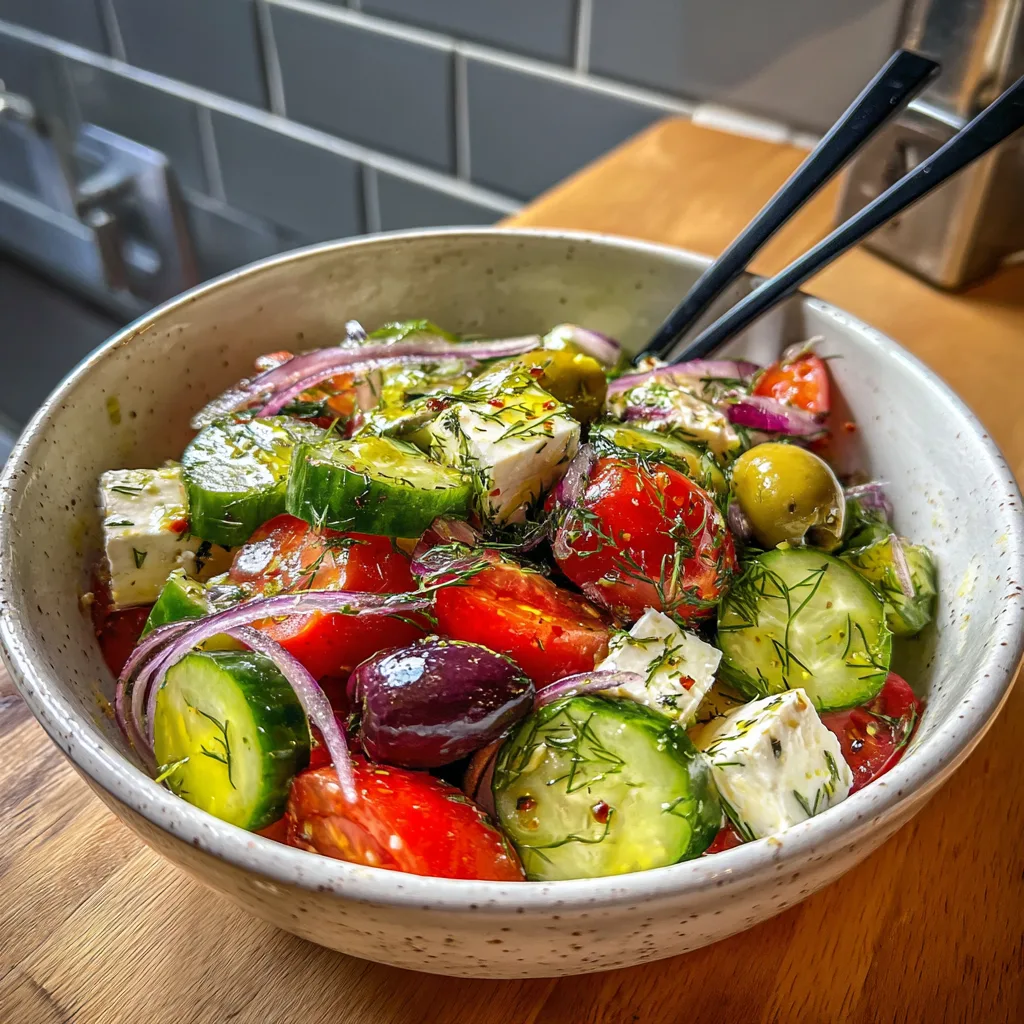
There is something undeniably magnetic about a truly great Greek salad. It isn’t just a bowl of vegetables; it is a celebration of texture, a riot of colors, and a masterclass in how simple ingredients, when treated with respect, can create a symphony of flavor. If you have been scrolling through social media or looking for that perfect, refreshing side dish that steals the show at every dinner party, look no further. This isn’t your average diner salad with limp lettuce and dry feta. This is the Ultimate Greek Salad with Castelvetrano Olives—a recipe that relies on the crunch of Persian cucumbers, the burst of cherry tomatoes, and the buttery, mild richness of Castelvetrano olives rather than the traditional Kalamata.
In this comprehensive guide, we are going to dive deep into exactly how to recreate this viral-worthy dish. We will explore why specific ingredients like Persian cucumbers and fresh herbs make all the difference, the science behind the perfect vinaigrette emulsion, and how to serve this dish so it stays crisp and delicious. Whether you are a seasoned home cook or a kitchen novice, this salad is your ticket to a Mediterranean escape right at your dining table.
Why This Salad Works: The Flavor Profile
The magic of this specific variation of Greek Salad lies in the balance. Traditional Greek salads (Horiatiki) are robust and assertive, often dominated by the sharp brine of Kalamata olives and large blocks of feta. This version, however, takes a slightly brighter, more modern approach.
The star here is undoubtedly the Castelvetrano olive. Unlike their purple, brine-heavy cousins, Castelvetrano olives from Sicily are harvested young and cured in lightly salted brine. The result is a vibrant green fruit with a crisp, meaty texture and a flavor that is buttery, nutty, and mild. When paired with the sharp bite of red onion and the tang of feta, they provide a mellow richness that binds the salad together without overpowering the delicate sweetness of the tomatoes.
Furthermore, the use of Persian cucumbers is non-negotiable for the perfect texture. These thin-skinned, seedless (or nearly seedless) cucumbers are crunchier and less watery than standard slicing cucumbers. This ensures that your salad remains crisp and doesn’t turn into a soup at the bottom of the bowl. Combined with the aromatic punch of fresh dill, parsley, and “lots of oregano,” every bite is a fresh explosion of garden flavors.
Ingredients
The key to a salad with few ingredients is the quality of those ingredients. Do not compromise here. Get the freshest produce you can find.
The Vegetables
- Persian Cucumbers – You will need about 4-5 of these small, crunchy cucumbers. Wash them well; no need to peel them as the skin is thin and adds great texture.
- Cherry Tomatoes – Look for firm, ripe tomatoes. You can use red for a classic look or a multicolored heirloom mix for visual flair.
- Red Onion – Essential for that spicy, aromatic kick. We will slice this very thinly.
- Castelvetrano Green Olives – The buttery star of the show. Buy them pitted for easier eating, or pit them yourself by smashing them with the side of a knife.
The Flavor Makers
- Feta Cheese – Buy a block of feta in brine and cube it yourself. Pre-crumbled feta often contains anti-caking agents that make it dry and chalky. You want the creamy, tangy moisture of block feta.
- Fresh Dill – This adds a unique, grassy, anise-like undertone that lifts the salad instantly.
- Fresh Parsley – Flat-leaf Italian parsley is preferred over curly parsley for a better mouthfeel and more robust flavor.
- Dried Oregano – The recipe calls for “lots of oregano.” This is the earthy backbone of Greek cuisine.
The Dressing
- Extra Virgin Olive Oil (EVOO) – Since this is a raw preparation, use your best quality oil. It should taste fruity and peppery.
- Lemon – You need fresh lemon juice, not the bottled stuff. The acidity cuts through the rich oil and cheese.
- Salt – Sea salt or Kosher salt works best.
- Black Pepper – Freshly cracked is ideal for a bold aroma.
Step-by-Step Instructions
Making this salad is an exercise in knife skills and assembly. There is no cooking involved, which means your focus should be on uniformity and freshness.
1. Prep the Cucumbers
Wash your Persian cucumbers thoroughly. Slice them into bite-sized rounds or half-moons, depending on their thickness. You want chunks that are substantial enough to provide a satisfying crunch but small enough to eat gracefully. Place them in a large mixing bowl.
2. Halve the Tomatoes
Take your cherry tomatoes and slice them in half. If you have particularly large ones, you might want to quarter them. The goal is to expose the juicy interior so it can mingle with the dressing. Add these to the bowl.
3. Slice the Onions
Peel the red onion and slice it into very thin half-moons or slivers. If you find raw onion too pungent, you can soak the slices in ice water for 10 minutes and pat them dry before adding them to the salad. This tames the bite while keeping the crunch. Add to the bowl.
4. Prepare the Olives
Drain your Castelvetrano olives. If they are not pitted, carefully remove the pits. You can leave them whole if they are small, but gently smashing them or tearing them in half allows them to soak up the dressing better. Add a generous handful to the mix.
5. Add the Herbs and Feta
Chop the fresh dill and fresh parsley roughly—you don’t want a fine dust, but rather visible leafy pieces. Add them to the bowl. Next, take your block of feta cheese and cut it into uniform cubes, about the same size as your cucumber chunks. Gently add the feta to the bowl.
6. Dress the Salad
Now for the magic. Drizzle a generous amount of Extra Virgin Olive Oil over the entire mixture. Follow this with a fresh squeeze of lemon juice. The ratio is typically 3 parts oil to 1 part acid, but measure with your heart.
7. Season and Toss
Sprinkle “lots of oregano” over the top. Don’t be shy! Add a pinch of salt (remember, feta and olives are salty, so go easy at first) and freshly cracked black pepper. Using large salad servers, toss the salad gently. You want to coat every ingredient in that glossy dressing without smashing the feta cubes or bruising the tomatoes.
8. Serve
Transfer to a beautiful serving bowl (or keep it in the mixing bowl if it’s decorative). Let it sit for 5-10 minutes before serving to allow the flavors to meld, but not too long or the salt will draw moisture out of the veggies.
Tips for the Perfect Greek Salad
The “Soggy” Factor
One of the biggest enemies of a fresh salad is moisture control. Because cucumbers and tomatoes have high water content, adding salt draws that water out. If you are prepping this in advance, do not add the salt or lemon juice until right before you serve. You can chop all the veggies and herbs and mix them, but keep the dressing separate.
Herb Freshness
If your dill or parsley looks a bit wilted, shock them in a bowl of ice water for 15 minutes before chopping. This will crisp them right back up and ensure your salad looks vibrant and green.
The Olive Swap
If you strictly cannot find Castelvetrano olives (though most well-stocked grocery stores carry them in the antipasti bar or pickle aisle), you can substitute with Cerignola olives, which are also buttery and mild. Avoid generic “black olives” in a can, as they lack the texture and flavor needed for this dish.
Variations and Serving Suggestions
While this recipe is perfection in its simplicity, versatile dishes like this welcome experimentation.
Protein Add-ons:
To turn this side dish into a full meal, consider adding grilled chicken breast, lemon-garlic shrimp, or chickpeas for a vegetarian protein boost. The dressing pairs wonderfully with all of these.
The Grain Bowl:
Serve this salad over a bed of quinoa, farro, or couscous. The juices from the tomatoes and the dressing will seep into the grains, flavoring them beautifully.
Pasta Salad Twist:
Toss this mixture with cold fusilli or penne pasta. If doing this, double the amount of olive oil and lemon juice to ensure the pasta is well-coated.
Serving Pairings:
This Greek Salad is the ideal accompaniment to heavy, savory mains. Serve it alongside:
- Lamb chops with rosemary.
- Moussaka or Pastitsio.
- Grilled fish (like Branzino or Snapper).
- Freshly baked pita bread and hummus.
Nutritional Benefits
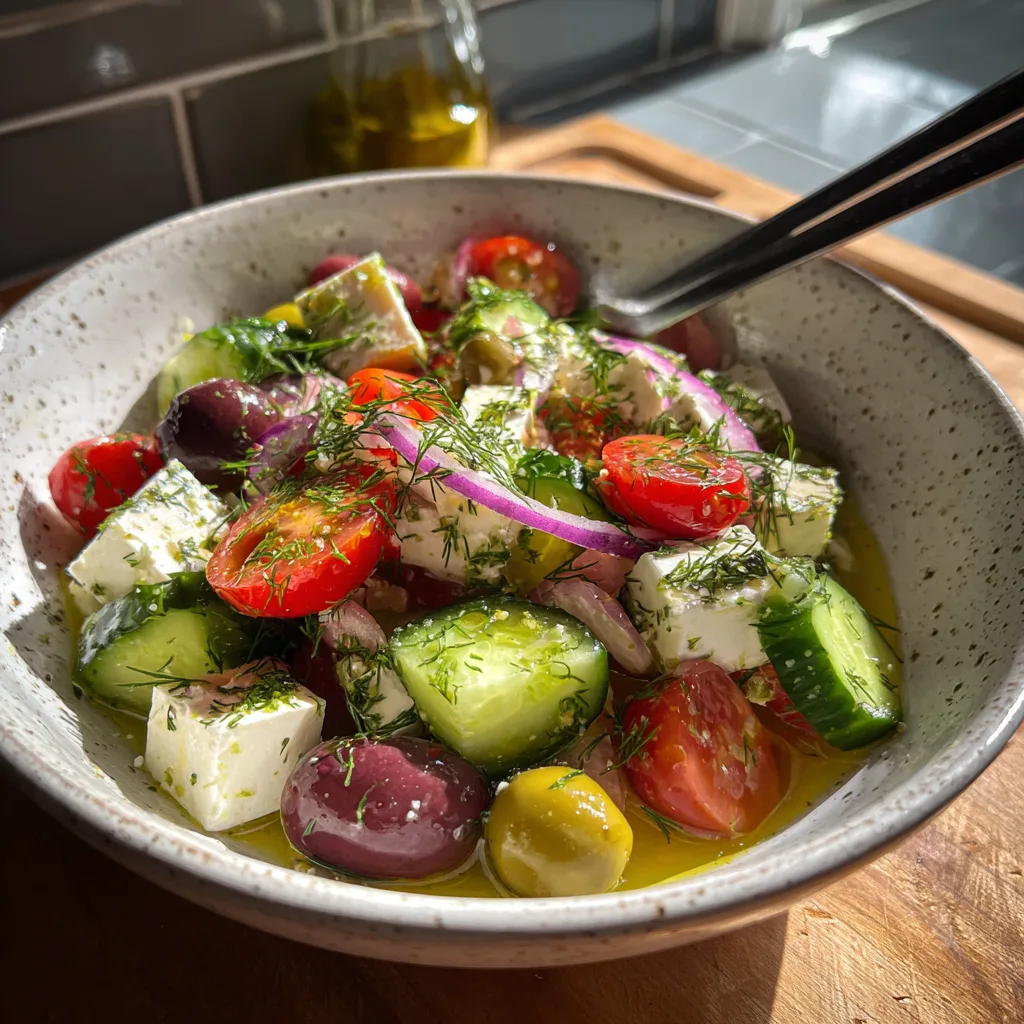
Beyond its taste, this salad is a nutritional powerhouse. The Mediterranean diet is renowned for its heart-health benefits, and this dish is a prime example why.
- Healthy Fats: The Extra Virgin Olive Oil and olives provide monounsaturated fats, which are great for heart health.
- Hydration: Cucumbers are over 95% water, helping you stay hydrated.
- Antioxidants: Tomatoes are rich in lycopene, while onions contain quercetin. The fresh herbs are also packed with antioxidants.
- Probiotics and Calcium: Feta cheese, being a fermented dairy product, offers calcium and beneficial bacteria for gut health.
Frequently Asked Questions
Can I keep leftovers?
Yes, but the texture will change. The cucumbers and tomatoes will release water, mixing with the oil to create more liquid at the bottom. It will still taste delicious (perhaps even better as the flavors marinate), but the veggies won’t be as crunchy. It is best eaten within 24 hours.
Do I have to use Persian cucumbers?
If you can’t find Persian cucumbers, English cucumbers (the long ones wrapped in plastic) are the next best thing. Avoid standard “slicing” cucumbers unless you peel them and scoop out the seeds, as their skin is thick and bitter and their seeds are very watery.
Is this keto-friendly?
Absolutely. This salad is naturally low in carbohydrates and high in healthy fats, making it a perfect option for Keto or low-carb diets.
Conclusion
The beauty of this Greek Salad with Castelvetrano olives lies in its ability to transport you. One bite, and you are no longer in your kitchen; you are overlooking the Aegean Sea, enjoying the simple, unadulterated flavors of the earth. It is a testament to the idea that you don’t need complex techniques to create gourmet food—just great ingredients and a little bit of love. So, grab that block of feta, find the glossiest olives you can, and get chopping. Your new favorite salad awaits.
Greek Salad with Castelvetrano Olives
Ingredients
Equipment
Method
- Wash and chop the Persian cucumbers into bite-sized chunks.
- Slice the cherry tomatoes in half and thinly slice the red onion into slivers.
- If olives are not pitted, remove pits. Lightly smash or halve the Castelvetrano olives.
- Cube the block of feta cheese into uniform pieces.
- In a large bowl, combine cucumbers, tomatoes, onion, olives, feta, chopped dill, and parsley.
- Drizzle generously with Extra Virgin Olive Oil and squeeze fresh lemon juice over the top.
- Season with dried oregano, black pepper, and salt.
- Toss gently to combine ensuring the feta does not break apart, and serve immediately.