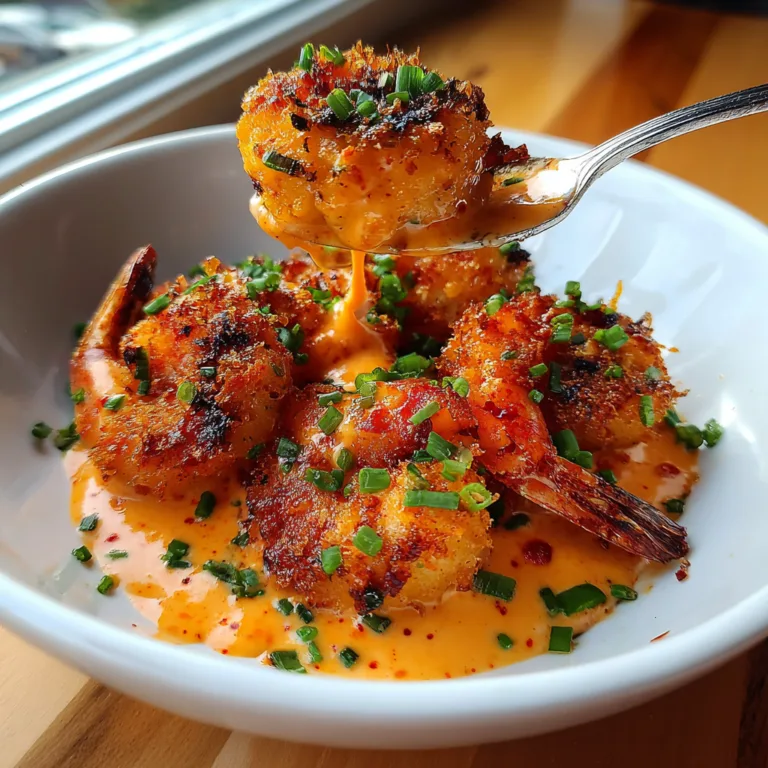
Hawaiian Spam Musubi Recipe
The Ultimate Authentic Hawaiian Spam Musubi Recipe
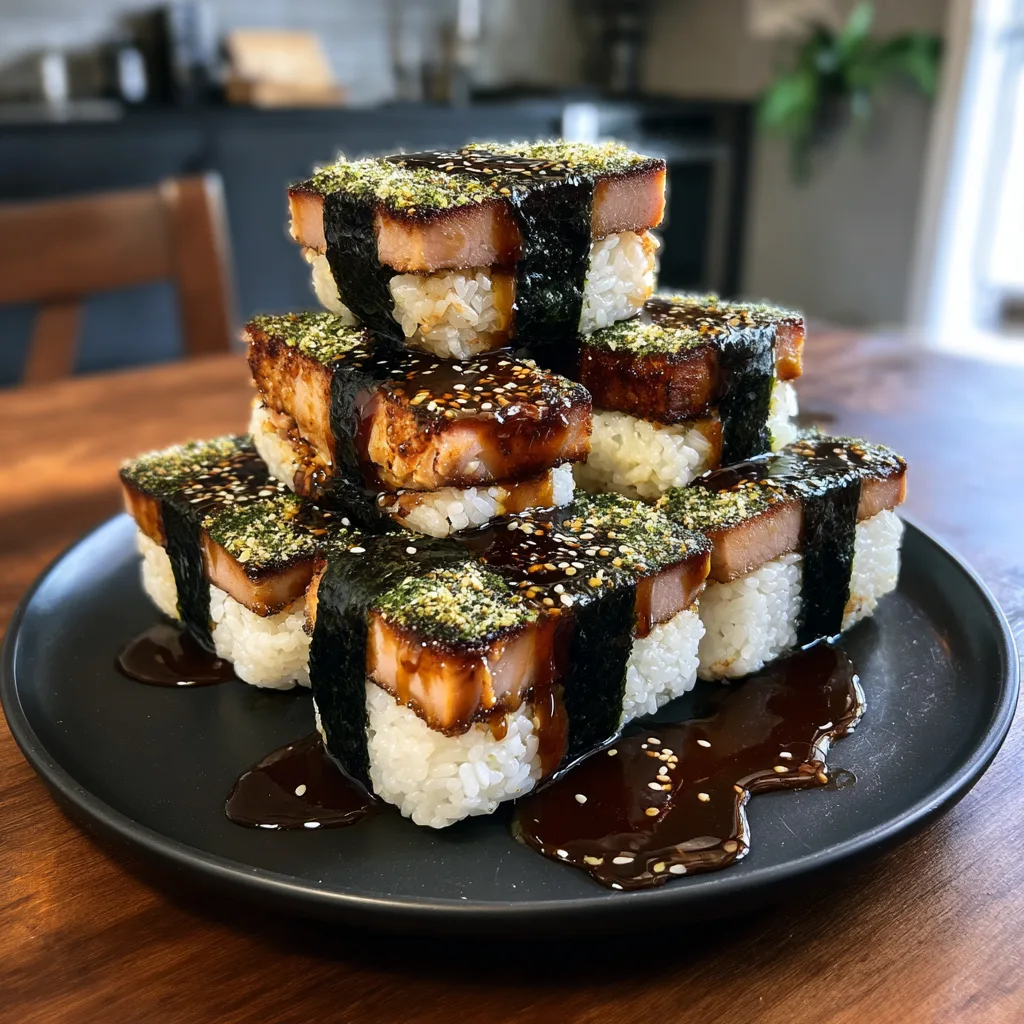
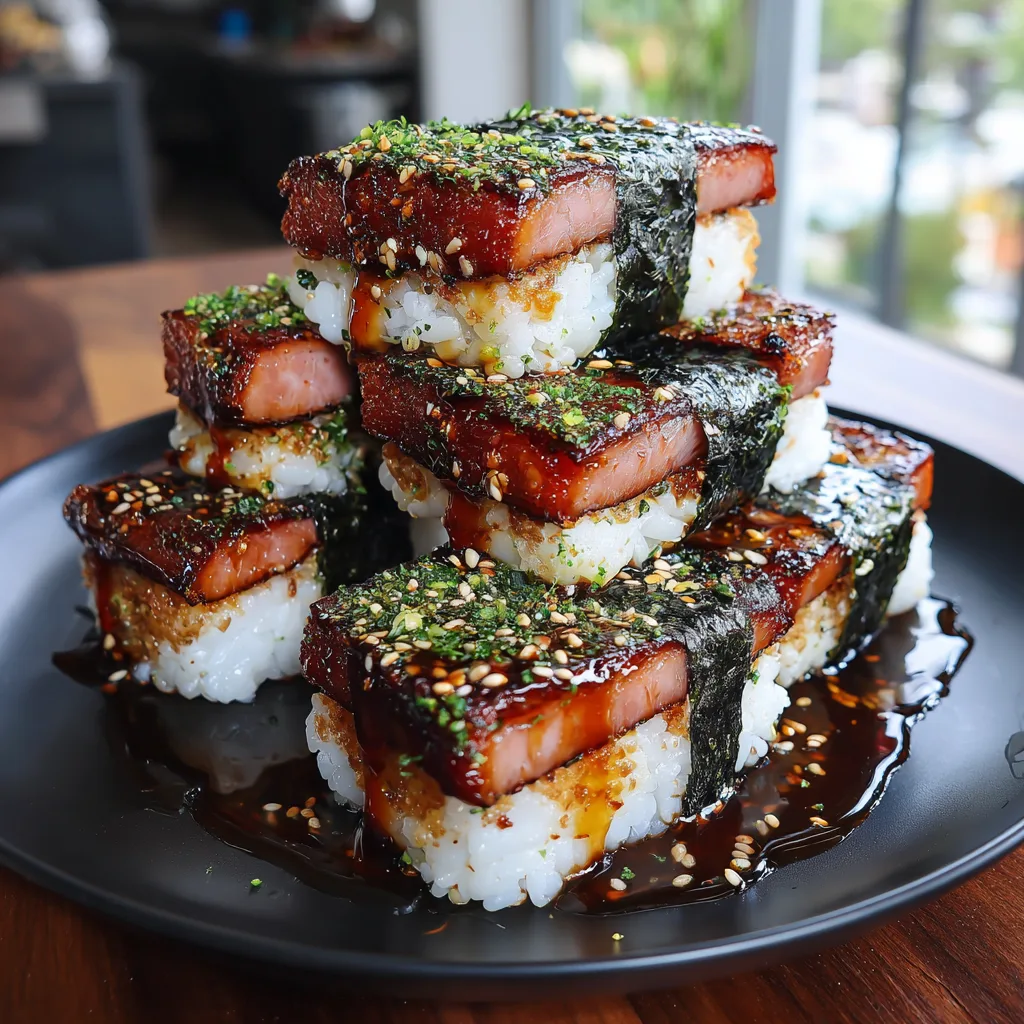
If you have ever visited the beautiful islands of Hawaii, you have undoubtedly encountered the ubiquitous, beloved, and utterly delicious snack known as Spam Musubi. Wrapped in a neat little package of roasted seaweed, this portable treat features a block of perfectly cooked, subtly sweet sticky rice topped with a savory, caramelized, teriyaki-glazed slice of pan-fried Spam, often sprinkled with a savory furikake seasoning. It is the ultimate comfort food, the perfect beach companion, and a staple at local convenience stores, gas stations, and family gatherings across the Aloha State.
For those uninitiated to the magic of this unique culinary fusion, the idea of canned meat on top of rice might seem unusual. However, one bite of a freshly made, warm Spam musubi instantly shatters any preconceived notions. The magic lies in the brilliant contrast of textures and flavors. You have the chewy, briny snap of the roasted nori seaweed, the soft, warm, pillowy bed of short-grain sticky rice, the salty, umami-rich crunch of the furikake seasoning, and the hot, savory, sweet, and sticky pan-fried Spam. It is a masterclass in flavor balancing, delivering salt, fat, acid, and heat in a single, handheld bite. Today, we are going to dive deep into creating the absolute best homemade Spam musubi, ensuring that you can bring a taste of the Hawaiian islands right into your own kitchen, no matter where in the world you happen to be.
The Fascinating Cultural History of Spam in Hawaii
To truly appreciate Spam musubi, one must understand the deep historical and cultural roots of its star ingredient in Hawaii. The story begins during World War II. Due to the heavy military presence on the islands and the inherent difficulties of shipping fresh meat across the Pacific Ocean without modern refrigeration logistics, the United States military relied heavily on canned meats to feed the troops. Spam, short for “Spiced Ham,” was introduced by the Hormel Foods Corporation and quickly became a vital source of protein that could withstand the tropical climate without spoiling.
The local population, facing strict rationing and a lack of fresh provisions, quickly adopted Spam into their own diets. Even after the war ended, the fondness for this canned pork product remained. It was affordable, shelf-stable, and highly versatile. At the same time, Hawaii is home to a massive population of Japanese immigrants and their descendants. In Japanese cuisine, “onigiri” or “omusubi” refers to rice balls—often triangular or cylindrical—wrapped in nori and sometimes filled with pickled plum or salted salmon. They are the quintessential Japanese travel and lunchbox food.
The invention of the Spam musubi is widely credited to a Japanese-American woman named Barbara Funamura from the island of Kauai in the early 1980s. She had the brilliant idea to fuse the Japanese tradition of molded rice and seaweed with the beloved, savory slices of American canned Spam. Originally shaped into triangles, the musubi eventually took on its iconic rectangular shape, mirroring the dimensions of the Spam can itself. Today, Hawaii consumes more Spam per capita than any other state in the US, and the musubi stands as a proud, delicious symbol of the islands’ rich history of cross-cultural culinary innovation.
Breaking Down the Essential Ingredients
Creating the perfect Spam musubi does not require complex culinary techniques, but it does require using the right ingredients. Each component plays a crucial role in the final flavor profile.
1. The Rice: Short Grain or Sushi Rice is Mandatory
You cannot make a successful musubi with standard long-grain white rice, jasmine rice, or basmati rice. Those varieties do not contain the necessary starches (specifically amylopectin) to stick together. You must use short-grain or medium-grain “sticky” rice, often labeled as sushi rice or Calrose rice. When cooked properly, this rice becomes plump, tender, and most importantly, cohesive enough to hold its shape when molded into a block.
2. The Spam: Classic or Low Sodium
While Hormel makes many flavors of Spam today (including Teriyaki, Jalapeño, and Bacon), the classic original Spam is the traditional choice. However, many home cooks prefer to use the “25% Less Sodium” variety. Because we are going to glaze the meat in a mixture of salty soy sauce and sweet brown sugar, using the lower-sodium Spam helps prevent the final musubi from becoming overwhelmingly salty.
3. The Glaze: Soy Sauce, Brown Sugar, and Sesame Oil
This simple three-ingredient marinade is what transforms a standard slice of luncheon meat into a caramelized, gourmet delight. The soy sauce provides a deep umami depth and saltiness. The brown sugar adds a necessary sweetness that balances the salt and helps the edges of the Spam caramelize and crisp up in the pan. A dash of toasted sesame oil adds a nutty, aromatic complexity that bridges the gap between the meat and the Asian-inspired rice.
4. Nori (Roasted Seaweed)
You will need sheets of roasted seaweed, the same kind used for rolling sushi. These large square sheets are typically cut into thirds or halves to create the bands that wrap around the rice and meat, holding everything together while providing a distinct ocean-brine flavor that cuts through the richness of the pork.
5. Furikake Rice Seasoning
Furikake is a dry Japanese condiment meant to be sprinkled on top of cooked rice. While there are countless varieties, a standard furikake usually consists of a mixture of dried seaweed flakes, toasted sesame seeds, salt, and sometimes dried fish flakes or sugar. Adding a generous layer of furikake between the rice and the Spam adds an incredible crunch and an extra layer of savory flavor.
The Equipment: Molds and DIY Alternatives
To get that perfect, uniform rectangular shape, a musubi mold is highly recommended. These are inexpensive, rectangular acrylic or plastic presses specifically designed for this purpose. They have no bottom, allowing you to pack the rice in and push it out perfectly formed.
However, if you do not have a dedicated mold, do not worry! The traditional and arguably most authentic method is to use the empty Spam can itself. To do this safely and effectively, simply open your can of Spam and remove the meat. Wash the empty tin thoroughly with hot, soapy water and dry it completely. To prevent the rice from sticking to the inside of the can, line the empty tin with a large piece of plastic wrap, leaving plenty of overhang. You can then pack your rice into the plastic-lined can, press it down firmly, and pull the plastic wrap out to release a perfectly shaped rice block.
Ingredients List
- – 1 can (12 oz) Spam (Classic or 25% Less Sodium)
- – 4 cups cooked short-grain sticky rice (about 1.5 to 2 cups uncooked rice)
- – 3 to 4 sheets roasted nori seaweed (cut into strips)
- – 1/4 cup soy sauce
- – 1/4 cup brown sugar (packed)
- – 1 teaspoon toasted sesame oil
- – 2 to 3 tablespoons furikake seasoning
- – 1 tablespoon neutral cooking oil (like canola or vegetable oil, for frying)
- – Water (for sealing the seaweed and wetting your hands)
Step-by-Step Instructions
- Prepare the Sticky Rice: Rinse your short-grain rice under cold water until the water runs clear. Cook the rice in a rice cooker or on the stovetop according to the package directions. Once cooked, let it cool slightly so it is warm to the touch but not steaming hot. Keep it covered with a damp towel so it doesn’t dry out.
- Prepare the Glaze: In a small bowl, whisk together the soy sauce, brown sugar, and toasted sesame oil until the sugar is mostly dissolved. Set aside.
- Slice the Spam: Remove the block of Spam from the can. Place it on a cutting board and slice it horizontally into 8 even slices. A good trick is to cut it in half, then cut those halves in half, and so on, to ensure uniform thickness.
- Fry the Spam: Heat a large non-stick skillet or frying pan over medium-high heat. Add a tiny splash of neutral cooking oil. Place the Spam slices in the pan in a single layer (you may need to do this in two batches). Fry for about 2 to 3 minutes on the first side until golden brown and crispy. Flip the slices and fry for another 2 minutes.
- Glaze the Meat: Turn the heat down to medium-low. Pour the soy sauce and brown sugar glaze mixture directly into the pan over the Spam. The mixture will immediately begin to bubble and reduce. Let the Spam simmer in the glaze, flipping the slices frequently so they become evenly coated. Cook until the glaze has thickened into a sticky syrup that clings to the meat (about 2 to 3 minutes). Remove the pan from the heat.
- Prepare the Nori: Take your square sheets of roasted nori and cut them into thirds using kitchen shears. You should end up with long, rectangular strips. Lay one strip horizontally on a clean cutting board or work surface.
- Assemble with the Mold: Place your musubi mold (or your plastic-wrap-lined Spam can) across the middle of the nori strip. Wet your hands slightly with water to prevent the rice from sticking to your fingers. Scoop about 1/2 cup of warm sticky rice into the mold. Use the press top of the mold (or the back of a wet spoon) to pack the rice down firmly and evenly. It needs to be dense so it holds together.
- Add the Seasoning and Meat: Sprinkle a generous layer of furikake seasoning directly onto the pressed rice. Place one slice of the sticky, glazed Spam on top of the furikake layer. Use the mold press to push down firmly one more time to compress the meat into the rice.
- Unmold and Wrap: While pressing down slightly on the top, gently pull the mold casing upward and off the stack. Now, fold one side of the nori strip tightly over the top of the Spam. Dab a tiny bit of water on the edge of the other side of the nori strip, and fold it over to seal the musubi together, much like taping a package.
- Repeat and Serve: Repeat this process for the remaining slices of Spam and rice. Serve immediately while the rice is still warm and the nori is slightly crisp, or wrap them individually for a perfect on-the-go snack.
Pro Tips for the Perfect Musubi
Keep Your Hands Wet: Sticky rice is called sticky for a reason! It will adhere to your hands aggressively. Keep a small bowl of clean water next to your workstation and lightly moisten your fingers before handling the rice. This makes shaping the musubi infinitely easier.
Do Not Over-Reduce the Glaze: When you add the soy sauce and sugar mixture to the hot pan, it will reduce very quickly. Keep a close eye on it. If you let it cook too long, the sugar will burn and turn bitter, and the glaze will harden into candy once it cools. You want a thick syrup, not hard caramel.
Pack the Rice Firmly: The most common mistake beginners make is not pressing the rice hard enough. If the rice is loosely packed, the musubi will crumble and fall apart as soon as you take a bite. Put some muscle into the pressing step to ensure structural integrity.
Creative Variations to Explore
While the classic recipe is unbeatable, Spam musubi is highly customizable. Once you master the basic technique, try incorporating these delicious variations:
The Egg Layer: A very popular addition in Hawaii is a layer of sweet, thin omelet (tamagoyaki). Beat a few eggs with a dash of soy sauce and sugar, fry it into a thin sheet, cut it into rectangles the size of your Spam, and layer it between the rice and the meat.
Spicy Mayo: For those who like a kick, drizzle a generous amount of spicy mayonnaise (a mixture of Kewpie mayo and sriracha) over the rice before adding the Spam. This adds a creamy, spicy element that contrasts beautifully with the sweet teriyaki glaze.
Katsu Musubi: If you want to take things to the next level, bread your slices of Spam in panko breadcrumbs and deep fry them until crispy before glazing them. This adds an incredible crunch that mimics Japanese tonkatsu.
Storage and Reheating Instructions
Spam musubi is undeniably at its absolute peak right after it is made. The rice is warm and soft, the meat is hot, and the nori still retains a bit of its roasted snap. However, they make excellent leftovers and meal-prep items if handled correctly.
To store them, wrap each musubi individually and tightly in plastic wrap. This prevents the rice from drying out and becoming hard in the refrigerator. Store the wrapped musubi in the fridge for up to 3 days. When you are ready to eat, do not eat them cold! Cold sticky rice is hard and unappetizing. Keep the musubi in its plastic wrap and microwave it for about 20 to 30 seconds until it is warm and the rice has softened again. The nori will be soft rather than crispy, but the flavors will be just as comforting and delicious as day one.
Hawaiian Spam Musubi
Ingredients
Equipment
Method
- Cook the short-grain sticky rice according to package instructions and let cool slightly so it is warm but manageable.
- Whisk together the soy sauce, brown sugar, and sesame oil in a small bowl to create the glaze.
- Slice the Spam horizontally into 8 equal pieces.
- Heat cooking oil in a large skillet over medium-high heat. Fry Spam slices for 2-3 minutes per side until lightly crispy and browned.
- Reduce heat to medium-low. Pour the soy sauce and brown sugar glaze over the Spam. Let bubble and reduce for 2-3 minutes, flipping meat to coat thoroughly until sticky.
- Lay a strip of roasted seaweed horizontally on a cutting board. Place a musubi mold across the center of the strip.
- Using wet hands, press about 1/2 cup of warm sticky rice firmly into the mold.
- Sprinkle an even layer of furikake rice seasoning over the packed rice.
- Top with a slice of the glazed Spam and use the mold press to firmly compress everything together.
- Remove the mold casing. Fold one end of the seaweed over the top, wet the other end with a drop of water, and fold over to seal tightly. Repeat for remaining slices.