Huli Huli Chicken Stack
The Ultimate Hawaiian Huli Huli Chicken Stack: A Tropical Flavor Explosion
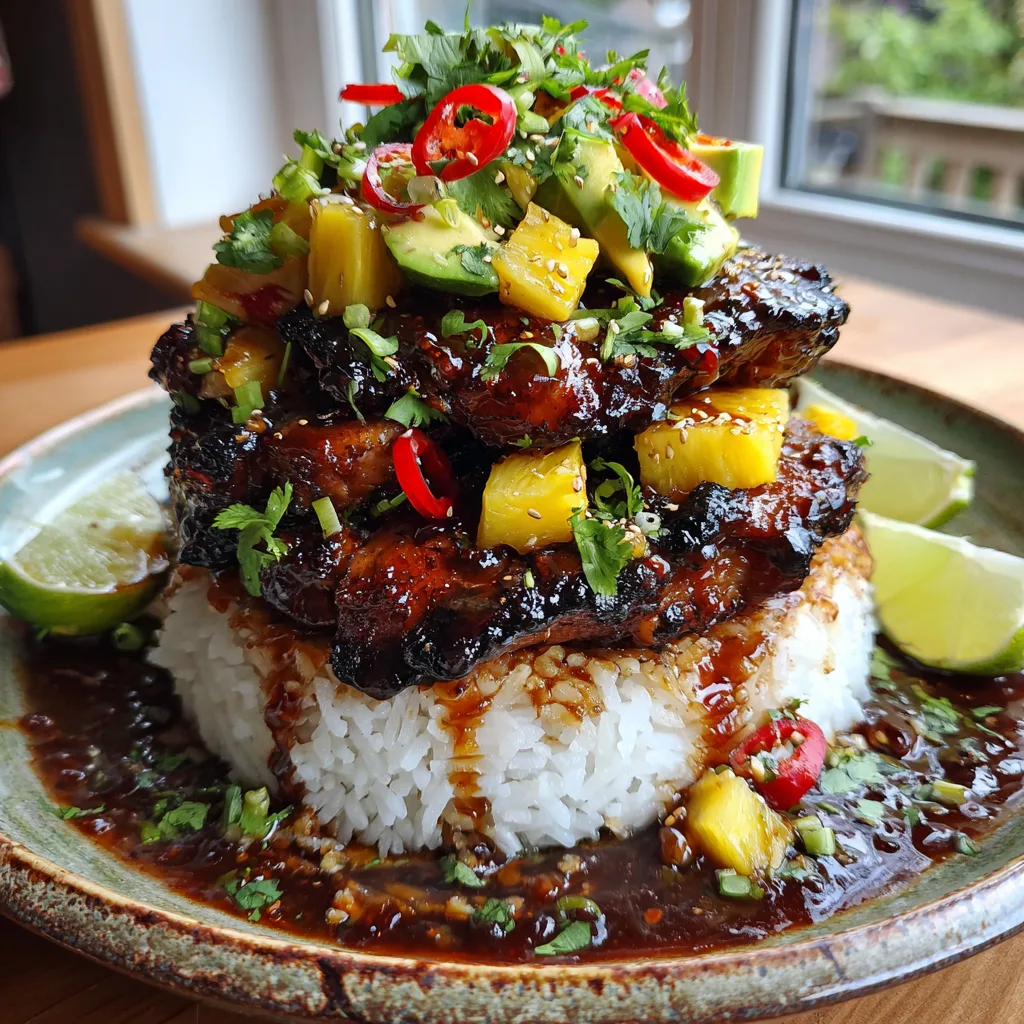
Imagine being transported to the lush, sun-drenched islands of Hawaii with just one bite. The salty ocean breeze, the vibrant tropical fruits, and the irresistible aroma of sweet, savory, and smoky meats roasting over an open flame. While we cannot all jump on a plane to Oahu or Maui for dinner tonight, we can absolutely bring that iconic island flavor right into our own kitchens. Enter the Hawaiian Huli Huli Chicken Stack—a towering, visually spectacular, and mouth-wateringly delicious masterpiece that is guaranteed to become a legendary recipe in your household rotation. This is not just a meal; it is an event.
This comprehensive guide is going to walk you through everything you need to know to create the perfect Huli Huli Chicken Stack. We will dive deep into the fascinating history of the dish, break down the science of the magical sweet-and-savory marinade, explore the best cooking techniques to achieve those glorious charred edges, and explain exactly how to build a structural masterpiece of rice, chicken, and fresh tropical toppings. Prepare your tastebuds for a journey of sweet pineapple, creamy avocado, spicy chili, and sticky, umami-rich chicken.
The Fascinating History of Huli Huli Chicken
Before you take a bite of this incredible dish, it is worth understanding the rich cultural history behind it. The phrase “Huli Huli” is synonymous with Hawaiian comfort food, but it is actually a relatively modern invention. The recipe and the name were created in 1955 by Ernest Morgado, a Honolulu businessman who cooked up a batch of chicken using his mother’s secret teriyaki-style sauce for a farmers’ gathering. The chicken was cooked between two grills, and because it needed to be flipped constantly to prevent the sugary glaze from burning, the cooks would shout “huli!”—the Hawaiian word for “turn”—when it was time to rotate the racks.
The dish was an instant sensation. Morgado eventually trademarked the name “Huli-Huli” and built a massive empire selling the sauce and catering events across the islands. Today, Huli Huli chicken is a staple at Hawaiian luaus, roadside stands, school fundraisers, and family barbecues. While the exact original recipe remains a closely guarded secret, the fundamental flavor profile—a harmonious blend of soy sauce, pineapple juice, brown sugar, ginger, and garlic—has been adapted and embraced by home cooks worldwide. Our “stack” version takes these traditional flavors and elevates the presentation, creating a modern, restaurant-worthy dish.
The Anatomy of the Perfect Stack
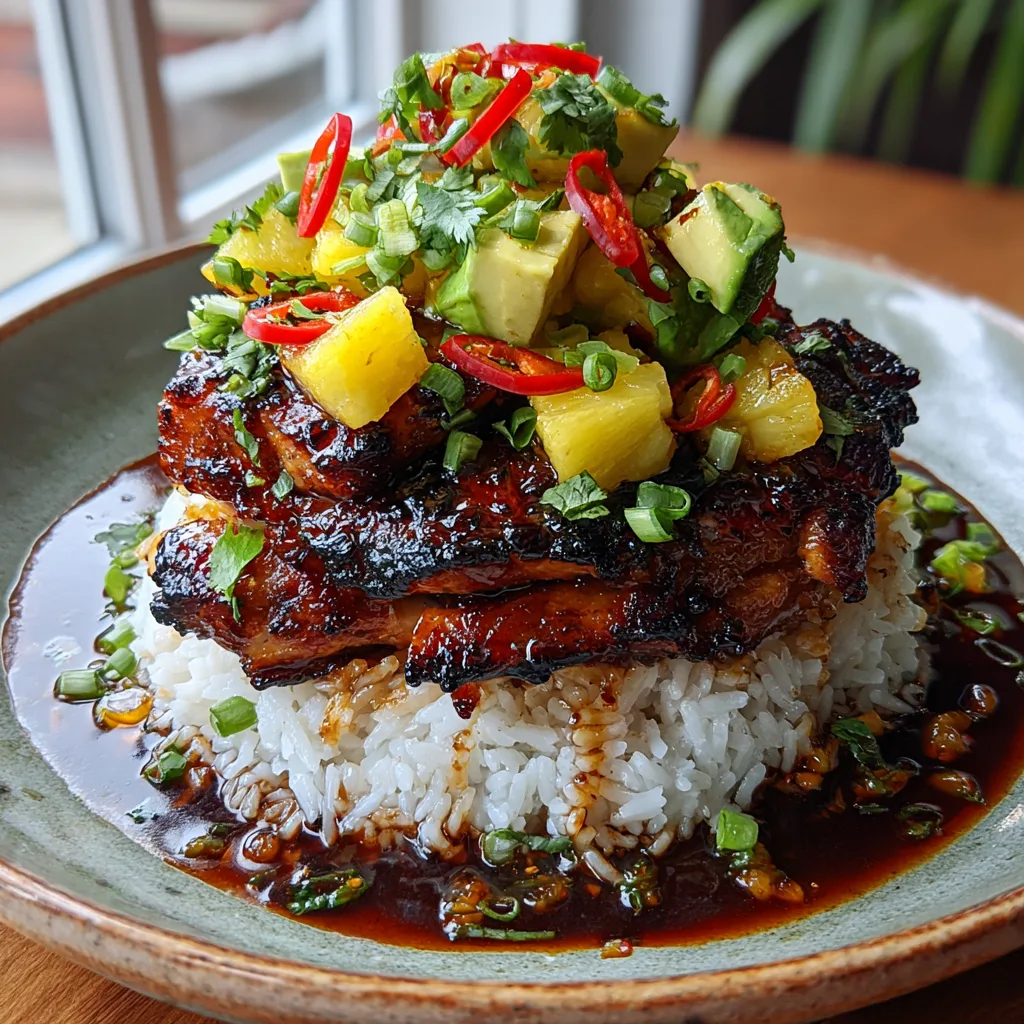
What makes the Hawaiian Huli Huli Chicken Stack so incredible is the thoughtful layering of contrasting flavors, temperatures, and textures. When you build this dish, you are creating a perfectly balanced bite from top to bottom. Let us break down the essential components:
The Foundation: Fluffy White Rice
Every great tower needs a solid foundation, and in this case, it is a generous bed of freshly steamed white rice. Jasmine or Calrose (short-grain sticky rice) are the best options here. The rice acts as a neutral canvas and, more importantly, a sponge. As you stack the hot chicken and pour the extra glaze over the top, the rice soaks up all those incredible, savory, sweet drippings, ensuring that no drop of flavor goes to waste.
The Star: Sticky, Charred Chicken Thighs
The core of this recipe relies on boneless, skinless chicken thighs. While chicken breasts can be used, thighs are infinitely superior for Huli Huli chicken. The dark meat contains more fat and connective tissue, meaning it remains incredibly juicy and tender even when subjected to the high heat needed to caramelize the sugars in the marinade. The goal is to achieve dark, sticky, slightly charred edges while maintaining a melt-in-your-mouth interior.
The Crown: Fresh Tropical Salsas and Garnishes
This is where the magic truly happens. A heavy, sticky, sweet-and-savory meat needs brightness and acidity to cut through the richness. By topping the hot chicken with ice-cold, fresh diced yellow pineapple, you introduce a burst of natural, tart sweetness. The creamy, buttery chunks of fresh green avocado provide a luxurious mouthfeel that soothes the palate. Bright red sliced chili peppers (like Fresno or jalapeño) add a necessary kick of heat, while chopped cilantro and green onions deliver an herbaceous, earthy freshness. A squeeze of fresh lime juice right at the end ties the whole stack together.
The Science of the Huli Huli Marinade
The soul of this recipe lives in the marinade. It serves a dual purpose: it acts as a tenderizing brine for the raw chicken, and it reduces down into a thick, glossy, lip-smacking glaze to pour over the final dish. Here is why the specific ingredients matter:
Pineapple Juice: This is the signature Hawaiian element. Pineapple juice contains an enzyme called bromelain, which actively breaks down protein chains. This means it chemically tenderizes the chicken, making it incredibly soft. However, because bromelain is so powerful, you should not marinate the chicken for more than 24 hours, or it will become mushy.
Soy Sauce: The backbone of the umami flavor profile. It provides the deep, savory saltiness that balances out the sugars in the recipe.
Brown Sugar: This provides the deep molasses flavor and, crucially, is responsible for the beautiful, sticky caramelization and charred edges when the chicken hits the hot pan or grill.
Ginger and Garlic: Fresh aromatics are non-negotiable. They provide a sharp, pungent bite that cuts through the heavy sweetness of the juice and sugar.
Ketchup or Tomato Paste: This might seem like a strange addition, but a small amount of ketchup provides a touch of tomato acidity and helps thicken the marinade into a proper glaze when boiled down.
Ingredients for the Huli Huli Chicken Stack
The Chicken & Marinade:
- – 2 lbs boneless, skinless chicken thighs
- – 1 cup pineapple juice (canned or fresh)
- – 1/2 cup low-sodium soy sauce
- – 1/2 cup packed light brown sugar
- – 1/3 cup ketchup
- – 1/4 cup chicken broth or water
- – 3 cloves garlic, minced
- – 1 tablespoon fresh ginger, grated
- – 1 tablespoon sesame oil
- – 1 tablespoon sriracha (optional, for a little kick in the sauce)
The Stack Foundation:
- – 4 cups cooked white rice (Jasmine or Calrose sticky rice preferred)
The Tropical Toppings:
- – 1 cup fresh pineapple, diced into small cubes
- – 1 large ripe avocado, pitted and diced
- – 1 fresh red chili pepper (Fresno or jalapeño), thinly sliced
- – 1/4 cup fresh cilantro leaves, chopped
- – 2 green onions (scallions), thinly sliced
- – 1 tablespoon toasted sesame seeds
- – 1 fresh lime, cut into wedges for serving
Step-by-Step Instructions
- Prepare the Marinade: In a medium-sized mixing bowl, whisk together the pineapple juice, low-sodium soy sauce, brown sugar, ketchup, chicken broth, minced garlic, grated ginger, sesame oil, and sriracha. Whisk vigorously until the brown sugar is completely dissolved.
- Marinate the Chicken: Reserve exactly 1 cup of the marinade and set it aside in the refrigerator (this will become your glaze later). Place the chicken thighs into a large zip-top plastic bag or a shallow glass dish. Pour the remaining marinade over the chicken, ensuring every piece is coated. Seal or cover and refrigerate for at least 4 hours, but ideally 8 to 12 hours. Do not exceed 24 hours.
- Make the Sticky Glaze: About 20 minutes before you are ready to eat, pour the reserved 1 cup of marinade into a small saucepan over medium-high heat. Bring it to a rolling boil, then reduce the heat to medium-low and let it simmer uncovered for 10-15 minutes, stirring occasionally. The sauce is ready when it has reduced by half and is thick, syrupy, and coats the back of a spoon. Remove from heat and set aside.
- Cook the Chicken (Stovetop Method): Heat a large cast-iron skillet or heavy-bottomed non-stick pan over medium-high heat. Add a tiny splash of neutral oil. Remove the chicken thighs from the marinade (discard the used marinade) and let the excess drip off. Place the chicken in the hot pan. Cook for 5-7 minutes per side. Because of the high sugar content, watch carefully to ensure it chars nicely without burning. The chicken is done when it reaches an internal temperature of 165°F (74°C) and has deep, sticky, dark crusts.
- Rest the Meat: Remove the cooked chicken thighs to a cutting board and let them rest for 3 to 5 minutes to allow the juices to redistribute.
- Build the Stack: Place a generous, flat mound of cooked white rice in the center of a wide plate. Take 2 or 3 of the cooked chicken thighs and stack them directly on top of the rice.
- Garnish and Serve: Drizzle the warm, thick, reduced glaze generously over the chicken, allowing it to pool into the rice below. Crown the very top of the chicken stack with the diced fresh pineapple and diced avocado. Sprinkle with the sliced red chili peppers, chopped cilantro, green onions, and toasted sesame seeds. Serve immediately with fresh lime wedges on the side to squeeze over the top.
Pro Tips for Stack Perfection
Managing the Sugar: The high amount of brown sugar and pineapple juice means this chicken will burn very quickly if your pan or grill is too hot. Keep your heat at medium to medium-high, and do not walk away. Frequent flipping (remember the “Huli”!) can help build an even crust without scorching.
The Importance of Fresh Pineapple: While you can absolutely use canned pineapple juice for the marinade, you must use fresh pineapple for the garnish. Canned pineapple chunks are soft and overwhelmingly sweet, lacking the tart, acidic, firm bite that fresh pineapple provides to balance the heavy meat.
Thickening the Sauce: If your reduced glaze is not getting thick enough for your liking, you can create a quick cornstarch slurry (1 teaspoon of cornstarch mixed with 1 tablespoon of cold water). Whisk this into the simmering sauce and let it boil for 1 minute; it will thicken instantly into a beautiful, glossy teriyaki-style glaze.
Creative Variations to Try
The Spicy Hawaiian: If you love heat, double the sriracha in the marinade and add a pinch of crushed red pepper flakes. When building the stack, mix a little spicy mayo (mayonnaise mixed with sriracha) and drizzle it over the top along with the dark glaze.
The Low-Carb Bowl: If you are watching your carbohydrate intake, swap the white rice base for cauliflower rice or a bed of fresh, crunchy shredded cabbage and romaine lettuce. You can also substitute a brown sugar alternative in the marinade to lower the sugar count.
Pork or Tofu: This marinade is incredibly versatile. If you are not a fan of chicken, this recipe works beautifully with thick-cut pork chops or pork tenderloin. For a vegetarian option, press a block of firm tofu, cut it into thick slabs, marinate, and pan-fry for an incredible plant-based stack.
Conclusion
The Hawaiian Huli Huli Chicken Stack is a testament to the joy of cooking. It transforms simple, accessible ingredients into a breathtaking presentation that looks like it came straight out of a high-end island resort. The interplay between the hot, savory, sticky chicken, the comforting bed of fluffy rice, and the cold, crisp, bright tropical toppings creates a culinary experience that you will crave time and time again. It is perfect for an impressive weekend dinner party, a special family meal, or just a Tuesday night when you need a vibrant escape from the ordinary. So grab your pineapple juice, fire up the stove, and get ready to experience a true taste of paradise. Aloha and enjoy!
Hawaiian Huli Huli Chicken Stack
Ingredients
Equipment
Method
- Whisk together pineapple juice, soy sauce, brown sugar, ketchup, broth, garlic, ginger, and sesame oil. Reserve exactly 1 cup of this marinade.
- Pour the remaining marinade over the chicken thighs. Marinate in the refrigerator for 4 to 12 hours.
- Bring the reserved 1 cup of marinade to a boil in a small saucepan. Reduce heat and simmer for 10-15 minutes until it becomes a thick, glossy glaze. Set aside.
- Heat a skillet over medium-high heat. Discard used marinade and cook the chicken thighs for 5-7 minutes per side until deeply charred and cooked through (165°F).
- To serve, place a mound of cooked rice on a plate. Stack 2-3 cooked chicken thighs on the rice.
- Drizzle heavily with the reduced glaze. Top with diced pineapple, avocado, chili slices, cilantro, green onions, and sesame seeds. Serve with lime wedges.