Korean BBQ Steak Bowls
The Ultimate Korean BBQ Steak Bowls Recipe
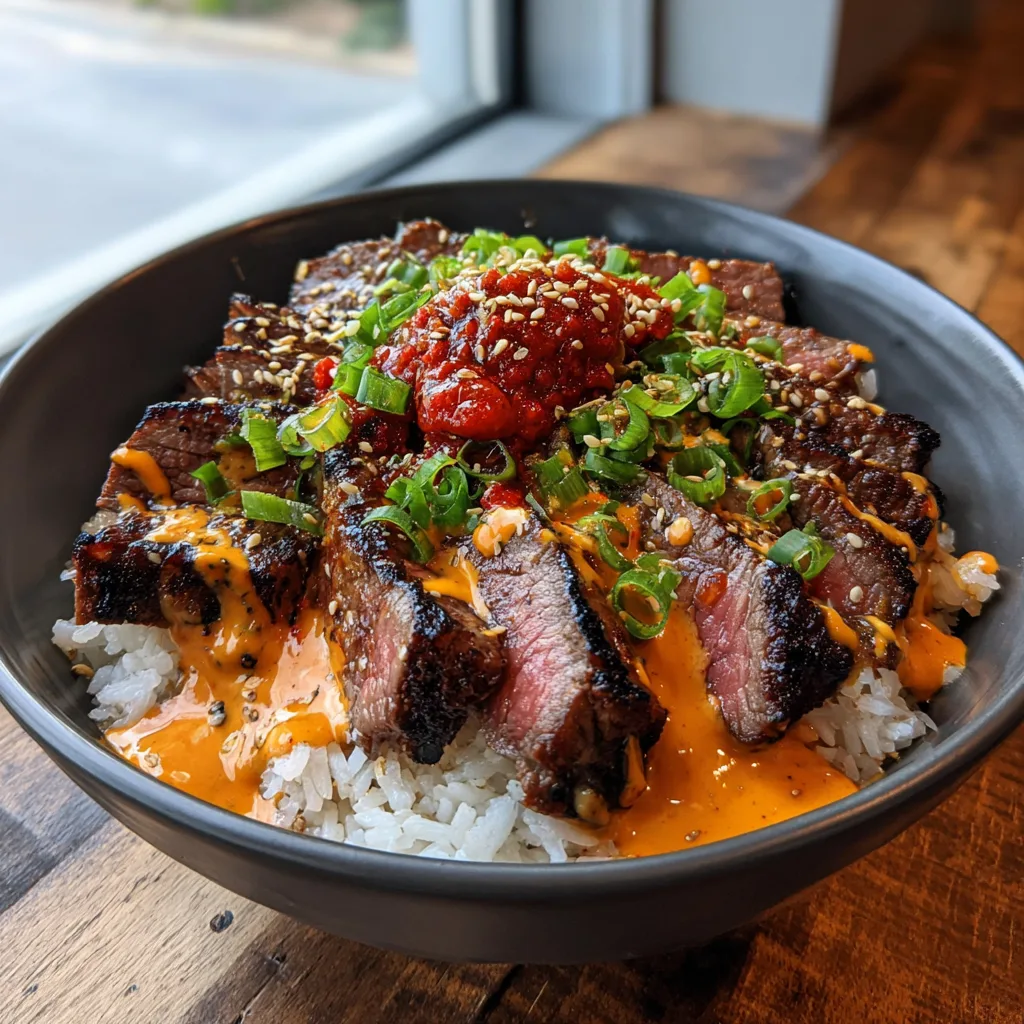
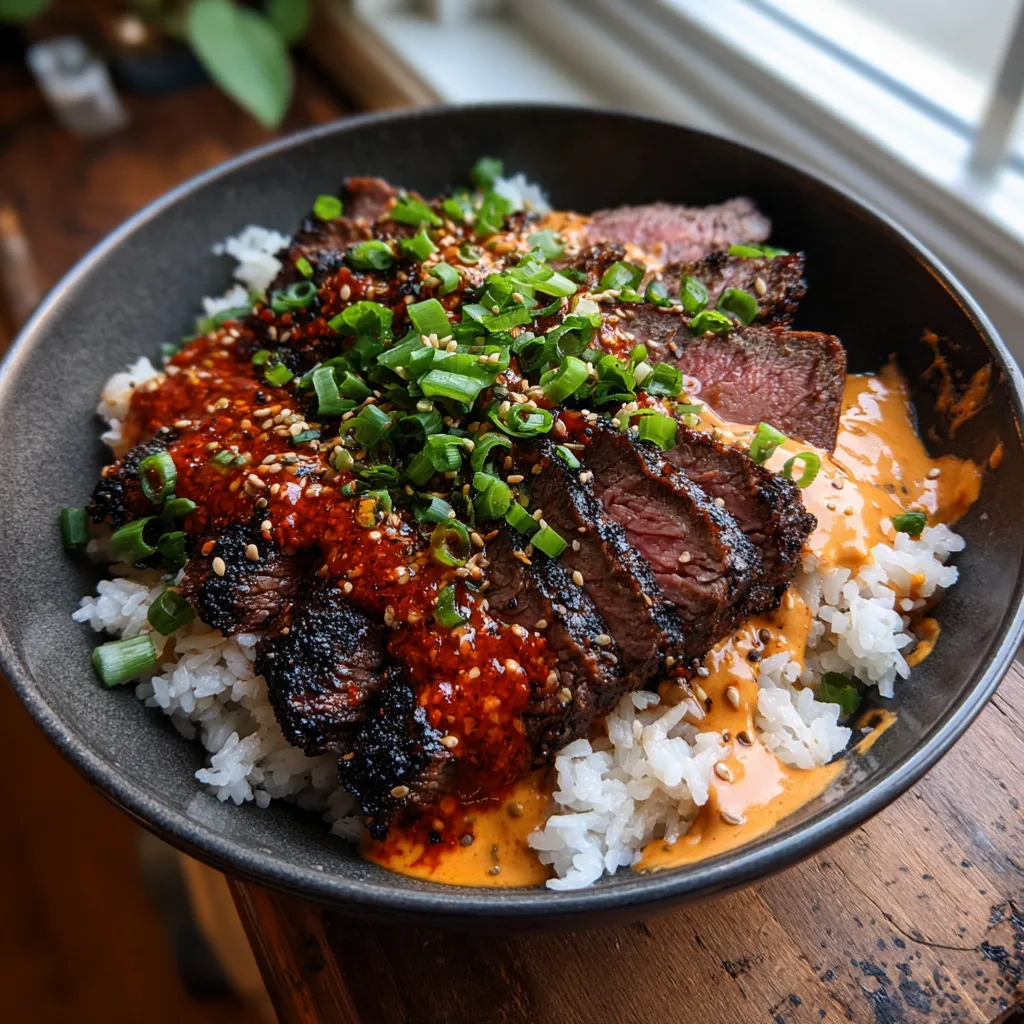
When it comes to weeknight dinners that deliver restaurant-quality flavor with minimal effort, few dishes can compete with the incredible depth of these Korean BBQ Steak Bowls. Imagine tender, juicy slices of perfectly charred steak, marinated in a deeply savory, sweet, and garlicky sauce, laid over a bed of steaming hot, fluffy white rice. Now, picture that masterpiece drizzled generously with a creamy, rich spicy mayo, accompanied by a bold dollop of gochujang paste, and showered with crisp, fresh green onions. This dish is not just a meal; it is an absolute flavor explosion that will have you licking the bowl clean.
In this comprehensive guide, we are going to dive deep into what makes these Korean BBQ Steak Bowls so extraordinary. We will explore the secret components of a traditional-style Korean marinade, discuss the absolute best cuts of beef to use, break down the two essential sauces that bring this bowl to life, and provide you with a foolproof, step-by-step recipe to recreate this drool-worthy dish right in your own kitchen.
The Magic of Korean BBQ Flavors
Korean barbecue, or “gogi-gui,” is a beloved culinary tradition centered around grilling marinated or unmarinated meats, typically beef, pork, or chicken. The magic of Korean BBQ lies in its complex flavor profile. It masterfully balances salty, sweet, savory, and umami elements. The classic marinade, often used for dishes like Bulgogi (thinly sliced ribeye) or Kalbi (short ribs), relies on a foundation of soy sauce, sugar (often brown sugar or honey), toasted sesame oil, garlic, and ginger.
For these steak bowls, we are taking the soul of that traditional marinade and applying it to a thicker cut of steak. This allows us to achieve a beautiful, caramelized char on the outside while maintaining a tender, juicy, medium-rare interior. The sugars in the marinade caramelize under high heat, creating those dark, sticky, and incredibly flavorful edges that you see in the best barbecue.
Choosing the Right Cut of Steak
The success of your Korean BBQ Steak Bowl heavily depends on the cut of beef you select. Because we are marinating and grilling (or pan-searing) the meat, you want a cut that absorbs flavor well and cooks quickly over high heat.
Flank Steak: This is arguably the best choice for this recipe. Flank steak is a relatively lean, flat cut with a very pronounced grain. It has a robust, beefy flavor and a wide surface area that takes wonderfully to marinades. The key to flank steak is slicing it incredibly thin and strictly against the grain after cooking, which breaks up the muscle fibers and makes it melt-in-your-mouth tender.
Skirt Steak: Skirt steak has even more marbling and a looser structure than flank steak, meaning it absorbs marinades like a sponge. It has a slightly richer flavor but can be tougher if not cooked and sliced properly. It cooks very fast, so you must be careful not to overcook it.
Hanger Steak or Sirloin: If you cannot find flank or skirt, a top sirloin or hanger steak will also work beautifully. Sirloin is a bit thicker and very tender, though it might not absorb the marinade quite as deeply as the thinner cuts.
The Ultimate Korean-Inspired Marinade
A great marinade does three things: it seasons the meat, it helps caramelize the exterior, and it tenderizes the muscle fibers. Our marinade is a powerhouse of Asian pantry staples.
Soy Sauce: The backbone of the marinade, providing deep umami and essential saltiness.
Brown Sugar: Adds the necessary sweetness to balance the salty soy sauce and is crucial for creating that sticky, caramelized char on the grill or in the pan.
Toasted Sesame Oil: A little goes a long way. This oil adds a nutty, earthy depth that is distinctively Korean.
Fresh Garlic and Ginger: These aromatics provide a sharp, pungent bite that cuts through the richness of the beef.
Asian Pear or Kiwi (The Secret Tenderizer): Traditional Korean marinades often use grated Asian pear (bae) or a tiny amount of kiwi puree. These fruits contain an enzyme called calpain, which actively breaks down the proteins in the meat, making it incredibly tender. If you cannot find Asian pear, a regular bosc pear or even a splash of pineapple juice can work, but be careful not to over-marinate, or the meat will turn mushy.
The Sauces: Gochujang and Spicy Mayo
What elevates this bowl from a simple steak and rice dish to an indulgent, crave-worthy masterpiece are the sauces. Looking at the glorious, glossy bowl, we see two distinct sauces.
The Spicy Mayo: This is the creamy, orange sauce heavily drizzled over the steak. It adds a rich, luxurious mouthfeel that coats the rice and beef perfectly. To make it, you simply whisk together high-quality mayonnaise, a splash of sesame oil, and either Sriracha or Gochujang depending on your preferred flavor profile. Sriracha gives a sharper, garlicky heat, while Gochujang provides a deeper, funkier, slightly sweeter heat.
Gochujang Paste: On the side of the bowl, you’ll see a thick, dark red dollop. This is Gochujang, a fundamental ingredient in Korean cooking. It is a fermented savory, sweet, and spicy condiment made from gochutgaru (red chili powder), glutinous rice, mejutgaru (fermented soybean powder), barley malt powder, and salt. Its complex, earthy heat is completely unique. We like to serve a dollop on the side mixed with a little sesame oil and toasted sesame seeds so diners can mix it into their rice as they please.
Building the Perfect Bowl
The foundation of any great Asian bowl is the rice. Short-grain or medium-grain white rice (often labeled as sushi rice or Calrose) is essential here. Unlike long-grain jasmine or basmati rice, short-grain rice is sticky and clumps together slightly. This texture is perfect for picking up with chopsticks and provides a satisfying, chewy base that easily soaks up the meat juices and spicy mayo.
Ingredients
Gather the following ingredients to create your Korean BBQ Steak Bowls:
For the Steak and Marinade:
- – 1.5 lbs flank steak or skirt steak
- – 1/2 cup low-sodium soy sauce
- – 1/4 cup brown sugar, packed
- – 2 tablespoons toasted sesame oil
- – 4 cloves garlic, minced
- – 1 tablespoon fresh ginger, grated
- – 1/4 cup grated Asian pear (or sweet apple)
- – 1 tablespoon rice vinegar
- – 1/2 teaspoon black pepper
For the Spicy Mayo Sauce:
- – 1/2 cup high-quality mayonnaise
- – 2 tablespoons Sriracha (or more to taste)
- – 1/2 teaspoon toasted sesame oil
- – 1 teaspoon lime juice
For the Bowls:
- – 4 cups cooked short-grain white rice (warm)
- – 2 tablespoons Gochujang paste (for serving on the side)
- – 1/2 cup green onions (scallions), thinly sliced
- – 1 tablespoon toasted sesame seeds
- – 1 tablespoon cooking oil (vegetable or canola, for searing)
Step-by-Step Instructions
- Prepare the Marinade: In a medium-sized bowl, whisk together the soy sauce, brown sugar, toasted sesame oil, minced garlic, grated ginger, grated pear, rice vinegar, and black pepper. Stir until the brown sugar is completely dissolved.
- Marinate the Steak: Place the flank steak into a large, resealable plastic bag or a shallow baking dish. Pour the marinade over the steak, ensuring the meat is completely coated. Seal the bag (pressing out excess air) or cover the dish tightly. Refrigerate for at least 2 hours, or ideally overnight (up to 24 hours) for maximum flavor and tenderness.
- Make the Spicy Mayo: In a small bowl, whisk together the mayonnaise, Sriracha, sesame oil, and lime juice. Taste and adjust the heat by adding more Sriracha if desired. Transfer the sauce to a squeeze bottle for a beautiful presentation, or just leave it in the bowl for spooning. Refrigerate until ready to use.
- Prep the Steak for Cooking: Remove the steak from the refrigerator 30 minutes before cooking to take the chill off. This ensures even cooking. Remove the steak from the marinade, letting the excess liquid drip off. Do not wipe it completely dry; you want some of that sugary marinade to help form a crust. Discard the leftover marinade.
- Sear the Steak: Heat a large cast-iron skillet or grill pan over high heat until it is smoking hot. Add the cooking oil. Carefully lay the steak in the pan. Cook for 3-5 minutes per side for a perfect medium-rare, depending on the thickness of your cut. You are looking for a dark, caramelized, almost blackened crust on the outside.
- Rest the Meat: This is a crucial step! Remove the steak from the pan and transfer it to a cutting board. Tent it loosely with foil and let it rest for 5 to 10 minutes. This allows the juices to redistribute throughout the meat. If you cut it immediately, all the juices will run out, leaving you with dry beef.
- Slice Against the Grain: Look closely at the steak to identify the direction of the muscle fibers (the grain). Using a very sharp knife, slice the steak thinly across (perpendicular to) the grain. Hold your knife at a slight angle to make wider, thinner slices.
- Assemble the Bowls: Divide the warm, sticky white rice among four shallow bowls. Arrange a generous portion of the sliced steak over the rice. Drizzle the steak and rice heavily with the spicy mayo. Add a small dollop of Gochujang paste on the side of the bowl. Sprinkle generously with sliced green onions and toasted sesame seeds. Serve immediately while hot!
Pro Tips for the Perfect Sear and Slice
To achieve that restaurant-quality finish, heat is your best friend. A cast-iron skillet is ideal because it retains heat beautifully, allowing you to get that aggressive sear without overcooking the center. Make sure your pan is practically smoking before the meat hits it. Furthermore, do not overcrowd the pan. If you are using a smaller skillet, cut the flank steak in half and cook it in batches; otherwise, the meat will steam in its own juices rather than sear.
When it comes to slicing, finding the grain is everything. Flank steak has long, distinct muscle fibers running from end to end. If you cut parallel to these fibers, you will end up chewing on rubber bands. By slicing against the grain, you sever those long fibers into short pieces, making the beef incredibly tender.
Variations and Add-ins
The beauty of a bowl meal is its versatility. While this recipe focuses on the pure, indulgent combination of meat, rice, and sauce, you can easily customize it to add more vegetables or different textures.
Add a Fried Egg: A crispy-edged fried egg with a runny yolk placed right on top of the steak adds an extra layer of richness. When broken, the yolk mixes with the spicy mayo and meat juices to create an unbelievable sauce.
Quick Pickled Veggies: To cut through the richness of the meat and mayo, add some quick-pickled cucumbers, carrots, or daikon radish. Simply toss thinly sliced vegetables in rice vinegar, a pinch of sugar, and salt, and let them sit for 20 minutes.
Kimchi: A side of pungent, spicy fermented cabbage (kimchi) is a traditional and highly recommended addition. It provides a necessary acidic crunch.
Swap the Protein: This marinade works wonders on boneless, skinless chicken thighs or even thick slices of firm tofu or portobello mushrooms for a vegetarian option.
Storage and Meal Prep
These Korean BBQ Steak Bowls are phenomenal for weekly meal prep. Store the cooked, sliced steak and the rice in separate airtight containers in the refrigerator for up to 4 days. Keep the spicy mayo and green onions in their own small containers.
When ready to eat, reheat the rice with a tiny splash of water in the microwave until steamy. Reheat the steak gently in the microwave or briefly in a skillet just until warmed through (be careful not to overcook it). Then assemble your bowl with the fresh garnishes and sauces. The flavors actually deepen in the fridge, making leftovers something to look forward to.
Enjoy this deeply flavorful, comforting, and absolutely irresistible meal!
Korean BBQ Steak Bowls
Ingredients
Equipment
Method
- In a bowl, whisk soy sauce, brown sugar, sesame oil, garlic, ginger, grated pear, rice vinegar, and pepper until sugar dissolves.
- Place flank steak in a bag, pour marinade over it, seal, and refrigerate for at least 2 hours (up to 24 hours).
- Whisk mayonnaise, Sriracha, sesame oil, and lime juice in a small bowl. Refrigerate until needed.
- Remove steak from fridge 30 minutes before cooking. Discard excess marinade.
- Heat oil in a cast-iron skillet over high heat. Sear steak for 3-5 minutes per side until deeply caramelized. Remove and let rest for 10 minutes.
- Thinly slice the rested steak against the grain.
- Divide warm rice into bowls. Top with sliced steak. Drizzle heavily with spicy mayo.
- Add a dollop of gochujang, and garnish with green onions and sesame seeds. Serve immediately.