Korean Beef Noodles
Slow Cooker Korean Beef Noodles: The Ultimate Comfort Food
There is a special kind of magic that happens when savory beef, sweet brown sugar, and aromatic garlic meet in a slow cooker. It’s the kind of alchemy that transforms simple ingredients into a meal that tastes like it came from a high-end restaurant, yet feels like a warm hug on a cold day. These Slow Cooker Korean Beef Noodles are the definition of “set it and forget it” excellence, delivering deep, caramelized flavors and tender-to-the-bone meat with minimal effort.
If you have been looking for a way to shake up your pasta rotation, this is it. We aren’t talking about Italian ragu or a classic stroganoff here. We are talking about bold, umami-packed Asian flavors—soy sauce, ginger, sesame oil, and a hint of heat—coating thick, chewy egg noodles. It is sticky, it is sweet, it is savory, and it is incredibly satisfying.
Why This Recipe Will Become Your New Favorite
Let’s be honest: we all love the idea of a home-cooked meal, but the reality of standing over a hot stove after a long day is less appealing. That is where the slow cooker shines. This recipe is designed for the busy home cook who refuses to compromise on flavor.
- Effortless Preparation: The hardest part of this recipe is chopping a few vegetables. The slow cooker does 95% of the work, breaking down the beef until it is melt-in-your-mouth tender.
- Budget-Friendly: You don’t need expensive cuts of steak like ribeye or filet. This recipe is actually better with tougher, more affordable cuts like chuck roast or flank steak, as the long cooking time tenderizes the meat while preserving its rich beefy flavor.
- Versatile Flavors: While we call this “Korean Beef,” it is a flexible base. You can adjust the sweetness, dial up the spice with Gochujang or Sriracha, or add extra veggies to bulk it up.
- Crowd-Pleaser: The sweet and savory profile is usually a hit with kids and adults alike. It’s exotic enough to feel special, but familiar enough (thanks to the noodles) to be comforting.
Ingredients
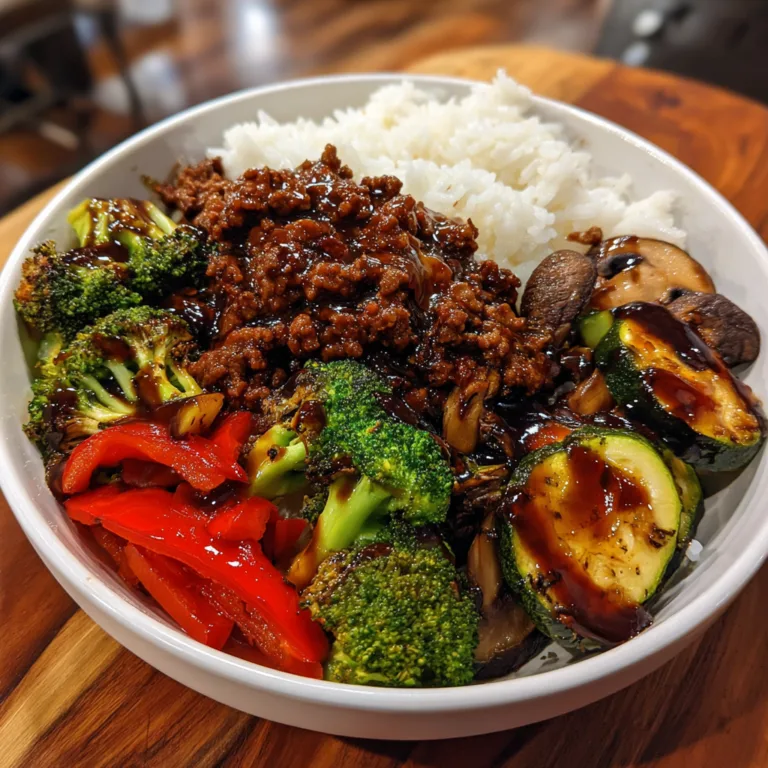
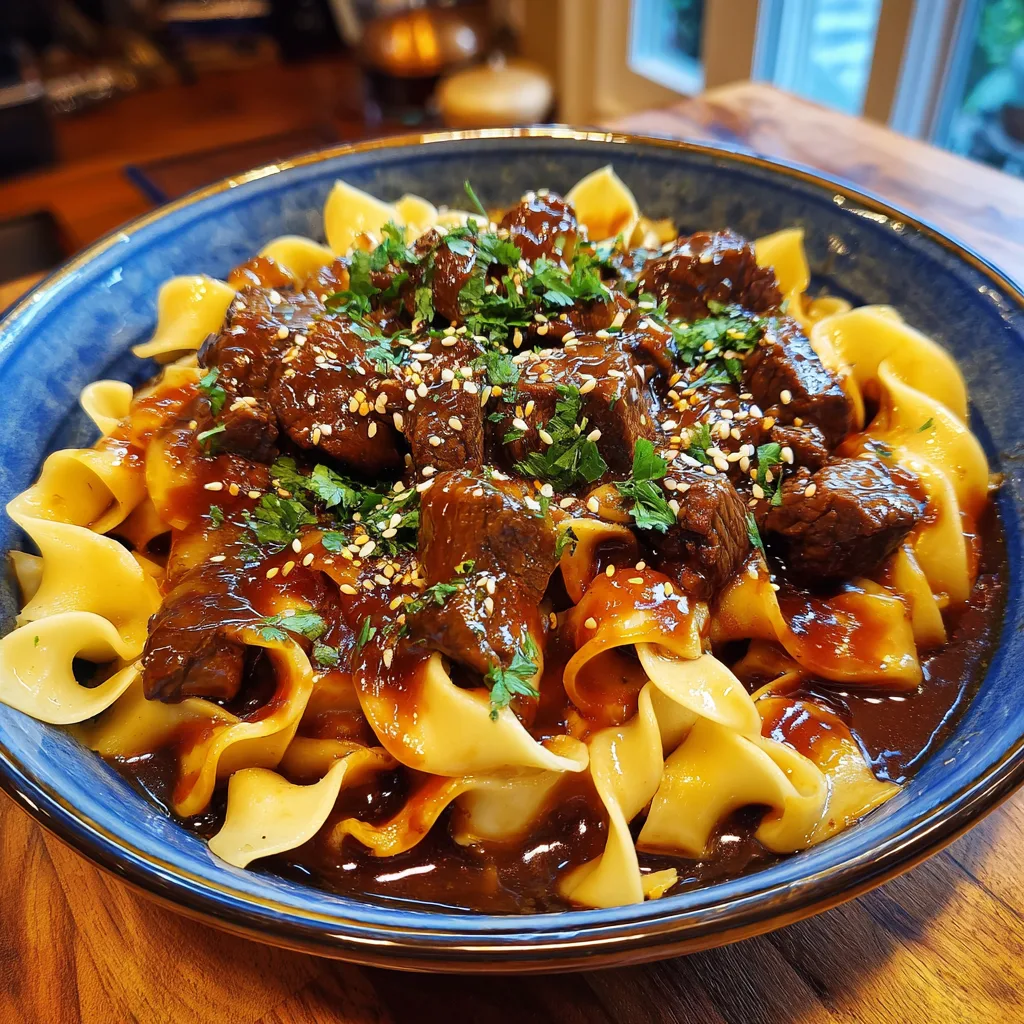
To get that signature glossy, sticky sauce seen in the photos, you need the right balance of sugar, fat, and umami. Here is what you will need:
For the Beef and Sauce
- Beef Chuck Roast or Flank Steak (1.5 – 2 lbs): Cut into thin strips or 1-inch chunks. Chuck roast offers more fat and flavor, while flank steak is leaner and slices beautifully against the grain.
- Cornstarch (½ cup): For coating the beef before searing (optional) or thickening the sauce later.
- Sesame Oil (1 tbsp): Essential for that nutty, authentic aroma.
- Garlic (4 cloves, minced): Fresh is best, but jarred works in a pinch.
- Fresh Ginger (1 tbsp, grated): Provides a warm, spicy kick that cuts through the richness of the beef.
- Soy Sauce (¾ cup): Use low-sodium if you are watching your salt intake, as the sauce reduces and concentrates.
- Beef Broth (¾ cup): Adds depth and liquid for the slow cooking process.
- Brown Sugar (¾ cup, packed): The key to the caramelized, sticky glaze. Dark brown sugar adds more molasses flavor.
- Red Pepper Flakes (1 tsp): Adjust to taste. For a more authentic Korean kick, swap this for Gochujang (Korean chili paste).
For Serving
- Wide Egg Noodles or Pappardelle (16 oz): The wide surface area is perfect for holding onto the thick sauce.
- Green Onions (chopped): For a fresh, oniony bite and color contrast.
- Sesame Seeds (toasted): For texture and garnish.
- Fresh Parsley or Cilantro: Optional, for a burst of freshness.
Instructions
Follow these steps to achieve that ultra-shiny, restaurant-quality look and taste.
- Prep the Beef: Slice your beef flank steak or chuck roast into thin strips. If you are using a chuck roast, remove large chunks of hard fat. Place the beef strips in a large bowl and toss with cornstarch until lightly coated. (Chef’s Note: This step helps thicken the sauce later and gives the beef a velvety texture).
- Sear (Optional but Recommended): Heat a splash of oil in a skillet over high heat. Quickly sear the beef strips in batches just until browned on the outside (they don’t need to be cooked through). This locks in flavor. Transfer the beef to your slow cooker. If you are short on time, you can skip the searing and dump the raw coated beef directly into the slow cooker.
- Make the Sauce: In a medium mixing bowl, whisk together the soy sauce, beef broth, brown sugar, minced garlic, grated ginger, sesame oil, and red pepper flakes. Whisk until the sugar has mostly dissolved.
- Slow Cook: Pour the sauce mixture over the beef in the slow cooker. Stir gently to ensure all the meat is coated.
- Cook on High: 2 to 3 hours.
- Cook on Low: 4 to 5 hours.
- Thicken the Sauce: About 30 minutes before serving, check the consistency of the sauce. If it is too thin, mix 1 tablespoon of cornstarch with 1 tablespoon of cold water (slurry) and stir it into the slow cooker. Let it cook for the remaining time until thickened and glossy.
- Cook the Noodles: While the sauce is thickening, bring a large pot of salted water to a boil. Cook your egg noodles or pasta according to the package directions until al dente. Drain well.
- Combine: This is the best part. Add the cooked, drained noodles directly into the slow cooker (or a large serving bowl). Toss everything together using tongs until every strand of pasta is coated in that dark, rich, mahogany sauce.
- Garnish and Serve: Serve immediately in deep bowls. Generously sprinkle with toasted sesame seeds and chopped green onions/parsley. Enjoy the steam rising off your masterpiece!
Tips for the Perfect Sticky Glaze
The hallmark of this dish is the “liquid glass” appearance of the sauce. Here is how to ensure you get that mouth-watering shine.
Don’t Skimp on Sugar: The brown sugar is responsible for the gloss. As it cooks and reduces, it turns into a syrup-like glaze. If you reduce the sugar significantly, the sauce will be thinner and duller.
The Cornstarch Coat: Coating the beef in cornstarch before cooking is a technique often used in Chinese cooking (sometimes called “velveting”). It protects the meat from drying out and releases starch into the sauce as it cooks, naturally thickening it.
Resting Time: Once you turn off the slow cooker, let the dish sit for about 5 minutes before serving. The sauce will continue to thicken and cling better to the noodles as it cools slightly.
Variations and Substitutions
Cooking is an art, and you are the artist. Feel free to modify this recipe to suit your pantry or dietary needs.
Vegetable Add-Ins
Want to make this a complete one-pot meal? Add vegetables during the last hour of cooking so they don’t turn to mush. Great options include:
- Broccoli florets
- Sliced bell peppers
- Snow peas
- Shredded carrots
- Baby corn
Protein Swaps
While beef is traditional for this specific flavor profile, the sauce works wonders with other proteins:
- Chicken: Use boneless, skinless chicken thighs. They hold up well in the slow cooker. Cook for slightly less time (High 2 hours, Low 4 hours).
- Pork: Pork tenderloin sliced into medallions works beautifully.
- Tofu: For a vegetarian version, use extra-firm tofu (pressed and cubed). Pan-fry the tofu first, then simmer in the sauce on the stove for 20 minutes instead of using a slow cooker.
Spice Level
If you love heat, add a tablespoon of Gochujang (Korean fermented chili paste) to the sauce mixture. It adds a smoky, savory heat that is distinctively Korean. You can also top with Sriracha or extra chili oil right before serving.
Serving Suggestions
Since this dish is quite rich and savory, it pairs best with fresh, crisp sides that cut through the heaviness.
Cucumber Salad: A simple smashed cucumber salad with rice vinegar, sesame oil, and salt provides a refreshing crunch.
Kimchi: Serving a small bowl of kimchi on the side is the most traditional way to enjoy Korean flavors. The acidity and fermentation balance the sweet soy glaze perfectly.
Steamed Greens: Bok choy or plain steamed broccoli are great vessels for mopping up any extra sauce on the plate.
Storage and Reheating
This meal makes for fantastic leftovers, as the flavors have even more time to meld.
Refrigerator: Store leftovers in an airtight container for up to 3-4 days. Note that the noodles will absorb more sauce as they sit, so the dish might appear “drier” the next day.
Freezer: You can freeze the beef and sauce mixture before adding the noodles for up to 3 months. Thaw in the fridge overnight and reheat on the stove, then boil fresh noodles to serve. Freezing the dish with the noodles is possible, but the texture of the pasta may become softer upon reheating.
Reheating: Reheat in the microwave or on the stovetop. If the noodles seem dry, add a splash of water or beef broth to loosen the sauce back up to its glossy glory.
Cultural Context: The Fusion of East and West
While this dish is labeled “Korean Beef,” it is important to note that this specific iteration—beef served over wide egg noodles—is a delightful fusion, likely popularized in Western kitchens. Traditional Korean beef dishes like Bulgogi (marinated grilled beef) or Galbi-jjim (braised short ribs) are typically served with steamed rice, not pasta.
However, the flavor profile is authentically inspired. The “holy trinity” of soy sauce, garlic, and sesame oil forms the backbone of Korean seasoning (yangnyeom). By adapting these flavors to the slow cooker and pairing them with pasta, we create a dish that bridges the gap between Asian cuisine and American comfort food. It captures the essence of Japchae (stir-fried glass noodles) but with the heartiness of a beef stew.
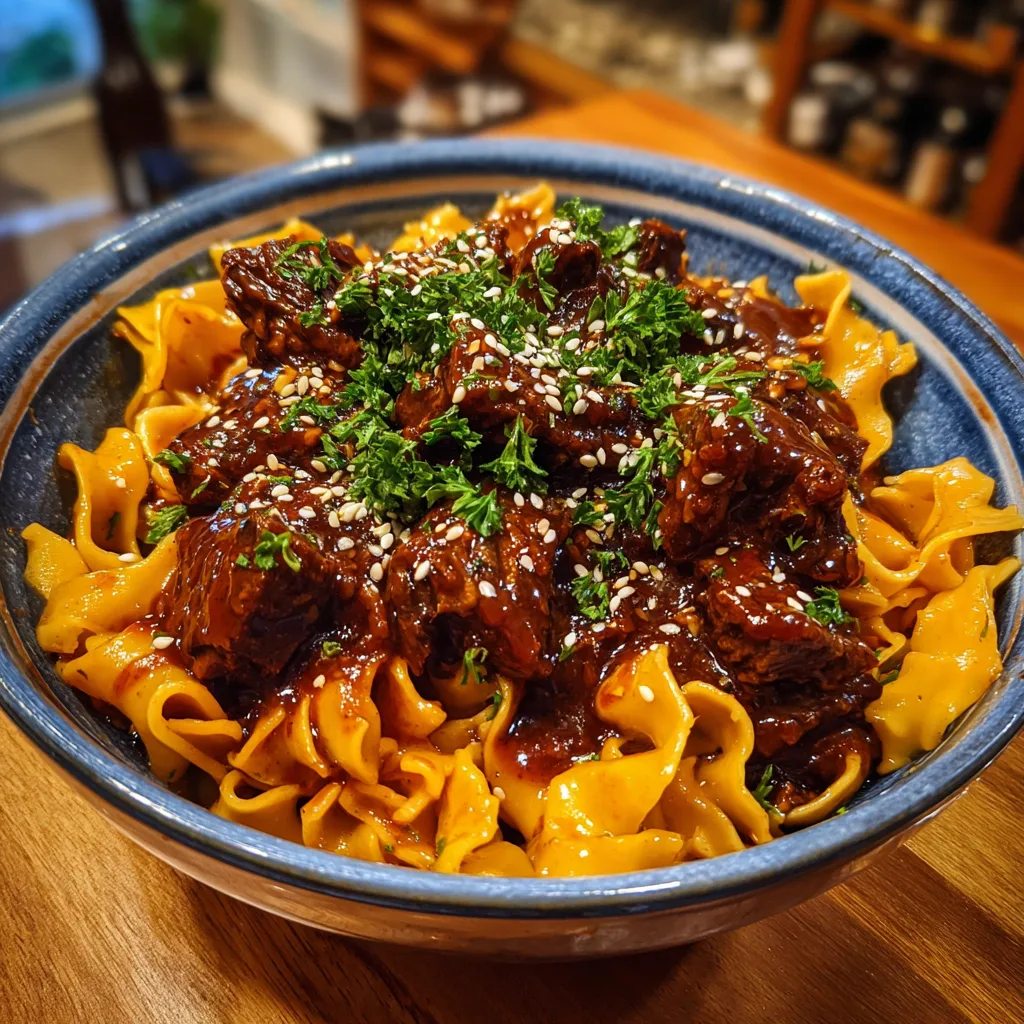
Whether you are cooking for a family dinner, a meal prep session, or a potluck, these Slow Cooker Korean Beef Noodles are guaranteed to impress. The visual appeal of the glossy sauce alone is enough to get appetites racing, and the first bite confirms that it tastes even better than it looks.
Slow Cooker Korean Beef Noodles
Ingredients
Equipment
Method
- Slice the beef into thin strips. Place in a bowl and toss with cornstarch to coat evenly.
- Optional: Heat olive oil in a skillet over high heat. Sear beef strips quickly until browned but not cooked through. Transfer to slow cooker.
- In a medium bowl, whisk together soy sauce, beef broth, brown sugar, garlic, ginger, sesame oil, and red pepper flakes.
- Pour the sauce over the beef in the slow cooker. Stir to combine.
- Cover and cook on High for 2-3 hours or Low for 4-5 hours, until beef is tender.
- About 20 minutes before serving, cook the egg noodles in boiling salted water according to package directions. Drain.
- Add the cooked noodles directly to the slow cooker. Toss well to coat the noodles in the sauce.
- Serve hot, garnished with sesame seeds, green onions, and parsley.