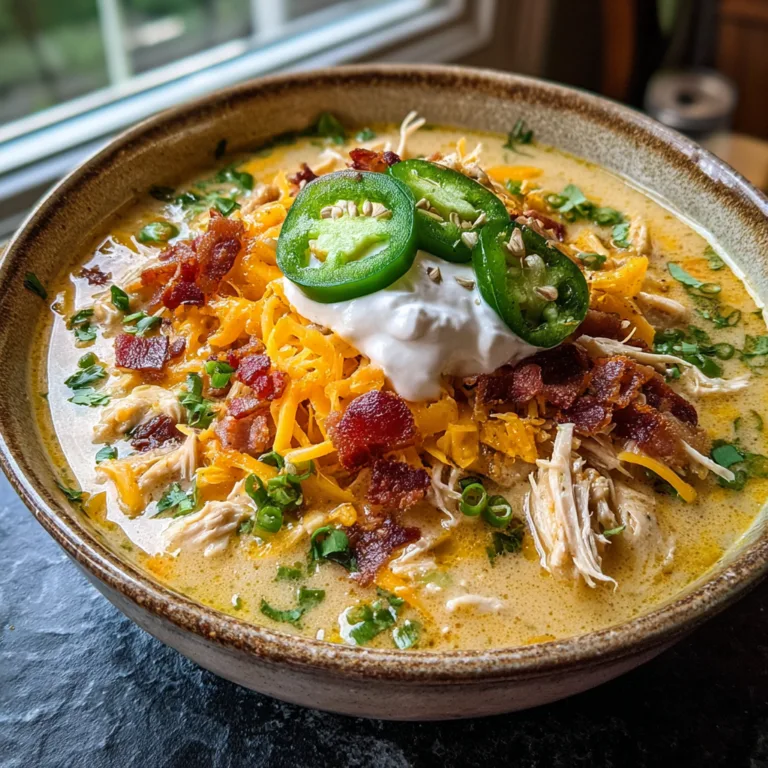
Pan-Seared Pork Medallions in Rich Onion Gravy
There is something incredibly comforting and deeply satisfying about a sizzling skillet filled with tender, juicy meat smothered in a rich, glossy, savory sauce. If you have been searching for the perfect weeknight dinner that feels like a gourmet weekend feast, look no further than these incredible pan-seared pork medallions in a deeply flavorful caramelized onion gravy. This dish is the epitome of home-cooked luxury, combining humble ingredients into a masterpiece of flavor and texture that will have your family or dinner guests scraping their plates clean and begging for the recipe.
In this comprehensive guide, we are going to dive deep into everything you need to know to master this spectacular pork medallions recipe. From understanding the best cuts of meat to perfecting the Maillard reaction for a beautiful crust, and from mastering the art of a glossy pan sauce to exploring endless variations, this article covers it all. Prepare to elevate your culinary repertoire with a recipe that is surprisingly simple yet delivers restaurant-quality results every single time.
Understanding Pork Medallions: The Star of the Show
Before we start cooking, it is essential to understand our primary ingredient. What exactly are pork medallions? Simply put, pork medallions are thick, round slices cut from a pork tenderloin. The pork tenderloin is a long, narrow, and incredibly lean muscle found along the central spine of the pig. Because this muscle is not heavily used for movement, the meat is exceptionally tender, making it one of the most prized cuts of pork available.
Unlike pork chops, which can sometimes dry out or become tough if slightly overcooked, pork medallions sliced from the tenderloin have a buttery, melt-in-your-mouth texture when prepared correctly. They cook incredibly fast, making them the absolute perfect candidate for a quick pan-sear on a busy weeknight. The key to keeping them juicy is high heat for a short amount of time, ensuring a beautiful golden-brown crust on the outside while maintaining a tender, slightly pink and supremely juicy interior.
When purchasing pork for this recipe, always look for “pork tenderloin,” not “pork loin.” These are two entirely different cuts of meat. A pork loin is much larger, wider, and requires different cooking methods, such as roasting. The tenderloin is small, usually weighing between 1 to 1.5 pounds, and is exactly what you need to slice into those perfect little medallions.
The Science of Flavor: The Maillard Reaction and Fond
The secret to the profound, savory flavor of this dish lies in a culinary phenomenon known as the Maillard reaction. When you place your seasoned pork medallions into a hot skillet coated with oil and butter, the high heat causes the amino acids and reducing sugars on the surface of the meat to react. This chemical reaction creates hundreds of new flavor compounds and gives the pork that beautiful, appetizing golden-brown crust. This crust is not just about looks; it is the foundation of the dish’s flavor.
As the pork sears, you will notice brown bits forming and sticking to the bottom of the skillet. Do not scrub these away! In the culinary world, this is called “fond,” a French word meaning “bottom” or “base.” This fond is essentially concentrated, caramelized meat juices and seasonings. It is pure culinary gold. Later in the recipe, when we add liquid (like broth) to the pan to make our onion gravy, we will scrape up this fond in a process called deglazing. The fond dissolves into the liquid, infusing the gravy with an incredibly deep, meaty, roasted flavor that cannot be replicated any other way.
Building the Perfect Glossy Onion Gravy
While the pork medallions are tender and delicious, it is the rich, glossy, caramelized onion gravy that truly steals the show and elevates this dish to legendary status. The sauce is robust, savory, and thick enough to coat the back of a spoon—and every single bite of pork.
The base of this incredible sauce is thinly sliced onions. By slowly cooking the onions in the pan drippings left behind by the pork, they soften, sweeten, and caramelize, adding a natural depth and subtle sweetness that perfectly balances the savory meat. We then build upon this with aromatic garlic, savory beef broth (which adds a darker color and richer flavor than chicken broth), and a touch of savory herbs.
To achieve that signature “liquid glass” glossy appearance and the perfect mouthfeel, a cornstarch slurry is introduced at the end of the cooking process. Cornstarch, when mixed with a little cold water and simmered in the sauce, acts as a powerful thickener. It gives the gravy a silky, smooth, and shiny finish that beautifully coats the pork medallions and whatever delicious side dish you choose to serve alongside them.
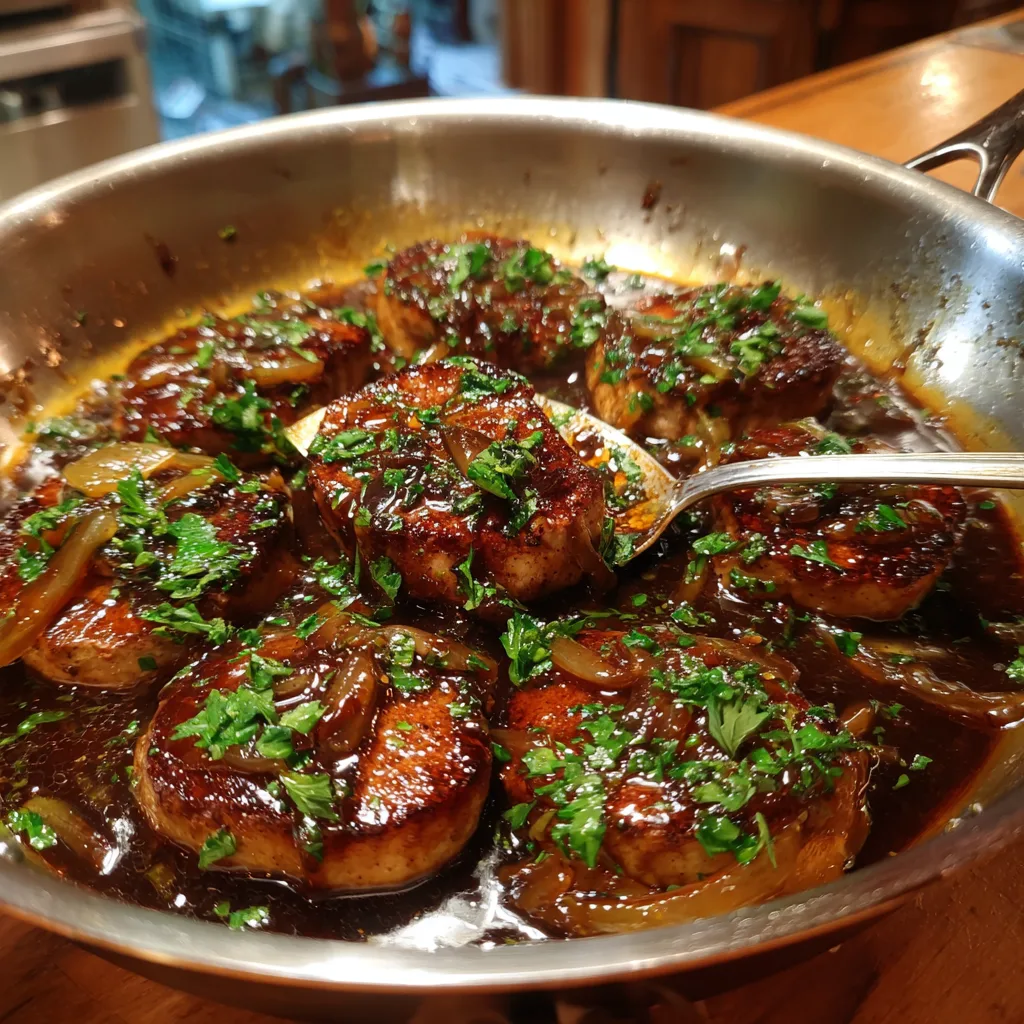
Ingredients for Pan-Seared Pork Medallions in Onion Gravy
To create this culinary masterpiece in your own kitchen, gather the following high-quality ingredients:
- – 1.5 lbs pork tenderloin (about 1 to 2 tenderloins depending on size), silver skin removed
- – 1 teaspoon kosher salt
- – 1/2 teaspoon freshly ground black pepper
- – 1/2 teaspoon garlic powder
- – 1/2 teaspoon smoked paprika
- – 2 tablespoons olive oil (divided)
- – 3 tablespoons unsalted butter (divided)
- – 1 large yellow onion, thinly sliced
- – 3 cloves garlic, minced
- – 1.5 cups low-sodium beef broth (or chicken broth, but beef yields a richer color)
- – 1 tablespoon balsamic vinegar or Worcestershire sauce (for depth of flavor)
- – 1 tablespoon cornstarch
- – 2 tablespoons cold water
- – 2 tablespoons fresh flat-leaf parsley, finely chopped (for garnish)
Step-by-Step Instructions
Follow these precise steps to ensure your pork medallions turn out perfectly tender and your gravy is incredibly flavorful.
- Prepare the Pork: Begin by trimming any tough, white “silver skin” from the outside of the pork tenderloin using a sharp knife. Slice the tenderloin crosswise into 1-inch to 1.5-inch thick slices (medallions). You should get about 10-12 medallions depending on the size of your tenderloin.
- Season Generously: Place the medallions on a cutting board and gently press them down with the palm of your hand to flatten them slightly and ensure even thickness. In a small bowl, mix the salt, pepper, garlic powder, and smoked paprika. Sprinkle this seasoning mixture evenly over both sides of the pork medallions, patting it gently so it adheres to the meat.
- Sear the Medallions: Heat a large, heavy-bottomed skillet (stainless steel or cast iron works best for developing a crust) over medium-high heat. Add 1 tablespoon of olive oil and 1 tablespoon of butter. Once the butter is melted and foaming, carefully add the pork medallions in a single layer. Do not crowd the pan; cook in two batches if necessary. Sear undisturbed for 3 to 4 minutes per side, or until a deep golden-brown crust forms. The internal temperature should reach about 145°F (63°C). Transfer the seared pork to a plate and cover loosely with foil to keep warm.
- Caramelize the Onions: Reduce the heat to medium. In the same skillet, add the remaining 1 tablespoon of olive oil and 1 tablespoon of butter. Add the thinly sliced yellow onions. Sauté the onions, stirring frequently, for about 5 to 7 minutes, scraping up the browned bits (fond) from the bottom of the pan as the onions release their moisture. Cook until the onions are deeply softened, golden, and caramelized.
- Add Aromatics and Deglaze: Add the minced garlic to the onions and cook for 1 minute until highly fragrant. Pour in the beef broth and the balsamic vinegar (or Worcestershire sauce). Bring the mixture to a gentle simmer, using a wooden spoon to scrape up any remaining stubborn brown bits from the bottom of the skillet. Allow the liquid to simmer and reduce slightly for about 3 minutes.
- Thicken the Gravy: In a small dish, whisk together the cornstarch and cold water until completely smooth to create a slurry. Slowly pour the slurry into the simmering broth, stirring constantly. Continue to simmer for 1 to 2 minutes until the sauce thickens significantly, becoming rich and glossy. Stir in the final 1 tablespoon of butter for an extra luxurious, velvety finish.
- Combine and Serve: Return the resting pork medallions, along with any accumulated meat juices from the plate, back into the skillet. Spoon the rich onion gravy over the top of the pork. Allow everything to simmer together gently for 1 to 2 minutes so the pork is heated through and coated in the delicious sauce.
- Garnish: Remove the skillet from the heat. Generously scatter the freshly chopped flat-leaf parsley over the top for a burst of fresh flavor and vibrant color. Serve immediately and enjoy!
Pro-Tips for the Best Pork Medallions
Achieving absolute perfection requires a few insider tips. Here is how to guarantee success:
- Room Temperature Meat: For the most even cooking and the best crust, take your pork tenderloin out of the refrigerator about 20-30 minutes before you plan to slice and cook it. Cooking cold meat can drastically lower the temperature of your pan, preventing a good sear.
- Dry the Meat: Before seasoning, pat the pork completely dry with paper towels. Moisture is the enemy of a good crust. If the meat is wet, it will steam in the pan rather than searing.
- Do Not Overcook: Pork tenderloin is incredibly lean and has very little fat to keep it moist if overcooked. The USDA recommends cooking whole cuts of pork to an internal temperature of 145°F, followed by a 3-minute rest. The pork will still have a slight blush of pink in the center, which means it is perfectly juicy and safe to eat. Use an instant-read meat thermometer to be certain.
- Resting is Crucial: When you remove the pork from the pan, the juices are concentrated in the center. Letting the meat rest for a few minutes before eating allows those juices to redistribute evenly throughout the medallion, ensuring every bite is succulent.
Fun Facts and Cultural Context of Pork Tenderloin
Pork has been a staple in human diets for thousands of years, with evidence of pig domestication dating back to ancient times. The tenderloin, in particular, has always been regarded as a premium cut due to its tenderness. Interestingly, the tenderloin is the exact equivalent of the filet mignon in beef. Because pigs are generally smaller animals than cows, the tenderloin is quite small, which is why it cooks so incredibly fast.
In many European culinary traditions, pork medallions (often called ‘mignons de porc’ in France or ‘Schweinefilet’ in Germany) are frequently paired with rich, creamy sauces featuring mustard, mushrooms, or green peppercorns. This Americanized version featuring a deeply savory caramelized onion gravy draws inspiration from classic diner food and homestyle comfort cooking, marrying the elegance of the tenderloin with the rustic, hearty appeal of a rich pan sauce.
Creative Variations and Add-ins
One of the best things about this recipe is its versatility. Once you master the basic technique, you can customize the flavor profile to suit your cravings or utilize what you have in the pantry.
- Mushroom and Onion Gravy: Elevate the earthiness of the dish by adding 8 ounces of sliced cremini or button mushrooms to the pan at the same time as the onions. Mushrooms act like sponges, soaking up all the incredible pan drippings and adding a wonderful meaty texture to the gravy.
- Mustard Cream Sauce: For a tangy, French-inspired twist, skip the beef broth and cornstarch. Instead, deglaze the pan with a splash of dry white wine, then stir in 3/4 cup of heavy cream and 2 tablespoons of Dijon mustard. Simmer until the sauce coats the back of a spoon.
- Apple and Sage Pork: Pork and apples are a classic autumnal pairing. Slice a crisp, sweet apple (like Honeycrisp or Fuji) and sauté it alongside the onions. Add a teaspoon of finely chopped fresh sage for a warm, fragrant flavor that complements the pork beautifully.
- Spicy Kick: If you enjoy a little heat, add a pinch of crushed red pepper flakes to the pan when you add the minced garlic, or stir a teaspoon of hot sauce or sriracha into the gravy right before serving.
Serving Suggestions: The Perfect Pairings
A gravy this magnificent demands a side dish capable of soaking up every last delicious drop. Here are some of the absolute best accompaniments for your pork medallions:
- Creamy Mashed Potatoes: This is the ultimate comfort food pairing. Smooth, buttery, garlic mashed potatoes act as the perfect canvas for the savory onion gravy.
- Buttered Egg Noodles: Wide egg noodles tossed in a little butter and fresh parsley provide a delightful texture and are brilliant for catching the glossy sauce.
- Fluffy White Rice: Simple, elegant, and highly effective at absorbing flavors. Jasmine or Basmati rice works wonderfully.
- Roasted Vegetables: For a lighter, lower-carb option, serve the pork alongside roasted green beans, asparagus, or Brussels sprouts. The slight char on the vegetables contrasts beautifully with the rich sauce.
- Crusty Bread: Regardless of your primary side dish, a thick slice of warm, crusty baguette or sourdough is mandatory for swiping across your plate to ensure not a single drop of that incredible onion gravy goes to waste.
Storage, Reheating, and Make-Ahead Tips
While this dish is undoubtedly best served fresh from the skillet, leftovers are still highly enjoyable if handled correctly.
To Store: Allow the pork and gravy to cool completely to room temperature. Transfer them to an airtight container and store in the refrigerator for up to 3 to 4 days.
To Reheat: The key to reheating lean pork without drying it out is to use gentle heat. The best method is to place the pork and gravy in a skillet over medium-low heat. Cover the skillet with a lid and heat gently for 5 to 8 minutes, or until the meat is warmed through and the gravy is bubbling. You may need to add a splash of water or broth to the pan if the gravy has thickened too much in the fridge. Alternatively, you can reheat in the microwave on 50% power in 1-minute bursts, stirring the gravy in between, until heated thoroughly.
Freezing: You can freeze the cooked pork and gravy for up to 2 months. Place them in a freezer-safe, heavy-duty airtight container or freezer bag. Thaw overnight in the refrigerator before reheating gently on the stovetop.
Conclusion
Pan-seared pork medallions in a rich, glossy caramelized onion gravy represent the absolute pinnacle of easy, elegant, and deeply satisfying home cooking. By following these detailed steps, understanding the importance of a proper sear, and taking the time to build a robust, flavorful pan sauce, you can transform a simple cut of meat into an extraordinary dining experience. Whether you are cooking a busy weeknight family meal or hosting a special dinner party, this recipe is guaranteed to impress. Gather your ingredients, heat up your skillet, and prepare to enjoy one of the most mouth-watering, drool-worthy dinners you will ever make!
Pan-Seared Pork Medallions in Onion Gravy
Ingredients
Equipment
Method
- Trim the silver skin from the pork tenderloin and slice it crosswise into 1-inch to 1.5-inch thick medallions. Flatten slightly with your palm.
- Mix salt, pepper, garlic powder, and smoked paprika. Season both sides of the pork medallions generously.
- Heat 1 tablespoon olive oil and 1 tablespoon butter in a large skillet over medium-high heat. Add pork in a single layer (cook in batches if needed). Sear for 3-4 minutes per side until golden brown crust forms and internal temperature reaches 145°F. Remove pork to a plate and cover loosely.
- Reduce heat to medium. Add remaining 1 tablespoon olive oil, 1 tablespoon butter, and sliced onions to the skillet. Sauté for 5-7 minutes, scraping up browned bits, until onions are softened and caramelized.
- Add minced garlic and cook for 1 minute until fragrant. Pour in beef broth and balsamic vinegar. Bring to a simmer, scraping the bottom of the pan, and let reduce slightly for 3 minutes.
- In a small bowl, whisk cornstarch and cold water until smooth to create a slurry. Stir the slurry into the simmering sauce. Cook for 1-2 minutes until glossy and thickened. Stir in the final 1 tablespoon of butter.
- Return the pork medallions and any resting juices back to the skillet. Spoon the gravy over the meat and simmer gently for 1-2 minutes to heat through.
- Remove from heat, garnish generously with fresh chopped parsley, and serve immediately.