Pineapple Fried Rice
The Ultimate Sweet and Savory Pineapple Fried Rice: A Tropical Escape in a Bowl
There is something undeniably magical about the combination of sweet, juicy fruit and savory, salty carbohydrates. If you are looking to elevate your weeknight dinner rotation, look no further than this Pineapple Fried Rice. It is a vibrant, colorful, and texture-rich dish that brings a burst of tropical sunshine to your table, no matter the weather outside. This isn’t just a side dish; it is a hearty, standalone meal packed with protein, veggies, and distinct Thai-inspired flavors that balance salty, sweet, sour, and savory notes in perfect harmony.
Many home cooks are intimidated by fried rice, fearing it will turn out mushy or flavorless. However, with this guide, you will master the art of the wok (or large skillet) to produce restaurant-quality grains that are distinct, chewy, and coated in a glossy, aromatic sauce. The star of the show, of course, is the pineapple. When seared, the sugars in the fruit caramelize, adding a depth of flavor that cuts through the richness of the soy and oil. Combined with the pop of fresh peas and the crunch of seared protein, every bite is an adventure.
In this comprehensive article, we will break down the science of perfect fried rice, the importance of ingredient prep, and how to customize this dish to fit any dietary need. Whether you are using leftover takeout rice or making a fresh batch specifically for this meal, you are about to create a family favorite.
Why This Recipe Works
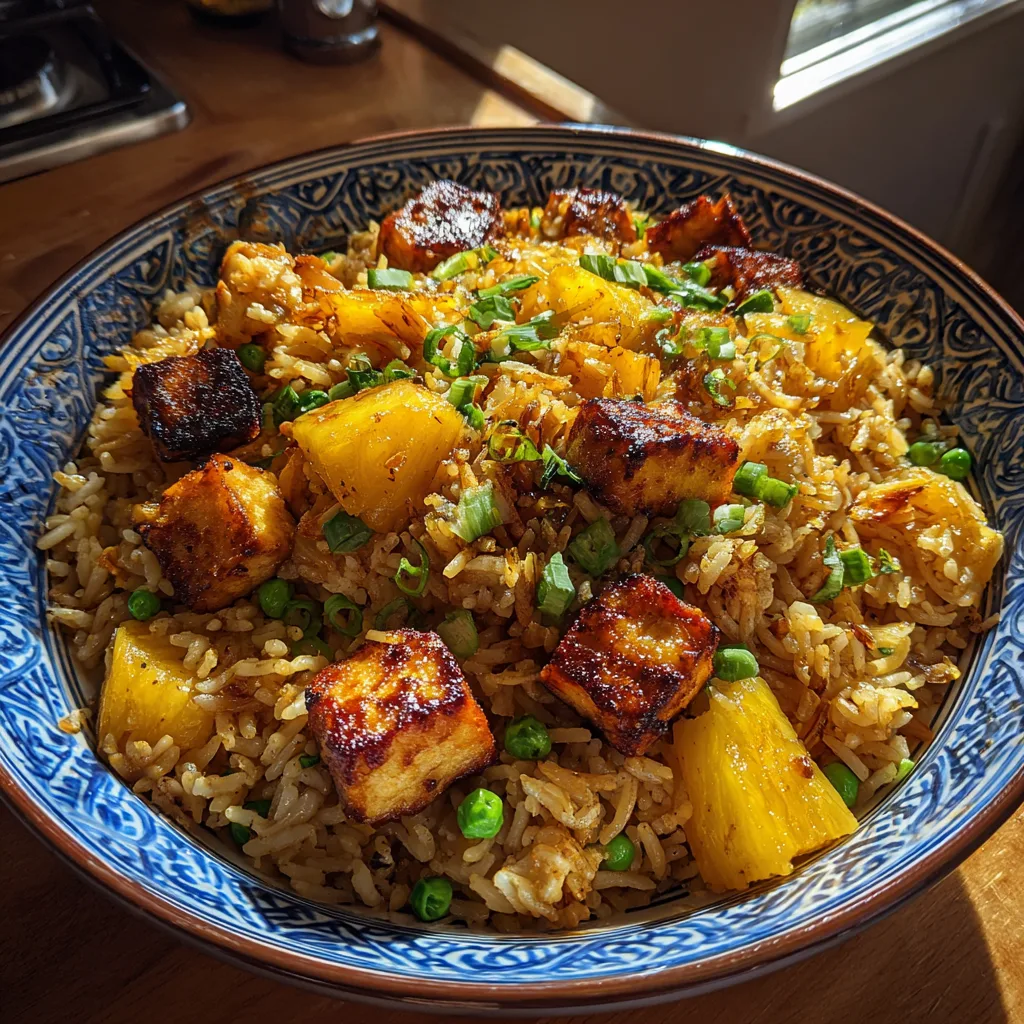
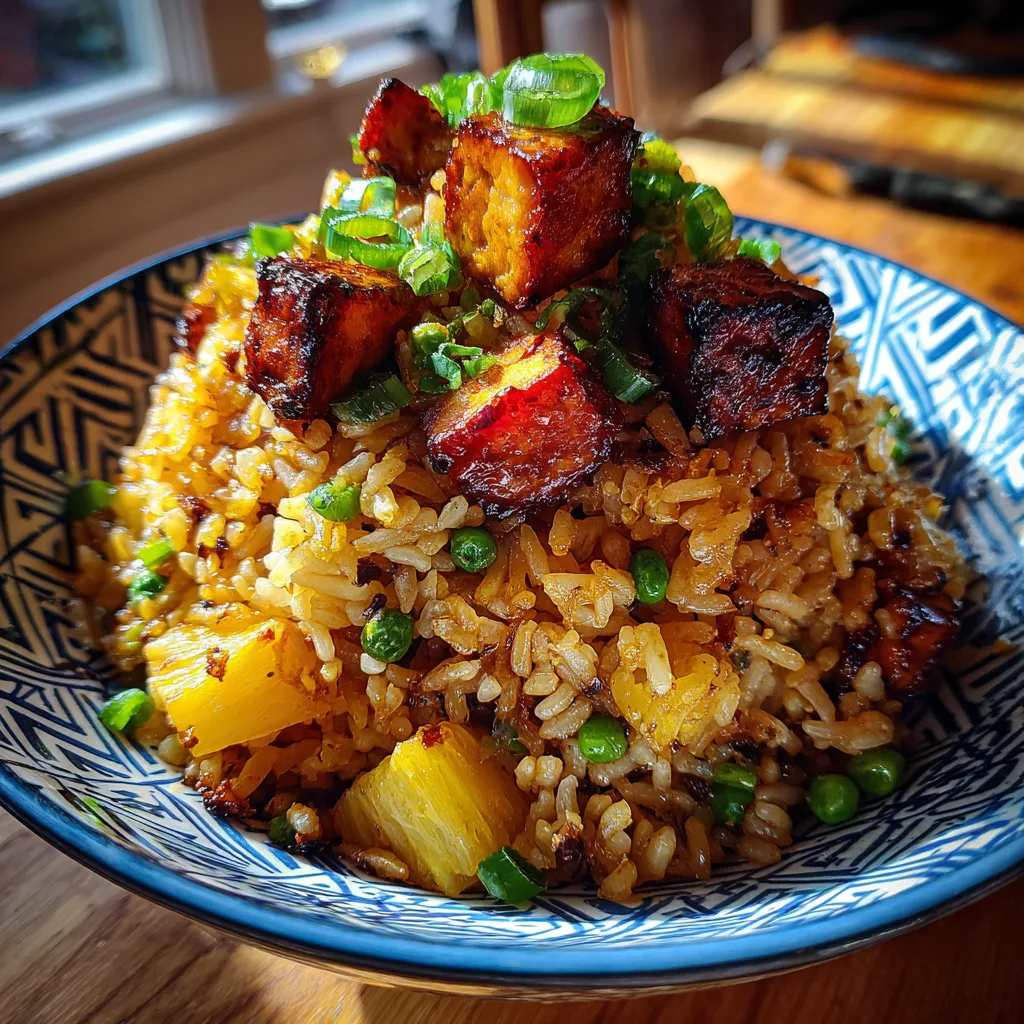
This recipe creates a balance that is often missed in standard takeout versions. Often, restaurant pineapple rice can be overly greasy or too sweet. Here, we control the sugar by relying mostly on the natural fructose of the fruit, balanced by the umami of soy sauce and garlic. The visual appeal is also stunning—the bright yellow pineapple and vivid green peas against the golden-brown rice make for a presentation that looks as good as it tastes. Plus, it is a “clean out the fridge” champion, allowing you to use up various vegetables and proteins you have on hand.
Ingredients
To achieve that authentic, glossy look and complex flavor profile, gather the following ingredients. Mise en place (having everything chopped and ready) is crucial for stir-frying!
The Base
- 3 cups – Cooked Jasmine Rice: Day-old, cold rice is non-negotiable for the best texture.
- 2 tablespoons – Vegetable or Canola Oil: You need a neutral oil with a high smoke point for searing.
- 1 tablespoon – Butter: Optional, but adding a knob of butter at the end adds a restaurant-style richness.
The Aromatics & Mix-ins
- 1 cup – Fresh Pineapple: Cut into bite-sized chunks. Canned works too, but ensure it is thoroughly drained and patted dry.
- 1 cup – Protein of Choice: Cubed firm tofu, chicken breast, or shrimp work best.
- 1/2 cup – Frozen Peas: No need to thaw; they cook instantly in the heat of the rice.
- 1/2 cup – Onion: Finely diced yellow or white onion.
- 3 cloves – Garlic: Minced finely.
- 2 – Green Onions (Scallions): Chopped, separating the white parts from the green tops for garnish.
The Sauce
- 2 tablespoons – Soy Sauce: The salty backbone of the dish.
- 1 tablespoon – Oyster Sauce: Adds a savory depth and glossiness. (Use vegetarian stir-fry sauce for a meat-free version).
- 1 teaspoon – Sesame Oil: For that nutty aroma.
- 1 teaspoon – Curry Powder: (Optional) This gives it that signature “Thai” yellow hue and warm spice flavor.
- 1/2 teaspoon – White Pepper: Preferred over black pepper for Asian cooking, but black pepper works in a pinch.
Instructions
1. Prepare the Rice
If you don’t have leftover rice, cook your jasmine rice and spread it out on a baking sheet. Place it in the freezer for 15-20 minutes to dry out the surface moisture. This prevents the dreaded “mushy” texture.
2. Sear the Protein
Heat 1 tablespoon of oil in a large wok or skillet over medium-high heat. Add your cubed chicken, tofu, or shrimp. Season with a pinch of salt and pepper. Cook until browned and fully cooked through. Remove from the pan and set aside.
3. Caramelize the Pineapple
In the same pan, add the pineapple chunks. Let them sit undisturbed for 1-2 minutes to get a nice golden sear. This intensifies the sweetness. Remove and set aside with the protein.
4. Sauté Aromatics
Add the remaining tablespoon of oil to the pan. Add the diced onion and cook until translucent (about 2 minutes). Add the minced garlic and the white parts of the green onions, stirring constantly for 30 seconds until fragrant so the garlic doesn’t burn.
5. Fry the Rice
Crumble the cold rice into the pan, breaking up any clumps with your hands or a spatula. Turn the heat to high. This is where you want to hear the sizzle! Stir-fry for 3 minutes, letting the rice get hot and slightly toasted.
6. Sauce and Combine
Drizzle the soy sauce, oyster sauce, sesame oil, and sprinkle the curry powder (if using) evenly over the rice. Toss rapidly to coat every grain. The rice should turn a beautiful golden brown color.
7. Final Toss
Add the cooked protein, caramelized pineapple, and frozen peas back into the pan. Toss everything together for another 2 minutes until the peas are bright green and everything is heated through. If using butter, stir it in now until melted.
8. Garnish and Serve
Remove from heat. Stir in half of the chopped green onion tops. Ladle into bowls and top with the remaining green onions. Serve immediately while steaming hot.
The Secret to Perfect Fried Rice
The biggest mistake people make with fried rice is using fresh, hot rice. Fresh rice is full of internal moisture. When you throw it into a hot pan with sauce, it releases that steam and turns into a gummy paste. Day-old, refrigerated rice has retrograded starches. The grains are firm and separate easily, allowing them to get coated in oil and sauce without breaking down. If you must make it same-day, use slightly less water when boiling the rice, and use the freezer cooling method mentioned in the instructions.
Variations and Substitutions
One of the best things about Pineapple Fried Rice is its versatility. Here are a few ways to switch it up:
- Make it Spicy: Add a tablespoon of Sriracha or a teaspoon of red chili flakes to the sauce mixture for a kick that contrasts beautifully with the sweet pineapple.
- Add Crunch: Roasted cashew nuts are a traditional addition to Thai pineapple rice. Toss in a handful of toasted cashews at the very end for a buttery crunch.
- Vegan Version: Swap the chicken for extra firm tofu (pressed and cubed) and replace the oyster sauce with a mushroom-based stir-fry sauce or simply use more soy sauce.
- Low Carb: You can replicate this dish using cauliflower rice! Just skip the “drying out” phase and simply sauté the cauliflower rice until tender-crisp before adding the sauce.
Storage and Reheating
Storage: Leftover pineapple fried rice can be stored in an airtight container in the refrigerator for up to 3 days. Because it contains fruit, I recommend eating it sooner rather than later to keep the textures intact.
Reheating: The microwave works fine (sprinkle a few drops of water over it and cover to steam), but the best way to reheat is back in a skillet. Add a teaspoon of oil and stir-fry for 3-4 minutes until hot. This brings back the texture of the rice better than the microwave.
Cultural Context and Fun Facts
While we often associate Pineapple Fried Rice with Thai cuisine (Khao Pad Sapparod), fruit in savory dishes is common across many Southeast Asian cultures. In Thailand, this dish is often served inside a hollowed-out pineapple half for a spectacular presentation. The combination of curry powder and pineapple suggests influence from various trade routes and culinary blending over centuries. It represents the perfect marriage of local tropical produce with savory Chinese frying techniques.
Final Thoughts
This Pineapple Fried Rice is a feast for the senses. The smell of frying garlic and sesame oil, the vibrant colors of the vegetables and fruit, and the explosion of flavors in every bite make it a recipe you will return to again and again. It is faster than ordering delivery and healthier too, giving you full control over the ingredients.
So, the next time you see a lonely can of pineapple in your pantry or have leftover rice sitting in the fridge, you know exactly what to do. Grab your wok and get ready to impress!
Pineapple Fried Rice
Ingredients
Equipment
Method
- If using fresh rice, spread on a baking sheet and freeze for 15 minutes to dry out.
- Heat 1 tablespoon of oil in a wok over medium-high heat. Sear protein until cooked through, then remove.
- Add pineapple chunks to the hot pan and sear until caramelized (1-2 mins). Remove and set aside.
- Add remaining oil, onion, and garlic. Sauté until fragrant (about 2 mins).
- Add cold rice to the pan. Turn heat to high and stir-fry for 3 minutes until hot.
- Drizzle soy sauce, oyster sauce, sesame oil, and curry powder over rice. Toss to coat evenly.
- Return protein and pineapple to the pan, along with frozen peas. Toss for 2 minutes.
- Garnish with green onions and serve immediately.