Pineapple Fried Rice
The Ultimate Sweet and Savory Pineapple Rice Recipe
There is something inherently magical about the combination of sweet, juicy fruit and savory, salty carbohydrates. If you are looking for a dish that perfectly balances these flavor profiles while delivering a comforting, satisfying meal, look no further than this incredible Pineapple Rice. Whether you serve it as a vibrant side dish or bulk it up to be the star of your dinner table, this recipe brings a tropical flair to your kitchen that is guaranteed to impress your family and friends.
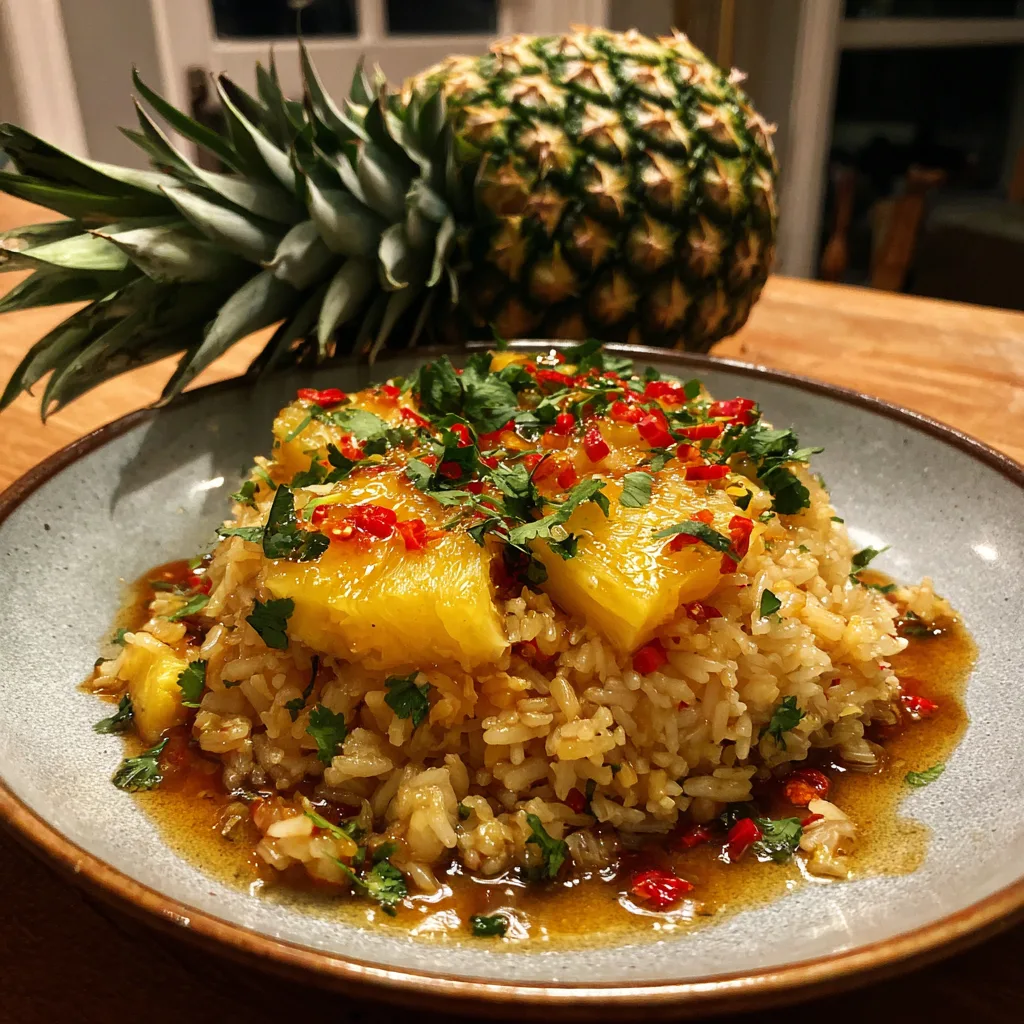
Pineapple rice is a beautiful symphony of textures and tastes. You have the chewy, satisfying bite of perfectly cooked rice, the sudden, delightful burst of sweetness from fresh pineapple chunks, the subtle heat of chili flakes, and the fresh, herbaceous finish of chopped cilantro. It is a dish that looks as good as it tastes, glowing with golden hues that promise a rich, deeply flavored culinary experience. In this comprehensive guide, we will walk you through everything you need to know to master this dish, from selecting the right ingredients to the science of the perfect stir-fry.
The Magic of Fruit in Savory Dishes
Integrating fruit into savory meals is a culinary tradition spanning the globe, from Moroccan tagines studded with apricots to Mexican salsas bursting with mango. The pineapple, native to South America but popularized globally, is perhaps the king of savory-fruit pairings. Its high acidity cuts through rich, oily ingredients, while its natural sugars caramelize beautifully when exposed to high heat. When tossed into a hot wok with savory soy sauce, garlic, and grains of rice, the pineapple transforms from a simple fruit snack into a complex, umami-enhancing powerhouse.
Why Day-Old Rice is Crucial for Frying
Before we dive into the ingredients, we must address the most critical rule of any fried rice dish: use cold, day-old rice. When rice is freshly cooked, it is full of moisture and the starches are gelatinized and sticky. If you try to fry fresh rice, you will inevitably end up with a mushy, clumpy mess instead of distinct, flavorful grains.
As rice sits in the refrigerator overnight, a process called starch retrogradation occurs. The starch molecules crystallize, and the grains lose moisture, becoming firm and separate. This dry exterior is exactly what you want when making pineapple rice, as it allows the grains to absorb the savory sauces and cooking oils without losing their structural integrity. If you are in an absolute rush and must use fresh rice, spread it out in a thin layer on a baking sheet and place it in the freezer for 20 to 30 minutes to rapidly dry out the surface moisture.
Ingredients You Will Need
The beauty of this recipe lies in its simplicity. With just a handful of accessible ingredients, you can create a restaurant-quality meal at home. Here is what you need:
- – 3 cups cooked Jasmine rice (chilled, preferably day-old)
- – 1.5 cups fresh pineapple (diced into bite-sized chunks)
- – 2 tablespoons neutral cooking oil (like canola, vegetable, or avocado oil)
- – 3 cloves garlic (finely minced)
- – 1 small yellow onion (finely diced)
- – 2 tablespoons light soy sauce
- – 1 tablespoon oyster sauce (or vegetarian mushroom stir-fry sauce)
- – 1 teaspoon toasted sesame oil
- – 1/2 teaspoon red chili flakes (adjust to your spice preference)
- – 1/4 cup fresh cilantro (chopped, for garnish)
- – Salt and white pepper (to taste)
Deep Dive into Key Ingredients
The Rice: Jasmine rice is the undisputed champion for this dish. It is a long-grain rice with a subtle floral aroma that pairs exquisitely with the tropical notes of the pineapple. Basmati can work in a pinch, but short-grain or sticky rice should be avoided as they will clump too much.
The Pineapple: Fresh pineapple is highly recommended over canned. Canned pineapple is often soaked in heavy syrup, which can make the fried rice overly sweet and soggy. Fresh pineapple holds its shape better when heated and provides a brighter, more vibrant flavor. When cutting your pineapple, save a few of the top leaves (the crown) to use as a beautiful, rustic garnish on your serving platter!
The Aromatics: Garlic and onion form the foundational flavor base. Cooking them over high heat in oil releases their essential oils, creating a fragrant base that permeates every single grain of rice.
Step-by-Step Instructions
Now that our ingredients are prepped and ready, it is time to bring the dish together. The actual cooking process happens very quickly, so ensure all your ingredients are chopped, measured, and within arm’s reach of your stove (a practice known in professional kitchens as “mise en place”).
- Prepare the Sauce: In a small bowl, whisk together the light soy sauce, oyster sauce (or vegetarian alternative), and toasted sesame oil. Set this aside. This ensures you aren’t scrambling to measure liquids while your wok is blazing hot.
- Heat the Wok: Place a large wok or a heavy-bottomed skillet over medium-high heat. Allow the pan to get very hot before adding the neutral cooking oil. Swirl the oil to coat the bottom and sides of the pan.
- Sauté Aromatics: Add the finely diced onion to the hot oil. Stir-fry for about 2 minutes until the onions become translucent and slightly softened. Add the minced garlic and the red chili flakes, stirring constantly for another 30 seconds until highly fragrant. Do not let the garlic burn, as it will turn bitter.
- Fry the Rice: Add the cold, day-old jasmine rice to the wok. Using a spatula, break up any large clumps. Toss the rice vigorously, ensuring every grain is coated in the infused oil. Let the rice sit undisturbed for 15-20 seconds at a time to develop a slight char and toastiness, then toss again. Do this for about 3-4 minutes.
- Add the Sauce: Pour the prepared soy sauce mixture evenly over the rice. Toss continuously to ensure the sauce coats the grains evenly, transforming them into a beautiful golden-brown color.
- Incorporate the Pineapple: Fold in the diced fresh pineapple. You only want to cook the pineapple for about 1 to 2 minutes—just enough to warm it through and allow its juices to slightly caramelize with the rice. Overcooking the pineapple will make it mushy and release too much water into the dish.
- Final Touches: Turn off the heat. Taste the rice and adjust the seasoning with a pinch of salt and a dash of white pepper if necessary. Fold in half of the chopped cilantro.
- Serve: Transfer the pineapple rice to a serving bowl or platter. Garnish with the remaining chopped cilantro and extra chili flakes if you prefer a spicier kick.
Pro-Tips for the Perfect Fry
Achieving restaurant-quality fried rice at home often comes down to technique rather than just the recipe. The concept of “Wok Hei,” which translates to the “breath of the wok,” is the smoky, complex flavor created by high heat and the caramelization of sugars and sauces. To achieve a semblance of this at home:
– Do not overcrowd the pan: If you are doubling the recipe, fry the rice in batches. Putting too much rice in the pan drops the temperature, causing the rice to steam rather than fry.
– Use high heat: Do not be afraid of a hot stove. High heat is essential for quickly evaporating any excess moisture from the sauces and the pineapple.
Exciting Variations and Add-Ins
This pineapple rice recipe is incredibly versatile and serves as a fantastic blank canvas for your culinary creativity. Here are some popular variations:
Protein Power: To make this a complete, standalone meal, add protein. Diced chicken breast, shrimp, or tofu are excellent choices. Cook your chosen protein in the wok first, remove it, and then add it back in during the final stages of cooking with the pineapple.
Nutty Crunch: For an added layer of texture and rich flavor, toss in a handful of roasted cashews or peanuts right at the end. The crunch of the nuts provides a brilliant contrast to the soft rice and juicy pineapple.
Veggie Boost: Sneak in more vegetables by adding diced bell peppers, frozen peas, or shredded carrots during the onion sautéing stage. Red bell peppers, in particular, add a lovely color contrast and a sweet crunch.
Curry Twist: For a warmer, earthier flavor profile, add a teaspoon of yellow curry powder when you add the garlic. This is a common addition in traditional Thai pineapple fried rice and gives the dish a spectacular vibrant yellow hue.
Serving Suggestions
Pineapple rice is incredibly adaptable. It serves wonderfully as a side dish alongside grilled teriyaki chicken, garlic butter shrimp, or sticky glazed ribs. If you are hosting a summer barbecue or a tropical-themed dinner party, this rice is an absolute must-have.
For a truly spectacular presentation, consider serving the finished rice inside a hollowed-out pineapple half. Simply slice a whole pineapple down the middle, scoop out the flesh (which you dice for the recipe!), and use the empty shell as a natural, stunning serving bowl.
The Cultural Context of Pineapple Fried Rice
While frying rice is an ancient Chinese technique dating back to the Sui Dynasty, the specific addition of pineapple points heavily towards Southeast Asian cuisine, particularly Thai. In Thailand, “Khao Pad Sapparod” (Pineapple Fried Rice) is a beloved dish that masterfully blends the essential Thai flavor pillars: sweet, salty, and spicy.
The dish likely evolved as a way to use abundant local tropical fruits alongside leftover staples. Today, it is a popular street food and restaurant staple, often elevated with the addition of curry powder, raisins, and cashews, showcasing the region’s historical role as a spice trade hub.

Storage and Reheating
If you find yourself with leftovers, pineapple rice stores beautifully. Allow the rice to cool completely before transferring it to an airtight container. It will keep in the refrigerator for up to 4 days.
When reheating, it is best to avoid the microwave if possible, as it can make the rice gummy. Instead, heat a splash of oil in a skillet over medium heat, add the leftover rice, and toss gently until warmed through. If the rice seems a bit dry, add a tiny splash of water or soy sauce while reheating to revive it.
Conclusion
Creating this magnificent, sweet, and savory Pineapple Rice is an exercise in simple, joyful cooking. By understanding the importance of cold rice, high heat, and the balance of flavors, you can transform everyday ingredients into a spectacular meal. The beautiful golden grains, studded with juicy yellow pineapple and vibrant green cilantro, make for a dish that is as nourishing to the body as it is delightful to the senses. Gather your ingredients, heat up your wok, and bring a taste of the tropics into your kitchen tonight!
Sweet and Savory Pineapple Rice
Ingredients
Equipment
Method
- In a small bowl, whisk together the soy sauce, oyster sauce, and toasted sesame oil. Set aside.
- Heat a large wok or heavy skillet over medium-high heat. Add the neutral cooking oil and swirl to coat the pan.
- Add the diced onion and sauté for 2 minutes until softened. Add minced garlic and chili flakes, stirring for 30 seconds until fragrant.
- Add the cold, day-old rice, breaking up any clumps with a spatula. Stir-fry for 3-4 minutes, letting the rice toast slightly.
- Pour the prepared sauce mixture over the rice and toss continuously until the grains are evenly coated and browned.
- Fold in the diced fresh pineapple and cook for 1-2 minutes just until warmed through.
- Remove from heat, adjust seasoning with salt and pepper, and stir in half of the chopped cilantro.
- Transfer to a serving bowl, garnish with remaining cilantro and chili flakes, and serve immediately.