Spicy Tuna Crispy Rice
The Ultimate Guide to Homemade Spicy Tuna Crispy Rice (Nobu Copycat)
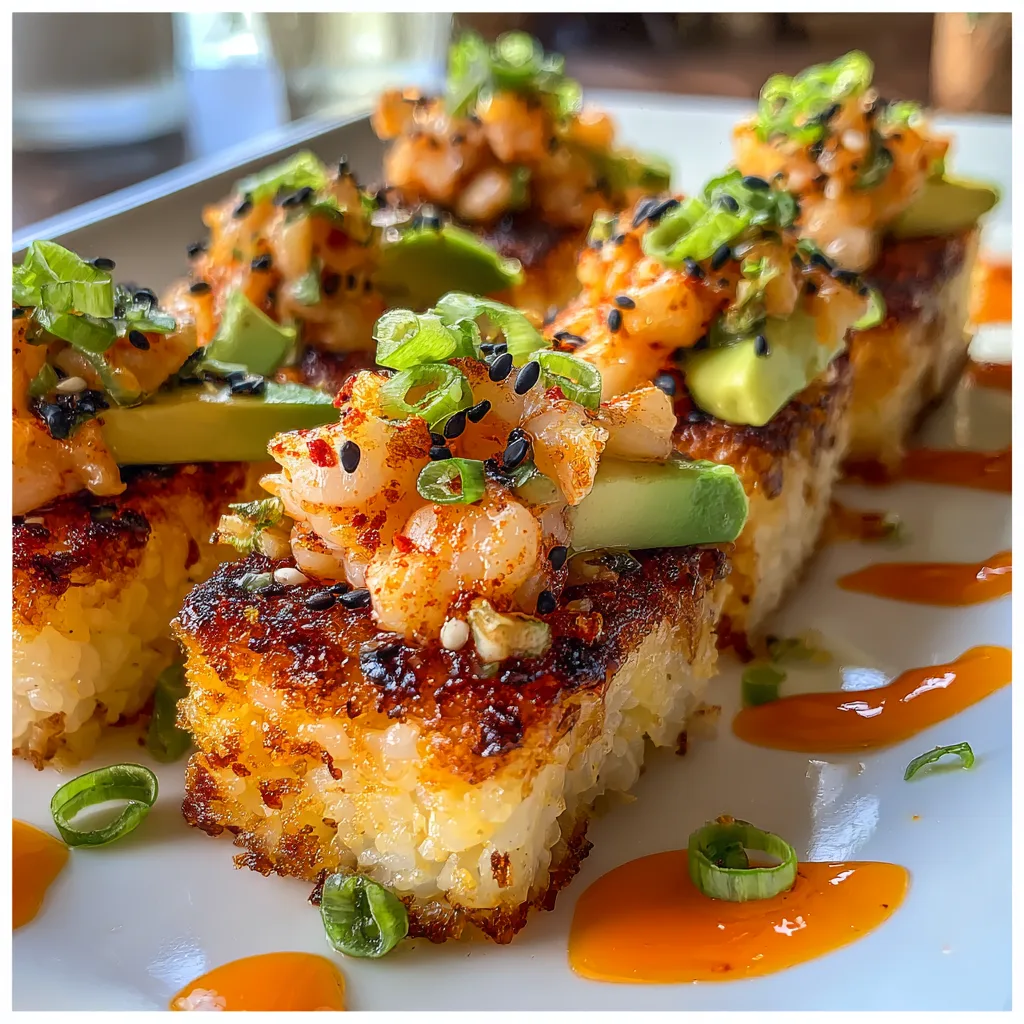
If there is one appetizer that has completely taken over the culinary world and social media feeds alike, it is the Spicy Tuna Crispy Rice. Originally made famous by the legendary Nobu Matsuhisa, this dish is a masterclass in texture and flavor contrast. Imagine biting into a block of rice that is deeply golden and crunchy on the outside, yet soft and chewy on the inside, topped with cool, creamy, and spicy tuna tartare. It is a sensory experience that combines the comfort of fried food with the elegance of high-end sushi.
While it may look intimidating to recreate this restaurant staple at home, the process is surprisingly straightforward. The secret lies in the preparation of the rice—specifically, compressing and cooling it before frying to achieve that signature structure. Whether you are hosting a dinner party, planning a romantic date night in, or simply craving a gourmet snack, this recipe will guide you through every step to ensure your result is just as delicious (and photogenic) as the original.
Why You Will Love This Recipe
There are countless sushi recipes out there, but Spicy Tuna Crispy Rice stands apart for several reasons. First, it is a texture lover’s dream. The “crunch” isn’t just a garnish; it is the foundation of the dish. Second, it is versatile. While spicy tuna is the classic topping, once you master the crispy rice base, you can top it with spicy salmon, yellowtail, or even smashed avocado for a vegan version. Finally, it is an impressive dish that requires no sushi rolling mat or complex knife skills—just a bit of patience.
Ingredients
To achieve the perfect balance of flavors, quality ingredients are key, especially regarding the fish. Here is what you will need:
For the Crispy Rice Base
- Sushi Rice – Short-grain rice is non-negotiable here. It has the high starch content needed to stick together and form solid blocks.
- Rice Vinegar – Adds that classic tang to season the rice.
- Sugar – Balances the acidity of the vinegar.
- Salt – Enhances the flavor of the rice.
- Vegetable Oil – For pan-frying. You can also use canola or grapeseed oil; you want a neutral oil with a high smoke point.
- Sesame Oil – A splash added to the frying oil adds a nutty depth.
For the Spicy Tuna Topping
- Sashimi-Grade Tuna – This is the most critical ingredient. Ensure you buy “sashimi-grade” or “sushi-grade” fish from a reputable fishmonger or Japanese grocery store to ensure it is safe to eat raw.
- Kewpie Mayonnaise – Japanese mayonnaise is richer and creamier than American mayo, thanks to egg yolks and MSG. It is essential for the authentic flavor.
- Sriracha – Provides the heat. Adjust the amount based on your spice tolerance.
- Sesame Oil – Adds aroma.
- Soy Sauce – For saltiness and umami.
- Scallions (Green Onions) – Finely chopped for freshness and crunch.
Garnishes (The Finishing Touches)
- Jalapeño or Serrano Peppers – Thinly sliced coins for an extra kick of heat and a pop of green.
- Avocado – Sliced thickly; the creaminess balances the crunch of the rice.
- Black Sesame Seeds – For visual contrast.
- Eel Sauce (Unagi Sauce) – Optional, but a drizzle adds a lovely sweetness.
Instructions
Phase 1: Preparing the Rice (The Most Important Step)
1. Rinse and Cook the Rice:
Wash the sushi rice under cold water until the water runs clear. This removes excess starch on the surface, preventing it from becoming too gummy. Cook the rice according to package instructions or use a rice cooker for best results.
2. Season the Rice:
While the rice is still hot, transfer it to a large bowl. Mix the rice vinegar, sugar, and salt in a small cup until dissolved, then pour over the rice. Gently fold the mixture into the rice using a paddle, being careful not to mash the grains. This is called “shari.”
3. Compress and Chill:
Line an 8×8 inch square baking pan with plastic wrap. Transfer the seasoned rice into the pan. Wet your hands or use a spatula to press the rice down firmly. You want it to be very compact and even, about 1/2 to 3/4 inch thick. Cover with more plastic wrap and refrigerate for at least 2 hours, or overnight. Tip: This step dries out the rice slightly and solidifies the block, which is crucial for frying.
Phase 2: Making the Spicy Tuna
4. Prepare the Tuna:
Pat the tuna block dry with a paper towel. Using a very sharp knife, finely dice the tuna into small cubes. Do not mince it into a paste; you want some texture.
5. Mix the Sauce:
In a medium bowl, combine the diced tuna, Kewpie mayo, sriracha, sesame oil, soy sauce, and half of the chopped scallions. Mix gently until the tuna is evenly coated in the creamy spicy sauce. Keep this mixture chilled until ready to serve.
Phase 3: Frying and Assembly
6. Cut the Rice Blocks:
Remove the solidified rice cake from the fridge. Lift it out of the pan using the plastic wrap. Dip a sharp knife in water (to prevent sticking) and cut the rice block into uniform rectangles (approx. 2×1 inches). You should get about 12-15 pieces.
7. Fry the Rice:
Heat about 1/2 inch of vegetable oil in a skillet over medium-high heat. Once hot (you can test by dropping a grain of rice in—if it sizzles instantly, it’s ready), carefully place the rice rectangles into the pan. Fry for 3-4 minutes on each side until they are a deep golden brown and crispy. Transfer to a wire rack or paper towel-lined plate to drain excess oil.
8. Assemble:
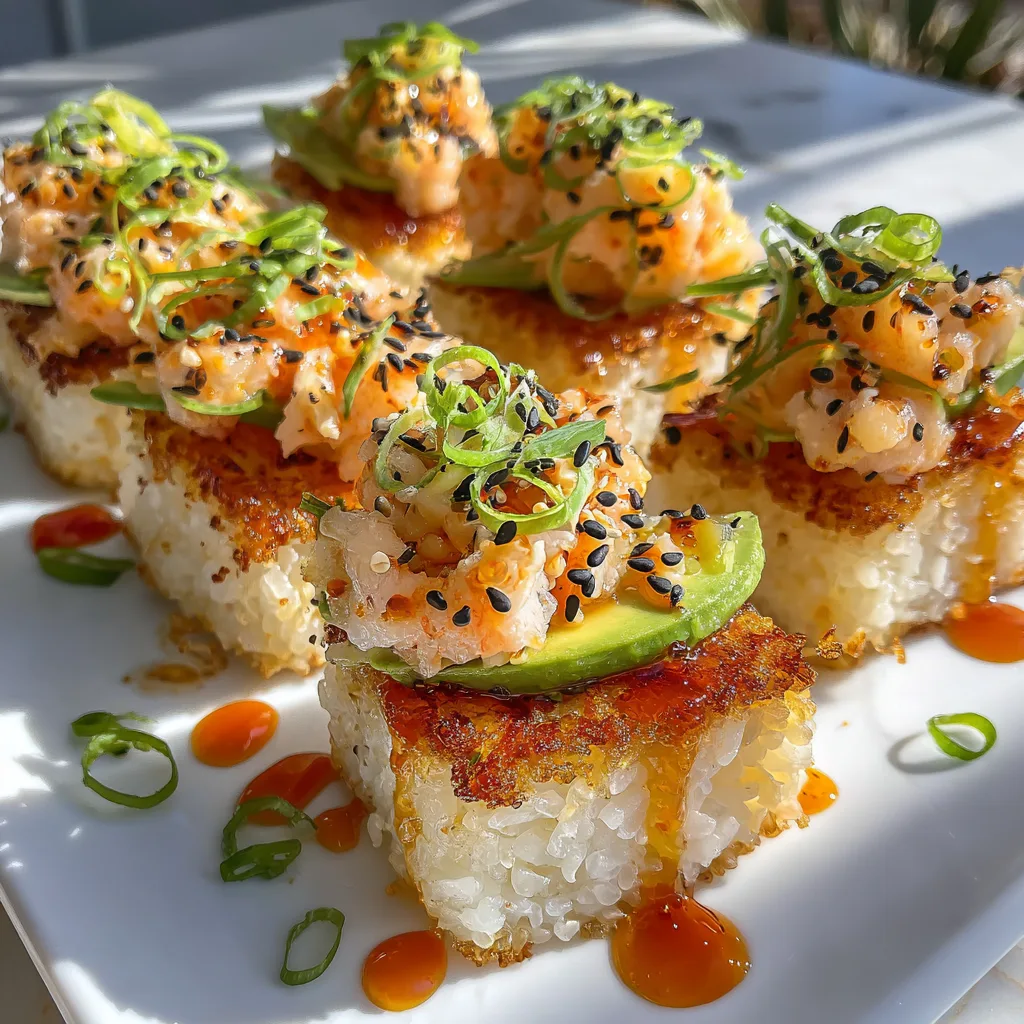
Arrange the warm crispy rice cakes on a serving platter. Place a slice of avocado on top of each cake (if using). Spoon a generous amount of the spicy tuna mixture onto the avocado/rice. Top with a thin slice of jalapeño.
9. Garnish and Serve:
Sprinkle with black sesame seeds and the remaining green onions. If you like, drizzle with a little extra spicy mayo or eel sauce. Serve immediately while the rice is still warm and crispy!
Tips for Success
- The Rice Consistency: If your rice falls apart when frying, it likely wasn’t compressed enough or wasn’t chilled long enough. The starch needs time to retrograde (harden) in the fridge to hold the shape during frying.
- Knife Skills: When cutting the cold rice block, use a sawing motion and wet the knife between cuts. If you press straight down, you might crush the grains.
- Oil Temperature: Ensure the oil is hot enough before adding the rice. If the oil is too cool, the rice will absorb the grease and become soggy rather than crispy.
- Sauce Customization: If you prefer a smokier flavor, add a tiny drop of liquid smoke or chili crisp to your spicy tuna mix.
Variations to Try
Spicy Salmon Crispy Rice: Simply swap the tuna for fresh sashimi-grade salmon. Salmon has a higher fat content and pairs beautifully with the frying.
Vegan Crispy Rice: Replace the fish with marinated tofu cubes, mashed chickpeas, or even diced watermelon that has been baked (a popular tuna substitute). Use vegan mayo for the sauce.
Truffle Avocado Rice: Skip the fish entirely. Top the crispy rice with smashed avocado, a drizzle of truffle oil, and flaky sea salt for a luxurious vegetarian option.
Serving Suggestions
This dish is rich, so it serves perfectly as an appetizer for 4 people or a main course for 2. Pair it with:
- Edamame: Steamed with sea salt to cleanse the palate.
- Miso Soup: A warm bowl of miso soup complements the fried texture.
- Cucumber Salad: A vinegar-based sunomono salad cuts through the richness of the spicy mayo.
- Sake or crisp white wine: A dry Reisling or a cold Junmai sake pairs wonderfully with the heat of the sriracha.
Frequently Asked Questions
Can I make this ahead of time?
You can prepare the rice block up to 2 days in advance and keep it in the fridge. However, you should fry the rice and mix the tuna just before serving. Once assembled, the rice will eventually get soggy if left too long.
Where can I find Kewpie Mayo?
Most Asian grocery stores carry it, and many mainstream supermarkets now stock it in the international aisle. It comes in a soft squeeze bottle with a red cap/logo. If you absolutely can’t find it, you can mix regular mayo with a pinch of sugar and a drop of rice vinegar, though the taste won’t be quite the same.
Is it safe to eat raw tuna?
Yes, provided you buy fish labeled “sashimi-grade” or “sushi-grade.” This indicates the fish has been handled and frozen at ultra-low temperatures to kill any potential parasites. Never use standard supermarket fish fillets for raw consumption.
Recreating the famous Spicy Tuna Crispy Rice at home is a rewarding culinary project. The sound of the crunch when you take that first bite, followed by the melt-in-your-mouth tuna, makes all the preparation worth it. It’s a restaurant-quality dish that brings a touch of luxury to your home kitchen.
Spicy Tuna Crispy Rice
Ingredients
Equipment
Method
- Rinse sushi rice until water runs clear. Cook in a rice cooker or stovetop according to package directions.
- Mix rice vinegar, sugar, and salt. Fold into the hot cooked rice gently.
- Line an 8×8 inch pan with plastic wrap. Press rice firmly into the pan to create an even layer. Cover and refrigerate for at least 2 hours (or overnight).
- Remove chilled rice block and cut into uniform rectangles (approx 2×1 inches).
- Heat vegetable oil in a skillet over medium-high heat. Fry rice cakes for 3-4 minutes per side until golden brown and crispy. Drain on wire rack.
- In a bowl, mix diced tuna, mayo, sriracha, sesame oil, soy sauce, and chopped scallions.
- Assemble by placing a slice of avocado on the crispy rice, topping with a spoonful of spicy tuna, and garnishing with a jalapeno slice and sesame seeds.
- Serve immediately while rice is warm and crispy.