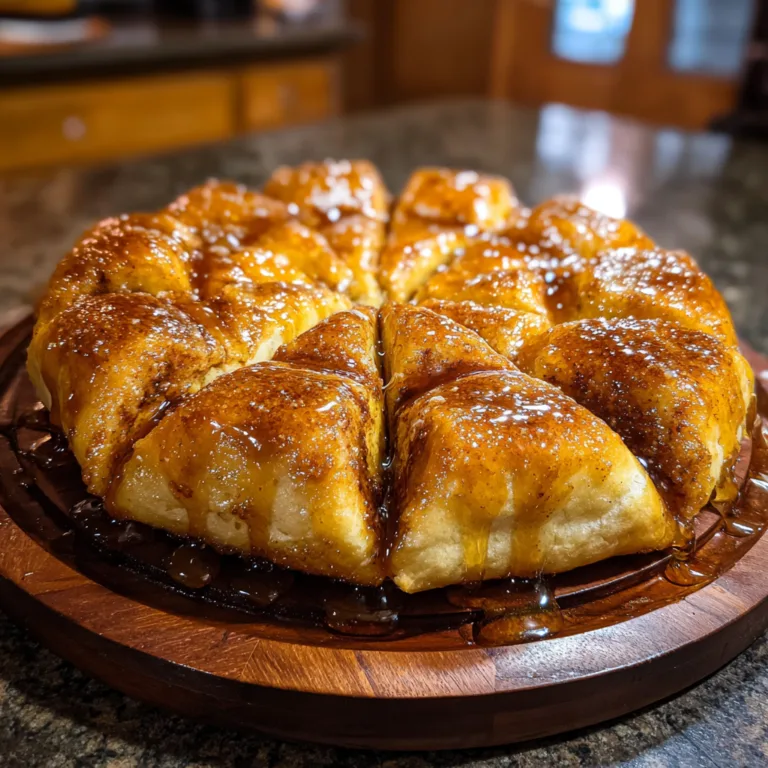
Strawberry Lemon Loaf
The Ultimate Moist Strawberry Lemon Loaf Cake Recipe
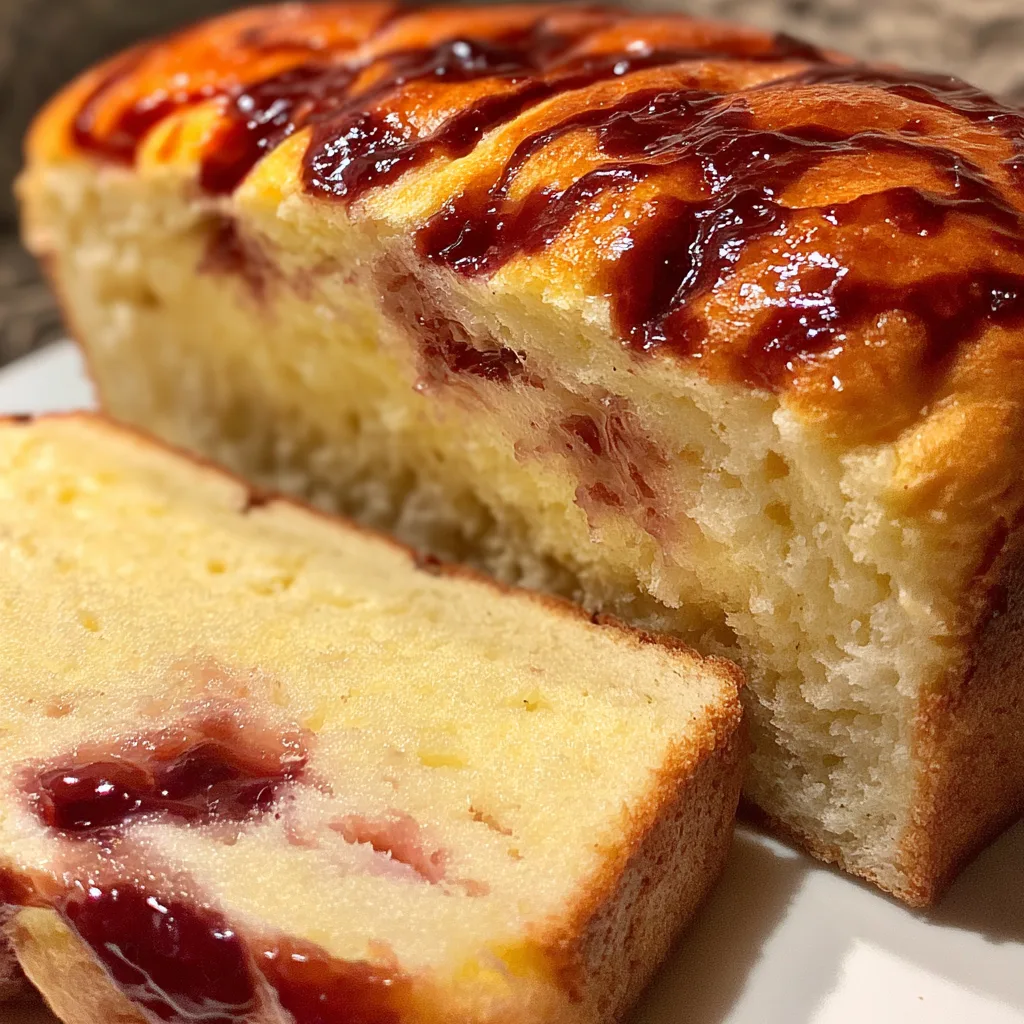
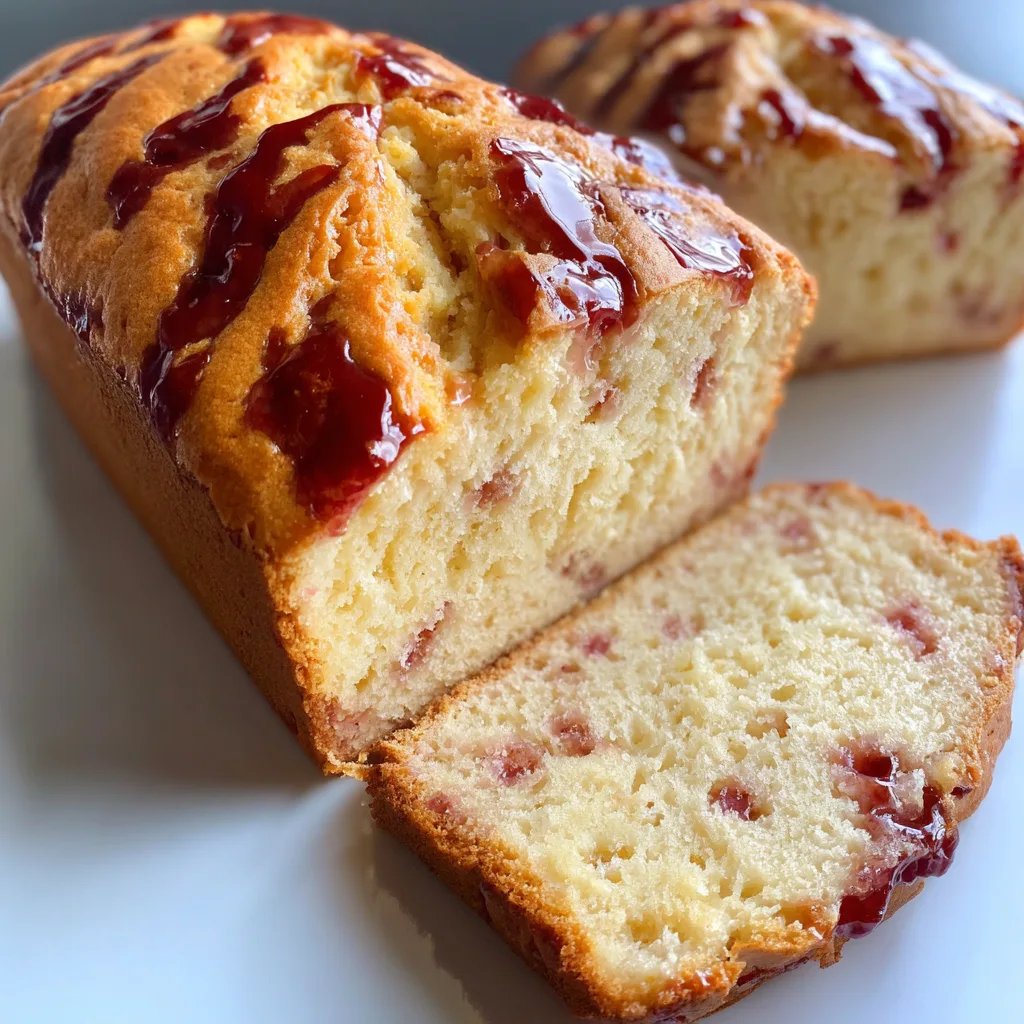
There is something undeniably comforting about a loaf cake. It sits perfectly at the intersection of “fancy enough for guests” and “casual enough for a Tuesday morning breakfast.” But when you combine the zesty, bright punch of fresh lemons with the sweet, jammy depth of strawberries, you elevate the humble loaf into something truly spectacular. This Strawberry Lemon Loaf Cake is the embodiment of sunshine on a plate. It features a tender, buttery crumb infused with lemon zest, ribbons of sweet strawberry reduction swirled throughout, and a sticky, glossy glaze that will have you licking your fingers.
Whether you are an experienced baker looking for a reliable summer staple or a novice wanting to impress without the stress of layer cakes, this recipe is your new go-to. In this comprehensive guide, we will walk through everything you need to know to bake the perfect loaf—from choosing the right lemons to achieving that picture-perfect swirl.
Why This Recipe Works
Many fruit-based loaf cakes suffer from two common problems: they are either too dry because the fruit didn’t add enough moisture, or they are soggy because the fruit released too much water. This recipe strikes the perfect balance. By using a strawberry reduction (or a high-quality thick jam) rather than raw chopped strawberries, we concentrate the flavor and control the moisture. The base is a classic pound cake style, enriched with sour cream or Greek yogurt to ensure the crumb remains moist for days.
The contrast is the star here. The acidity of the lemon cuts through the sugar, while the strawberry provides bursts of floral sweetness. It is a dense cake, but not heavy—a texture often described as “velvety.”
Ingredients You Will Need
To achieve the best flavor and texture, quality ingredients are key. Here is what you need to gather before you start baking:
For the Lemon Cake Base
- All-Purpose Flour: The structural backbone of the cake. Make sure to spoon and level your flour to avoid a dense, dry loaf.
- Baking Powder & Baking Soda: A combination of leavening agents ensures the heavy batter rises properly.
- Salt: Essential for balancing the sweetness and popping the lemon flavor.
- Unsalted Butter: It must be softened to room temperature to cream properly with the sugar.
- Granulated Sugar: Provides sweetness and aids in aeration during the creaming process.
- Eggs: Room temperature eggs mix better and create a smoother emulsion.
- Fresh Lemons: You will need both the zest and the juice. Bottled juice simply won’t provide the aromatic oils needed for this recipe.
- Sour Cream or Greek Yogurt: The secret weapon for moisture. The acidity also interacts with the baking soda for a better rise.
- Vanilla Extract: Just a splash rounds out the flavors.
For the Strawberry Swirl & Glaze
- Strawberries: Fresh or frozen work well. If using frozen, do not thaw before cooking down.
- Sugar: To sweeten the fruit reduction.
- Cornstarch (optional): If your strawberries are particularly juicy, a pinch helps thicken the swirl so it doesn’t sink to the bottom.
- Powdered Sugar: For the final glaze.
Step-by-Step Instructions
Phase 1: Preparing the Strawberry Swirl
Before mixing the batter, you need your fruit component ready. If you swirl hot jam into raw batter, it can cook the eggs prematurely and ruin the texture.
- Cook the Strawberries: In a small saucepan, combine diced strawberries and 2 tablespoons of sugar. Cook over medium heat until the berries break down and release their juices (about 5-7 minutes).
- Reduce and Thicken: Mash the berries slightly with a fork. Continue simmering until the mixture thickens into a jam-like consistency. It should coat the back of a spoon.
- Cool: Remove from heat and let it cool completely. It will thicken further as it cools.
Phase 2: Making the Batter
- Preheat and Prep: Preheat your oven to 350°F (175°C). Grease a 9×5 inch loaf pan liberally with butter or non-stick spray and line it with parchment paper for easy removal.
- Whisk Dry Ingredients: In a medium bowl, whisk together the flour, baking powder, baking soda, and salt. Set aside.
- Infuse the Sugar: This is a pro tip! In your large mixing bowl, add the granulated sugar and the lemon zest. Rub the zest into the sugar with your fingertips until the sugar looks like wet sand and is incredibly fragrant. This releases the lemon oils.
- Cream Butter and Sugar: Add the softened butter to the lemon sugar. Beat with a hand mixer or stand mixer on medium-high speed for 3-4 minutes until pale and fluffy. Do not rush this step; it incorporates air.
- Add Eggs: Beat in the eggs one at a time, scraping down the bowl after each addition. Add the vanilla and lemon juice.
- Combine: Reduce the mixer speed to low. Add half of the flour mixture, then the sour cream, then the remaining flour mixture. Mix just until combined. Do not overmix, or the gluten will develop and make the cake tough.
Phase 3: Assembly and Baking
- Layering: Pour about one-third of the batter into the prepared pan. Spoon dollops of the cooled strawberry mixture over the batter. Repeat with another layer of batter and another layer of strawberry. Top with the remaining batter.
- The Swirl: Take a butter knife or a skewer and gently run it through the batter in a zig-zag pattern. Don’t overdo it, or the colors will muddy together; you want distinct ribbons of red.
- Bake: Bake for 50-60 minutes. The top should be golden brown and a toothpick inserted into the center should come out clean or with a few moist crumbs. If the top is browning too fast, tent it loosely with aluminum foil after 40 minutes.
- Cool: Let the cake cool in the pan for 15 minutes, then lift it out using the parchment paper and transfer to a wire rack to cool completely.
Phase 4: The Glaze
- Mix: Whisk together powdered sugar and 1-2 tablespoons of lemon juice (or strawberry juice reserved from the cooking process).
- Adjust: Add liquid slowly until you reach a thick, pourable consistency.
- Drizzle: Pour over the completely cooled cake. Let it set for 10 minutes before slicing.
Tips for Success
Room Temperature Ingredients are Non-Negotiable:
Cold ingredients do not emulsify. If your butter is too cold, you won’t get air pockets. If your eggs are cold, they can curdle the batter. If you forgot to take them out, place the eggs in a bowl of warm water for 5 minutes before using.
Don’t Skip the Parchment Paper:
Lemon and fruit cakes are sticky due to the sugar content. Even non-stick pans can fail. A parchment sling ensures you can lift the loaf out intact without breaking that beautiful crust.
The “Rubbing In” Method:
Rubbing the lemon zest into the sugar is the single best way to maximize lemon flavor without adding extra liquid (which can mess up the chemistry). It dyes the sugar yellow and perfumes the entire kitchen.
Variations and Substitutions
This recipe is quite versatile. Here are a few ways to tweak it:
- Berry Swap: You can easily swap strawberries for raspberries or blueberries. Raspberries add a tartness that pairs beautifully with lemon, while blueberries offer a milder, sweeter profile.
- Make it Orange: Swap the lemon zest and juice for orange or blood orange for a warmer, citrus flavor profile.
- Glaze Options: Instead of a simple powdered sugar glaze, try a cream cheese glaze for a tangier finish that mimics a cheesecake flavor.
- Gluten-Free: This recipe works well with a high-quality 1:1 gluten-free flour blend. The sour cream helps keep the gluten-free crumb from becoming too crumbly.
Serving Suggestions
This Strawberry Lemon Loaf is perfect on its own, but you can dress it up for dessert. Serve a warm slice with a scoop of vanilla bean ice cream or a dollop of fresh whipped cream. It pairs exceptionally well with Earl Grey tea or a dark roast coffee, as the bitterness cuts the sweetness of the glaze.
Storage and Freezing
Countertop: Store the cake in an airtight container at room temperature for up to 3 days. The flavor actually improves on day two as the moisture redistributes.
Refrigerator: You can store it in the fridge for up to a week, but keep in mind that butter-based cakes can firm up in the cold. Allow the slice to come to room temperature before eating.
Freezing: This loaf freezes beautifully. Wrap the cooled loaf (without glaze is best, but glazed works too) tightly in plastic wrap, then in foil. It can be frozen for up to 3 months. Thaw on the counter overnight.
Conclusion
This Strawberry Lemon Loaf Cake is a celebration of simple ingredients coming together to create something magical. The bright acidity of the lemon lifts the spirit, while the sweet strawberry jam provides a hug of comfort. It is moist, dense, and incredibly flavorful—everything a good home-baked treat should be. Whether you are baking for a brunch, a picnic, or just a quiet afternoon at home, this recipe delivers consistent, delicious results every time.
Strawberry Lemon Loaf Cake
Ingredients
Equipment
Method
- In a small saucepan, simmer strawberries and 2 tbsp sugar over medium heat until broken down (5-7 mins). Stir in cornstarch slurry, cook 1 minute until thickened. Remove from heat and cool completely.
- Preheat oven to 350°F (175°C). Grease and line a 9×5 inch loaf pan with parchment paper.
- In a medium bowl, whisk together flour, baking powder, baking soda, and salt.
- In a large bowl, rub lemon zest into 1 cup sugar with fingers until fragrant. Add softened butter and beat until pale and fluffy (3-4 mins).
- Beat in eggs one at a time, followed by lemon juice and vanilla extract.
- Mix in half the flour mixture, then the sour cream, then the remaining flour mixture. Mix just until combined.
- Pour 1/3 batter into pan. Top with dollops of strawberry mixture. Repeat layers, ending with batter. Swirl gently with a knife.
- Bake for 50-60 minutes until a toothpick comes out clean. If browning too fast, cover loosely with foil.
- Cool in pan for 15 minutes, then transfer to wire rack. Whisk glaze ingredients and pour over cooled cake.