Sugar & Vinegar Fireworks
Sugar and Vinegar Fireworks: The Ultimate Messy Science Activity for Kids
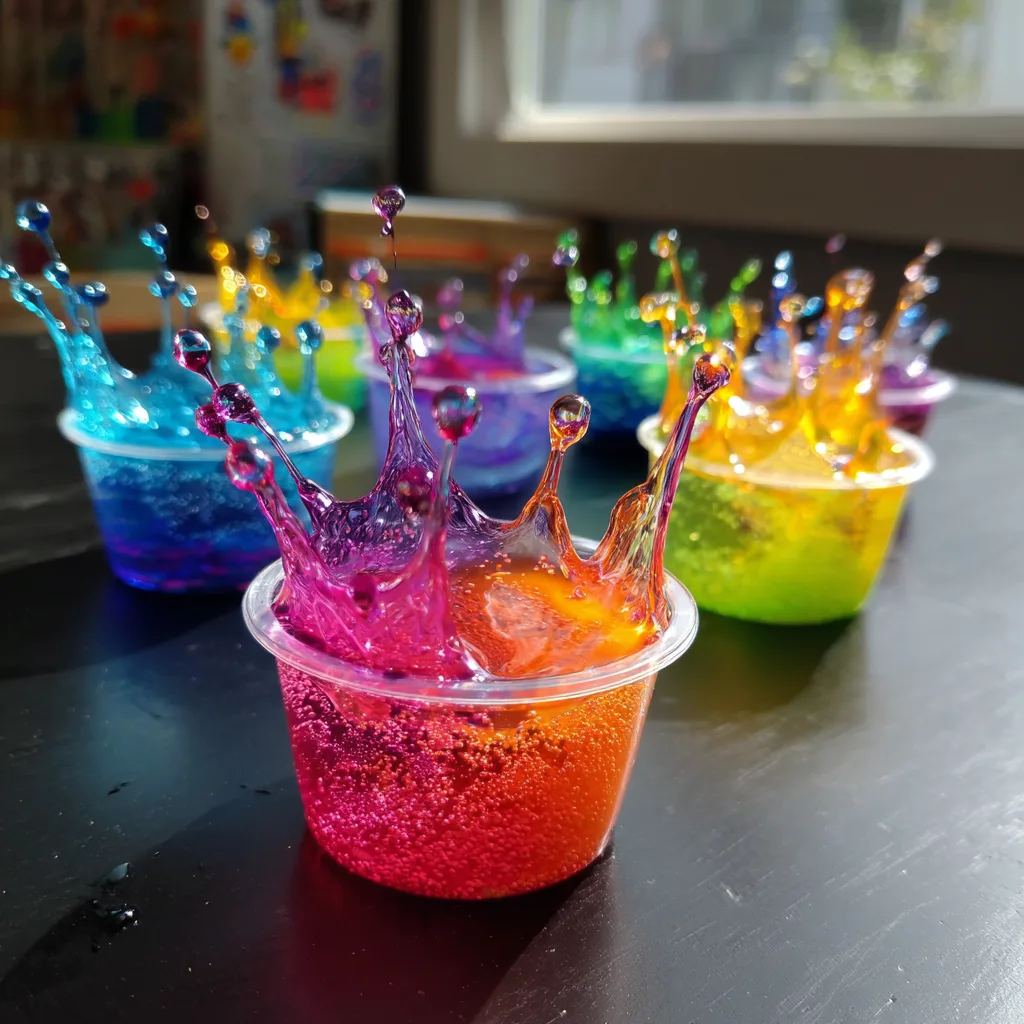
Welcome to the wonderful, messy, and incredibly exciting world of kitchen science! If you are looking for a spectacular, low-cost, and high-entertainment activity to keep your children engaged, learning, and laughing, you have just found your new favorite rainy-day lifesaver. This Sugar and Vinegar Fireworks experiment is a visually stunning twist on the classic baking soda and vinegar volcano that has been a staple of childhood for generations. By incorporating granulated sugar and vibrant food coloring, we transform a simple chemical reaction into a dynamic, spiky, erupting masterpiece that looks exactly like a tiny, colorful firework exploding right in a plastic cup.
In this comprehensive guide, we will explore everything you need to know to execute this thrilling sensory activity. We will dive into the science behind the fizz, discuss the best ways to set up for a stress-free cleanup, and outline how to turn this simple afternoon activity into a robust educational experience for children of all ages. Whether you are a homeschooling parent, a teacher looking for an engaging STEM center, or just a caregiver trying to survive a long weekend, these vibrant, erupting cups are guaranteed to be a massive hit.
Why You Will Absolutely Love This Science Activity
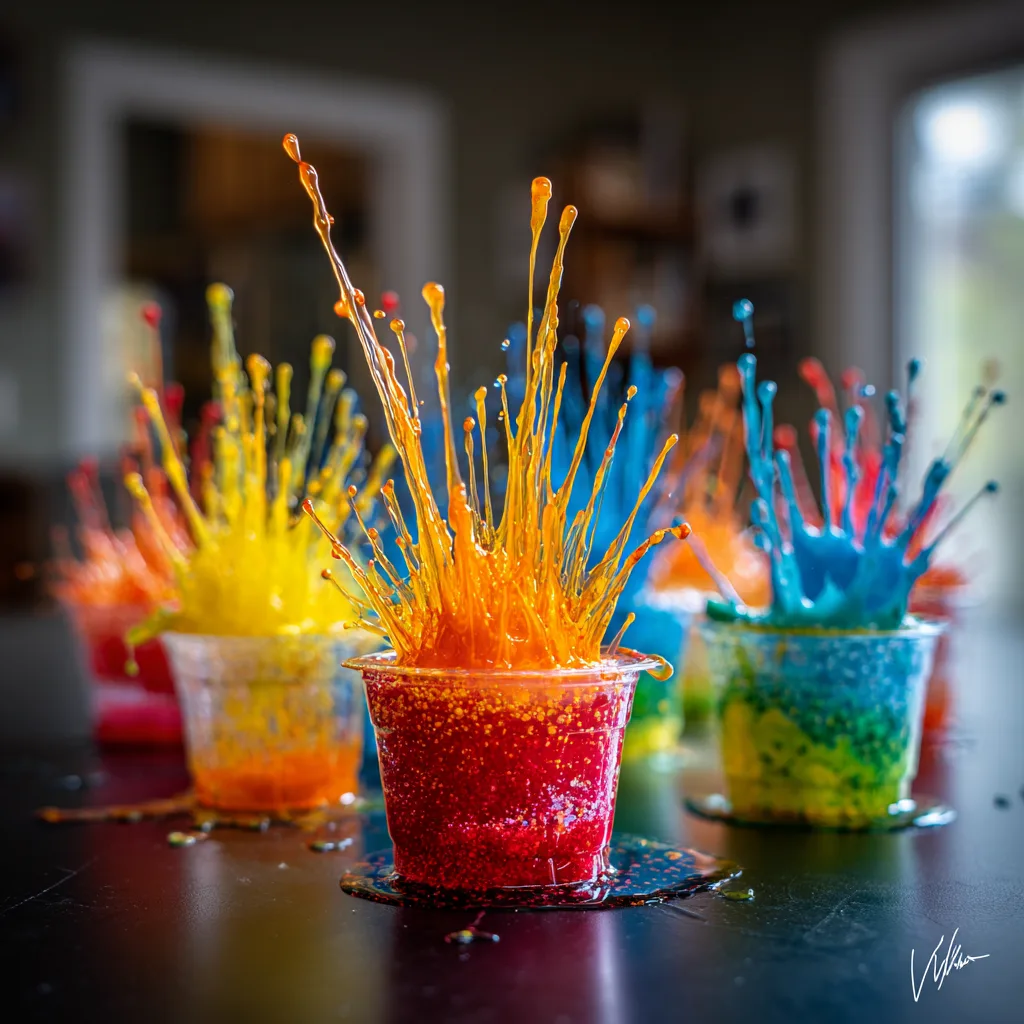
There is a multitude of reasons why this specific sensory activity is highly recommended by parents and educators alike. First and foremost, the “wow” factor is off the charts. The addition of food coloring makes the reaction incredibly visual, and the way the mixture shoots upward in spiky tendrils—rather than just oozing over the side like a standard volcano—truly mimics the burst of a firework. It captures children’s attention instantly and holds it as they watch the bubbles dance and pop.
Secondly, it uses incredibly cheap, accessible, and safe ingredients. You likely already have everything you need sitting in your pantry right now. You do not need to order specialized science kits or handle dangerous chemicals. Granulated sugar, baking soda, and white distilled vinegar are standard household staples. Because the ingredients are food-grade, it is completely non-toxic and safe for younger toddlers who might still be tempted to touch, smell, or (inevitably) accidentally taste their experiments.
Furthermore, it is a highly interactive, hands-on experience. Children do not just watch this happen; they are the scientists making it happen. They get to measure the powders, mix the colors, and pour the activator (the vinegar) to trigger the explosion. This level of autonomy fosters confidence, refines fine motor skills, and builds a foundational love for scientific inquiry.
The Magic of Science: What is Actually Happening?
To truly maximize the educational value of this activity, it is helpful to understand the science behind the magic. This experiment is a classic demonstration of an acid-base reaction. The baking soda (sodium bicarbonate) acts as the base, while the white distilled vinegar (acetic acid) acts as the acid.
When these two compounds mix together, they undergo a two-step chemical reaction. First, they form a new chemical called carbonic acid. However, carbonic acid is highly unstable. Almost immediately, it decomposes into water and carbon dioxide gas. This rapid production of carbon dioxide gas is what creates the intense bubbling, fizzing, and erupting action. The gas wants to escape the liquid, so it forces its way to the surface, bringing the colorful liquid up with it.
So, where does the sugar come in? The granulated sugar does not actually participate in the chemical reaction itself. Instead, it acts as a structural agent. The sugar crystals provide weight and texture to the base mixture. When the gas bubbles form, they get trapped briefly in the dense, sugary matrix before bursting upward, which helps create those distinctive, spiky, firework-like tendrils rather than a flat, foamy overflow. It is a fantastic lesson in how different materials affect the physical outcome of a reaction.
Ingredients and Tools Needed for Your Fireworks
To set up your colorful laboratory, you will need to gather the following supplies. We highly recommend doing this on a tray or outdoors to contain the inevitable mess!
- – 1 cup granulated sugar (Provides the structural density for the “spikes”).
- – 1/2 cup baking soda (The base for our chemical reaction).
- – 1 cup white distilled vinegar (The acid that triggers the eruption).
- – Liquid food coloring or gel colors (To create the vibrant firework effect).
- – Small clear plastic cups or containers (Clear is essential so kids can see the reaction from the side).
- – A large plastic tray, baking sheet, or sensory bin (Crucial for catching the overflow).
- – Small droppers, pipettes, or spoons (For adding the vinegar).
Step-by-Step Instructions: Launching Your Fireworks
Setting up the Sugar and Vinegar Fireworks is quick and easy. Follow these steps for the best results:
- Prepare the Base Mixture: In a medium-sized mixing bowl, thoroughly whisk together the 1 cup of granulated sugar and the 1/2 cup of baking soda. Ensure there are no large clumps of baking soda remaining. You want a smooth, homogenous powdery mix.
- Set the Stage: Place your clear plastic cups onto your large plastic tray or baking sheet. This tray is your blast zone and will save your tables from a sticky, vinegary mess.
- Fill the Cups: Scoop about 2 to 3 tablespoons of the sugar and baking soda mixture into the bottom of each clear plastic cup. You want a decent layer at the bottom, but do not fill the cup more than halfway.
- Add the Color: Here is where the magic starts. Drip 4 to 5 drops of liquid food coloring directly onto the dry powder mixture in each cup. Use a different color for every cup—red in one, blue in another, yellow in a third. Do not mix it in; just let the drops sit on top of the powder.
- Prepare the Activator: Pour your 1 cup of white distilled vinegar into a separate bowl or cup. If you are using pipettes or droppers (which we highly recommend for fine motor practice), place them next to the vinegar.
- Ignite the Fireworks: Invite your child to use the pipette or a small spoon to drop the vinegar directly onto the food coloring in the cups. As soon as the vinegar hits the baking soda, the eruption will begin! The colored water will shoot up in spiky, bubbly tendrils.
- Keep it Going: The fun does not stop after one squirt. Children can continue to add more vinegar until all the baking soda in the cup has completely reacted. Once the fizzing stops entirely, the reaction is over.
Educational and Developmental Benefits
While the children are simply having a blast making a mess, they are actually engaging in deep, multifaceted learning. Here is a breakdown of the developmental benefits of this activity:
Fine Motor Skills: Using pipettes, droppers, or even small spoons to transfer the vinegar requires significant hand-eye coordination and fine motor control. The pincer grasp used to squeeze a dropper is the exact same muscle movement required for holding a pencil and writing later on.
Cause and Effect: This is a powerful, immediate demonstration of cause and effect. “When I add this liquid, it makes bubbles.” Toddlers and preschoolers learn about the world through these direct interactions.
Color Theory: If you place primary colors (red, blue, yellow) in the cups, the overflowing liquids will inevitably mix on the tray below. This provides a brilliant, organic opportunity to discuss color mixing. “Look! The red firework and the yellow firework mixed together to make an orange puddle!”
Scientific Vocabulary: Introduce words like reaction, predict, observe, acid, base, and carbon dioxide. Children are sponges for vocabulary, and using proper terminology during play normalizes scientific concepts.
Tips for a Stress-Free and Mess-Free Experience
Let us be completely honest: this activity is sticky, and it smells strongly of vinegar. However, with the right prep, the cleanup can be a breeze.
Always, always use a containment tray. A deep-sided baking sheet or a dedicated plastic sensory bin is absolutely essential. Do not attempt this directly on a porous wooden table. If the weather is nice, take the whole operation outside to the patio or the grass. When the activity is over, you can simply hose down the cups and the tray.
Dress your children in play clothes or smocks. Liquid food coloring can stain fabrics and lightly stain hands. If you are worried about stained fingers, you can have the kids wear small disposable gloves, though washing with warm soapy water usually removes the color from skin within a day.
If the smell of vinegar is too overpowering for your family, you can add a small drop of dish soap or a few drops of essential oil (like sweet orange or lavender) to the vinegar before pouring it. The dish soap will also make the eruption significantly more foamy and longer-lasting!
Exciting Variations to Extend the Play
Once you have done the basic firework setup, there are several ways to tweak the experiment to keep it interesting for older children or to do it again on another day.
Hidden Colors: Instead of dropping the food coloring on top where the child can see it, hide the drops! Put the food coloring in the bottom of the empty cup, then cover it completely with the sugar/baking soda mixture. When the child adds the plain clear vinegar, a surprise color will magically erupt from the white powder.
Temperature Test: Turn it into a true science experiment by testing variables. Does warm vinegar cause a bigger, faster eruption than ice-cold vinegar? Set up two cups side-by-side and let your young scientists observe and record the differences in reaction speed.
The Lemon Juice Swap: Run out of vinegar? You can perform a very similar reaction using citrus juice! Freshly squeezed lemon or lime juice contains citric acid, which will also react with the baking soda base, offering a slightly different sensory experience and a much better smell.
Frequently Asked Questions
Is this activity safe if my toddler accidentally eats it?
Yes. All the ingredients (sugar, baking soda, vinegar, food coloring) are completely food-safe and non-toxic. It will taste incredibly salty, sour, and unpleasant, so they likely will not eat more than a tiny taste, but there is no danger if they do.
How long does the activity last?
The initial reaction is fast, but kids will usually spend 20 to 30 minutes continuously adding vinegar, mixing the colorful puddles on the tray, and playing with the fizzy slush left behind.
Can I save the dry mixture for later?
Absolutely. If you mix up too much of the dry sugar and baking soda powder, you can store it indefinitely in an airtight container or Ziploc bag in your pantry until the next time you want to do the activity.
Conclusion
The Sugar and Vinegar Fireworks experiment is the perfect blend of education, sensory play, and spectacular visual fun. By taking a few simple pantry staples, you can create an engaging scientific laboratory right in your own home. It teaches crucial developmental skills, introduces basic chemistry concepts, and most importantly, provides an opportunity for joyous, messy, hands-on learning. So grab your tray, lay down some towels, and get ready to launch some colorful, fizzy fireworks today!
Sugar and Vinegar Fireworks
Ingredients
Equipment
Method
- In a bowl, mix together the granulated sugar and baking soda until well combined.
- Place several clear plastic cups onto a large, deep tray or baking sheet to catch the mess.
- Scoop 2-3 tablespoons of the dry sugar/baking soda mixture into the bottom of each clear cup.
- Add 4-5 drops of a different colored food coloring directly on top of the dry powder in each cup.
- Provide your child with a cup of the white distilled vinegar and a pipette or small spoon.
- Have the child drop or pour the vinegar into the cups and watch the colorful, spiky fireworks erupt!