Texas Roadhouse Salmon Copycat Recipe
The Ultimate Texas Roadhouse Salmon Copycat Recipe: Restaurant Quality at Home
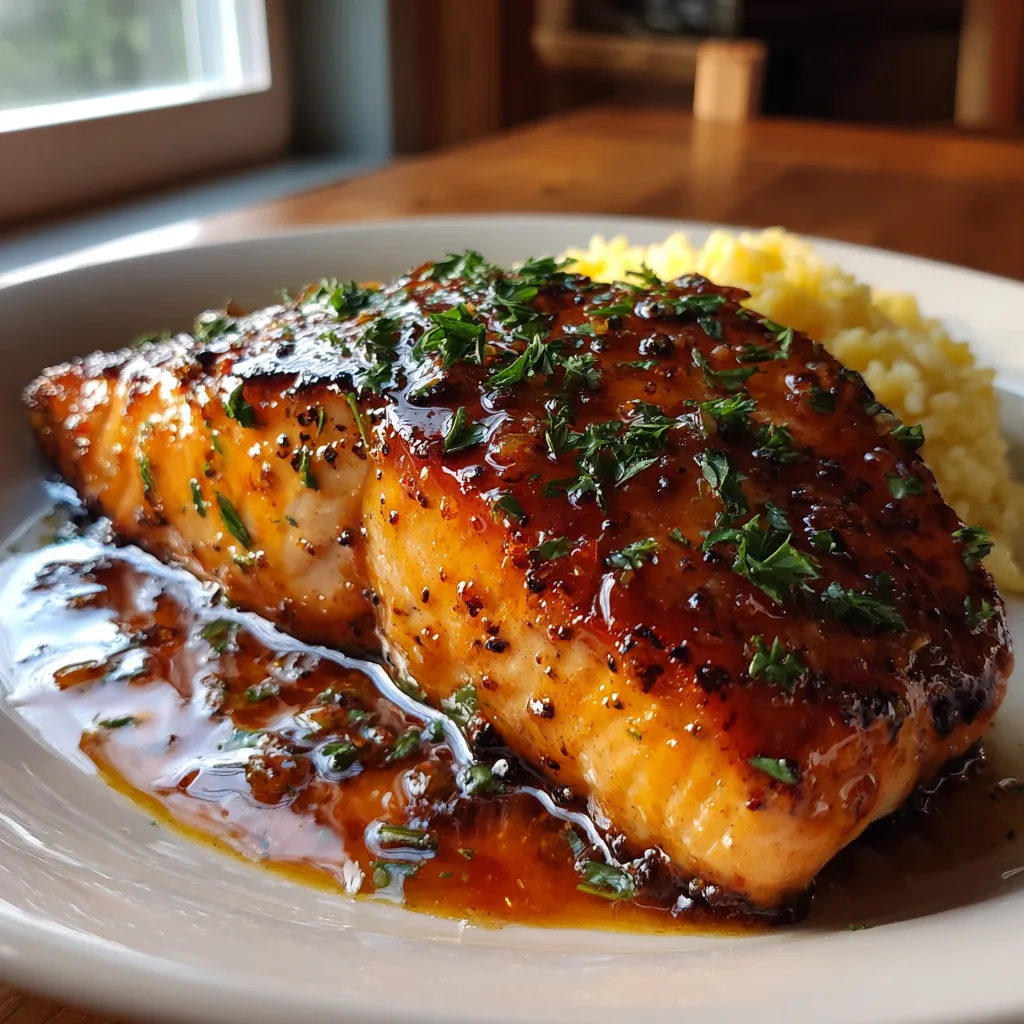
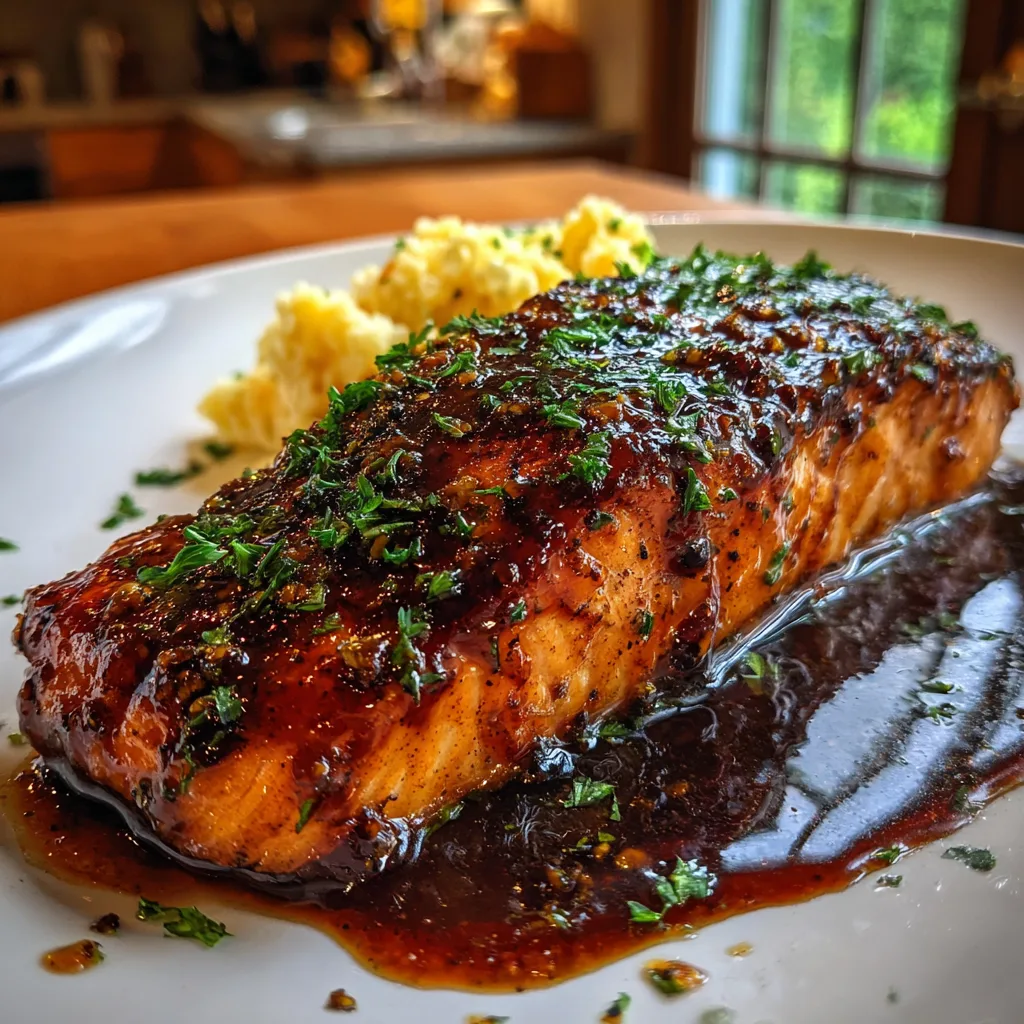
There is something undeniably special about the salmon at Texas Roadhouse. While they are famous for their hand-cut steaks and legendary rolls with cinnamon butter, their grilled salmon has a cult following of its own. It is perfectly flaky, impossibly juicy, and coated in a savory-sweet glaze that keeps you coming back for more. If you have been searching for a way to recreate that magic in your own kitchen, look no further. This Texas Roadhouse Salmon Copycat recipe captures everything you love about the restaurant version—the garlic punch, the buttery richness, and that subtle tang of lemon—all in under 20 minutes.
Making restaurant-quality seafood at home can feel intimidating, but this recipe proves it doesn’t have to be. With just a handful of pantry staples and fresh salmon fillets, you can create a dinner that rivals any steakhouse menu. Whether you are hosting a dinner party or just want to elevate a Tuesday night meal, this dish delivers maximum flavor with minimal effort.
Why This Recipe Works
The secret to the Texas Roadhouse style lies in the “wet” nature of the cooking process. Unlike dry rubs that can sometimes leave fish feeling parched, this recipe utilizes a poaching-searing hybrid technique driven by a generous amount of butter and a carefully balanced liquid seasoning blend.
- The Flavor Balance: The combination of honey and soy sauce creates a classic “umami bomb.” The honey provides the sticky sweetness that helps glaze the fish, while the soy sauce adds salt and depth without making the dish taste Asian-fusion; it simply enhances the savory notes of the salmon.
- Moisture Retention: Salmon is a fatty fish, but it can dry out quickly. By basting it in garlic butter throughout the cooking process, we ensure that the protein fibers stay lubricated and tender.
- Speed: This is a true 30-minute meal. In fact, once your ingredients are prepped, the actual cooking time is often less than 15 minutes.
Ingredients You Will Need
One of the best parts of this recipe is its simplicity. You likely have most of these ingredients in your pantry right now. Here is exactly what you need to replicate that famous flavor:
- Salmon Fillets (4 count, 6 oz each): Look for fillets that are roughly the same thickness so they cook evenly. Skin-on or skin-off works, though skin-on helps hold the fish together during searing.
- Unsalted Butter (1/2 cup): This seems like a lot, and it is. That is the restaurant secret! Using unsalted allows you to control the sodium level, which is crucial since we are also using soy sauce.
- Garlic (4-5 cloves, minced): Fresh is best here. Jarred garlic often lacks the sharp, spicy bite that cuts through the rich butter.
- Honey (2 tbsp): This provides the caramelization. It helps the sauce cling to the fish rather than just sliding off.
- Fresh Lemon Juice (1 tbsp): Acidity is necessary to cut the fat of the salmon and butter. It brightens the whole dish.
- Soy Sauce (1 tsp): The secret ingredient for color and savory depth. It gives the glaze that beautiful amber hue.
- Salt & Black Pepper: To taste. Be generous with the pepper; it adds a nice crust.
- Fresh Parsley (2 tbsp, chopped): For a pop of color and freshness at the very end.
Step-by-Step Instructions
Follow these steps to achieve that glossy, tender finish.
1. Prep the Salmon
Remove your salmon fillets from the refrigerator about 15 minutes before cooking. Pat them completely dry with paper towels. This is crucial—if the fish is wet, it will steam instead of sear. Season both sides generously with salt and black pepper.
2. Create the Garlic Butter Base
In a small saucepan or microwave-safe bowl, melt the 1/2 cup of unsalted butter. Whisk in the minced garlic, honey, lemon juice, and soy sauce. Stir until the honey is completely dissolved and the mixture is uniform.
3. The Sear
Heat a large skillet (cast iron is preferred for that steakhouse crust) over medium-high heat. You can add a small splash of oil to the pan to prevent sticking. Once the pan is hot, place the salmon fillets flesh-side down (if skinless) or skin-side down first if you want crispy skin. Sear for about 3-4 minutes until a golden crust forms.
4. The Glaze
Flip the salmon carefully. Immediately pour your prepared garlic butter sauce over the fillets. As the sauce hits the hot pan, it will bubble and thicken.
5. Baste and Finish
Reduce the heat to medium. Tilt the pan slightly and use a spoon to continuously baste the salmon with the hot butter sauce. Spoon the liquid over the top of the fish repeatedly for another 3-4 minutes, or until the salmon is cooked through and flakes easily with a fork. The internal temperature should reach 145°F (63°C).
6. Garnish and Serve
Remove the salmon from the pan and plate it. Don’t leave that liquid gold behind! Pour the remaining thickened sauce from the pan over the fillets. Top with fresh chopped parsley and serve immediately.
Choosing the Right Salmon
The quality of your dish depends heavily on the quality of your fish. Here is a quick guide to buying salmon for this recipe:
Farm-Raised (Atlantic): This is what most restaurants, including Texas Roadhouse, typically use. It has a higher fat content, mild flavor, and creates that buttery texture everyone loves. It is very forgiving to cook.
Wild-Caught (Sockeye or King): This has a much stronger salmon flavor and a leaner texture. If you use Sockeye, reduce the cooking time slightly as it has less fat and dries out faster. King salmon is the gold standard but comes with a high price tag.
Chef’s Tips for Success
- Don’t Overcrowd the Pan: If your skillet is too small, the temperature will drop, and the fish will boil in its own juices rather than searing. Cook in two batches if necessary.
- The Garlic Factor: If you are worried about burning the garlic, you can sauté the garlic in the butter separately for a minute before adding the liquid ingredients, then pour it over the fish after the flip.
- Room Temperature Fish: Cold fish hitting a hot pan causes the muscle fibers to seize up, squeezing out moisture. Letting it sit out for 15 minutes ensures a tender bite.
- Check for Bones: even “boneless” fillets can have pin bones. Run your finger down the center of the fillet; if you feel a prick, use tweezers to pull the bone out in the direction of the grain.
Serving Suggestions
To get the full “Roadhouse” experience, you need the right sides. Here are some classic pairings:
The Classic Roadhouse Sides
- Seasoned Rice: A yellow pilaf with onions and parsley is the traditional accompaniment.
- Steamed Broccoli: The fresh crunch balances the rich butter sauce.
- Baked Potato: Loaded with sour cream, cheddar, and bacon bits.
Low Carb Options
- Roasted Asparagus: Roast it in the oven while you cook the salmon on the stove.
- Cauliflower Mash: a perfect vehicle for the extra garlic butter sauce.
Storage and Reheating
Storage: Leftover salmon can be stored in an airtight container in the refrigerator for up to 3 days.
Reheating: Avoid the microwave if possible, as it tends to make fish rubbery and smell up the kitchen. Instead, place the salmon on a baking sheet, cover it loosely with foil (add a splash of water or butter to keep it moist), and reheat in a 275°F oven for about 15 minutes. This low-and-slow method preserves the texture.
Frequently Asked Questions
Can I grill this instead of pan-searing?
Absolutely. To grill, brush the salmon with a little oil and place it on the grill grates. Baste with the butter sauce during the last 2 minutes of cooking. Be careful, as dripping butter causes flare-ups.
Can I use frozen salmon?
Yes, but thaw it completely first. Thawing it in the refrigerator overnight is best. If you are in a rush, seal it in a plastic bag and submerge it in cold water for 30 minutes. Never cook salmon from frozen for this recipe, as the glaze will burn before the inside is cooked.
Is this recipe gluten-free?
Almost! Soy sauce typically contains wheat. To make this 100% gluten-free, simply swap the soy sauce for Tamari or coconut aminos.
Conclusion
This Texas Roadhouse Salmon copycat is more than just a recipe; it is a technique that transforms humble ingredients into a luxurious meal. The combination of savory soy, sweet honey, and rich butter creates a glaze that you will want to put on everything—shrimp, chicken, or even vegetables. It is quick enough for a busy weeknight but elegant enough for a special occasion. Give it a try tonight, and bring the steakhouse experience right to your dining room table.
Texas Roadhouse Salmon Copycat
Ingredients
Equipment
Method
- Remove salmon from refrigerator and let stand at room temperature for 10-15 minutes. Pat dry with paper towels.
- Generously season both sides of the salmon fillets with salt and black pepper.
- In a small bowl, whisk together melted butter, minced garlic, honey, lemon juice, and soy sauce until well combined.
- Heat a large skillet over medium-high heat. Add the salmon fillets (skin-side down if using skin-on) and sear for 3-4 minutes until golden.
- Flip the salmon and immediately pour the garlic butter mixture over the fillets.
- Reduce heat to medium. Cook for another 3-4 minutes while continuously spooning the sauce over the fish (basting) until cooked through and flaky.
- Remove from heat, drizzle with remaining pan sauce, and garnish with fresh chopped parsley before serving.