The Ultimate Gourmet Lemon Garlic Sardine Pasta
The Ultimate Gourmet Lemon Garlic Sardine Pasta: A Pantry Miracle
There is a quiet revolution happening in kitchen cupboards everywhere. The humble can of sardines—once relegated to emergency rations or old-school snacks—has undergone a massive glow-up. We are living in the golden age of “tinned fish,” where high-quality seafood preserved in oil is finally getting the gourmet respect it deserves. If you have been staring at that tin of sardines in your pantry wondering how to turn it into a meal that feels luxurious rather than basic, you have arrived at the right place.
This Gourmet Lemon Garlic Sardine Pasta is the answer. It is a dish that defies its humble ingredients, delivering a flavor profile that is sophisticated, bright, and deeply savory. It channels the sunny vibes of the Amalfi Coast or a rustic Sicilian kitchen, all while taking less than 25 minutes to throw together. The secret lies in using the oil from the can to create a “liquid glass” emulsion that coats every strand of pasta, ensuring that the rich umami of the fish is balanced perfectly by the acidity of fresh lemon and the heat of chili flakes.
In this comprehensive guide, we will walk you through exactly how to transform a simple tin of fish into a dinner party-worthy main course. We will cover the science of the sauce, the importance of texture, and why this might just become your new favorite weeknight ritual.
Why You Should Be Eating More Sardines
Before we dive into the cooking, let’s talk about why sardines are a nutritional powerhouse. Often called a “superfood of the sea,” these small, oily fish are packed with benefits that make them much more than just a tasty ingredient.
- Omega-3 Fatty Acids: Sardines are one of the best natural sources of Omega-3s, which are essential for heart health and brain function.
- High Protein: A single can provides a substantial amount of protein, making it an excellent post-workout meal or a filling dinner.
- Calcium and Vitamin D: Because you eat the whole fish (including the tiny, soft bones), sardines are incredibly rich in calcium and Vitamin D, supporting bone health.
- Sustainability: Sardines are low on the food chain, meaning they reproduce quickly and are generally more sustainable than larger predatory fish like tuna or swordfish.
The Secret to the Sauce: Emulsification
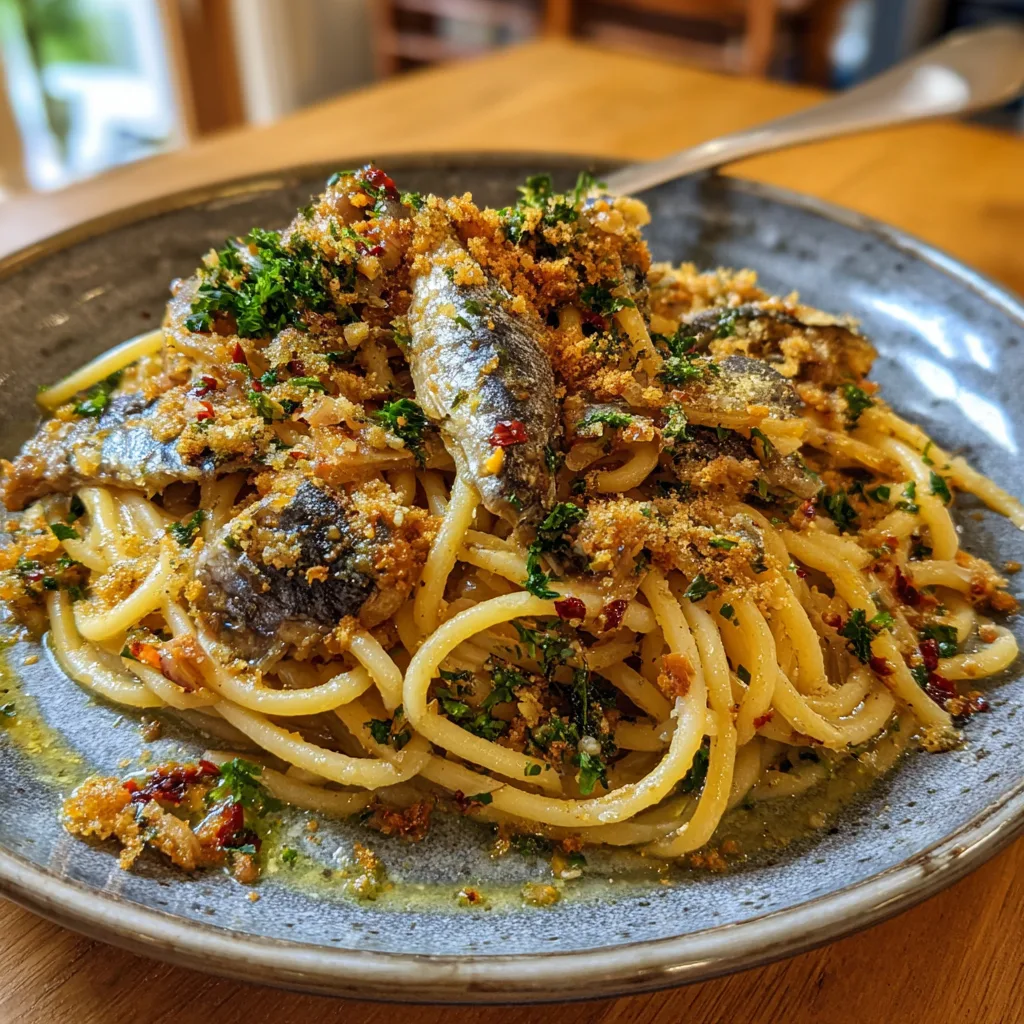
The magic of this recipe isn’t just the ingredients; it is the technique. We are creating an aglio e olio (garlic and oil) style base, but with a twist. By utilizing the starchy pasta water and whisking it vigorously with the sardine oil and olive oil, we create a glossy, thickened sauce that clings to the pasta rather than pooling at the bottom of the bowl.
This “wet and glistening” look isn’t just for aesthetics; it means the flavor is evenly distributed. The lemon juice added at the end cuts through the richness of the oil, ensuring the dish feels light despite being incredibly satisfying.
Ingredients
To make this dish truly gourmet, quality matters. Since there are so few ingredients, try to use the best versions you can find.
- Canned Sardines: Use sardines packed in olive oil, not water. The oil carries the flavor. Boneless and skinless are fine if you are squeamish, but whole sardines offer the best flavor and texture.
- Pasta: Long noodles work best here. Linguine, spaghetti, or bucatini are ideal for catching the oily sauce.
- Garlic: Fresh is non-negotiable. You want thin slices that will turn golden and sweet in the pan.
- Lemon: You will need both the zest and the juice. The zest adds perfume, while the juice adds acid.
- Red Pepper Flakes: A little heat wakes up the palate and cuts the fishiness.
- Fresh Parsley: Flat-leaf parsley adds a grassy freshness that is essential for balance.
- Breadcrumbs (Pangrattato): This is the texture element. Toasted breadcrumbs mimic the texture of grated cheese (which isn’t traditionally used with seafood in Italy) and add a delightful crunch.
- Extra Virgin Olive Oil: You will use some to supplement the oil from the can.
Step-by-Step Instructions
Follow these steps to achieve that perfect, glossy finish.
1. Prepare the “Pangrattato” (Crispy Breadcrumbs)
Heat a small frying pan over medium heat with a tablespoon of olive oil. Add 1/2 cup of breadcrumbs (panko or homemade). Stir constantly until they turn a deep golden brown. Season with a pinch of salt and set them aside. Do not leave them in the hot pan off the heat, or they might burn.
2. Boil the Water
Bring a large pot of salted water to a rolling boil. Add your pasta and cook until it is al dente (usually 1-2 minutes less than the package instructions). Crucial Step: Before draining, reserve at least 1 cup of the starchy pasta water. You will need this for the sauce.
3. Build the Flavor Base
While the pasta cooks, heat a large skillet over medium heat. Open your tin of sardines. Pour the oil from the tin into the skillet and add another splash of olive oil if needed to coat the bottom. Add the sliced garlic and red pepper flakes. Sauté gently—do not burn the garlic! You want it to soften and become aromatic.
4. Add the Sardines
Add the sardines to the pan with the garlic. Break them up slightly with a wooden spoon, but leave some chunks large for texture. Let them fry for about a minute to heat through and meld with the garlic oil.
5. The Magic Emulsion
Add the drained pasta directly into the skillet with the sardines. Immediately pour in about 1/2 cup of the reserved pasta water. Increase the heat to medium-high. Toss and stir vigorously. The starch in the water will mix with the oil to create a creamy, glossy sauce that coats the noodles.
6. Brighten and Serve
Turn off the heat. Stir in the lemon zest, half the lemon juice, and the chopped parsley. Taste and add more salt or lemon juice if needed. Divide onto plates and top generously with the crispy breadcrumbs you made earlier. Serve immediately while it is hot and glistening.
Expert Tips for Success
Don’t Fear the Fishiness: If you are worried about the “fishy” taste, rest assured that the lemon and garlic neutralize the stronger notes, leaving behind a savory, meaty flavor that is closer to tuna but richer.
The Pasta Water is Liquid Gold: If you forget to save the pasta water, the dish will be oily and dry at the same time. The water is the bridge that binds the oil to the noodle.
Texture Contrast: Do not skip the breadcrumbs! In Sicily, toasted breadcrumbs are often called “poor man’s parmesan,” and they provide a necessary crunch against the soft pasta and tender fish.
Variations to Try
- The “Verde” Version: Add a handful of capers and chopped green olives for a briny, salty punch.
- The Tomato Twist: Add a tablespoon of tomato paste to the garlic oil, or throw in some halved cherry tomatoes for a sweeter, red sauce version.
- Spicy Kick: If you love heat, mince a fresh Calabrian chili into the oil instead of dried flakes.
- Gluten-Free: This recipe works perfectly with high-quality gluten-free pasta (like brown rice or corn pasta). Just be mindful that GF pasta releases more starch, so the sauce thickens faster.
Storing and Reheating
Seafood pasta is famously best eaten fresh. However, if you have leftovers, store them in an airtight container in the fridge for up to 2 days.
To Reheat: Do not use the microwave if you can avoid it, as it can make the fish smell strong. Instead, reheat gently in a skillet with a splash of water to bring the glossy sauce back to life.
Conclusion
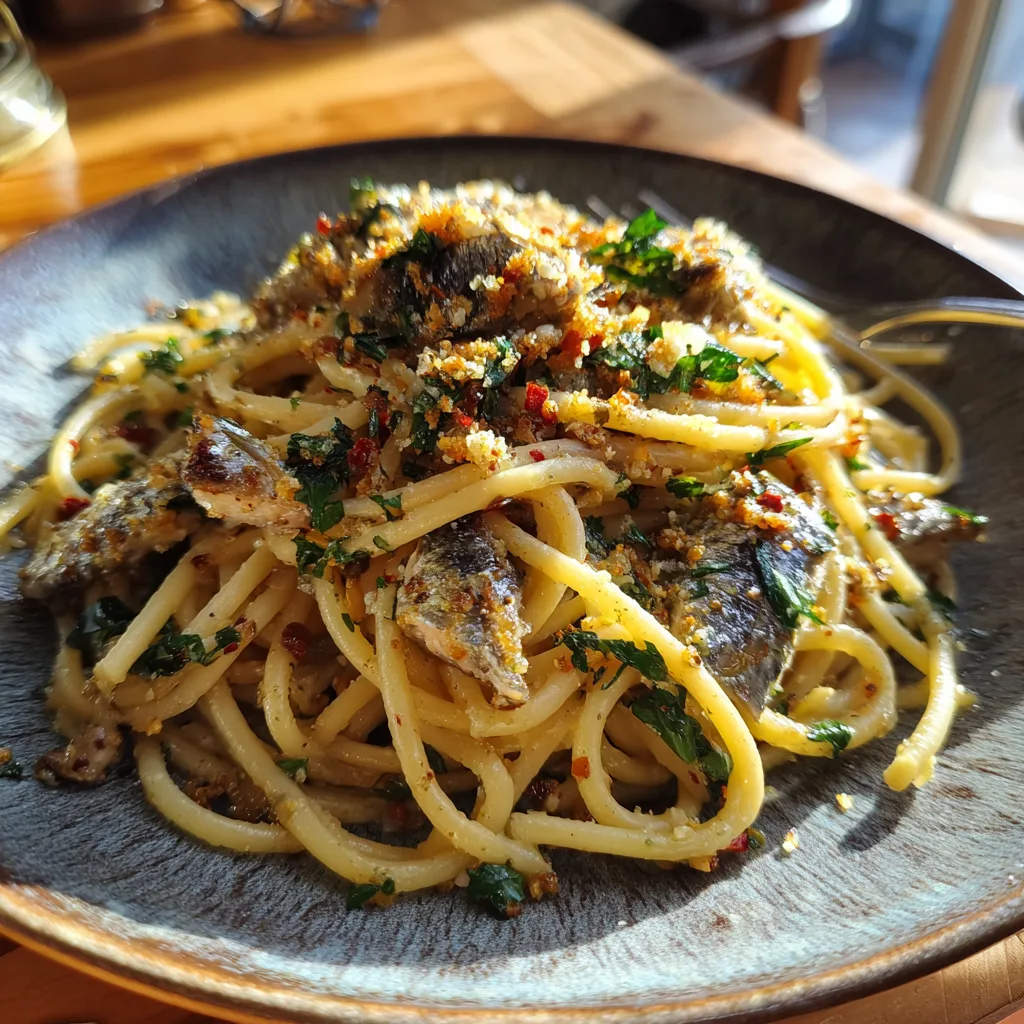
This Gourmet Lemon Garlic Sardine Pasta proves that you don’t need expensive ingredients or hours in the kitchen to create a meal that looks and tastes like it came from a high-end bistro. It celebrates the simplicity of Mediterranean cooking: take a few good ingredients, treat them with respect, and let the flavors speak for themselves. So next time you see that tin of sardines, don’t just see a snack—see the potential for a glistening, savory, unforgettable dinner.
Gourmet Lemon Garlic Sardine Linguine
Ingredients
Equipment
Method
- Bring a large pot of salted water to a boil. Add pasta and cook until al dente. Reserve 1 cup of pasta water before draining.
- While water boils, heat 1 tbsp olive oil in a skillet over medium heat. Add breadcrumbs and toast until golden brown. Remove from pan and set aside.
- In the same skillet, pour in the oil from the sardine can plus 2 tbsp olive oil. Add sliced garlic and red pepper flakes. Sauté gently for 2 minutes until garlic is soft but not brown.
- Add the sardines to the skillet, breaking them up slightly with a spoon but leaving some chunks. Fry for 1 minute.
- Add the drained pasta directly to the skillet. Pour in 1/2 cup of reserved pasta water. Increase heat to medium-high and toss vigorously to emulsify the sauce.
- Remove from heat. Stir in lemon zest, lemon juice, and chopped parsley. If pasta seems dry, add a splash more pasta water.
- Plate immediately and top generously with the toasted breadcrumbs.