Pepperoni Pizza Rolls
The Ultimate Homemade Pepperoni Pizza Rolls: Your New Favorite Party Appetizer
When it comes to universally beloved comfort foods, pizza reigns supreme. But what happens when you take all the familiar, comforting flavors of a classic pepperoni pizza and roll them up into a convenient, bite-sized, incredibly snackable format? You get the magical creation known as the homemade pepperoni pizza roll. These golden, cheesy, flavor-packed pinwheels are the ultimate solution to weekend snack cravings, game-day appetizer spreads, and desperate after-school hunger pangs.
Forget the frozen, mass-produced pizza bites from the grocery store aisle. While those certainly hold a nostalgic place in our hearts, they simply cannot compete with the fresh, vibrant taste of a pizza roll made from scratch in your own kitchen. By taking control of the ingredients, you guarantee a perfect ratio of soft, chewy dough to rich, tangy sauce, gooey melted mozzarella, and spicy, crispy pepperoni. In this comprehensive guide, we will walk you through the art of crafting the perfect pizza pinwheel, share expert tips for getting perfectly clean slices, and explore the endless flavor variations that will keep this recipe in your permanent rotation.
Why You Need to Make These Pizza Rolls Immediately
There is a reason these bite-sized wonders disappear within minutes whenever they are set on a table. The appeal of the pizza roll extends far beyond its delicious taste. Here are a few reasons why this recipe is destined to become a staple in your household.
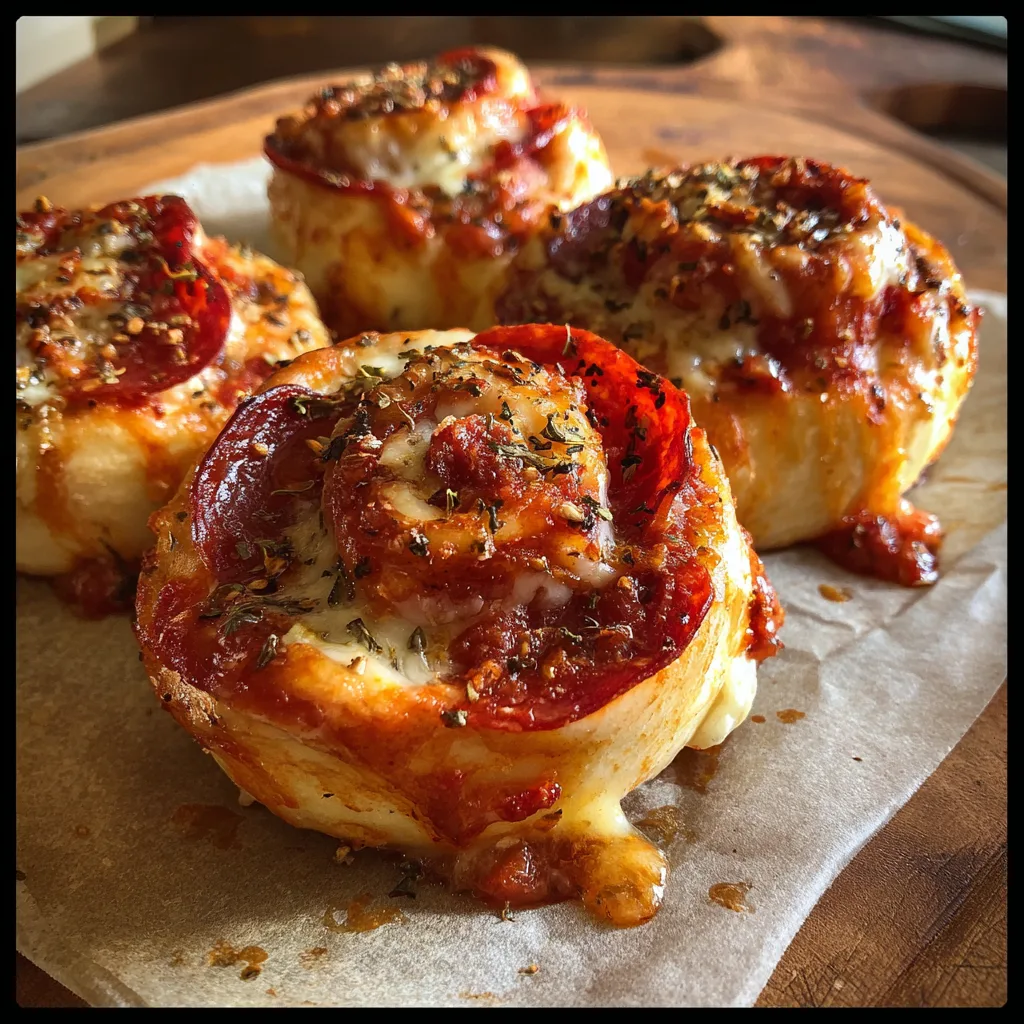
Unbeatable Convenience and Portability: A traditional slice of pizza requires two hands, a plate, and a napkin to manage the inevitable grease drip. Pizza rolls, on the other hand, are the ultimate finger food. They encapsulate all the messy, saucy goodness of a pizza inside a neat, self-contained spiral of dough. This makes them the perfect appetizer for mingling at parties, a mess-free lunchbox addition for kids, or a quick grab-and-go snack.
Complete Customizability: One of the greatest challenges of ordering a pizza for a crowd is agreeing on the toppings. With homemade pizza rolls, you can easily customize the filling to please everyone. You can make half the batch with classic pepperoni and the other half with just cheese, or go wild with gourmet combinations. The dough is your blank canvas.
Budget-Friendly Entertaining: Feeding a crowd can quickly become expensive, especially if you are ordering high-quality delivery pizza. Making these rolls at home requires only a handful of incredibly affordable ingredients—flour, yeast, cheese, sauce, and pepperoni. You can yield a massive platter of appetizers for a fraction of the cost of ordering out, making it an incredibly economical choice for hosting.
The Anatomy of the Perfect Pizza Pinwheel
To achieve pizza roll perfection, you need to understand the four fundamental components of the dish. Each layer plays a crucial role in the final texture and flavor profile.
1. The Dough: The Foundation
The dough is what holds the entire operation together. You have two main options here: homemade or store-bought. If you have the time, a homemade pizza dough yields the absolute best flavor and a wonderfully chewy texture. However, if you are short on time, a tube of refrigerated pizza crust or a ball of pre-made dough from your local grocery store bakery section works wonderfully. The key is rolling it out to a uniform rectangle, about a quarter-inch thick. If it is too thick, the rolls will be doughy and undercooked in the center; if it is too thin, it won’t be able to support the heavy fillings.
2. The Sauce: Keep it Light
When it comes tosaucing a pizza roll, less is unequivocally more. It is incredibly tempting to slather a thick layer of marinara across the dough, but this is a rookie mistake. Too much sauce will turn the dough into a soggy, slippery mess, making the log impossible to roll tightly and causing the filling to burst out during slicing and baking. You want just enough sauce to impart a tangy tomato flavor—think of it as a thin paint job rather than a thick blanket. Alternatively, you can skip the sauce inside altogether and serve it warm on the side as a dipping sauce!
3. The Cheese: The Glue That Binds
Mozzarella is the undisputed king of pizza cheeses, prized for its mild, milky flavor and unparalleled stretching capabilities. For the best results, use low-moisture, whole-milk mozzarella. Fresh mozzarella contains too much water and will make your rolls soggy. For the most glorious, gooey melt, buy a block of cheese and grate it yourself. Pre-shredded bagged cheeses are coated in anti-caking agents (like cellulose) that prevent them from melting into that perfectly glossy, cohesive pool of goodness.
4. The Pepperoni: Slicing for Success
Standard-sized pepperoni slices are delicious, but they can be a bit cumbersome when you are trying to roll the dough into a tight cylinder. When you cut through the log, large pepperonis can drag and pull the dough out of place. The solution? Either buy mini pepperonis (which distribute beautifully throughout the roll) or take your standard pepperonis and give them a rough chop before scattering them over the cheese. This ensures you get a spicy, meaty bite in every single morsel without compromising the structural integrity of the pinwheel.
Ingredients for Homemade Pepperoni Pizza Rolls
- – 1 pound pizza dough (store-bought or homemade), at room temperature
- – 1/3 cup pizza sauce or marinara (plus extra for dipping)
- – 1 1/2 cups low-moisture mozzarella cheese, freshly grated
- – 1/4 cup Parmesan cheese, grated
- – 1 cup pepperoni slices (mini pepperonis or chopped standard slices)
- – 1 teaspoon dried Italian seasoning (oregano, basil, thyme blend)
- – 1/2 teaspoon garlic powder
- – 2 tablespoons unsalted butter, melted (for brushing the tops)
- – A pinch of flaky sea salt
Step-by-Step Instructions
- Preheat and Prep: Preheat your oven to 400°F (200°C). Line a large baking sheet with parchment paper. This is crucial, as the cheese will bubble out, and parchment prevents it from sticking to the pan.
- Roll Out the Dough: On a lightly floured surface, roll out your room-temperature pizza dough into a large rectangle, roughly 10 by 14 inches. If the dough keeps shrinking back, let it rest for 5 minutes to relax the gluten, then try again.
- Apply the Sauce: Spoon the pizza sauce onto the dough and use the back of the spoon to spread it into a very thin, even layer. Leave a bare 1-inch border around all the edges to ensure the dough seals properly when rolled.
- Layer the Toppings: Sprinkle the freshly grated mozzarella and Parmesan cheeses evenly over the sauce. Distribute the chopped pepperoni pieces over the cheese. Sprinkle the Italian seasoning and garlic powder evenly across the entire surface.
- Roll it Up: Starting from one of the long sides of the rectangle, carefully and tightly roll the dough up into a long log, just like you would when making cinnamon rolls. Pinch the final seam tightly to seal the log. Place the log seam-side down on your cutting board.
- The Chill (Crucial Step): For the cleanest cuts, transfer the entire log to the refrigerator for 15 to 20 minutes, or the freezer for 10 minutes. Chilling firms up the dough and hardens the butterfat in the cheese, making it much easier to slice without squishing the spiral.
- Slice the Pinwheels: Remove the chilled log from the fridge. Using a serrated knife (like a bread knife) and a gentle sawing motion, cut the log into 1-inch thick slices. You should get about 12 to 14 rolls. (Pro-tip: You can also use unflavored dental floss! Slide the floss under the log, cross the ends over the top, and pull to slice cleanly through the dough without compressing it.)
- Arrange and Butter: Place the slices cut-side up on the prepared baking sheet, leaving about an inch of space between each roll. Brush the tops and sides of the exposed dough with the melted butter.
- Bake to Perfection: Bake in the preheated oven for 12 to 15 minutes, or until the dough is puffed and golden brown, and the cheese is bubbly and starting to caramelize at the edges.
- Cool and Serve: Remove from the oven and let them cool on the baking sheet for 5 minutes (the cheese will be molten lava!). Serve warm with an extra side of warmed pizza sauce or ranch dressing for dipping.
Pro Tips for the Best Pizza Rolls Every Time
The Floss Cutting Method: As mentioned in the instructions, a knife, no matter how sharp, pushes down on the dough as it cuts, often resulting in flattened, oval-shaped rolls. The dental floss method works by applying pressure from 360 degrees around the log, cutting through the dough and toppings perfectly evenly. Just ensure the floss is unflavored—minty pizza rolls are not a happy surprise!
Don’t Overstuff: The greedier you get with the cheese and meat, the harder the log will be to roll, and the more likely your pinwheels will explode in the oven. Exercise restraint. A moderate amount of filling ensures a perfect, recognizable spiral shape.
Room Temperature Dough is Key: If you are using store-bought dough that has been in the fridge, you must let it sit on the counter for at least 30 minutes before trying to roll it out. Cold gluten is tense and rubbery; warm gluten is stretchy and cooperative.
How to Freeze and Reheat Pizza Rolls
These pizza rolls are the ultimate make-ahead meal prep item. They freeze beautifully and reheat in minutes.
To Freeze Unbaked: Follow the instructions right up until slicing the rolls. Place the unbaked slices on a baking sheet and freeze them solid (about 2 hours). Once frozen, transfer them to a freezer-safe zip-top bag. When you are ready to eat, you can bake them directly from frozen—just add 3 to 5 extra minutes to the baking time.
To Freeze Baked: Let the fully baked pizza rolls cool completely to room temperature. Freeze them in a single layer, then transfer to a bag. To reheat, pop them in an air fryer at 350°F for 3-5 minutes, or in a standard oven for 10 minutes until warmed through and the crust is crispy again. Avoid the microwave if possible, as it will make the dough chewy and rubbery.
Creative Flavor Variations
Once you understand the basic rolling technique, you can transform these pinwheels into any flavor profile you desire. Here are a few exciting variations to try:
The BBQ Chicken Roll: Swap the pizza sauce for your favorite sweet and smoky BBQ sauce. Use shredded rotisserie chicken, diced red onions, and a mix of mozzarella and sharp cheddar cheese.
The Pesto and Spinach Roll: For a lighter, herbaceous twist, use a bright green basil pesto as your base sauce. Layer with fresh baby spinach leaves, chopped artichoke hearts, and crumbled feta cheese alongside the mozzarella.
The Meat Lover’s Dream: Go all out by combining chopped pepperoni, cooked and crumbled Italian sausage, and finely diced crispy bacon. Just be sure to drain the grease from the cooked meats thoroughly before adding them to the dough.
The Jalapeño Popper Roll: Spread a thin layer of softened cream cheese over the dough instead of pizza sauce. Top with diced pickled jalapeños, crumbled bacon, and sharp cheddar cheese.
Fun Facts and Cultural Context: The Evolution of the Pizza Snack
The concept of rolling pizza ingredients into dough is not a modern internet invention; it has deep roots in Italian-American cuisine, most notably in the form of the Stromboli. Invented in the 1950s in Philadelphia, the Stromboli is essentially a rolled-up pizza (unlike a calzone, which is folded in half like a taco). Our modern pizza rolls are essentially bite-sized, sliced versions of a classic Stromboli.
However, when most Americans hear “pizza rolls,” they immediately think of the frozen snacks found in the grocery store. Those bite-sized, deep-fried pockets of joy were actually invented in 1968 by Jeno Paulucci. He originally owned a company that produced frozen egg rolls. Realizing the potential of his egg roll manufacturing machinery, he decided to swap the Asian-inspired filling for pizza sauce and cheese, creating “Jeno’s Pizza Rolls” (which was later sold to Pillsbury and rebranded as Totino’s).
While those frozen pockets are an iconic part of late-night snacking history, the baked pinwheel method detailed in this recipe offers a fresher, less processed, and arguably much more delicious homage to the brilliance of bite-sized pizza.
Conclusion
Homemade pepperoni pizza rolls are the undisputed champions of the appetizer table. They offer all the beloved, savory flavors of a classic pizza, neatly packaged in a golden, crispy, incredibly satisfying bite. By following a few simple guidelines—keeping the sauce light, chopping the toppings, and chilling the dough before slicing—you can easily master this crowd-pleasing recipe.
Whether you are prepping for a Super Bowl party, looking for a creative way to use up leftover pizza dough, or simply craving a comforting weekend snack, these pizza pinwheels deliver every single time. So dust your counter with flour, preheat that oven, and get ready to enjoy the most addictive, savory, cheesy rolls you have ever baked. Just be warned: you might want to double the batch, because these will disappear the moment they leave the oven!
Homemade Pepperoni Pizza Rolls
Ingredients
Equipment
Method
- Preheat oven to 400°F (200°C) and line a baking sheet with parchment paper.
- On a lightly floured surface, roll the pizza dough into a 10×14 inch rectangle.
- Spread a very thin layer of pizza sauce over the dough, leaving a 1-inch border around the edges.
- Sprinkle evenly with mozzarella, Parmesan, chopped pepperoni, Italian seasoning, and garlic powder.
- Starting from a long side, roll the dough tightly into a log. Pinch the seam to seal.
- Chill the log in the refrigerator for 15 minutes to firm up for easier slicing.
- Using a serrated knife or unflavored dental floss, cut the log into 1-inch thick slices.
- Place slices on the prepared baking sheet, brush the tops with melted butter, and bake for 12-15 minutes until golden and bubbly.