
Best Dumpling Sauce
The Ultimate Best Dumpling Sauce Recipe: Elevate Your Potstickers and Gyoza
There is an undeniable truth in the world of Asian cuisine: a dumpling is only as good as the sauce you dip it in. Whether you have spent hours meticulously folding homemade wrappers or you are quickly pan-frying a batch of your favorite frozen potstickers after a long day at work, the right dipping sauce is the crucial element that bridges the gap between a good meal and an unforgettable culinary experience. Today, we are going to dive deep into the ultimate, best dumpling sauce recipe. This concoction hits every single note on your palate—salty, sour, spicy, sweet, and bursting with umami. It is an aromatic, glossy, totally irresistible liquid gold that will have you licking your chopsticks clean.
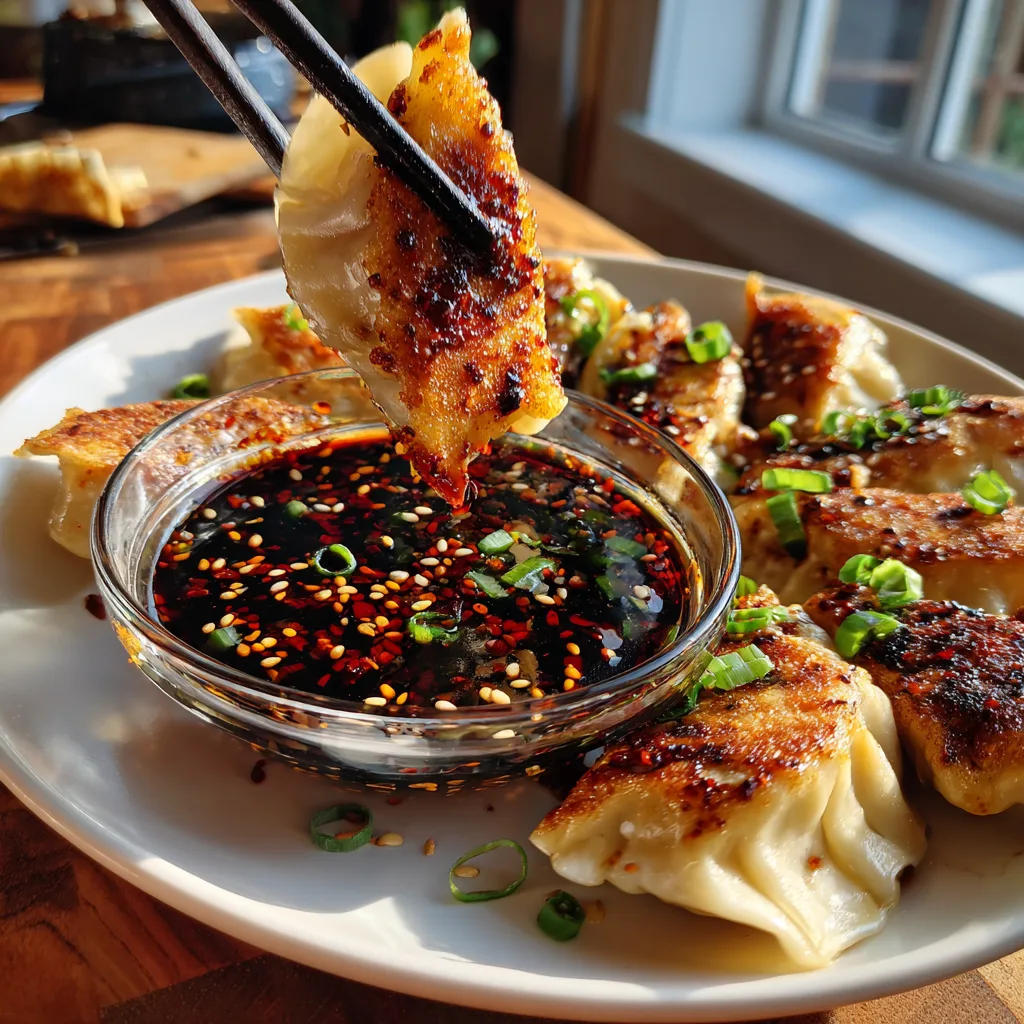
Creating the perfect dipping sauce is an exercise in the delicate art of flavor balancing. In many Asian culinary traditions, a meal is incomplete without a condiment that cuts through the richness of the food while simultaneously enhancing its core ingredients. This specific recipe marries the deep, savory umami of soy sauce with the bright, acidic tang of rice vinegar, the nutty warmth of toasted sesame oil, the fiery kick of chili oil, and the subtle, soothing sweetness of honey. Fresh minced garlic and bright green onions add an indispensable aromatic crunch. Once you make this best dumpling sauce at home, you will never look at store-bought packets the same way again.
The Philosophy of Flavor: Why This Dumpling Sauce Works
To truly appreciate this recipe, it is essential to understand the science and philosophy of its flavor profile. The human tongue detects five basic tastes: sweet, sour, salty, bitter, and umami. The most satisfying dishes in the world find a way to balance these elements harmoniously. This dumpling sauce is a masterclass in this balance.
First, we have the salty umami base provided by the soy sauce. Umami, often described as a savory or meaty flavor, stimulates saliva production and enhances the overall mouthfeel of the food. However, umami and salt alone can be overpowering and flat. That is where the sour element comes into play. The rice vinegar provides a sharp, clean acidity that cuts through the fat of the dumpling filling (especially pork or rich vegetable fillings) and the oil used to pan-fry them. This acidity cleanses the palate, making each bite taste as vibrant as the first.
Next comes the heat and the aromatics. Chili oil does more than just burn; a high-quality chili oil offers a complex, roasted pepper flavor that warms the back of the throat. The sesame oil adds a deeply roasted, nutty aroma that is quintessential to Chinese and Japanese cooking. To prevent the acidic and spicy notes from becoming too aggressive, a small amount of honey is introduced. The sugar in the honey rounds out the sharp edges of the vinegar and chili, binding the flavors together into a cohesive, velvety sauce. Finally, the raw garlic and green onions provide a pungent, fresh bite that wakes up the entire mixture.
A Deep Dive into the Ingredients
While this recipe is incredibly easy to whisk together in under five minutes, the quality of your ingredients will dictate the final outcome. Let us break down the eight essential components of the best dumpling sauce.
– 2 tbsp soy sauce: This is the foundation of your sauce. For the best results, use a high-quality light soy sauce or an all-purpose soy sauce. Dark soy sauce is generally too thick, sweet, and intensely colored for a dipping sauce and is better reserved for braising. If you are watching your sodium intake, low-sodium soy sauce is a perfectly acceptable substitute.
– 1 tbsp rice vinegar: Rice vinegar is milder and sweeter than Western vinegars like white or apple cider vinegar. It provides a gentle, fruity acidity. If you want a more authentic, deeply savory Chinese flavor profile, you can substitute this with Chinkiang vinegar (black rice vinegar), which has a complex, almost balsamic-like depth.
– 1 tsp sesame oil: A little goes a very long way with toasted sesame oil. Ensure your bottle says “toasted” or “roasted,” as plain cold-pressed sesame oil lacks the intense, nutty aroma required for this recipe. Keep your sesame oil in the fridge to prevent it from going rancid.
– 2 tbsps chili oil: This brings the fire and the beautiful, glossy red hue to your dipping bowl. You can use store-bought chili crisp (like the famous Lao Gan Ma brand) which includes crispy bits of garlic and shallot, or a pure chili oil. The amount can easily be adjusted based on your personal heat tolerance.
– 1 tsp honey: Honey dissolves wonderfully into the liquid ingredients and provides a floral sweetness. You can also use white sugar, brown sugar, or agave nectar, but make sure to whisk vigorously until the sugar granules are completely dissolved.
– 2 cloves garlic minced: Fresh garlic is non-negotiable here. Do not use garlic powder from a jar. The sharp, spicy bite of freshly minced raw garlic infuses the sauce with essential aromatics. If you let the sauce sit for ten minutes before eating, the garlic flavor will bloom beautifully.
– 2 stalks green onion: Also known as scallions, these add a necessary pop of color and a mild, oniony crunch. Use both the white parts (for more intense flavor) and the green parts (for visual appeal).
– 1 tsp sesame seeds: Toasted white or black sesame seeds add a final touch of texture and visual flair, clinging to the dumpling as you lift it from the bowl.
Step-by-Step Instructions for Perfect Dumpling Sauce
- Mince and Prep: Begin by finely mincing your two cloves of garlic. You want the pieces to be as small as possible so that they distribute evenly throughout the sauce without giving anyone an overwhelmingly large chunk of raw garlic. Thinly slice the green onions, separating a small pinch of the dark green tops to use as a final garnish if desired.
- Combine Liquids: In a small, high-sided dipping bowl, pour in the 2 tablespoons of soy sauce and the 1 tablespoon of rice vinegar. Whisk them together lightly.
- Add the Sweetness: Add the 1 teaspoon of honey to the soy and vinegar mixture. Use a small whisk or a fork to stir vigorously until the honey is completely dissolved into the liquids. It is easier to dissolve the honey before adding the oils.
- Incorporate Oils and Heat: Pour in the 1 teaspoon of toasted sesame oil and the 2 tablespoons of chili oil. Watch as the rich red chili oil floats beautifully on top of the darker soy mixture. Stir gently to combine.
- Add Aromatics and Texture: Fold in the minced garlic, the sliced green onions, and the 1 teaspoon of sesame seeds. Stir everything together until the ingredients are well dispersed.
- Let it Rest: While you can absolutely eat this sauce immediately, the absolute best flavor is achieved if you let the bowl sit at room temperature for about 10 to 15 minutes. This resting period allows the sharp raw garlic to mellow slightly and infuse its essential oils into the soy sauce, creating a much more cohesive flavor profile.
- Serve and Enjoy: Serve alongside piping hot dumplings. Dip generously and ensure you scoop up some of the garlic and green onions with every bite!
Customizing Your Dumpling Sauce: Variations and Substitutions
The beauty of this recipe lies in its adaptability. Every palate is different, and this sauce can be easily tweaked to suit your specific cravings or dietary restrictions.
The Gluten-Free Variation: Traditional soy sauce is brewed with wheat. To make this dipping sauce 100% gluten-free, simply swap the soy sauce for an equal amount of Tamari or coconut aminos. Tamari will give you a nearly identical flavor profile, while coconut aminos will be slightly sweeter and less salty, meaning you might want to reduce the honey slightly.
The Mild Variation: If you are cooking for children or individuals who are sensitive to spicy foods, you can drastically reduce the chili oil or omit it entirely. If you omit the chili oil but still want a hint of warmth, add a tiny pinch of white pepper or a few drops of a milder hot sauce.
The Extra Tangy Variation: If you love a sharp, acidic punch that cuts through rich, deep-fried foods, increase the rice vinegar to 1.5 or even 2 tablespoons. You can also add a squeeze of fresh lime juice or lemon juice for a bright, citrusy lift that pairs exceptionally well with seafood dumplings or shrimp har gow.
The Creamy Sesame Variation: For a thicker, more clinging sauce (similar to what is often served with Japanese shabu-shabu or certain dim sum dishes), whisk in one tablespoon of Chinese sesame paste or tahini. This transforms the thin liquid into a rich, creamy dressing that is also fantastic over cold noodles.
What to Serve With This Sauce
While the name implies this is exclusively for dumplings, this magic elixir is incredibly versatile. Its robust flavor profile makes it a fantastic companion to a wide array of dishes.
Naturally, it is the perfect pairing for all forms of dumplings: pan-fried pork potstickers (gyoza), steamed vegetable dumplings, boiled chicken and cabbage dumplings (shui jiao), and delicate wontons. The oil in the sauce clings beautifully to the starchy wrappers, delivering a burst of flavor with every bite.
Beyond dumplings, you can use this sauce as a marinade for chicken thighs or tofu before roasting. It serves as an excellent dressing for a cold cucumber salad or a quick bowl of soba noodles. You can even drizzle it over a bowl of plain steamed jasmine rice topped with a fried egg for an incredibly satisfying, budget-friendly meal. The options are truly limitless when you have a condiment this powerful in your culinary arsenal.
Storage and Make-Ahead Tips
If you find yourself making dumplings often, it is a brilliant idea to double or triple this recipe to keep a batch in the refrigerator. However, because it contains fresh ingredients (garlic and green onions), there are some storage rules to follow.
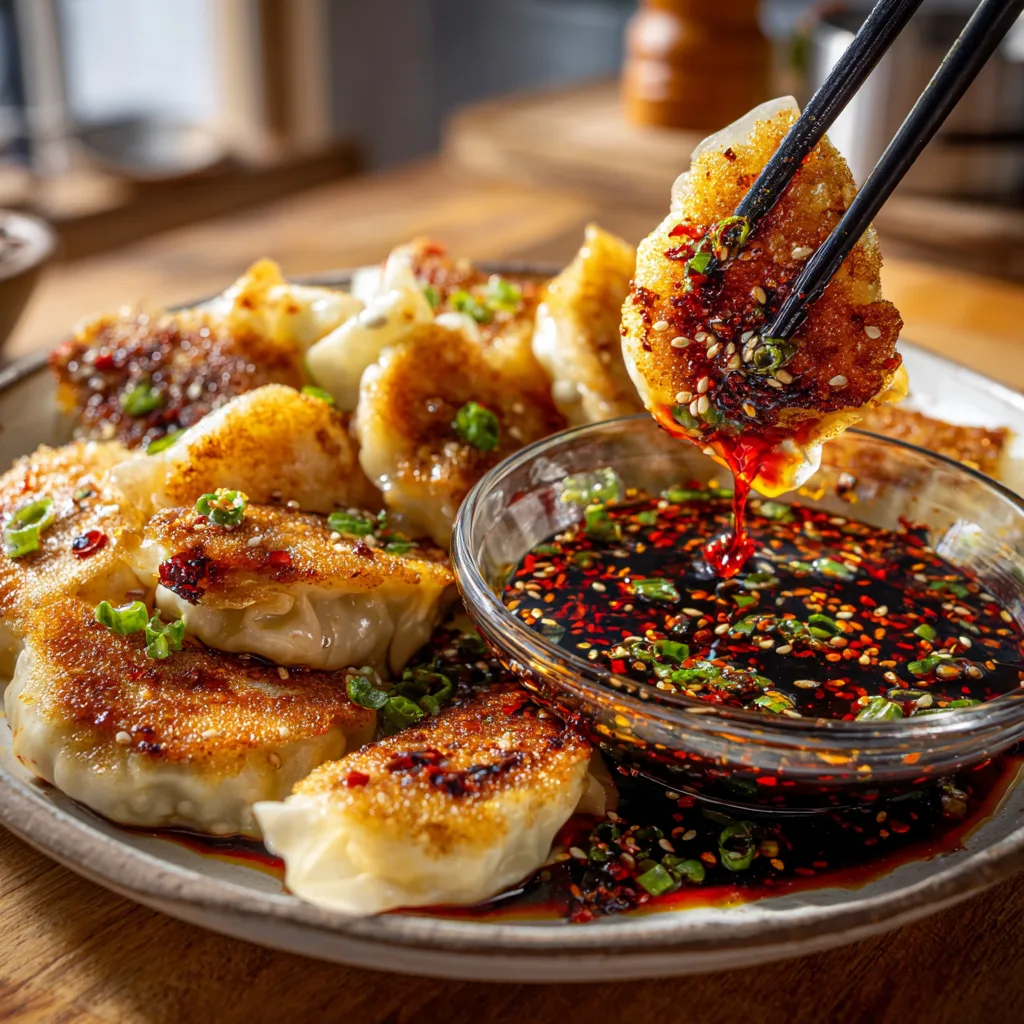
Stored in an airtight container or a mason jar in the refrigerator, the liquid base of this sauce (soy sauce, vinegar, sesame oil, chili oil, honey) will last for weeks. However, the fresh garlic and green onions will begin to lose their crispness and their flavor will become overly pungent and oxidized after about 2 to 3 days.
Therefore, the best make-ahead strategy is to mix all the liquid ingredients and the sesame seeds in a jar and store it in the fridge. Then, right before you are ready to serve, mince fresh garlic and chop fresh green onions to stir into your pre-made liquid base. This guarantees a fresh, vibrant flavor every single time without the hassle of measuring out all the liquids from scratch.
Conclusion
A truly great meal is about the sum of its parts, and when it comes to Asian appetizers, the dipping sauce is never just an afterthought—it is the grand finale. By combining salty, sour, spicy, sweet, and aromatic elements, this ultimate dumpling sauce guarantees that your home-cooked meals will rival the flavors of your favorite local dim sum restaurant. It is incredibly quick to assemble, uses common pantry staples, and offers immense flexibility to suit any taste. Do not let your beautiful dumplings go bare; whisk together a bowl of this incredibly glossy, flavor-packed sauce today and experience the difference it makes!
Best Dumpling Sauce
Ingredients
Equipment
Method
- Finely mince the garlic and thinly slice the green onions.
- In a small dipping bowl, whisk together the soy sauce and rice vinegar.
- Add the honey to the liquid mixture and stir vigorously until the honey is completely dissolved.
- Pour in the toasted sesame oil and chili oil, stirring gently to combine the rich colors.
- Fold in the minced garlic, chopped green onions, and sesame seeds.
- Allow the sauce to sit for 5-10 minutes at room temperature so the garlic flavors can bloom and meld with the liquids.
- Serve immediately alongside your favorite hot dumplings, potstickers, or gyoza.


