Creamy Red Pepper Pasta
The Ultimate Creamy Red Pepper Pasta with Burrata & Herbs
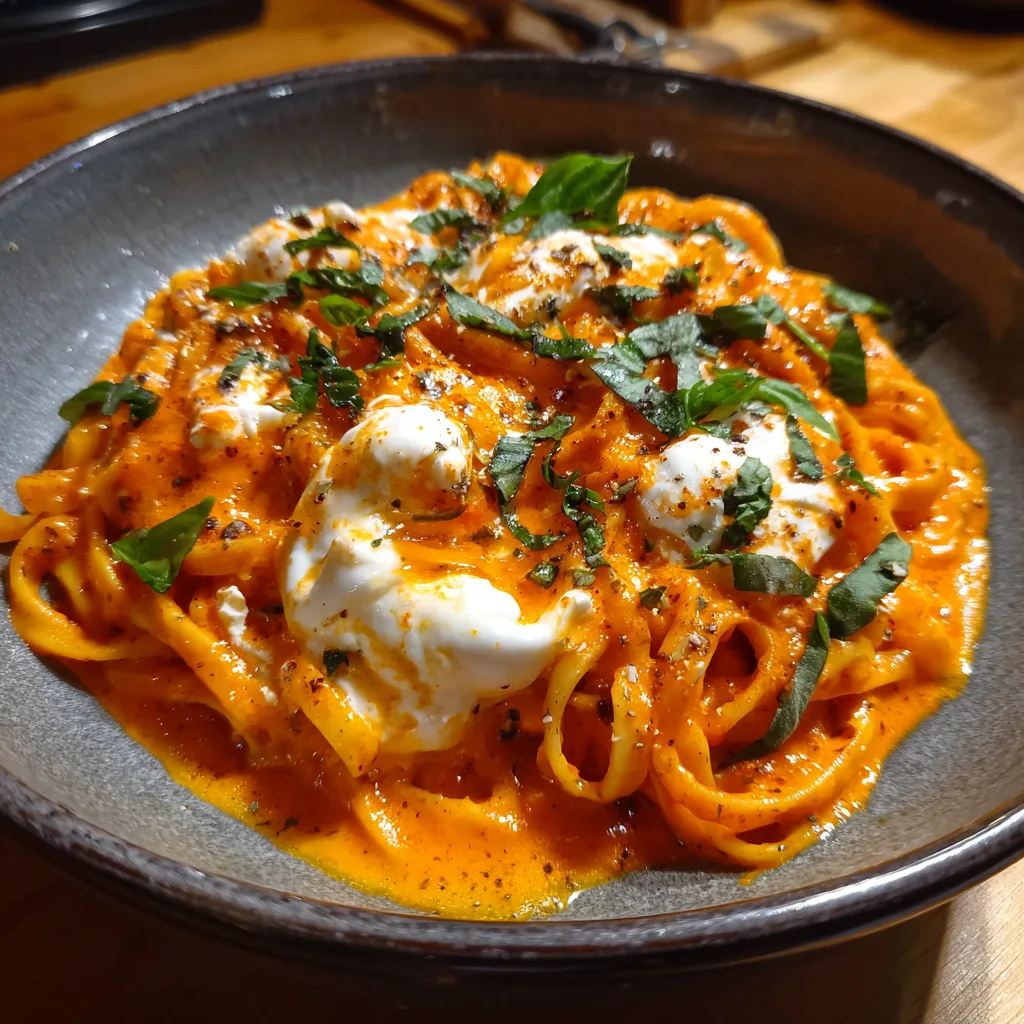
Welcome to your new favorite weeknight dinner obsession. If you are searching for a dish that bridges the gap between quick, accessible home cooking and restaurant-quality luxury, you have found it. This Creamy Red Pepper Pasta with Burrata and Herbs is a masterclass in flavor and texture. The sauce is vibrantly colored, deeply savory, and incredibly silky, while the fresh burrata adds a decadent, milky contrast that will leave your family and dinner guests begging for the recipe. Best of all, it comes together in just about 30 minutes.
In this comprehensive guide, we will dive deep into everything you need to know to master this dish. We will cover the science of emulsifying a perfect pasta sauce, the debate between using fresh versus jarred red peppers, the rich history of burrata cheese, and expert tips to elevate this simple recipe into a culinary masterpiece right in your own kitchen.
The Magic of Roasted Red Peppers
The foundation of this incredible pasta is, without a doubt, the roasted red pepper. Red bell peppers are naturally sweet, but when subjected to high heat—whether over an open flame, under a broiler, or sealed in a high-temperature oven—something magical happens. The high heat blisters the tough outer skin, allowing it to be easily peeled away, while simultaneously caramelizing the natural sugars within the flesh of the pepper.

This caramelization process transforms the pepper’s flavor profile from bright and grassy to deep, smoky, and intensely sweet. When blended into a sauce, roasted red peppers provide a robust, savory backbone that mimics the depth of a slow-cooked tomato sauce, but with a uniquely vibrant and slightly smoky twist. Furthermore, roasted red peppers are packed with vitamins A and C, making this luxurious-tasting sauce surprisingly nutritious.
Fresh vs. Jarred: Which is Better?
One of the most common questions home cooks ask is whether they need to roast their own peppers or if store-bought jarred peppers will suffice. The honest answer is that both work wonderfully, but they serve different purposes depending on your schedule.
Jarred Roasted Red Peppers: These are the ultimate time-saver. High-quality jarred peppers are typically packed in water or a light brine, preserving their soft texture and sweet flavor. If you are making this recipe on a busy Tuesday night, simply draining a jar of roasted red peppers and tossing them into the blender is the way to go. Just be sure to drain them very well so the brine does not make your sauce overly salty or watery.
Freshly Roasted Red Peppers: If you have the time, roasting your own peppers is a rewarding experience that yields a slightly superior, fresher flavor with a more pronounced smoky char. To do this, simply place whole red bell peppers on a foil-lined baking sheet and broil them, turning occasionally, until the skin is completely blackened. Transfer them to a bowl, cover tightly with plastic wrap to let them steam for 10 minutes, and then peel away the charred skins and remove the seeds.
The Star of the Show: Understanding Burrata
If you have never experienced the joy of fresh burrata, prepare to have your culinary life changed. Burrata, which literally translates to “buttered” in Italian, is a fresh cheese hailing from the Puglia region of Italy. At first glance, a ball of burrata looks nearly identical to fresh mozzarella. However, the magic lies within.
Burrata features a solid outer casing made of stretched mozzarella cheese. But when you slice—or playfully tear—into that outer shell, the interior spills out. The inside of a burrata ball is filled with stracciatella (shredded pieces of fresh mozzarella) heavily soaked in rich, sweet cream. The texture is luscious, milky, and unbelievably soft.
In the context of this Creamy Red Pepper Pasta, the burrata acts as a crucial balancing element. The red pepper sauce is deeply savory, slightly sweet, and vibrant. The rich, cool, milky profile of the burrata tempers the robust flavors of the sauce, providing a luxurious temperature and textural contrast. Tearing it over the hot pasta just before serving allows the cream to gently melt into the noodles, creating pockets of extraordinary richness.
Choosing the Perfect Pasta Shape
The shape of your pasta is not just an aesthetic choice; it is an architectural one. Different pasta shapes are designed to hold different types of sauces. For a thick, velvety puree like our creamy red pepper sauce, you need a pasta that can stand up to the weight of the sauce while allowing it to coat every inch perfectly.
Long Strands (Linguine, Fettuccine, Bucatini): These are excellent choices. The wide, flat surface area of linguine or fettuccine allows the thick sauce to cling beautifully to the noodles. Bucatini, with its hollow center, is also fantastic because it acts like a straw, sucking up the flavorful sauce into the middle of the noodle.
Tubular and Textured Shapes (Rigatoni, Penne Rigate, Cavatappi): If you prefer short pasta, look for shapes with ridges (rigate). The ridges grip the creamy sauce, while the hollow tubes capture little pockets of the blended pepper goodness. Cavatappi (corkscrews) are also delightful, as the spiral shape traps the sauce incredibly well.
The Secret to the Perfect Sauce: Emulsification
The difference between an amateur pasta dish and a restaurant-quality meal often comes down to one single, free ingredient: starchy pasta water. Before you drain your cooked pasta, it is an absolute culinary commandment to reserve at least one cup of the cooking water.
As the pasta cooks, it releases starch into the boiling water. This cloudy, starchy liquid is liquid gold. When you add your blended red pepper sauce to a skillet and toss in your cooked pasta, the sauce might seem a bit thick or disjointed. By splashing in a quarter cup of that hot, starchy pasta water and tossing vigorously, you trigger an emulsification.
The starch binds the fats in the sauce (from the olive oil and heavy cream) with the liquids, creating a glossy, homogeneous, deeply clinging sauce that coats the noodles perfectly instead of pooling watery at the bottom of the bowl. This technique is non-negotiable for achieving that ultra-shiny, mouth-watering finish.
Ingredients List
For the Sauce
- – 1 jar (16 oz) roasted red peppers (drained well, or 3 fresh peppers roasted and peeled)
- – 2 tablespoons extra virgin olive oil
- – 1 small yellow onion (roughly chopped)
- – 4 cloves garlic (smashed)
- – 1/2 cup heavy cream (or half-and-half for a lighter version)
- – 1/4 cup grated Parmesan cheese
- – 1 tablespoon tomato paste
- – 1/2 teaspoon smoked paprika
- – 1/4 teaspoon red pepper flakes (optional, for heat)
- – Salt and freshly ground black pepper to taste
For the Pasta and Assembly
- – 1 lb (16 oz) long pasta like linguine, fettuccine, or thick spaghetti
- – 2 fresh burrata cheese balls (8 oz total)
- – 1/4 cup fresh basil leaves (torn)
- – 1 tablespoon fresh oregano or thyme (chopped)
- – Extra virgin olive oil (for drizzling)
- – Flaky sea salt and extra black pepper for garnish
Step-by-Step Instructions
- Boil the Pasta: Bring a large pot of heavily salted water to a rolling boil. Add your chosen pasta and cook according to the package instructions until it reaches perfect al dente (usually about 1 minute less than the stated time). Crucial Step: Before draining the pasta, carefully scoop out and reserve about 1 cup of the starchy pasta water. Drain the pasta and set aside.
- Sauté the Aromatics: While the pasta is boiling, heat 2 tablespoons of extra virgin olive oil in a large skillet or Dutch oven over medium heat. Add the chopped yellow onion and sauté until softened and translucent, about 5 to 7 minutes. Add the smashed garlic cloves, smoked paprika, and red pepper flakes (if using). Cook for another 1-2 minutes until deeply fragrant.
- Toast the Tomato Paste: Push the onions and garlic to the side of the pan and add the tomato paste to the center. Let it cook directly on the heat for about 2 minutes, stirring it slightly, until it darkens in color from bright red to a rusty brick hue. This caramelizes the paste and adds immense depth of flavor.
- Blend the Sauce: Transfer the onion, garlic, and tomato paste mixture from the skillet into a blender or food processor. Add the well-drained roasted red peppers, heavy cream, and grated Parmesan cheese. Blend on high until the mixture is completely smooth, velvety, and vibrant orange-red. Taste for seasoning and add salt and black pepper as needed.
- Combine and Emulsify: Pour the blended sauce back into the large skillet over low heat. Add the cooked pasta directly into the sauce. Pour in about 1/4 cup of the reserved starchy pasta water. Using tongs, vigorously toss the pasta in the sauce for 1 to 2 minutes. The sauce will become glossy and perfectly coat every noodle. If the sauce is too thick, add a splash more pasta water until you reach the desired consistency.
- Plate and Garnish: Divide the hot, saucy pasta into shallow serving bowls. While the pasta is still steaming hot, take a ball of fresh burrata and gently tear it into large pieces using your hands, dividing it among the bowls. The heat of the pasta will immediately begin to melt the creamy interior of the cheese.
- The Final Touch: Scatter the fresh torn basil and chopped oregano over the top. Drizzle a high-quality extra virgin olive oil generously over the burrata and the pasta. Finish with a pinch of flaky sea salt and a few cracks of fresh black pepper. Serve immediately and watch as the creamy burrata swirls into the rich red pepper sauce.
Creative Variations and Add-Ins
This recipe is a brilliant canvas that invites creativity. While the base recipe is completely vegetarian and spectacular on its own, here are a few ways to customize the dish to suit your cravings:
- Add Protein: If you want to bulk up the meal, this sauce pairs beautifully with grilled or pan-seared chicken breast, sliced Italian sausage, or spicy blackened shrimp. Simply cook your protein in the skillet before starting the aromatics, set it aside, and fold it back into the finished pasta.
- Make it Vegan: To make a plant-based version, simply swap the heavy cream for full-fat coconut milk or a cashew-based cream. Replace the Parmesan with nutritional yeast, and swap the burrata for dollops of vegan ricotta or a high-quality vegan mozzarella alternative.
- Sneak in More Veggies: Stir in a few handfuls of fresh baby spinach or arugula right when you are tossing the pasta with the hot sauce. The residual heat will wilt the greens perfectly. Roasted zucchini or cherry tomatoes also make excellent additions.
- Amp up the Heat: If you love spicy food, increase the red pepper flakes, or blend a single chipotle pepper in adobo sauce in with the roasted red peppers. The smoky heat of the chipotle is phenomenal here.
Storing and Reheating Your Leftovers
While this pasta is undeniably best served fresh when the burrata is cool and the sauce is perfectly emulsified, leftovers are still highly enjoyable.
To Store: Store the leftover pasta in an airtight container in the refrigerator for up to 3 days. If possible, store leftover burrata separately, as it can make the pasta too soggy as it sits. If the burrata is already mixed in, that is completely fine; it will just melt fully upon reheating.
To Reheat: The enemy of a cream-based sauce in the microwave is separation. To prevent the sauce from “breaking” and becoming oily, reheat the pasta gently on the stovetop over low heat. Add a splash of milk or a tiny bit of water to loosen the sauce as you stir. If you must use the microwave, heat it in 30-second bursts, stirring vigorously in between, until just warmed through.
Conclusion
There is a unique kind of joy that comes from creating a beautifully plated, sumptuously rich meal in the comfort of your own home, especially when it takes barely more time than ordering takeout. This Creamy Red Pepper Pasta with Burrata and Herbs is a testament to the power of a few high-quality ingredients harmonizing together. The vibrant, smoky sweetness of the peppers, the rich tang of the parmesan cream, and the luxurious, buttery finish of the fresh burrata create a symphony of flavors that feels both comforting and elevated.
So next time you are standing in the grocery store wondering what to make for dinner, grab a jar of red peppers, some fresh herbs, and a ball of beautiful burrata. Pour yourself a glass of crisp white wine, turn on some music, and enjoy the simple, therapeutic process of tossing together this spectacular meal. Bon appétit!
Creamy Red Pepper Pasta with Burrata
Ingredients
Equipment
Method
- Boil pasta in salted water until al dente. Reserve 1 cup of starchy pasta water before draining.
- In a large skillet, heat olive oil over medium. Sauté chopped onion for 5 minutes, then add smashed garlic, paprika, and pepper flakes for 1 minute.
- Add tomato paste to the skillet and cook for 2 minutes until it darkens in color.
- Transfer the skillet mixture to a blender. Add drained roasted red peppers, heavy cream, and parmesan. Blend until completely smooth.
- Pour the blended sauce back into the skillet over low heat. Toss in the cooked pasta and a splash of reserved pasta water until glossy and emulsified.
- Divide into bowls. Tear fresh burrata over the hot pasta, garnish with fresh basil, oregano, a drizzle of olive oil, and black pepper. Serve immediately.