Fruit Palm Tree Snack
Tropical Fruit Palm Tree Snack: The Ultimate Guide to Healthy Edible Art
Finding ways to make healthy eating fun and engaging, especially for children, can sometimes feel like an uphill battle. With a world full of heavily processed snacks in bright, shiny wrappers, natural whole foods often struggle to compete for attention. However, introducing food art into your daily routine is a phenomenal way to bridge the gap between nutrition and excitement. One of the most beloved, visually striking, and universally appealing edible art creations is the Tropical Fruit Palm Tree Snack. This delightful arrangement transforms everyday produce into a miniature, edible island getaway.
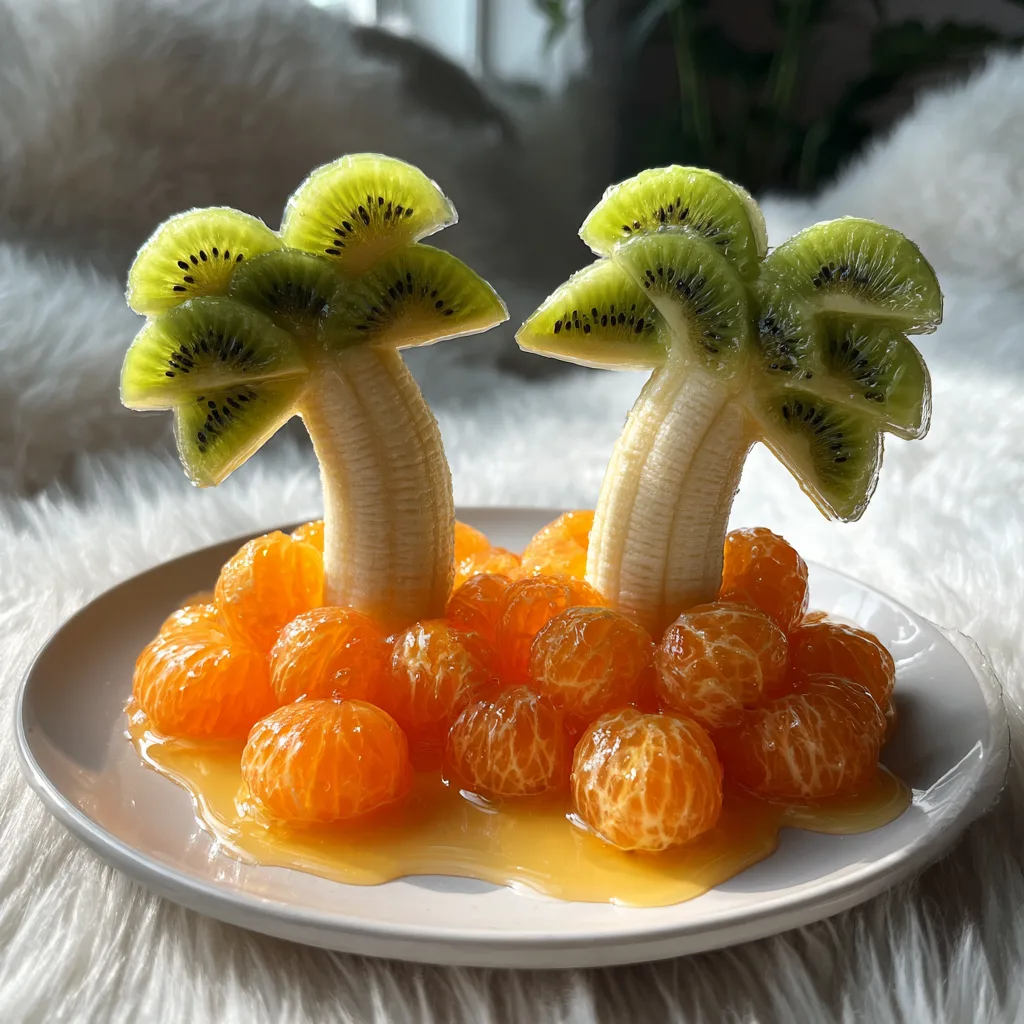
This comprehensive guide will explore everything you need to know about creating this charming fruit plate. We will dive deep into the nutritional benefits of the simple ingredients used, provide detailed instructions for the perfect presentation, and offer a multitude of variations to keep this snack exciting week after week. Whether you are a parent trying to encourage better eating habits, a host looking for a whimsical luau party appetizer, or just someone who appreciates a beautiful breakfast, this fruit palm tree is sure to bring a smile to your face.
The Magic of Edible Food Art
Food art is not just about making things look pretty; it is a psychological tool that can completely alter how we perceive our meals. For young eaters, the visual presentation of food is often the deciding factor in whether they will even attempt to taste it. By arranging a banana, a kiwi, and a mandarin orange into the shape of a palm tree on a tropical beach, you are removing the pressure often associated with “eating your fruits.” Instead, you are inviting them to interact with a story.
This tactile and imaginative approach to eating helps build positive associations with whole, natural ingredients. When a child sees a playful palm tree instead of just chopped fruit, they are more likely to engage with the textures and flavors. Furthermore, creating food art is an exercise in mindfulness. Taking the time to carefully slice and arrange the components allows us to appreciate the natural beauty, vibrant colors, and fresh aromas of the food we consume, fostering a healthier relationship with our diet.
Nutritional Powerhouses: Breaking Down the Ingredients
The beauty of the Fruit Palm Tree Snack lies not only in its aesthetics but also in its incredible simplicity and nutritional density. This entire creation relies on just three whole, unprocessed ingredients. Let us take a closer look at the health benefits each element brings to the plate.
The Trunks: Bananas
Bananas serve as the sturdy, curved trunks of our edible palm trees. Beyond their perfect shape, bananas are a staple in healthy diets worldwide for good reason. They are an outstanding source of potassium, an essential mineral that helps regulate blood pressure, maintain heart health, and support proper muscle function. Bananas are also rich in vitamin B6, which is crucial for brain development and immune system health. The natural sugars in bananas provide a quick, sustainable energy boost, making this snack ideal for active children or as a pre-workout bite for adults. Additionally, the dietary fiber in bananas, particularly pectin, aids in digestion and helps keep you feeling full and satisfied.
The Fronds: Kiwis
The vibrant, emerald green of the kiwi fruit perfectly mimics the lush, tropical fronds of a palm tree. Kiwis are often overlooked superfoods, packing an incredible amount of nutrition into a small package. A single kiwi contains more vitamin C than an orange, providing a massive boost to the immune system, promoting healthy skin through collagen synthesis, and acting as a powerful antioxidant to protect the body from oxidative stress. Kiwis are also an excellent source of vitamin K, which is necessary for bone health and proper blood clotting. The tiny black seeds and the flesh itself are loaded with dietary fiber, supporting a healthy gut microbiome.
The Sandy Beach: Mandarin Oranges
Clustered at the base of the banana trunks, bright mandarin orange segments create the perfect illusion of a warm, sandy beach. Mandarins (or clementines) are naturally sweet, juicy, and incredibly refreshing. Like kiwis, they are bursting with vitamin C, further reinforcing the immune-boosting properties of this snack. They also provide a good dose of vitamin A, which is vital for maintaining healthy vision and proper organ function. The high water content in mandarins helps keep the body hydrated, while their natural sweetness satisfies sugar cravings without the need for added refined sugars.
Ingredients
To create this whimsical tropical scene, you will need the following fresh ingredients. The quantities listed are for a standard single-serving plate featuring two palm trees.
- – 1 large, ripe but firm banana
- – 2 ripe kiwi fruits
- – 1 to 2 mandarin oranges (or clementines)
Instructions
Creating the Fruit Palm Tree is incredibly simple, but paying attention to the details of how you slice and arrange the fruit will make all the difference in the final presentation. Follow these steps for the perfect edible landscape.
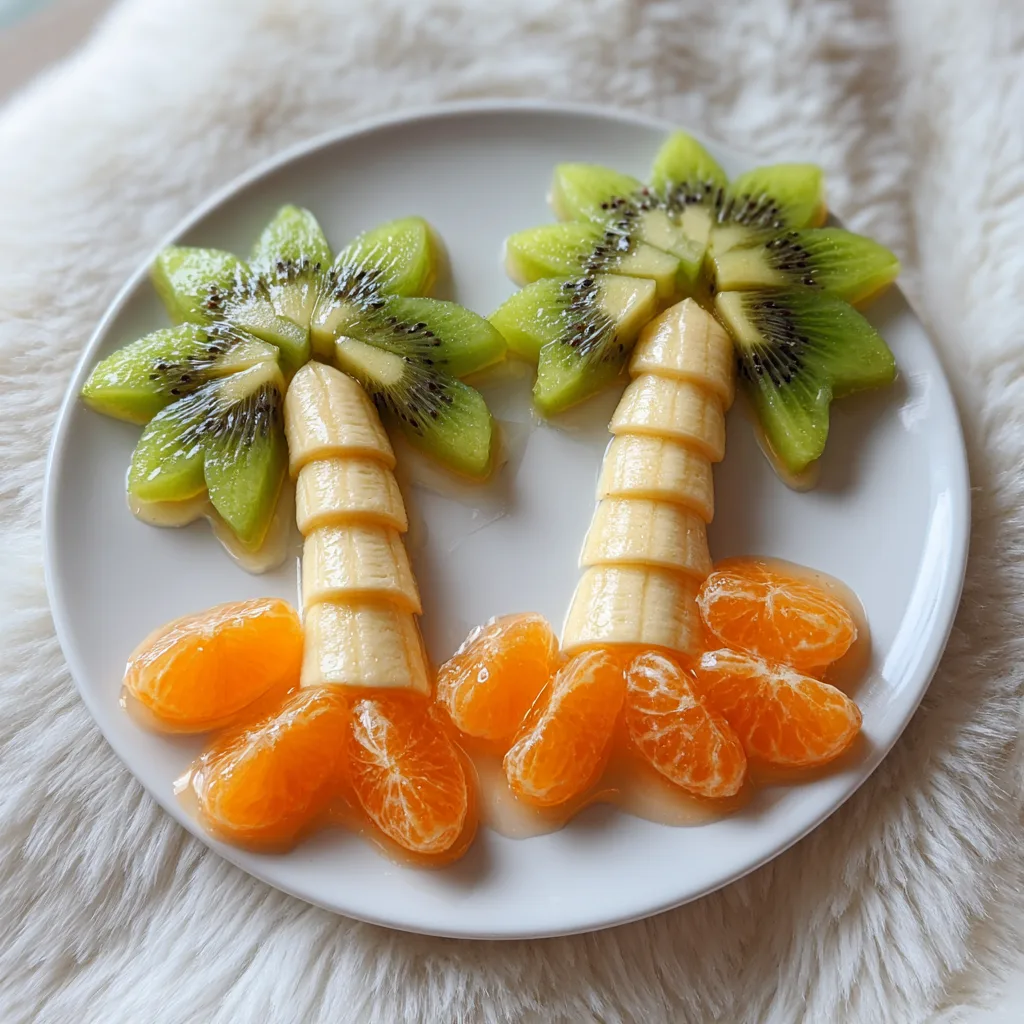
- Prepare the Trunks: Peel the banana completely. Using a sharp knife, slice the banana in half vertically (lengthwise) so you have two long, flat-bottomed halves. Place the halves flat-side down on your cutting board. Next, make horizontal cuts across each banana half, spacing them about 1/2 inch apart. Keep the segments pushed together so the banana retains its shape.
- Prepare the Fronds: Peel the kiwi fruits. The easiest way to do this while keeping the fruit intact is to slice off the top and bottom ends, slide a spoon between the flesh and the skin, and gently run it around the circumference. Once peeled, slice the kiwis in half vertically (lengthwise). Place the flat side down, and slice them into half-moon wedges, about 1/4 inch thick.
- Prepare the Sand: Peel the mandarin oranges. Carefully pull apart the individual segments, removing any excess white pith or strings, as this will make your “sand” look much cleaner and brighter.
- Assemble the Trees: Select a round or oval plate (white or a light, solid color works best to make the fruit pop). Carefully transfer the sliced banana halves to the center of the plate, positioning them so they curve slightly away from each other, mimicking leaning palm trees.
- Add the Leaves: Arrange the kiwi wedges at the top of each banana trunk. Fan them out in a semi-circle, overlapping them slightly to look like lush palm leaves cascading downward.
- Create the Beach: Finally, cluster the mandarin orange segments at the bottom of the plate, piling them slightly around the base of the banana trunks to represent the sandy ground.
- Serve Immediately: Fruit art is best enjoyed fresh. Serve immediately to prevent the bananas from browning.
Tips for the Perfect Presentation
While the instructions are straightforward, a few expert tips will elevate your food art from good to Instagram-worthy.
- Choose the Right Plate: The background matters. A solid white or pastel plate acts as a blank canvas, allowing the vibrant colors of the fruit to take center stage. Avoid plates with busy patterns that might camouflage your creation.
- Preventing Banana Browning: If you need to prepare this a few minutes in advance, lightly brush the exposed banana slices with a tiny amount of lemon juice or pineapple juice. The citric acid will prevent the oxidation process that turns bananas brown.
- Fruit Firmness: Selecting fruit at the right stage of ripeness is crucial. Bananas should be yellow with maybe a few brown spots; if they are overly ripe and mushy, they will not hold their shape when sliced. Kiwis should yield slightly to gentle pressure but not be completely soft.
- Knife Skills: Use a sharp paring knife for clean cuts. Dull knives will crush the fruit, making it look messy and releasing excess juices that can make your “sand” soggy.
Variations and Creative Add-Ins
The basic three-ingredient recipe is fantastic, but the fun of food art is making it your own. Here are several ways to customize your tropical island scene.
- Add Coconuts: To make the trees even more realistic, add “coconuts” nestled just below the kiwi leaves. Blueberries, chocolate chips, or small grapes work perfectly for this.
- Different Sand: While mandarin segments are bright and fresh, you can create a different textured beach by using crushed graham crackers, a sprinkle of granola, or toasted shredded coconut at the base of the trunks.
- A Sun in the Sky: Complete the landscape by adding a sun in the upper corner of the plate. A single, round slice of pineapple or a half-slice of a large navel orange serves as a beautiful, edible sun.
- Change the Trunks: If you have a banana allergy or simply want to switch things up, you can use pretzel rods or celery sticks (filled with peanut butter) as the trunks of your trees.
- Tropical Birds: Use small strawberry slices or raspberries to create tiny “birds” flying in the background of your plate.
Getting Kids Involved in the Kitchen
The Fruit Palm Tree Snack is one of the best recipes to introduce children to kitchen tasks. Getting them involved increases their likelihood of eating the final product and helps develop fine motor skills and kitchen confidence.
Younger children can easily peel the bananas and the mandarin oranges. They can also take charge of separating the mandarin segments and arranging the “sand” at the bottom of the plate. Older children, under supervision, can practice their knife skills by using a butter knife or a child-safe nylon knife to slice the soft bananas and kiwis. Allowing them to assemble the scene themselves fosters creativity and gives them a sense of pride in the food they are about to eat.
Serving Suggestions and Occasions
Because this snack is so healthy and visually appealing, it fits perfectly into a variety of occasions. Here are a few times when a Fruit Palm Tree is the perfect choice:
- A Special Weekend Breakfast: Surprise your family on a Saturday morning with a tropical getaway on their plate. Serve it alongside some scrambled eggs or yogurt for a balanced meal.
- After-School Snack: When the kids come home hungry, this provides the perfect balance of natural sugars for energy and fiber to hold them over until dinner.
- Themed Parties: If you are hosting a Moana-themed birthday party, a summer luau, or a beach-themed playdate, these individual plates make for a spectacular, on-theme appetizer or activity.
- Picky Eater Intervention: If you are dealing with a child who is going through a phase of refusing fruits, presenting it in this fun, low-pressure format can often break the stalemate.
Fun Facts About Tropical Fruits
Turn snack time into a learning moment by sharing some fun trivia about the ingredients you are eating!
Did you know that from a botanical standpoint, bananas are actually classified as berries? They grow on massive herbaceous plants, not actual trees, and their “trunks” are formed by tightly packed leaf bases.
The kiwi fruit, despite its strong association with New Zealand, originally comes from China, where it was known as the “macaque peach.” It was later brought to New Zealand and renamed after the native kiwi bird because the fuzzy brown skin of the fruit resembles the bird’s feathers.
Mandarin oranges have been cultivated for over 3,000 years. In traditional Chinese culture, they are considered symbols of good fortune and abundance, which is why they are frequently given as gifts and used as decorations during the Lunar New Year celebrations.
Conclusion
The Tropical Fruit Palm Tree Snack is a testament to the fact that healthy food does not have to be boring. With just three simple ingredients—bananas, kiwis, and mandarin oranges—you can create an edible masterpiece that delights the eyes and nourishes the body. It is a creative outlet, a nutritional powerhouse, and a guaranteed way to bring a bit of sunshine to your day. So grab your fruit, unleash your imagination, and enjoy your delicious trip to the tropics!
Tropical Fruit Palm Tree Snack
Ingredients
Equipment
Method
- Peel the banana and slice it in half vertically (lengthwise). Place the flat sides down and cut horizontally into 1/2-inch segments, keeping the shape intact.
- Peel the kiwis and slice them in half vertically. Lay the flat sides down and cut them into half-moon wedges for the palm leaves.
- Peel the mandarin oranges and carefully separate the individual segments, removing any excess white pith.
- On a white plate, arrange the banana halves side-by-side, curving slightly outward to resemble palm tree trunks.
- Fan the kiwi wedges at the top of each banana trunk to create the leafy palm fronds.
- Cluster the mandarin orange segments at the bottom of the plate beneath the trunks to look like a sandy beach.
- Serve immediately and enjoy your edible tropical art!