Magical Bubble Dough
The Ultimate DIY Cornstarch and Dish Soap Bubble Dough Recipe
Welcome to the wonderful, messy, and deeply satisfying world of homemade sensory play! If you are a parent, an educator, or simply someone who loves crafting satisfying, tactile DIY projects, you are going to fall head over heels for this recipe. We are talking about the viral, visually stunning, and incredibly fun Cornstarch and Dish Soap Bubble Dough. This magical substance is a cross between traditional playdough, fluffy slime, and kinetic sand. It is stretchy, squishy, wonderfully soft, and best of all, it only requires two primary ingredients that you likely already have sitting in your kitchen right now. Let us dive deep into creating the ultimate sparkling, pastel-swirled sensory dough that will keep kids (and adults) entertained for hours.
What is Bubble Dough?
Bubble dough is a unique sensory material that has taken the crafting and parenting internet by storm. Unlike traditional slime, which usually requires chemical activators like borax, contact lens solution, or liquid starch, bubble dough relies on the simple physical reaction between a fine powder (cornstarch) and a thick, viscous liquid detergent (dish soap). When these two everyday items are combined in the right ratios, they create a fascinating substance.
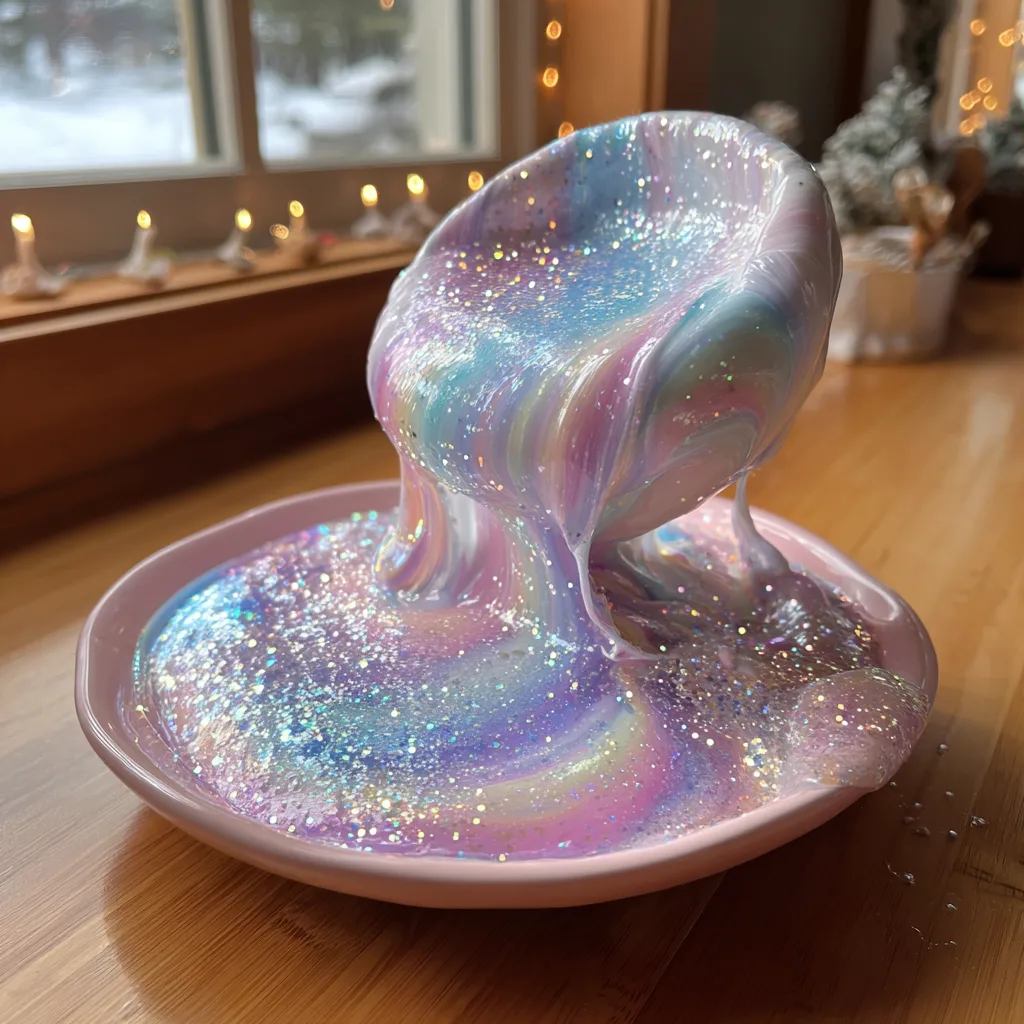
The texture of bubble dough is truly difficult to describe until you hold it. When you pull it quickly, it snaps and breaks. But when you let it rest in your palm, it oozes and melts slightly like a thick, glossy putty. It is incredibly soft to the touch, and because it is made with dish soap, it actually cleans your surfaces as you play with it! It is often colored with vibrant food dyes and packed with fine glitter to give it an aesthetic, magical appearance that mesmerizes children.
Why You Will Fall in Love With This 2-Ingredient Craft
There are countless reasons why this DIY project should move to the top of your rainy-day activity list. First and foremost is the accessibility. Slime recipes can be finicky and require specific brands of glue or chemical activators that require a special trip to the store. Bubble dough uses items you buy during your regular grocery run.
Secondly, it is incredibly cost-effective. A massive box of cornstarch and a bottle of standard dish soap cost only a few dollars, and from that, you can make multiple batches of this dough. It is the perfect budget-friendly activity for large families, classrooms, or birthday parties.
Another major selling point is safety. While children should never eat dish soap, this recipe avoids the harsh chemicals found in some industrial slimes or borax-based recipes, making it gentler on sensitive skin. Finally, the clean-up is surprisingly easy. Because it is literally made of soap, washing it off tables, bowls, and clothes simply requires warm water. It practically does the dishes for you while you make it!
The Science Behind the Slime
Turning a kitchen craft into a STEM (Science, Technology, Engineering, and Mathematics) lesson is always a bonus. The science behind this dough is fascinating. Cornstarch is made up of long-chain starch molecules. When you mix cornstarch with water alone, you get “Oobleck,” a famous non-Newtonian fluid that acts as a liquid when poured but a solid when struck.
However, when you mix cornstarch with dish soap, the reaction is slightly different. Dish soap contains surfactants—molecules that reduce surface tension and allow water and oils to mix. The surfactants in the soap coat the starch molecules, preventing them from locking together as rigidly as they do in plain water. The glycerin and water content in the dish soap provide just enough moisture to hydrate the starch, while the thick, gel-like structure of the soap gives the resulting dough its stretchy, moldable elasticity. It is chemistry in action right on your kitchen counter!
The Perfect Ingredients for Bubble Dough
While this recipe only requires two main ingredients, selecting the right variations can heavily influence the final aesthetic and texture of your dough.
Cornstarch: This is the non-negotiable base. You need pure, fine cornstarch (sometimes called cornflour in the UK). Avoid substituting this with regular wheat flour or baking soda, as the gluten in flour and the chemical properties of baking soda will create a sticky paste rather than a smooth, silky dough.
Dish Soap: The brand and type of dish soap you use will affect the texture and color. Thick, concentrated dish soaps (like classic Dawn or Fairy) tend to work best because they contain less water and more surfactants and glycerin, leading to a stretchier dough. The color of your dish soap will also dictate the base color of your dough. If you use a blue dish soap, your dough will be pale blue. If you want a pure white base to dye with specific food coloring, try to find a clear dish soap.
Food Coloring (Optional): To get those beautiful pastel rainbows, you will want gel food coloring. Gel coloring is highly concentrated, so it won’t add excess liquid to your dough and ruin the consistency.
Glitter and Mix-ins (Optional): To elevate your dough to “magical” status, extra fine holographic glitter is a must. It catches the light and makes the dough look like a shimmering galaxy. You can also add tiny foam beads, sequins, or even a drop of essential oil (like lavender or sweet orange) for an added olfactory sensory experience.
Ingredients
- – 1 cup fine cornstarch (plus extra for adjusting consistency)
- – 1/2 cup concentrated dish soap (clear or colored)
- – 1-2 tablespoons cooking oil (such as vegetable, baby oil, or coconut oil)
- – 1-2 drops gel food coloring (per color you wish to make)
- – 2 tablespoons extra fine holographic glitter
Step-by-Step Instructions
- Prepare Your Workspace: Lay down a silicone baking mat or some parchment paper on your kitchen counter. While this dough is easy to clean, it can be quite messy during the initial mixing phase.
- Measure the Base: In a medium-sized mixing bowl, add the 1 cup of cornstarch. If you are making multiple colors (like a pastel rainbow), divide the cornstarch evenly into smaller, separate bowls now.
- Add the Soap and Color: Pour the 1/2 cup of dish soap over the cornstarch. If you are coloring the dough, add 1-2 drops of gel food coloring directly into the dish soap before mixing it into the cornstarch. Sprinkle in your holographic glitter at this stage as well.
- The Initial Mix: Use a spoon or a silicone spatula to begin folding the dish soap into the cornstarch. At first, it will look very dry, crumbly, and lumpy. Do not panic and do not add more liquid immediately; it takes a minute for the starch to absorb the soap.
- Add the Oil: Add the 1-2 tablespoons of cooking oil or baby oil. This is the secret ingredient that prevents the dough from sticking to your fingers and gives it that beautiful, glossy, wet-looking shine without it actually being wet.
- Knead by Hand: Once the mixture becomes too thick to stir with a spoon, it is time to get your hands dirty. Dust your hands with a little extra cornstarch and begin kneading the dough in the bowl, exactly like you would knead bread dough. Squish, fold, and press it together.
- Adjust the Consistency: This recipe is more about feel than exact measurements. If the dough feels impossibly sticky and is coating your fingers like glue, sprinkle in another tablespoon of cornstarch and knead. If the dough is crumbling, cracking, and refusing to come together into a ball, add an extra squirt of dish soap and knead.
- Create the Rainbow (Optional): If you made separate batches of different colors (e.g., pink, blue, yellow), roll them into long snake-like tubes. Twist the tubes together gently to create a mesmerizing, swirling pastel rainbow effect.
Essential Equipment Needed
You do not need anything fancy to bring this craft to life. A sturdy medium-sized mixing bowl (glass or plastic works fine) is essential. You will need a silicone spatula or a strong spoon for the initial mixing phase, as the dough gets very thick and can snap flimsy plastic spoons. Measuring cups are needed for the initial ratio, though you will quickly learn to “eyeball” the additions based on texture. Finally, having an airtight Tupperware container or a zip-top plastic bag is crucial for storing the dough when playtime is over.
Expert Tips for the Best Consistency
Making bubble dough is a dynamic process influenced by the humidity in your home and the specific brand of soap you use. The golden rule of bubble dough is: Knead before you adjust. Often, the dough seems too dry, but the warmth of your hands and a full minute of aggressive kneading will cause it to suddenly come together perfectly.
If your dough loses its stretch and becomes stiff after a few days of storage, you don’t need to throw it away! Simply flatten it out, add a small squirt of fresh dish soap or a few drops of warm water into the center, fold it over, and knead it back to life. It will magically regain its glossy, stretchy properties.
Fun Variations and Customizations
Once you master the base recipe, the creative possibilities are endless.
Galaxy Dough: Use black or dark blue gel food coloring, silver holographic glitter, and tiny star-shaped sequins. Add a drop of peppermint essential oil for a cooling sensory effect.
Ocean Bubble Dough: Use clear dish soap and dye half the batch teal and the other half deep blue. Swirl them together and mix in small plastic sea shells or blue flat glass marbles for kids to dig out.
Calming Bedtime Dough: Skip the bright colors and leave the dough a soothing, pale pastel color. Add three drops of pure lavender essential oil. Playing with this soft, lavender-scented dough is a fantastic, screen-free wind-down activity for children before bed.
Sensory Play Benefits for Children
While bubble dough is undeniably gorgeous, its real value lies in early childhood development. Sensory play is crucial for building nerve connections in the brain’s pathways. Squishing, rolling, and stretching this dough develops fine motor skills, strengthening the small muscles in a child’s hands and fingers that are necessary for holding a pencil, buttoning a shirt, or using scissors.
Furthermore, sensory play is incredibly regulating. The deep pressure required to knead the dough provides proprioceptive feedback, which has a calming, grounding effect on the nervous system. For children who experience anxiety or overstimulation, sitting quietly and manipulating a soft, pleasant-smelling dough can be a powerful tool for emotional regulation and mindfulness.
Frequently Asked Questions (FAQs)
How long does this bubble dough last?
If stored properly in an airtight container or a sealed zip-top bag at room temperature, your bubble dough can last for 1 to 2 weeks. If left out in the open air, the cornstarch will dry out and it will turn into a hard, crumbly puck within a few hours.
Is this dough toxic if accidentally ingested?
While the ingredients (cornstarch, dish soap, cooking oil) are common household items, dish soap is definitely not meant to be eaten. Ingesting small amounts may cause a mild upset stomach. This craft is recommended for children who are past the phase of putting everything in their mouths, and adult supervision is always advised.
Will the food coloring stain my hands or furniture?
If you use highly concentrated gel food coloring and touch it directly before it is mixed, it can temporarily stain hands. However, once it is fully incorporated into the cornstarch and soap mixture, the soap acts as a barrier, and it generally does not stain hands or sealed surfaces. To be safe, always use a play mat and avoid playing with it on carpets or porous fabrics.
Why is my dough melting into a puddle?
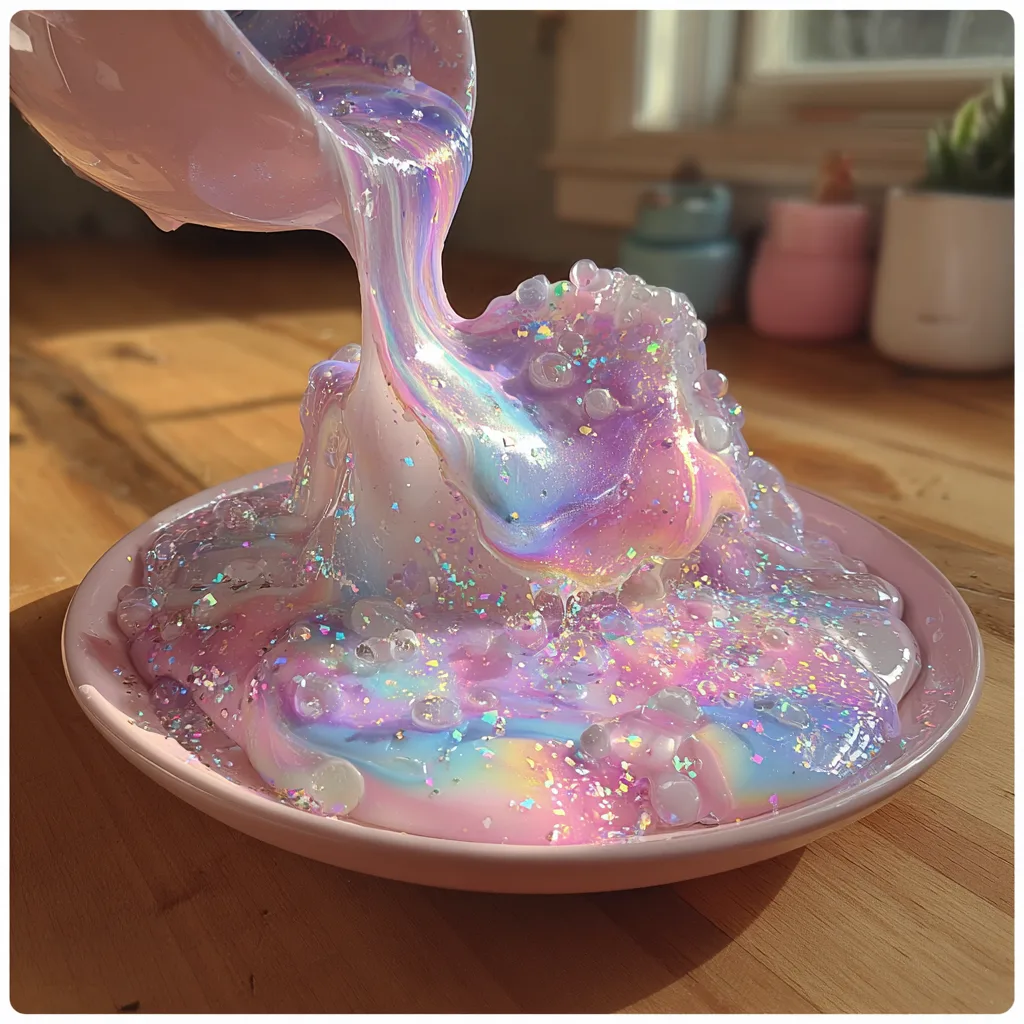
If your dough won’t hold a shape and looks like a glossy puddle, there is far too much dish soap in the ratio. Simply sift in a tablespoon of cornstarch at a time, kneading thoroughly after each addition, until it firms up into a moldable dough.
Conclusion
Creating your own Cornstarch and Dish Soap Bubble Dough is a brilliant, quick, and engaging activity that bridges the gap between science experiment and arts and crafts. With its breathtaking glossy shine, swirling pastel colors, and incredibly soft texture, it is guaranteed to be a massive hit in your household. So raid your pantry, grab that bottle of dish soap, and spend an afternoon squishing and stretching your way to sensory perfection. Happy crafting!
Cornstarch and Dish Soap Bubble Dough
Ingredients
Equipment
Method
- In a medium mixing bowl, add the cornstarch. If making multiple colors, divide the cornstarch into separate bowls.
- Pour the dish soap over the cornstarch. Add any desired food coloring and glitter at this stage.
- Stir the mixture with a spatula. It will look dry and crumbly at first. Add the cooking oil to prevent sticking and add a glossy shine.
- Once it is too difficult to stir, dust your hands with cornstarch and knead the mixture by hand until it forms a smooth, stretchy dough.
- If the dough is too sticky, knead in more cornstarch 1 tablespoon at a time. If it is too dry and crumbly, knead in a squirt of dish soap.
- Store in an airtight container when not in use.