
Texas Roadhouse Salmon
The Ultimate Copycat Texas Roadhouse Salmon Recipe
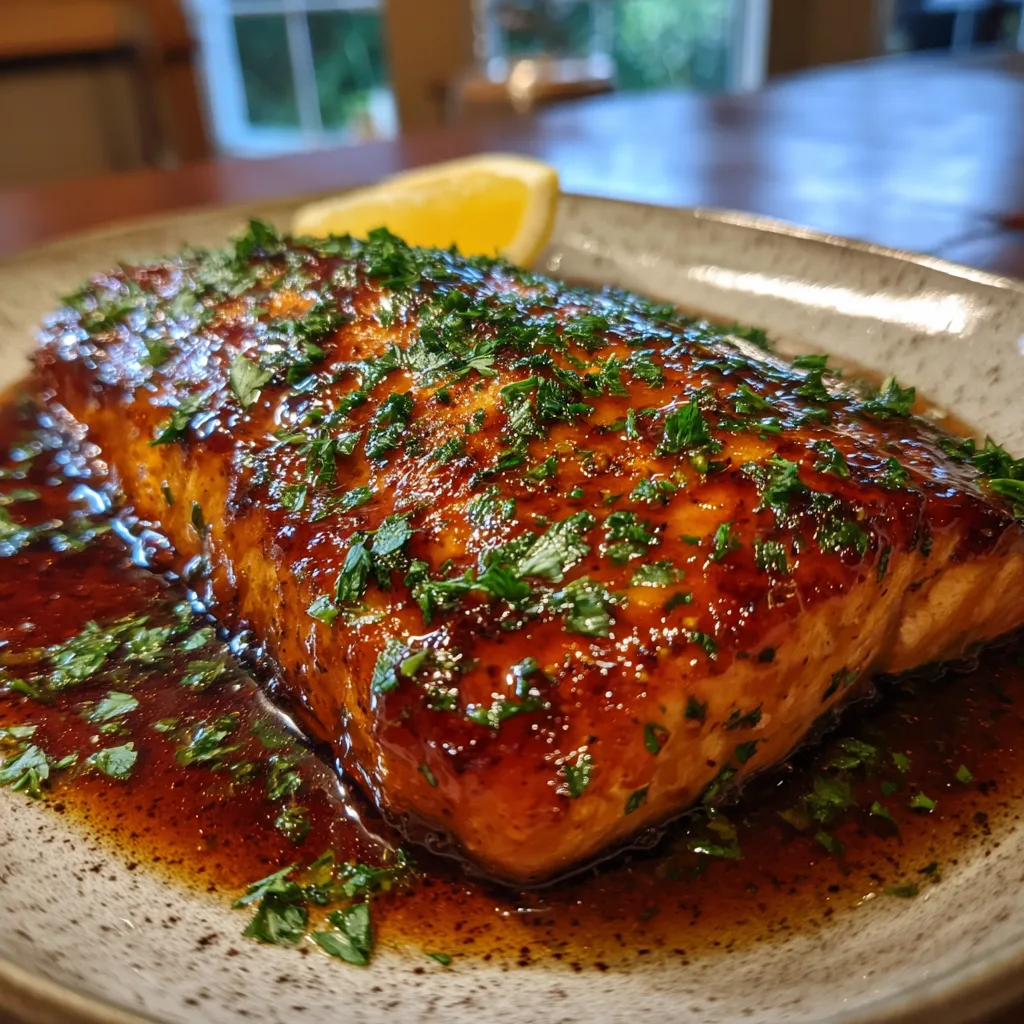
Welcome to your new favorite weeknight dinner obsession. If you have ever dined at the famous steakhouse chain, you likely know that their menu extends far beyond incredible steaks and those irresistible, warm yeast rolls with cinnamon butter. One of the absolute standout dishes is, surprisingly, their seafood. The Texas Roadhouse Salmon is legendary for its perfect balance of sweet, savory, tangy, and buttery flavors, all wrapped up in a tender, flaky, melt-in-your-mouth fillet. Today, we are bringing that restaurant-quality magic straight into your home kitchen with this incredibly easy, foolproof copycat recipe. Whether you are a seasoned home chef or a beginner looking to impress, this honey soy glazed salmon is guaranteed to become a regular staple in your dinner rotation.
Why We Love This Texas Roadhouse Copycat
There is a specific reason why this salmon dish is so universally adored. Fish can sometimes be intimidating to cook at home, often turning out too dry or lacking in flavor. However, the secret to this Texas Roadhouse replica lies entirely in its masterful glaze. It acts as both a marinade and a finishing sauce, trapping the natural moisture of the fish while caramelizing the exterior under the heat of the oven or broiler. It hits every single taste bud: the richness of the melted butter, the deep umami of the soy sauce, the bright acidity of the fresh lemon juice, the aromatic bite of minced garlic, and the sticky, comforting sweetness of honey.
Furthermore, this recipe is remarkably fast. From the moment you pull the ingredients out of your refrigerator to the moment you are serving it on a plate, you are looking at less than 25 minutes. This makes it an absolute lifesaver for busy weeknights when you want something nourishing and luxurious but do not have the time or energy to spend hours standing over a hot stove. It requires minimal equipment—just a small bowl for mixing the glaze and a baking sheet or skillet for cooking.
The Health Benefits of Cooking Salmon at Home
Beyond its spectacular taste, incorporating salmon into your regular diet provides an incredible array of health benefits. Salmon is widely considered a superfood, primarily because it is one of the best natural sources of long-chain Omega-3 fatty acids. Unlike most other fats, Omega-3s are considered essential, meaning your body cannot create them on its own and you must obtain them through your diet. These fatty acids have been extensively studied for their ability to decrease inflammation, lower blood pressure, reduce the risk of cancer, and improve the function of the cells that line your arteries.
In addition to Omega-3s, a standard six-ounce salmon fillet is packed with high-quality protein, which is essential for healing, protecting bone health, and maintaining muscle mass. It is also an excellent source of B vitamins, particularly Vitamin B12, which is vital for nerve function and the production of DNA. Furthermore, salmon contains astaxanthin, an antioxidant that gives the fish its signature pinkish-red hue. Astaxanthin has been linked to lowering the risk of heart disease by reducing the oxidation of bad cholesterol and increasing good cholesterol. By making this Texas Roadhouse copycat recipe at home, you are treating yourself to a deeply satisfying, restaurant-tier meal that also deeply nourishes your body.
Choosing the Right Salmon for the Best Results
The foundation of this dish is, of course, the salmon itself. When you go to the grocery store or local fish market, you will likely be faced with several options. Understanding the differences will help you achieve the best possible texture and flavor for this specific recipe.
Atlantic Salmon: This is the most common type of salmon found in supermarkets and is almost always farm-raised. It has a relatively mild flavor, a soft texture, and a high fat content. This high fat content makes it incredibly forgiving to cook, as it stays moist and tender even if you accidentally leave it in the oven for a minute too long. For a rich, buttery copycat recipe like this one, Atlantic salmon is an excellent and affordable choice.
Sockeye Salmon: Known for its deep, vibrant red color, Sockeye is a wild-caught Pacific salmon. It has a much stronger, more pronounced “fish” flavor and a firmer, leaner texture compared to Atlantic salmon. Because it is leaner, it cooks faster and can dry out if overcooked. If you prefer a bolder salmon flavor, Sockeye is fantastic, but keep a close eye on your cooking time.
King (Chinook) Salmon: This is the premier, most expensive variety of salmon. It has the highest fat content of the wild Pacific species, giving it a rich, buttery texture similar to Atlantic salmon but with a superior, complex flavor. If you are making this recipe for a special occasion, King salmon will yield spectacular results.
Regardless of the type you choose, look for fillets that have a bright, vibrant color without any browning or dullness. The flesh should spring back when gently pressed, and it should smell like the fresh ocean breeze, not overtly “fishy” or sour. We recommend keeping the skin on during the cooking process; it acts as a protective barrier against the heat of the baking sheet, preventing the delicate bottom of the fillet from drying out.
Detailed Ingredient Breakdown
The beauty of this glaze is in its simplicity. You likely already have most, if not all, of these ingredients sitting in your pantry and refrigerator right now.
- – 2 (6 oz) salmon fillets: Ensure they are roughly the same thickness so they cook evenly.
- – 1/4 cup honey: This provides the primary sweetness and the sticky consistency necessary for the glaze to adhere to the fish. It also aids in caramelization, giving the salmon that beautiful golden-brown crust.
- – 2 tbsp unsalted butter, melted: Butter adds the luxurious, rich mouthfeel that restaurant dishes are famous for. Using unsalted butter allows you to perfectly control the sodium level of the dish, as soy sauce is already quite salty.
- – 1 tbsp soy sauce: This brings the umami—the deep, savory flavor that grounds the sweetness of the honey. You can use a low-sodium variety if you are watching your salt intake, or tamari if you need the recipe to be completely gluten-free.
- – 1 tbsp lemon juice: The acid from fresh lemon juice cuts through the richness of the salmon and the butter, brightening the entire flavor profile. Always use freshly squeezed lemon juice; bottled juice often contains preservatives that alter the flavor.
- – 1 tsp minced garlic: Garlic provides an aromatic, savory punch. Freshly minced garlic is always preferred, but garlic powder can be used in a pinch (use about 1/4 teaspoon of powder).
- – 1/4 tsp black pepper: Adds a subtle, earthy heat. Freshly cracked black pepper will provide the most potent flavor.
- – 1/4 tsp salt: Just a touch to enhance all the other flavors. Adjust to your personal preference, keeping in mind the saltiness of the soy sauce.
- – Fresh parsley, chopped: This is the perfect garnish. The bright, slightly peppery flavor of the fresh parsley adds a pop of color and a fresh finish to the heavy glaze.
- – Lemon wedges for serving: A final squeeze of fresh lemon juice right before taking your first bite elevates the dish to the next level.
Step-by-Step Instructions
- Preheat and Prepare: Begin by preheating your oven to 400°F (200°C). Line a rimmed baking sheet with aluminum foil or parchment paper for easy cleanup. If using foil, lightly spray it with non-stick cooking spray to ensure the salmon skin does not adhere to it.
- Mix the Glaze: In a small mixing bowl, combine the melted unsalted butter, honey, soy sauce, fresh lemon juice, minced garlic, black pepper, and salt. Whisk everything together vigorously until the mixture is completely smooth and well incorporated. The butter may try to separate from the honey; just keep whisking until it forms a unified, glossy sauce.
- Prepare the Salmon: Use a paper towel to gently pat the salmon fillets completely dry. This is a crucial step! Removing the surface moisture allows the glaze to stick better and helps the exterior of the fish to roast rather than steam. Place the dried salmon fillets skin-side down on your prepared baking sheet.
- Glaze the Fish: Generously spoon or brush about two-thirds of the honey butter mixture over the top and sides of the salmon fillets. Reserve the remaining third of the glaze to use later.
- Bake: Place the baking sheet in the preheated oven and bake for approximately 12 to 15 minutes. The exact time will depend on the thickness of your fillets. You are looking for the salmon to be opaque and easily flaked with a fork.
- The Secret Broil Step: To achieve that perfect, sticky, caramelized restaurant finish, remove the salmon from the oven just before it is completely done (around the 11-12 minute mark). Brush the fillets with the reserved remaining glaze. Turn your oven to the “Broil” setting (high). Return the salmon to the oven and broil for 1 to 2 minutes. Watch it very closely, as the sugars in the honey can go from beautifully caramelized to burnt in a matter of seconds.
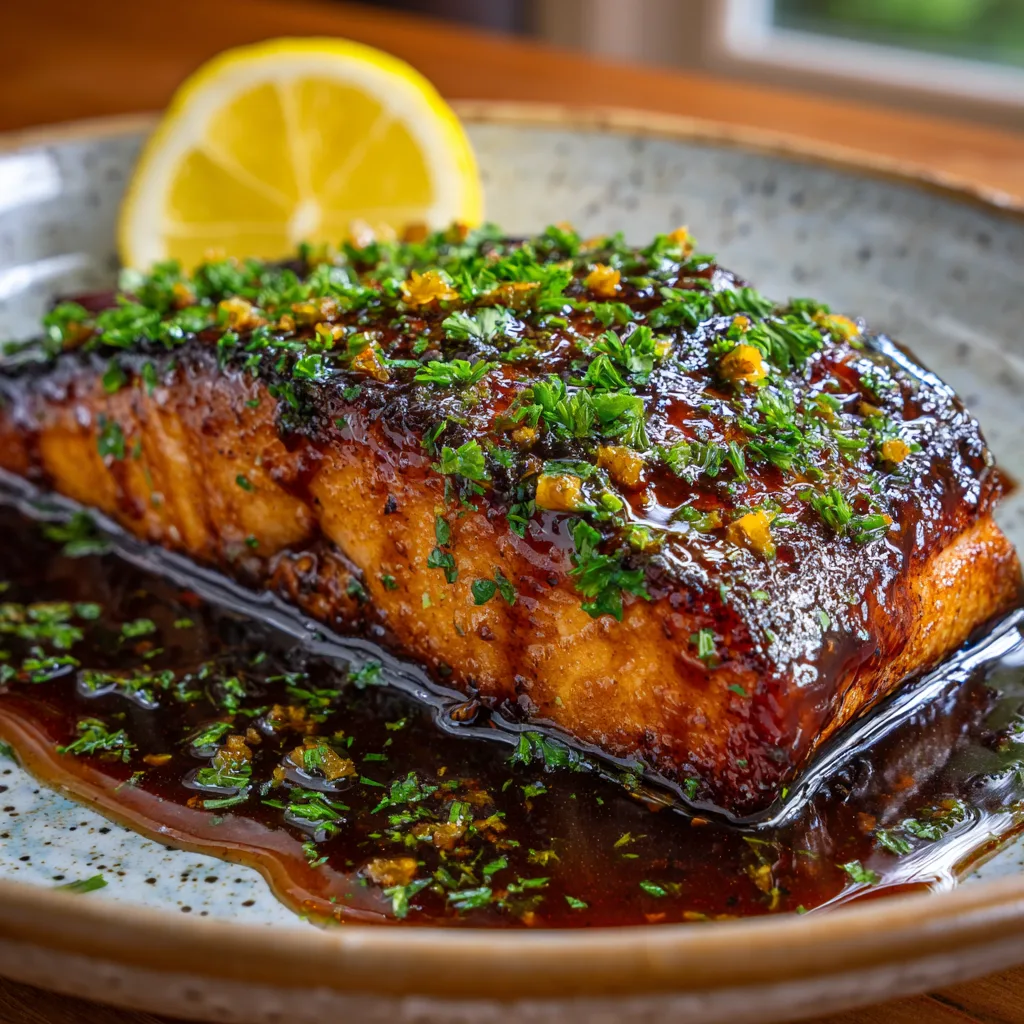
- Garnish and Serve: Carefully remove the baking sheet from the oven. The glaze should be bubbling and sticky. Transfer the salmon to serving plates, spooning any extra sauce from the pan over the top. Garnish generously with freshly chopped parsley and serve immediately with fresh lemon wedges on the side.
Alternative Cooking Methods: Air Fryer and Pan-Seared
While baking is incredibly hands-off and easy, this Texas Roadhouse salmon recipe is highly adaptable to other cooking methods depending on your preference and available equipment.
Air Fryer Method: If you want dinner done even faster with a remarkably crispy exterior, the air fryer is your best friend. Preheat your air fryer to 380°F (190°C). Prepare the salmon and the glaze exactly as instructed above. Place the glazed fillets in the air fryer basket (you may want to line it with a small piece of parchment paper designed for air fryers to prevent sticking, or lightly spray the basket). Air fry for 8 to 10 minutes, depending on thickness. Because the air fryer circulates heat so intensely, the honey glaze will caramelize beautifully without needing a separate broiling step.
Pan-Seared Method: For a true culinary crust, pan-searing is the way to go. Heat a large skillet (cast iron works beautifully) over medium-high heat with a splash of neutral oil (like canola or avocado oil). Season the dried salmon fillets with just salt and pepper first. Place them skin-side up in the hot skillet. Sear undisturbed for 3-4 minutes until a golden crust forms. Flip the fillets so they are skin-side down. Lower the heat to medium-low. Pour the entire mixed glaze mixture directly into the pan. As the fish finishes cooking (another 3-5 minutes), the sauce will bubble, reduce, and thicken in the pan. Use a spoon to continuously baste the top of the salmon with the thickening, bubbling glaze. Remove from heat and serve.
How to Know When Your Salmon is Perfectly Cooked
One of the most common mistakes in cooking fish is overcooking it, which results in a dry, chalky texture. Here are a few foolproof ways to ensure your salmon is cooked to perfection:
The Flake Test: Gently press down on the thickest part of the fillet with a fork. If the fish easily separates along its natural white lines (fat lines) and flakes apart without much resistance, it is done. It should look opaque on the outside but slightly translucent in the very center.
The Temperature Test: The most accurate way to check for doneness is with a digital instant-read meat thermometer. The FDA recommends an internal temperature of 145°F (63°C) for seafood. However, many chefs and culinary experts prefer to remove the salmon from the heat when it reaches 130°F to 135°F (54°C to 57°C). Because of “carryover cooking” (the fish will continue to cook slightly from its own residual heat after being removed from the oven or pan), pulling it slightly early ensures a moist, tender, medium-done center.
The Butter Knife Test: Insert a cold butter knife into the thickest part of the fish, hold it there for 3 seconds, and then carefully touch the tip of the knife to your lower lip. If the knife is warm, the fish is cooked. If it is still cold, it needs more time.
What to Serve with Your Texas Roadhouse Salmon
To recreate the full restaurant experience, you need the right side dishes to complement the rich, sweet, and savory flavors of the fish. Here are some fantastic pairings:
Classic Steakhouse Sides: You cannot go wrong with a massive, fluffy baked potato loaded with butter, sour cream, and chives. Alternatively, creamy, garlic mashed potatoes act as a wonderful sponge to soak up any extra honey soy glaze left on your plate.
Green Vegetables: To balance the richness of the dish, serve it alongside vibrant, slightly bitter green vegetables. Steamed asparagus with a squeeze of lemon, garlic butter green beans, or roasted Brussels sprouts are all excellent choices. A simple side salad with a light vinaigrette dressing also provides a refreshing contrast.
Grains: A bed of fluffy white rice, brown rice, or quinoa is perfect for making this a complete, filling meal. The grains will absorb the delicious sauce beautifully.
The Bread: Do not forget the most important part of the Texas Roadhouse experience! Serve this meal with a side of warm, soft yeast rolls. If you really want to go the extra mile, whip up a quick cinnamon honey butter to spread on the rolls while the salmon is baking.
Storage and Reheating Tips
If you happen to have leftovers, proper storage and reheating are crucial to maintain the quality of the fish.
Storage: Allow the leftover salmon to cool completely to room temperature. Transfer it to an airtight container and store it in the refrigerator for up to 3 days. We do not recommend freezing the cooked salmon, as the texture can become mushy upon thawing.
Reheating: Do not use the microwave! Microwaving fish almost always results in a rubbery texture and can create an overpowering odor in your kitchen. Instead, the best way to reheat salmon is in the oven. Preheat your oven to 275°F (135°C). Place the leftover salmon on a rimmed baking sheet. To prevent it from drying out, drizzle a tiny bit of water or a tiny pat of butter over the top, and cover the fish loosely with foil. Bake for about 15 minutes, or until just warmed through.
Alternatively, cold leftover salmon is absolutely delicious. Try flaking the cold fish over a bed of mixed greens for a high-protein lunch salad, or mix it with a little mayonnaise, celery, and onion for a gourmet salmon salad sandwich.
Conclusion
Cooking incredible, restaurant-quality seafood at home does not have to be an all-day, stressful affair. With this ultimate copycat Texas Roadhouse Salmon recipe, you can deliver a show-stopping dinner to the table in under 30 minutes. The magic is all in that simple, five-ingredient honey soy glaze that transforms an ordinary piece of fish into a sticky, savory, buttery masterpiece. Next time you are craving the comfort of a steakhouse dinner but want to skip the lines and the bill, pick up some beautiful fresh salmon fillets, raid your pantry for honey and soy sauce, and treat yourself to this incredible meal. Your family (and your taste buds) will thank you.
Texas Roadhouse Salmon
Ingredients
Equipment
Method
- Preheat oven to 400°F (200°C). Line a baking sheet with foil or parchment paper.
- In a small bowl, whisk together the melted butter, honey, soy sauce, lemon juice, minced garlic, black pepper, and salt until smooth.
- Pat the salmon fillets completely dry with a paper towel and place them skin-side down on the prepared baking sheet.
- Spoon or brush about two-thirds of the glaze mixture evenly over the top of the salmon fillets, reserving the rest.
- Bake in the preheated oven for 12-15 minutes, or until the salmon flakes easily with a fork.
- Optional: For a sticky, caramelized crust, brush the remaining glaze over the baked salmon and broil on high for 1-2 minutes. Watch carefully to avoid burning.
- Remove from oven, garnish with chopped fresh parsley, and serve immediately with lemon wedges.


