The Ultimate Guide to Making the Perfect Easy Carrot Oat Cake
Welcome to your new favorite baking obsession. If you are looking for a dessert that perfectly balances indulgence with wholesome ingredients, you have arrived at the right destination. This Easy Carrot Oat Cake is a revelation in home baking, offering a deeply satisfying flavor profile, a wonderfully moist texture, and the nutritional benefits of hearty oats and fresh vegetables. Whether you are baking for a festive holiday gathering, preparing a cozy weekend treat for your family, or simply craving something sweet yet nourishing to accompany your afternoon tea, this recipe delivers on all fronts.
In this comprehensive guide, we are going to explore every single facet of this magnificent cake. From understanding the science behind baking with oat flour to mastering the art of grating carrots for the ideal moisture level, we will leave no stone unturned. By the time you finish reading, you will be equipped with all the knowledge, tips, and tricks necessary to bake a flawless carrot oat cake every single time.
Why You Will Fall in Love with This Easy Carrot Oat Cake
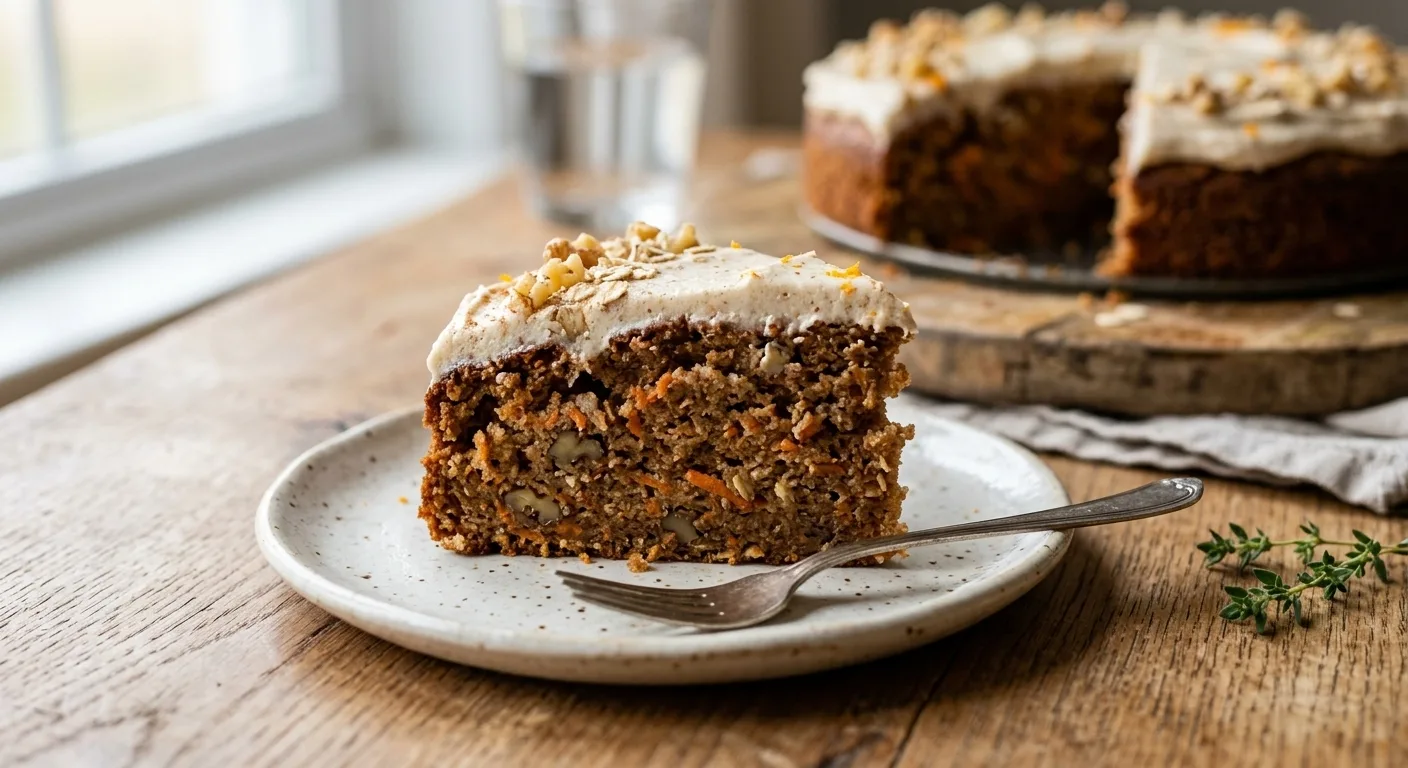
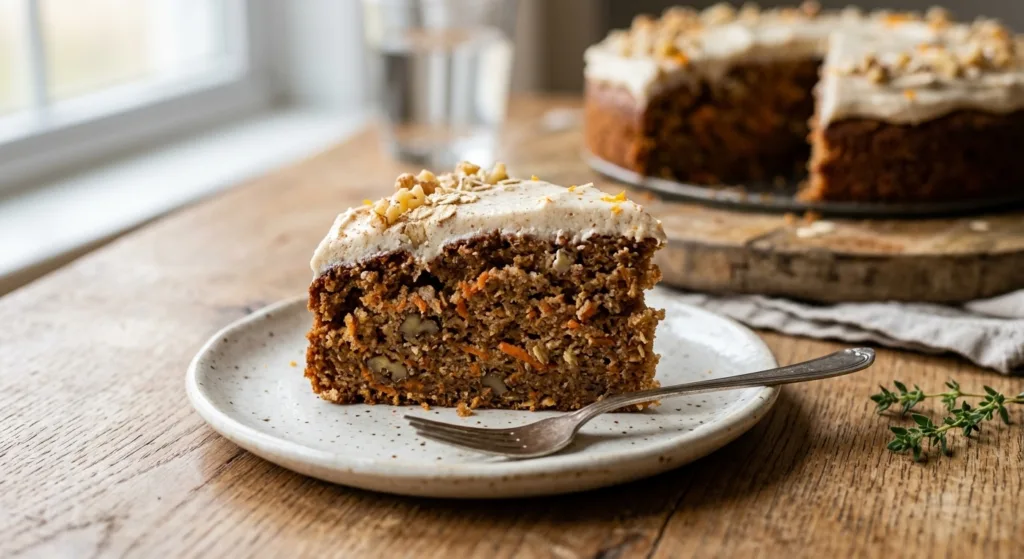
There are countless carrot cake recipes out there, but this specific iteration stands out for several compelling reasons. First and foremost is the texture. The cake features a beautifully dense, deeply golden-brown crumb that holds its shape perfectly when sliced[cite: 1]. Unlike traditional cakes that rely heavily on refined white flour, this recipe utilizes oats, which lend a rustic, slightly chewy, and incredibly satisfying mouthfeel. The oats absorb the moisture from the freshly grated carrots, resulting in a cake that stays tender and soft for days.
Furthermore, the flavor profile is complex and warming. The natural sweetness of the carrots is elevated by a carefully curated blend of spices—cinnamon, nutmeg, and perhaps a hint of ginger or cloves. When baked, these spices perfume your kitchen with an aroma that is undeniably comforting. It is a cake that manages to be rich and decadent without being overly sweet or heavy. The visual appeal is also undeniable; a freshly cut slice showcases a sturdy, robust structure with a gorgeous caramel-brown hue[cite: 1].
The Magic of Combining Carrots and Oats
To truly appreciate this recipe, it is essential to understand why carrots and oats make such a phenomenal pairing in baking.
The Role of Carrots: Carrots are a baker’s secret weapon. They are naturally sweet, which allows you to reduce the amount of added sugars in your recipe. More importantly, carrots are packed with water. As the cake bakes, this moisture is slowly released into the batter, ensuring the final product is incredibly moist. They also provide beautiful flecks of color and a subtle earthy sweetness that complements warm spices beautifully.
The Power of Oats: Oats bring a robust, nutty flavor and a fantastic texture to baked goods. When blended into oat flour or used whole, they provide a wholesome alternative to traditional wheat flour. Oats are rich in dietary fiber, particularly beta-glucan, which is known for its heart-health benefits. In the context of this cake, the oats act like tiny sponges, soaking up the natural juices from the carrots and the wet ingredients, which helps to bind the cake together and create a dense, satisfying crumb structure.
Detailed Ingredient Breakdown
Great baking starts with great ingredients. Let us take a closer look at what you will need to create this masterpiece.
- Rolled Oats (or Oat Flour): The foundation of our cake. You can use pre-made oat flour or simply blend rolled oats in a food processor until fine. Ensure they are certified gluten-free if you have dietary restrictions.
- Fresh Carrots: Always grate your carrots fresh at home. Pre-packaged grated carrots are often too dry and thick, which will negatively impact the moisture and texture of your cake. Use the fine side of a box grater for the best integration into the batter.
- Brown Sugar or Maple Syrup: The molasses in brown sugar adds a deep, caramel-like sweetness that pairs perfectly with the spices. If you prefer an unrefined option, pure maple syrup is an excellent substitute that adds its own unique flavor notes.
- Eggs: These act as the primary binder, providing structure and stability to the oat and carrot mixture. Ensure your eggs are at room temperature before baking for easier incorporation.
- Neutral Oil or Melted Butter: Fat is essential for a tender crumb. A neutral oil (like canola or avocado) ensures maximum moisture, while melted butter offers a richer flavor. You can even use melted coconut oil for a subtle tropical hint.
- Baking Powder and Baking Soda: The leavening agents that give our dense cake a necessary lift, preventing it from becoming too heavy or gummy.
- Warm Spices: Ground cinnamon is non-negotiable. Nutmeg and a pinch of ground ginger or cloves add incredible depth and complexity, transforming a simple cake into a gourmet experience.
- Vanilla Extract: A dash of high-quality vanilla extract enhances all the other flavors, tying the sweetness and the spices together harmoniously.
- Milk (Dairy or Plant-Based): A splash of milk helps to thin the batter to the perfect consistency, ensuring the oats hydrate properly.
Step-by-Step Instructions for the Perfect Bake
Follow these meticulously detailed steps to achieve the ultimate Easy Carrot Oat Cake.
- Preparation is Key: Begin by preheating your oven to 350°F (175°C). Proper oven temperature is crucial for the cake to rise evenly. Grease an 8-inch round cake pan and line the bottom with a circle of parchment paper. This guarantees your cake will release effortlessly after baking.
- Grate the Carrots: Wash, peel, and grate your carrots. You will need about 1.5 to 2 cups of loosely packed grated carrots. Remember, finer shreds melt into the cake, while thicker shreds provide more texture.
- Mix the Dry Ingredients: In a large mixing bowl, whisk together the oat flour (or blended oats), baking powder, baking soda, salt, cinnamon, and nutmeg. Whisking ensures the leavening agents and spices are evenly distributed, preventing uneven rising or localized pockets of spice.
- Combine the Wet Ingredients: In a separate, medium-sized bowl, vigorously whisk the eggs, oil (or melted butter), brown sugar (or maple syrup), and vanilla extract until the mixture is smooth and slightly lighter in color. If using milk, stir it in at this stage.
- Create the Batter: Pour the wet ingredients into the dry ingredients. Use a silicone spatula or a wooden spoon to gently fold the mixture together. Stop mixing just before all the flour disappears. Overmixing oat flour can result in a tough, gummy cake.
- Fold in the Carrots: Add the freshly grated carrots to the batter. Gently fold them in until they are evenly dispersed throughout the mixture. If you are adding nuts or raisins, this is the time to fold them in as well.
- Bake to Perfection: Pour the batter into your prepared cake pan, smoothing the top with your spatula. Place the pan in the center of your preheated oven. Bake for 35 to 45 minutes. The cake is baked in a round shape and develops a beautifully bronzed exterior[cite: 1]. You will know it is done when a toothpick inserted into the center comes out clean or with a few moist crumbs attached.
- Cooling Process: This is a critical step. Allow the cake to cool in the pan for at least 15 minutes before attempting to invert it onto a wire cooling rack. Oat cakes are fragile when hot and need time to set up and structure themselves as they cool.
Expert Baking Tips for Oat-Based Cakes
Baking with oats is slightly different than baking with traditional wheat flour. Here are some expert tips to ensure your success:
- Let the Batter Rest: Oats take time to absorb liquid. Letting your mixed batter sit in the bowl for 5 to 10 minutes before pouring it into the pan allows the oats to hydrate, resulting in a thicker batter and a less crumbly final cake.
- Do Not Overbake: Oat cakes can dry out quickly if left in the oven too long. Start checking your cake at the 30-minute mark. You want the center to be just set.
- Measure Accurately: If making your own oat flour, measure the flour after blending, not before. The volume changes significantly during the blending process.
- Room Temperature Ingredients: Using room temperature eggs and milk ensures a smoother batter that traps air better, leading to a lighter, fluffier cake.
Exciting Variations and Customizations
One of the greatest joys of this Easy Carrot Oat Cake is its versatility. It serves as a brilliant blank canvas for your culinary creativity. Here are some fantastic ways to customize your bake:
The Nutty Crunch: Fold in half a cup of toasted, chopped walnuts or pecans. The earthy flavor of the nuts pairs perfectly with the sweet carrots and provides a delightful textural contrast to the soft crumb.
The Sweet and Chewy Add-in: Plump raisins or chopped dates are traditional additions that offer bursts of natural sweetness and chewiness. For a twist, try soaking your raisins in warm apple juice or rum for 10 minutes before folding them into the batter.
Tropical Twist: Add a quarter cup of shredded, unsweetened coconut and swap the neutral oil for melted coconut oil. You can also add a small handful of drained, crushed pineapple for extra moisture and a bright, fruity flavor.
Vegan Adaptation: To make this cake fully plant-based, substitute the eggs with flax eggs (1 tablespoon of ground flaxseed mixed with 3 tablespoons of water per egg, let sit for 5 minutes). Ensure you are using plant-based milk and maple syrup instead of honey.
Sensational Serving Suggestions
While this cake is magnificent entirely on its own, served plain with a hot cup of coffee or Earl Grey tea, you can easily dress it up for special occasions.
Classic Cream Cheese Frosting: You cannot go wrong with the classic pairing. A rich, tangy cream cheese frosting cuts through the sweetness and spices of the cake perfectly. For a healthier spin, try blending Greek yogurt with a touch of maple syrup and vanilla.
Maple Glaze: For a lighter topping, whisk together powdered sugar, a splash of maple syrup, and a tiny bit of milk until you achieve a drizzleable consistency. Pour this over the cooled cake for a beautiful, glossy finish.
Warm and Comforting: Serve a thick slice of the cake warm, straight from the oven, with a dollop of unsweetened whipped cream or a scoop of vanilla bean ice cream melting slowly over the top.
Proper Storage and Freezing Guidelines
Because this cake is so moist, proper storage is essential to maintain its freshness and prevent spoilage.
Room Temperature: If unfrosted, the cake can be stored in an airtight container at room temperature for up to two days. Keep it in a cool, dry place out of direct sunlight.
Refrigeration: To extend its shelf life, store the cake in the refrigerator. Wrap it tightly in plastic wrap or place it in a sealed container. It will stay fresh for up to 5-7 days. If frosted with cream cheese frosting, refrigeration is mandatory.
Freezing: This cake freezes beautifully. For best results, freeze the cake unfrosted. Wrap the entirely cooled cake (or individual slices) tightly in a layer of plastic wrap, followed by a layer of aluminum foil. Freeze for up to 3 months. When you are ready to enjoy it, thaw the cake overnight in the refrigerator or at room temperature for a few hours before serving.
The Fascinating Cultural Context of Carrot Cake
Did you know that the concept of using carrots as a sweetener in baked goods dates back to the Middle Ages? During times when sugar and honey were scarce and highly expensive, resourceful bakers turned to naturally sweet vegetables like carrots and beets to flavor their puddings and cakes. The modern carrot cake, as we know it today, gained immense popularity in the United Kingdom during the rationing periods of the Second World War. The Ministry of Food actively promoted carrots as a healthy, readily available ingredient, leading to a boom in carrot-based recipes.
In the United States, carrot cake saw a massive resurgence in the 1970s, aligning with a growing interest in “healthier” baking alternatives. Today, it remains a beloved staple in bakeries and homes worldwide, celebrated for its unique flavor and comforting qualities. By incorporating oats into this classic recipe, we are honoring the historical tradition of resourceful, wholesome baking while bringing it into the modern era with a focus on nutritional balance and incredible taste.
Troubleshooting Common Baking Issues
Even the most experienced bakers sometimes run into hiccups. Here is a quick troubleshooting guide to ensure your Easy Carrot Oat Cake is perfect every time:
- Cake is too dense or gummy: This is often caused by overmixing the batter after adding the flour, or not letting the batter rest before baking. Stir until just combined.
- Cake is dry: You may have overbaked it, or your carrots were too dry. Always use fresh carrots and check the cake’s doneness a few minutes before the recipe suggests.
- Cake sank in the middle: This usually means the leavening agents (baking powder/soda) were expired, or the oven door was opened too early during the baking process, causing a sudden drop in temperature.
- Cake crumbled when cutting: Oat cakes need time to set. If you slice it while it is still piping hot, it will likely fall apart. Let it cool completely for the cleanest slices.
Conclusion
This Easy Carrot Oat Cake is more than just a dessert; it is a celebration of simple, wholesome ingredients coming together to create something truly spectacular. With its robust texture, warming spices, and incredible moisture, it is a recipe that you will find yourself returning to time and time again. Whether you are a novice baker looking for a foolproof recipe or an experienced cook seeking a healthier twist on a classic favorite, this cake is guaranteed to impress. Gather your ingredients, preheat your oven, and get ready to enjoy one of the most comforting, delicious cakes you will ever bake.