Soft Batch Cornstarch Cookies
The Secret to Soft Batch Cookies: Why You Should Use Cornstarch
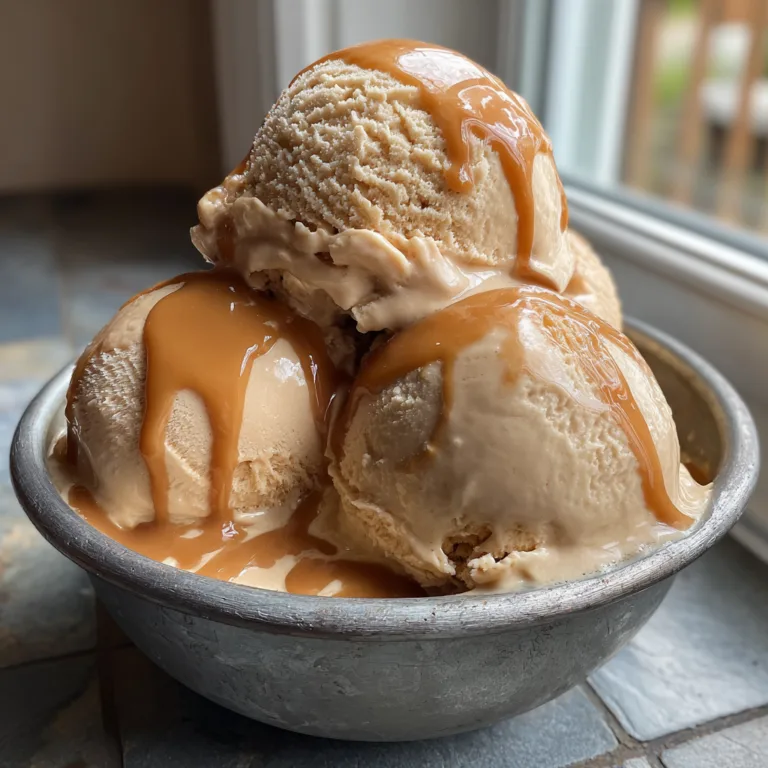
If you have ever stared at the cookie aisle in the grocery store, specifically at those “Soft Batch” style cookies that seem to defy the laws of physics by staying tender for weeks, you have probably wondered: How do they do it? The image circulating the internet claims the dough looks “exactly like ice cream,” and the secret lies in a simple pantry staple: Cornstarch.
We are unlocking the vault on the ultimate bakery hack. This isn’t just another chocolate chip cookie recipe; it is a texturizing miracle. By tweaking the leavening agents and introducing cornstarch into your dough, you create a cookie that is thick, tender, and undeniably soft—without being cakey. It is the holy grail of home baking, and once you try this method, you may never go back to your old recipe again.
The Science: Why Cornstarch?
Before we dive into the mixing bowl, it is helpful to understand the “why” behind this viral hack. Standard cookie recipes rely heavily on flour and baking powder. While delicious, high-protein flour can sometimes lead to a tougher, chewier crumb if overmixed, and baking powder creates a specific type of lift that can sometimes result in a cake-like texture.
Cornstarch creates tenderness. It works by “shortening” the gluten strands in the flour. When you mix flour with wet ingredients, gluten forms, giving structure. By replacing a small amount of the structural flour (or the lift of baking powder) with cornstarch, you soften that structure. The result is a dough that holds its shape but melts in your mouth—giving it that iconic “ice cream scoop” visual when raw and a fudge-like consistency when baked.

Why You Will Love This Recipe
Aside from the fascinating food science, here is why this specific recipe deserves a permanent spot in your recipe box:
- The “Ice Cream” Dough: As the viral image suggests, this dough is incredibly smooth. It lacks the gritty, dry texture of some doughs. It scoops beautifully and is dangerously tempting to eat right out of the bowl (though we always recommend baking it!).
- Stays Soft for Days: Unlike crispy cookies that get stale quickly, the cornstarch locks in moisture, keeping these treats soft for 3-4 days after baking.
- No Weird Ingredients: You don’t need instant pudding mix or corn syrup. You just need the standard basics plus that one white box of cornstarch sitting in the back of your pantry.
- Perfectly Chewy Edges: While the center stays soft, the butter and sugar content ensures the edges still get that golden, caramelized bite we all love.
Ingredients Breakdown
To achieve that perfect “Soft Batch” texture, precision with ingredients is key. Here is what you need:
- Unsalted Butter: It must be softened to room temperature, not melted. Melted butter makes greasy, flat cookies. Softened butter creams with the sugar to create air pockets.
- Cornstarch: The star of the show. This thickens the dough and tenderizes the crumb.
- Sugars: We use a mix of Brown Sugar (for moisture and chewiness) and Granulated White Sugar (for crisp edges). A higher ratio of brown sugar helps with the softness.
- Egg: One large egg plus an extra egg yolk. The extra yolk adds fat and richness, contributing to the fudge-like texture.
- Vanilla Extract: Use pure vanilla for the best flavor profile.
- All-Purpose Flour: The structural base. Measure this by spooning and leveling, not scooping, to avoid dry cookies.
- Baking Soda: Since we are skipping baking powder (as per the hack), we use baking soda to provide just enough spread and lift to keep them from being dense rocks.
- Chocolate Chips: Semi-sweet allows for a balance of flavor, but milk chocolate chunks work great for that “store-bought” vibe.
Instructions
Ready to bake? Follow these steps for the softest cookies of your life.
- Prep the Oven and Pans: Preheat your oven to 350°F (175°C). Line two large baking sheets with parchment paper or silicone baking mats. Do not grease the pans directly, as this causes spreading.
- Mix Dry Ingredients: In a medium bowl, whisk together the flour, cornstarch, baking soda, and salt. Whisking ensures the cornstarch is evenly distributed so you don’t get powdery lumps. Set aside.
- Cream Butter and Sugars: In a large bowl (or stand mixer), beat the softened butter, brown sugar, and white sugar on medium-high speed for about 2-3 minutes. You want the mixture to look pale and fluffy. This aeration is crucial.
- Add Wet Ingredients: Add the egg, the extra egg yolk, and the vanilla extract. Beat for another minute, scraping down the sides of the bowl to ensure everything is incorporated.
- Combine: Turn the mixer to low speed. Gradually add the dry ingredients. Mix only until the white streaks of flour disappear. Do not overmix at this stage, or you will undo the tenderizing work of the cornstarch.
- The “Ice Cream” Reveal: Fold in the chocolate chips by hand using a spatula. At this point, observe your dough. It should look smooth, velvety, and light—just like the viral photo!
- Scoop and Chill (Optional but Recommended): Scoop the dough into rounded tablespoons (or use a cookie scoop for that ice cream look) onto the baking sheets. If you have time, chill the dough balls for 30 minutes. This solidifies the butter and guarantees a thicker cookie.
- Bake: Bake for 10-12 minutes. Crucial Step: The cookies will look slightly underdone in the center when you pull them out. They should be barely golden on the edges. Do not bake until the centers are firm, or they will lose their softness.
- Cool: Let them cool on the baking sheet for at least 5-10 minutes. They will deflate slightly and firm up as they cool. Transfer to a wire rack to finish cooling.
The “Cornstarch vs. Baking Powder” Debate
The image text says to use cornstarch instead of baking powder. Here is the technical breakdown of why this works. Baking powder is a leavening agent that contains baking soda and an acid (usually cream of tartar). It causes dough to puff up and become cakey. Cornstarch has zero leavening power; it is purely a thickener.
By removing the baking powder, you remove the “puff.” By adding cornstarch, you add “structure” without “toughness.” However, you usually still need a tiny bit of Baking Soda (which reacts with the acidity in brown sugar) to ensure the cookie isn’t a dense brick. So, the best interpretation of the hack is: Swap baking powder for cornstarch, but keep a pinch of baking soda for the perfect chemical reaction.
Troubleshooting Common Cookie Mishaps
Even with a perfect recipe, things can go wrong. Here is how to fix them:
My cookies spread too much!
This usually happens if your butter was melted rather than softened, or if the pan was hot when you put the dough on it. Next time, chill your dough for an hour before baking. The cornstarch helps combat spreading, but it can’t fix melted butter.
My cookies are hard, not soft.
You likely overbaked them. Remember, “soft batch” cookies finish cooking on the hot pan outside of the oven. Take them out when they still look a bit raw in the middle.
The dough is crumbly.
You may have accidentally used too much flour. When measuring flour, fluff it up, spoon it into the cup, and level it off. dipping the cup directly into the flour bag packs it down, adding up to 20% more flour than needed.

Fun Variations
Once you master the cornstarch base, the sky is the limit:
- Double Chocolate: Add 2 tablespoons of cocoa powder to the dry mix for a brownie-like cookie.
- Birthday Cake: Swap chocolate chips for white chocolate chips and add 1/4 cup of rainbow sprinkles.
- Nutty Delight: Add chopped walnuts or pecans; the crunch contrasts beautifully with the soft dough.
- Sea Salt: Sprinkle flaky sea salt on top immediately after pulling them from the oven to enhance the chocolate flavor.
Storage and Freezing
To Keep Them Soft: Store in an airtight container at room temperature. A classic grandmother’s trick is to place a slice of white bread in the container with the cookies. The cookies will absorb moisture from the bread, staying soft for up to a week.
Freezing Dough: This dough freezes exceptionally well. Scoop the dough into balls and freeze them on a baking sheet. Once solid, transfer to a ziplock bag. You can bake them straight from frozen—just add 1-2 minutes to the baking time. This way, you can have fresh, warm, soft cookies on demand!
Give this Secret Cornstarch Chocolate Chip Cookie recipe a try. It is a game-changer for anyone who believes that a cookie should be soft, chewy, and melt-in-your-mouth delicious.
Secret Cornstarch Soft Batch Cookies
Ingredients
Equipment
Method
- Preheat oven to 350°F (175°C). Line baking sheets with parchment paper.
- In a medium bowl, whisk together flour, cornstarch, baking soda, and salt. Set aside.
- In a large bowl, cream together the softened butter, brown sugar, and granulated sugar until light and fluffy (approx. 3 minutes).
- Beat in the egg, extra egg yolk, and vanilla extract until fully combined.
- Gradually add the dry ingredients to the wet ingredients, mixing on low speed just until streaks of flour disappear. Do not overmix.
- Fold in the chocolate chips by hand.
- Scoop dough into 1.5 tablespoon balls and place on prepared baking sheets. (Optional: Chill dough for 30 mins to prevent spreading).
- Bake for 10-12 minutes. The edges should be barely golden and the centers should still look slightly soft/underdone.
- Allow cookies to cool on the baking sheet for 10 minutes before transferring to a wire rack.